How the Kukri (Khukuri) Fits Into Modern Life
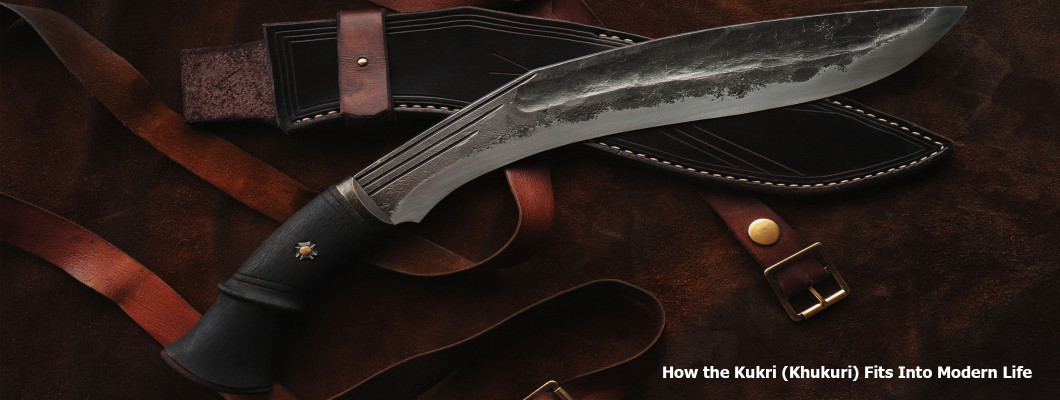
The kukri, also known as the khukuri in Nepal, is often misunderstood. Many people see it only as a historical or military blade, but that view ignores how it has actually been used for generations. The kukri was never created to be decorative or symbolic. It was designed to work.
Even today, people continue to use the kukri (khukuri) because it solves real problems. This article explains how the kukri is used in modern life, based on practical tasks rather than stories or myths.
Everyday Utility Use
In many parts of Nepal, the khukuri is still part of daily life. It is used for cutting firewood, trimming branches, preparing animal feed, and handling rough household work. People do not treat it as a special object. It is simply a tool that is always nearby.
Outside Nepal, users often call it a kukri, but the purpose remains the same. Its thick spine and curved edge allow it to cut efficiently without requiring much effort. This makes it useful for people who want one strong tool instead of several smaller ones.
Use Around Food and the Kitchen
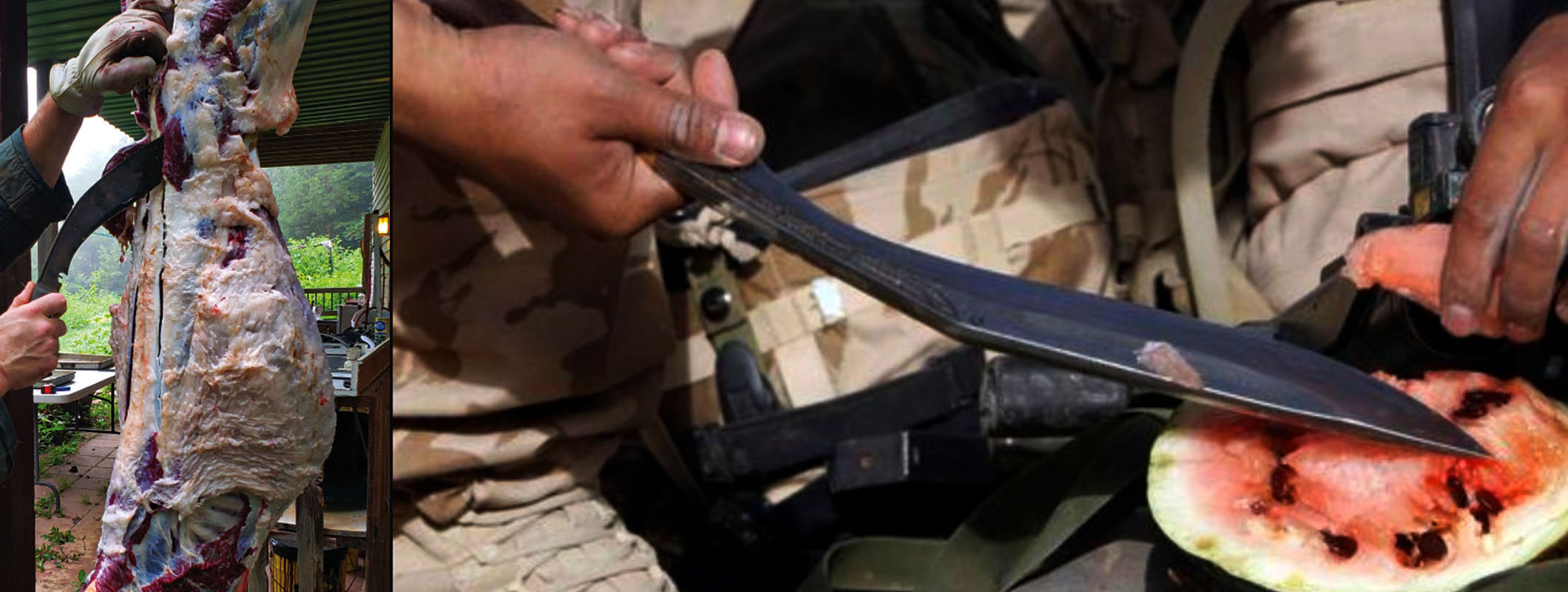
The kukri (khukuri) is not meant to replace kitchen knives, but it is sometimes used for heavy food preparation. This includes cutting large pieces of meat, splitting bones, or chopping large vegetables.
In rural settings, people often use the same tool for many tasks. As long as the blade is kept clean and sharp, a khukuri can handle demanding food-related work safely. However, it is not suited for fine slicing or delicate cutting.
This topic is explained in more detail here: Kukri (Khukuri) in the Kitchen: Can It Be Used as a Kitchen Knife?
Camping, Bushcraft, and Outdoor Use
Outdoor users often choose tools that can perform many tasks. The kukri is popular in camping and bushcraft because it combines chopping power with reasonable control. It can cut branches, split small logs, prepare firewood, and help build basic shelters.
The forward curve of the blade moves the weight toward the cutting edge. This design allows the kukri to work like a small axe, while still being easier to carry. For many campers, this makes it more practical than carrying both a knife and a hatchet.
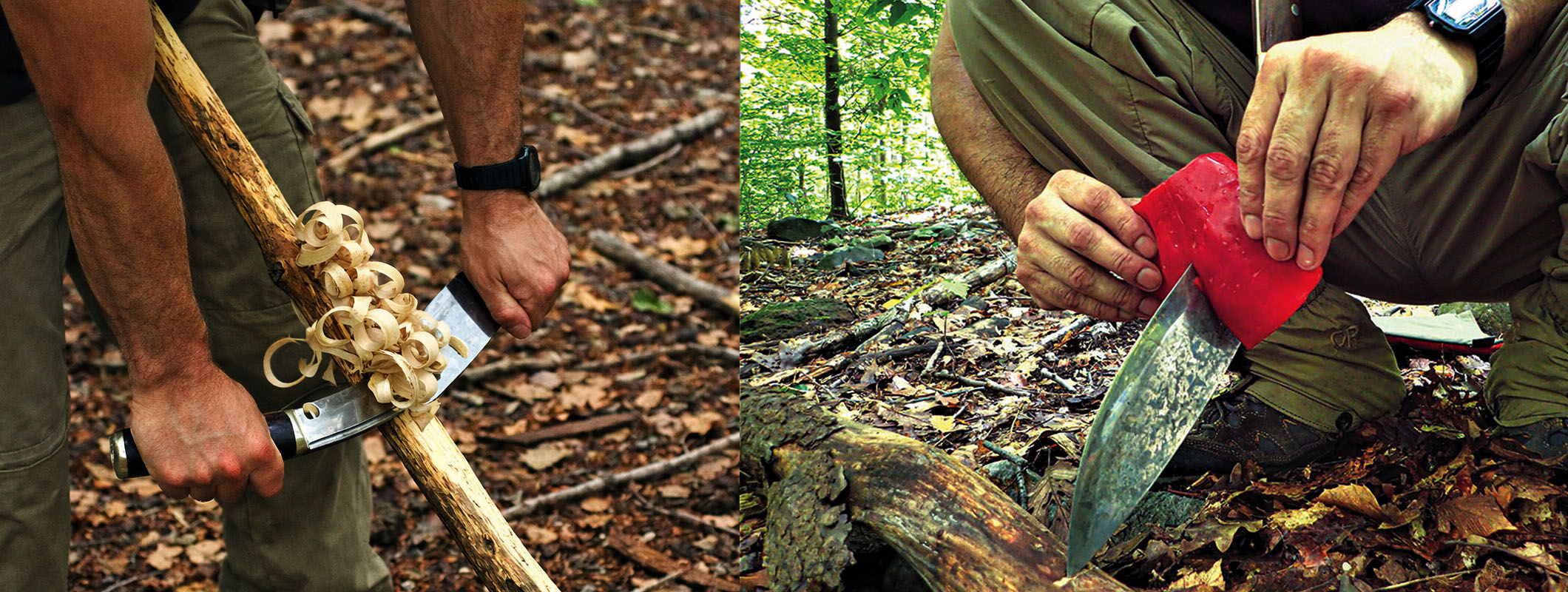
A deeper explanation of bushcraft use is available here: Are Kukri Knives Good for Bushcraft? A Complete Guide
Agricultural and Land Maintenance Work
Khukuris are still widely used for agricultural tasks. Farmers use them to clear bushes, cut crops, maintain paths, and remove unwanted vegetation.
In thick growth, straight blades often glance off the surface. The curved edge of the khukuri bites deeper into plants and branches, making the work faster and less tiring. This is one of the main reasons the design has survived for so long.
Kukri (Khukuri) vs Hatchet
Many people compare the kukri to a hatchet. A hatchet may deliver more force in a direct downward swing, but it is limited to chopping tasks.
A kukri (khukuri) offers more flexibility. It can chop, slice, and cut with control, making it useful when tasks change frequently. For mixed work, this versatility often matters more than raw power.
A detailed comparison is explained here: Can a Kukri Knife Be Used as a Hatchet? Comparison & Practical Uses
Hunting and Field Processing
In hunting situations, the kukri is mainly used after the animal has been taken. It helps with skinning, separating joints, and cutting meat in the field.
The weight of the blade allows it to cut through tough material, while the curved shape helps guide controlled cuts. This balance makes the khukuri suitable for medium to large game processing.
Survival and Emergency Use
In survival situations, people rely on tools that do not fail easily. A kukri (khukuri) does not depend on fuel, electricity, or moving parts.
It can help with clearing paths, building shelter, preparing firewood, and solving unexpected problems. Because of this, many people consider it a reliable survival blade.
More survival-focused detail can be found here: Essential Uses of Kukri Knives as Survival Tools – Hand-Forged Kukri
Military and Field Utility
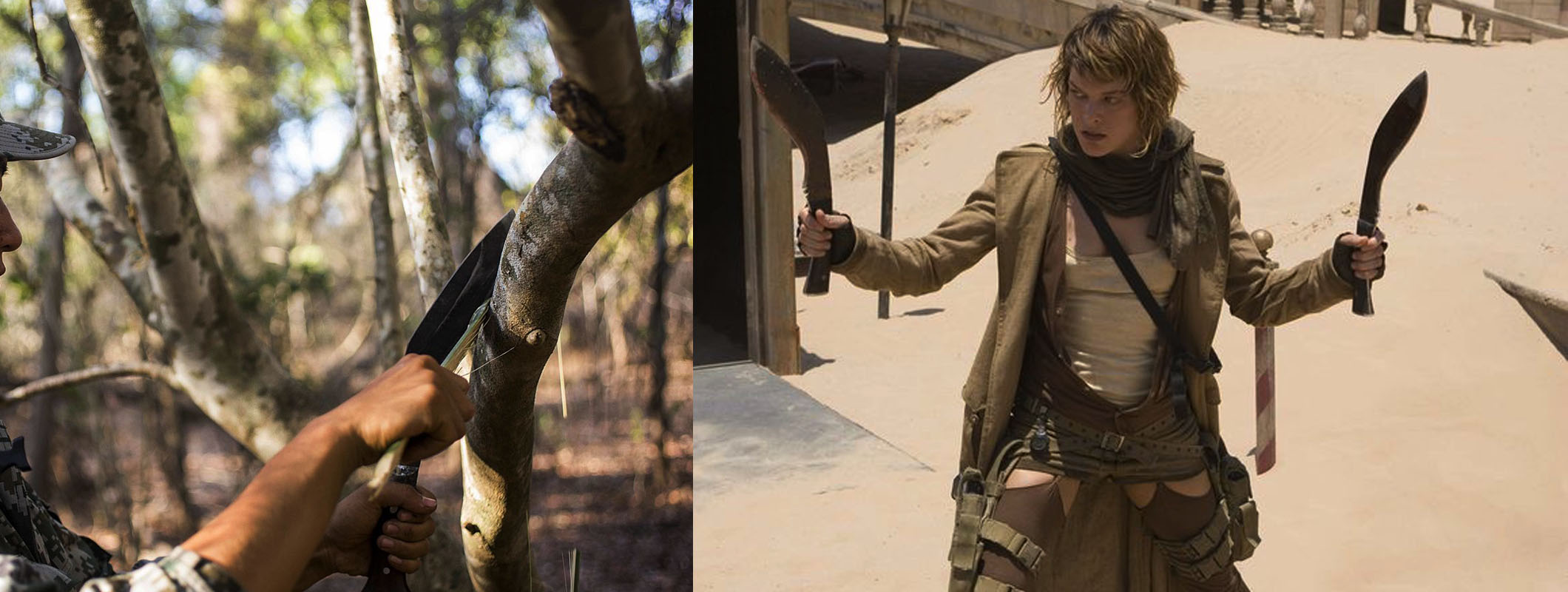
The kukri is closely associated with Gurkha soldiers, but its role in the field is often misunderstood. It is not carried as a primary weapon.
Instead, the khukuri is valued as a utility tool. It is used for cutting materials, clearing obstacles, and handling general field tasks. Its reputation comes from reliability, not from stories.
Cultural and Ceremonial Use Today
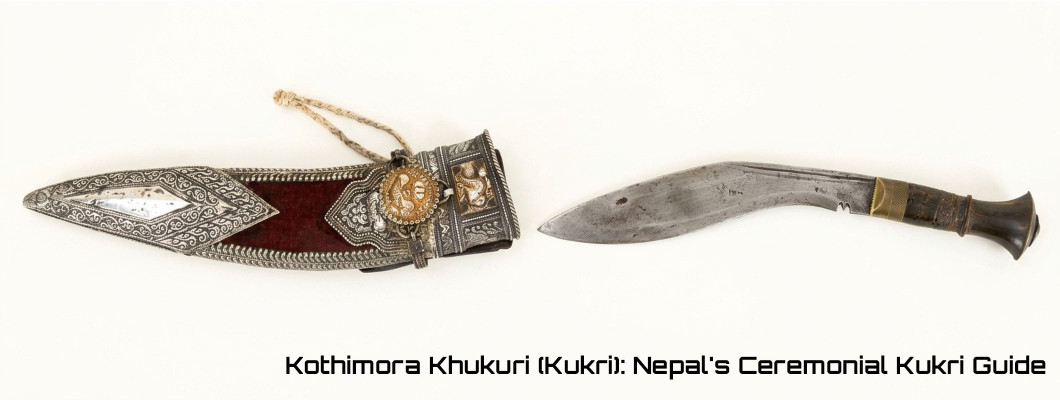
The khukuri still holds cultural importance in Nepal. It appears during festivals such as Dashain and is part of traditional dress and ceremonies.
Some kukris are made only for ceremonial purposes, while others are fully functional. Many families keep a khukuri in the home as a sign of tradition and protection.
Why No Automatic Tool Has Replaced the Kukri (Khukuri)
Even today, no automatic or powered tool has fully replaced the machete. In forests, farms, and remote areas, people still rely on simple blades because they work without fuel, batteries, or complicated parts.
In that role, the kukri (khukuri) stands out as one of the most effective machete-style tools. Its forward-weighted design delivers strong cutting power while still allowing control. For many people, the kukri is not just similar to a machete — it is the best form of it.
Customize Your Kukri (Khukuri) for Your Use
No two people use a kukri (khukuri) in exactly the same way. Some rely on it for daily work, others for agriculture, outdoor use, or specific cutting tasks.
At Everest Forge, you can customize your kukri based on how you actually plan to use it — including blade length, thickness, balance, handle style, and finish. This helps create a tool that matches real needs instead of a standard pattern.