Why the Kukri (Khukuri) Has Always Been Used as a Practical Kitchen Tool in Nepal
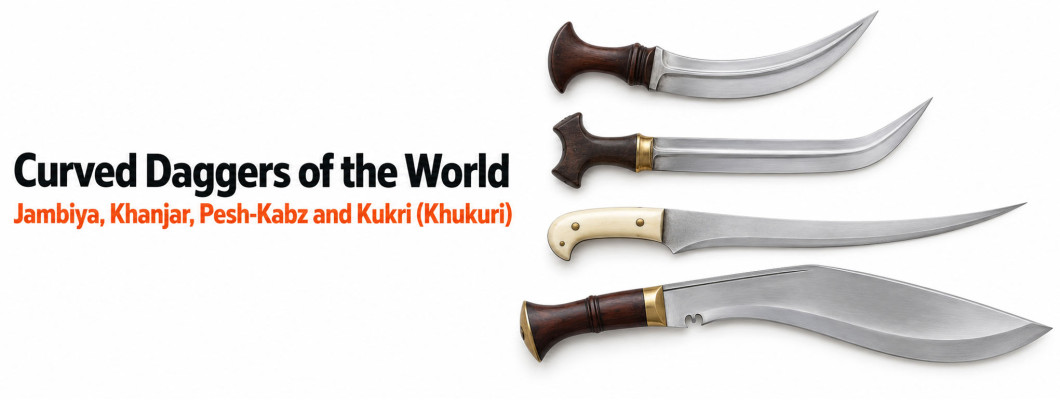
The kukri—also spelled khukuri —has long been more than a weapon in Nepal. It has served as a reliable household tool for generations, commonly used for preparing food, chopping vegetables, splitting bones, and processing meat. Because of its curved belly and forward-weighted design, the kukri/khukuri produces a powerful chopping motion with minimal effort.
Nepali cooking often involves handling whole animals, large vegetables, and dense roots. For these tasks, a single versatile blade is far more practical than multiple specialized knives. This is why the kukri (khukuri) became the everyday kitchen tool of many Nepali families.
Whether it is for festival feasts, daily meals, or village gatherings, the kukri/khukuri remains the blade people rely on.
Why Many Nepali Households Still Depend on the Kukri (Khukuri) Due to the Lack of Modern Meat-Cutting Machines
In many parts of Nepal, modern electric bone saws, large butcher cutters, and kitchen meat-processing machines are still not commonly used in households. This means families rely heavily on the kukri/khukuri for nearly all heavy cutting tasks.
The kukri/khukuri acts as a:
- Butcher knife
- Bone splitter
- Vegetable chopper
- General-purpose kitchen blade
It is capable of cutting goat and buffalo meat, splitting thick bones, chopping chicken joints, and slicing large vegetables— all without the need for machines or heavy cleavers.
How Gurkhas Use the Kukri (Khukuri) as a Kitchen Knife, Field Tool, and Traditional Military Weapon
The kukri/khukuri is iconic in Gurkha history, but soldiers use it for far more than combat. In the field, the kukri (khukuri) becomes a practical survival blade.
Gurkhas commonly use their kukri/khukuri for:
- Preparing food in field kitchens
- Cutting meat and vegetables during deployments
- Clearing brush and small branches
- General camp utility tasks
- Self-defense when required
This versatility shows that the kukri/khukuri is not only a weapon—it is a reliable cooking and utility tool used by soldiers in real-world conditions.
Why the Kukri (Khukuri) Performs Exceptionally Well for Chopping Bones, Meat, and Tough Ingredients
Standard chef knives are not designed to chop bones and can easily chip or crack. The kukri/khukuri, however, is built to handle impact and heavy chopping.
It excels at:
- Splitting chicken legs and wings
- Cutting ribs and thick joints
- Breaking down goat, pork, or buffalo meat
- Chopping dense vegetables like pumpkins and gourds
- Outdoor meat and campfire preparation
The kukri/khukuri acts almost like a hybrid between a carving knife and a mini-cleaver, making it ideal for heavy food preparation.
Why Smaller Kukris (Khukuris) Are More Practical for Everyday Kitchen Use
Full-sized kukris/khukuris are powerful, but they may feel too large for everyday kitchen work. Smaller kukris —typically 5 to 10 inches—offer better control, precision, and comfort.
Small kukris/khukuris are excellent for:

- Cutting vegetables and fruit
- Trimming and slicing meat
- Light bone chopping
- Outdoor cooking and camp meals
- General-purpose kitchen tasks
They bring the power of the traditional kukri/khukuri while being easier to handle on a kitchen counter.
How the Kukri (Khukuri) Remains an Important Part of Traditional Nepali Cooking Practices
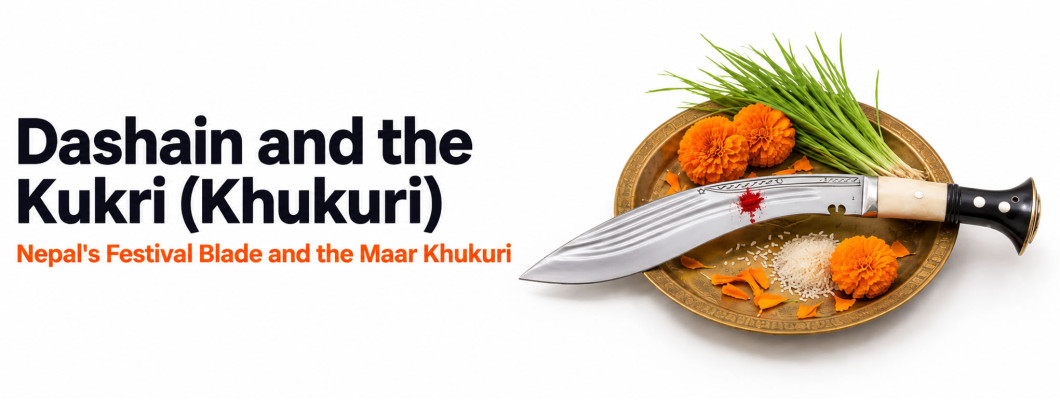
Nepali cooking is deeply connected to festivals, gatherings, and shared meals. During Dashain, Tihar, weddings, and community feasts, large amounts of meat and vegetables are prepared—often using the kukri/khukuri.
Its ability to chop, split, slice, and carve makes the kukri/khukuri a natural fit for traditional cooking rituals. Even today, many homes continue to use it because:
- It is durable and reliable for all kinds of cutting
- It replaces multiple specialized knives
- It handles both kitchen and outdoor tasks
- It is deeply rooted in cultural traditions
Can You Declare a Kukri (Khukuri) as a Kitchen Knife in Customs? How Countries Classify Blades
A kukri/khukuri can be declared as a kitchen knife or utility tool during customs—if that represents its use—but final classification depends on each country’s laws.
Customs may evaluate:
- Blade length and thickness
- Knife curvature and shape
- Whether it is a fixed blade
- Intended purpose (kitchen, utility, outdoor, ceremonial, weapon)
- Local knife restrictions and import regulations
Smaller kukris/khukuris are more likely to be viewed as kitchen tools. Larger ones may be treated as outdoor or restricted blades depending on the country.
How to Use a Kukri (Khukuri) Safely in the Kitchen: Technique and Practical Tips
The kukri/khukuri is perfectly safe in the kitchen when handled properly, but its curved shape and weight demand attention.
Safe usage guidelines include:
- Use a large cutting board to accommodate the curved blade
- Keep hands clear of the chopping path
- Use short, controlled motions
- Grip the handle firmly near the bolster
- Maintain a sharp edge to prevent slipping
With proper technique, the kukri/khukuri becomes a fast, effective, and highly satisfying kitchen tool.
Final Conclusion: When a Kukri (Khukuri) Works Best as a Kitchen Knife—and When It Doesn’t
The kukri/khukuri is excellent for heavy-duty kitchen tasks such as chopping bones, cutting thick meat, and handling large vegetables. Smaller kukris/khukuris are especially practical for everyday kitchen use.
While the kukri/khukuri won’t replace a chef knife for fine slicing, it serves as an outstanding companion blade—powerful, versatile, and rich with tradition.