

The Kukri as a Bushcraft Tool
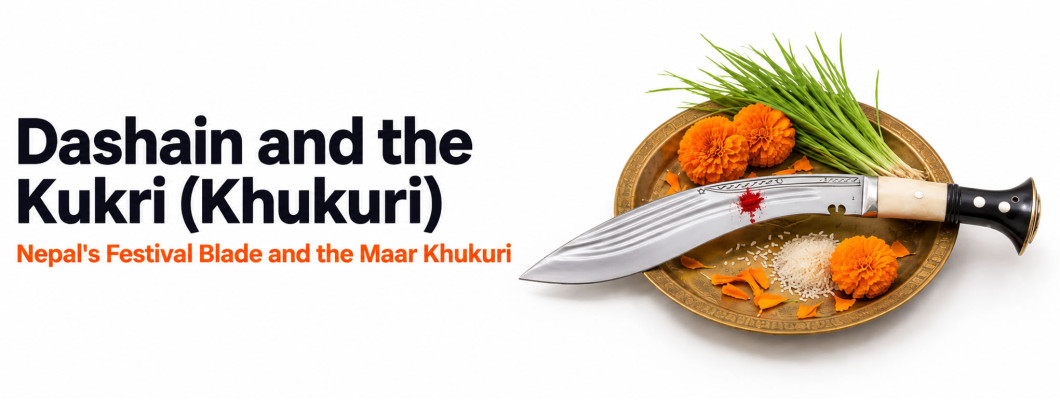
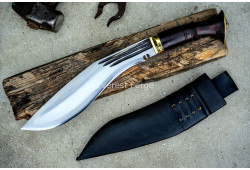
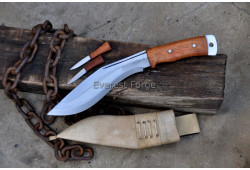
The kukri (also spelled khukuri) is one of the most recognizable blade designs in the world. Famous as the traditional knife of Nepal and the iconic weapon of the Gurkha soldiers, it has a reputation for toughness and raw chopping power. But how well does this curved blade perform as a bushcraft tool?
In bushcraft, a knife must do far more than cut. It needs to chop, split, carve, shave, slice, and sometimes even dig or hammer. While many outdoor enthusiasts rely on compact bushcraft knives, the kukri offers something unique: the power of a small axe, the reach of a machete, and the control of a large knife in one tool.
This guide explores whether kukri knives are good for bushcraft, how they compare to standard bushcraft knives, and what to look for if you want to carry one into the wild.
What Makes a Kukri Good for Bushcraft?
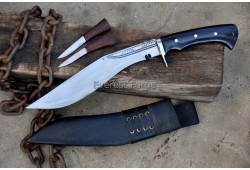
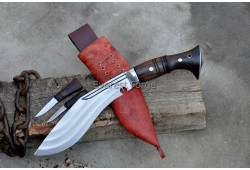
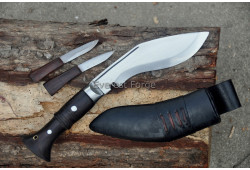
The kukri’s distinctive forward-curved blade is the key to its performance. The weight is concentrated toward the front, which increases cutting power and bite when chopping. At the same time, the inner curve closer to the handle provides a natural control point for more precise work.
This combination of power and control allows a single kukri to cover a wide range of bushcraft tasks that might otherwise require multiple tools.
Key Bushcraft Advantages of a Kukri Knife
1. Powerful Chopping Ability
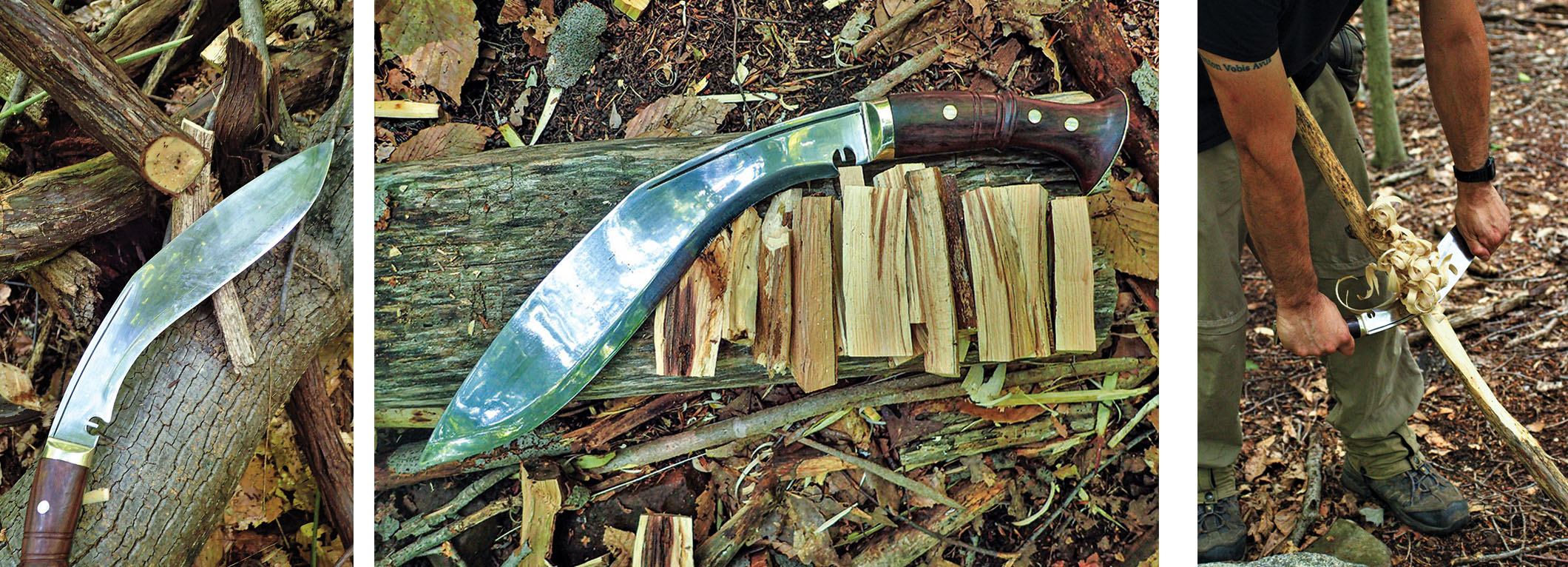
Processing wood is one of the main jobs in bushcraft—clearing branches, cutting poles, and preparing firewood. The kukri behaves like a compact hatchet, delivering deep cuts with less effort thanks to its forward balance and curved belly.
2. Effective for Batoning and Splitting Wood
Many modern kukris feature a thick spine and strong tang construction, making them ideal for batoning through logs and splitting kindling. Unlike a thin machete, a well-forged kukri can withstand the shock of heavy-duty wood processing when used correctly.
3. Versatile Cutting and Carving Edge
The inner curve of the blade closer to the handle creates a natural sweet spot for controlled cuts. With practice, a kukri can handle:
- Feather sticks and fire prep
- Notches for traps and camp fixtures
- Shaping tent pegs and stakes
- Rough carving of wooden tools
While it will not completely replace a small carving knife, it is far more capable at fine tasks than most large choppers.
4. Brush Clearing Like a Machete
In dense vegetation, the kukri shines as a clearing tool. It can cut vines, saplings, and thick grass with ease, functioning much like a machete but with extra chopping power due to its weighted design.
5. Camp and Food Preparation
The curved belly and tapered tip are surprisingly useful around camp. A kukri can slice vegetables, trim meat, and handle general food prep, while still being ready for heavier outdoor work as soon as you step away from the fire.
6. Durability and Field-Proven Design
The kukri has been used for generations in real working conditions—on farms, in jungles, and in the mountains. A properly heat-treated, hand-forged high carbon steel kukri is built to handle hard use, making it a reliable choice for bushcraft and survival.
Bushcraft Tasks a Kukri Can Handle
A well-designed kukri can comfortably perform many classic bushcraft tasks, including:
- Chopping branches and small logs
- Splitting wood and batoning for firewood
- Clearing trails, brush, and undergrowth
- Carving rough camp tools and stakes
- Making feather sticks and kindling
- Preparing food at camp
- Scraping bark or tinder materials
- Light digging and scraping in an emergency
- Hammering tent pegs with the spine or pommel
Because it overlaps the roles of a knife, hatchet, and machete, a kukri can significantly reduce the number of tools you need to carry.
Limitations of a Kukri in Bushcraft
No tool is perfect. A kukri also has limitations you should consider before making it your primary bushcraft blade.
1. Fine Carving and Detail Work
Although a kukri can carve, its size and weight make very small, precise tasks more challenging than with a dedicated carving or bushcraft knife. Many bushcrafters prefer to pair a kukri with a small fixed blade for delicate work.
2. Weight and Packability
Kukris are generally heavier than standard bushcraft knives and may feel bulky for ultralight backpackers. If you prioritize minimalism and speed over chopping power, a compact knife may be more comfortable.
3. Learning Curve
The kukri’s unique shape and forward balance take some getting used to. Proper technique is important for safe and efficient use, especially when chopping or batoning.
Kukri vs. Traditional Bushcraft Knife
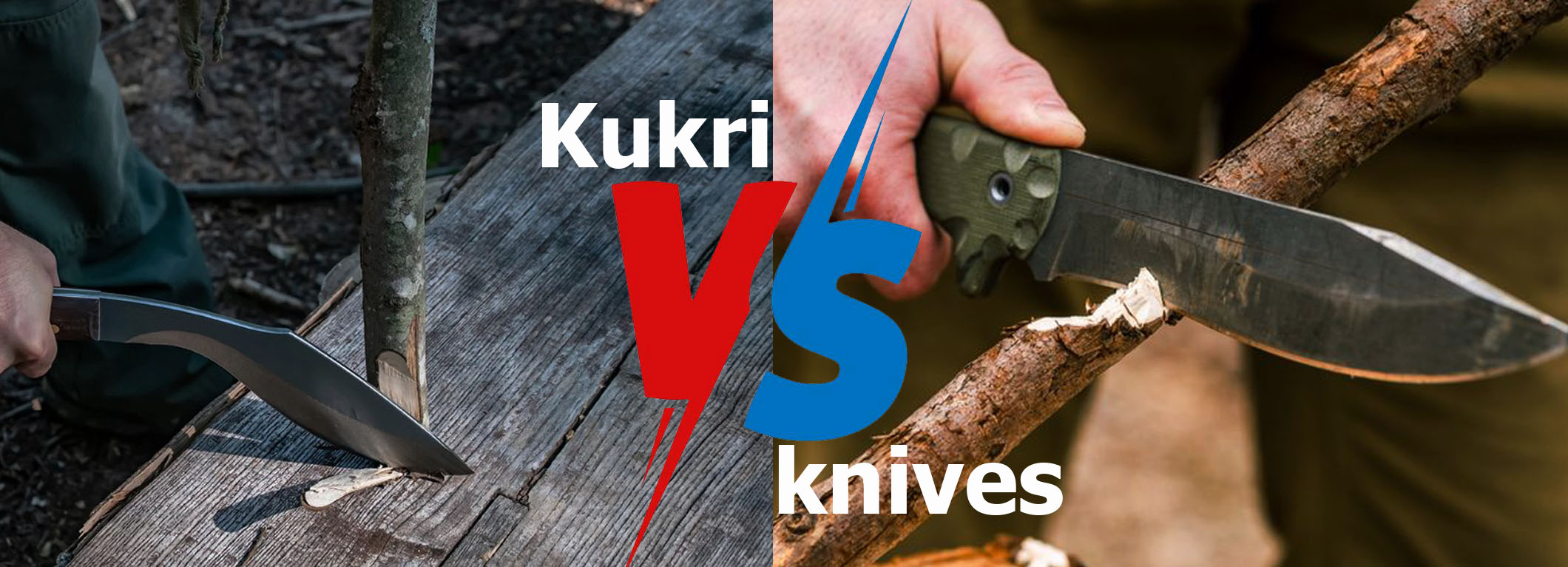
Both tools have their strengths, and the best choice depends on your environment and style of bushcraft.
Strengths of a Kukri
- Superior chopping and wood processing ability
- Excellent for batoning and splitting
- Can replace a hatchet and machete in many situations
- Highly versatile for camp chores and rough carving
- Ideal for dense vegetation and rugged terrain
Strengths of a Bushcraft Knife
- Lightweight and easy to carry all day
- Better for fine carving and precision tasks
- Often more intuitive for beginners
- Pairs well with a separate axe or saw
If your bushcraft environment involves a lot of wood processing, trail clearing, and heavy camp work, a kukri is a strong choice. If you focus more on carving, small game, and light tasks, a compact bushcraft knife may be more convenient.
Best Kukri Styles for Bushcraft Use
Not all kukris are the same. Some shapes and constructions lend themselves better to bushcraft than others.
1. Jungle Kukri
Generally lighter and fast in the hand, jungle-style kukris are excellent for brush clearing, light chopping, and all-purpose camp tasks.
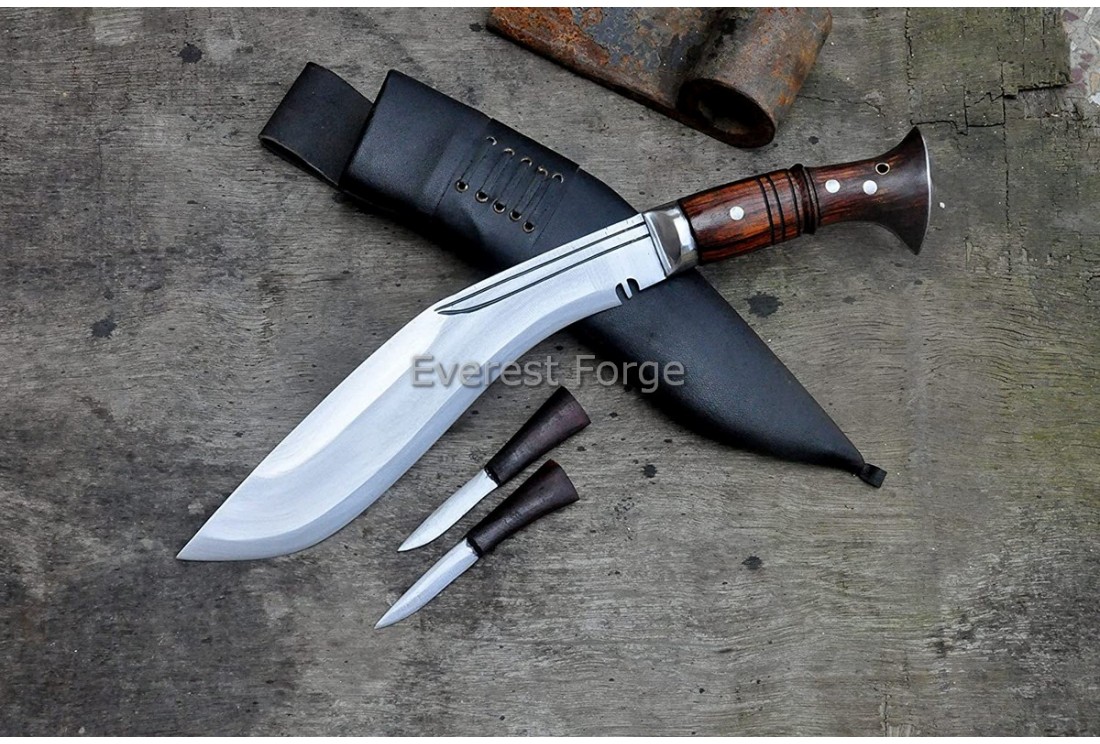
2. Angkhola Kukri (Fuller Design)
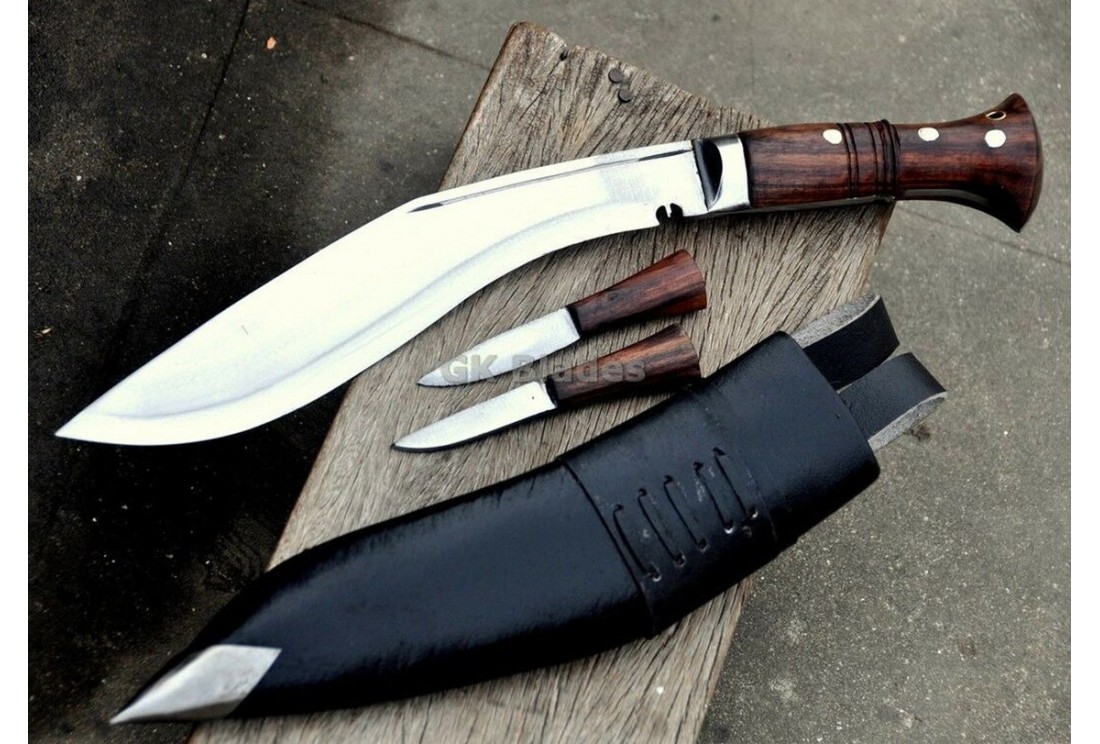
Angkhola kukris feature a fuller (or multiple fullers) along the blade, designed to reduce weight and absorb shock. They often have a thick spine and are very strong, making them ideal for batoning and heavy duty work.
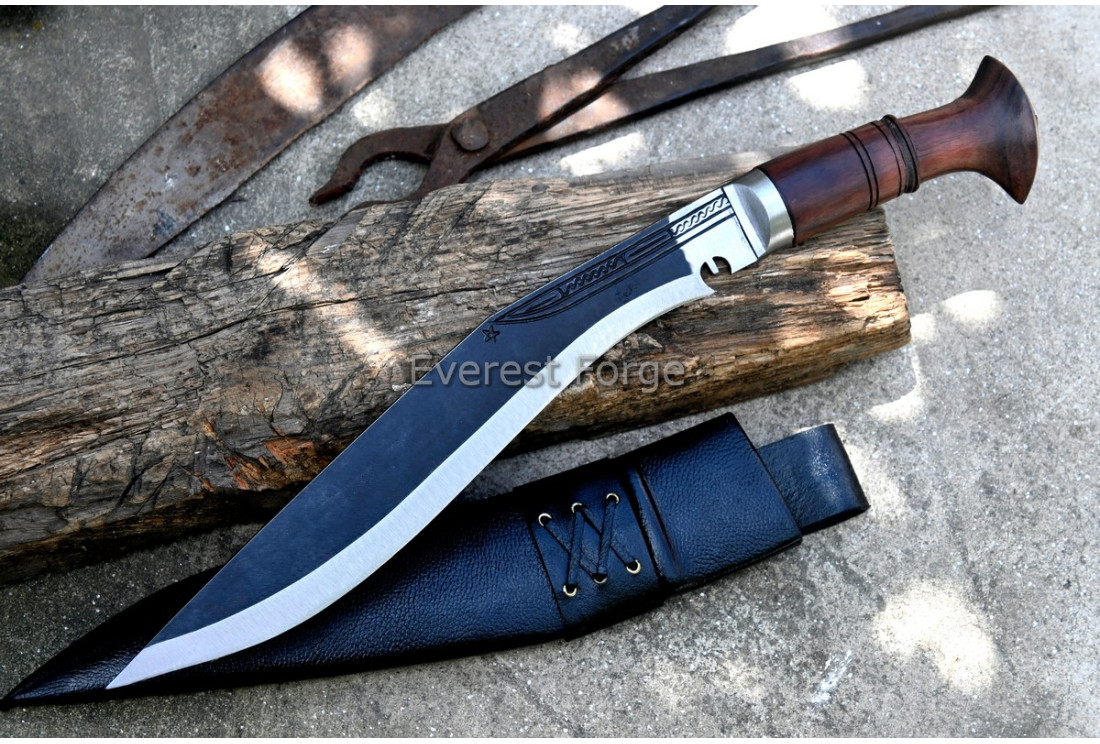
3. Sirupate Kukri
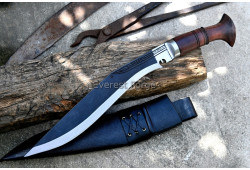
The sirupate is slimmer and more elongated, with a narrower profile. It is quick, efficient at slicing, and still capable of respectable chopping, which makes it suited to bushcraft in lighter woodland environments.
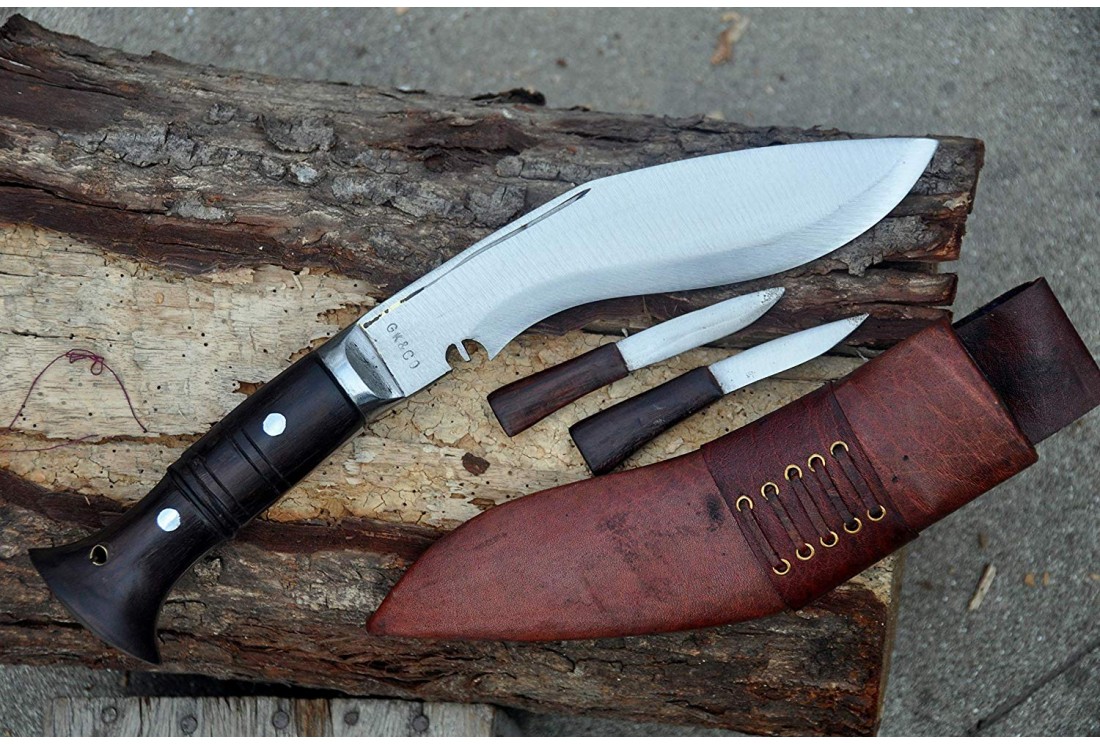
4. Panawal (Full Tang) Kukri
Panawal kukris use full tang construction with scales riveted to the tang. This design offers excellent strength and is favored by many modern bushcrafters and survivalists for its durability and reliability under hard use.
Why Hand-Forged Nepali Kukris Excel Outdoors
A genuine kukri is more than just a blade shape—it is a product of tradition and skilled craftsmanship. In Nepal, bladesmiths have been forging kukris for generations, refining heat treatment and balance through real-world use.
A quality bushcraft kukri will typically feature:
- High carbon steel, often 5160 or similar spring steel
- Proper heat treatment and tempering for toughness and edge retention
- Thick, resilient spine for batoning and chopping
- Secure full tang or properly constructed traditional tang
- A handle designed for a strong, comfortable grip during hard use
For serious bushcraft, investing in a well-forged kukri from experienced Nepali smiths is essential. Poorly made replicas may look the part but can fail when you need them most.
Are Kukri Knives Good for Bushcraft? Final Verdict
Yes, kukri knives can be outstanding bushcraft tools when they are well made and used correctly. They provide:
- The chopping power of a hatchet
- The clearing ability of a machete
- The versatility of a large survival knife
For many outdoorsmen and bushcrafters, a kukri becomes the main heavy-use tool in their kit, complemented by a small knife or multitool for finer tasks. If your style of bushcraft involves real wood processing, trail clearing, and rugged environments, a hand-forged kukri is a powerful and reliable choice.
Choosing a Kukri for Your Bushcraft Kit
When selecting a kukri for bushcraft, look for:
- High carbon steel with a strong, proven heat treatment
- Full tang or robust traditional construction
- A blade length and weight you can comfortably control
- A grip that feels secure in multiple positions
- A practical sheath you can carry safely on your belt or pack
With the right kukri on your side, you carry more than a knife—you carry a compact, multi-role tool shaped by centuries of real-world use in the mountains and jungles of Nepal.
Work directly with our smiths to design a hand-forged bushcraft kukri that matches your style, grip, and outdoor needs.
Request Custom Bushcraft Kukri