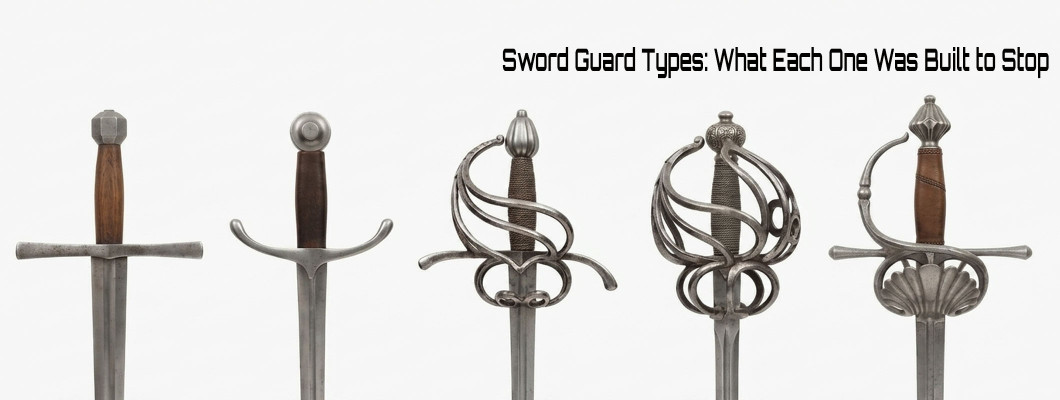
Sword Guard Types: What Each One Was Built to Stop
Sword guards grew as armour disappeared. A Viking hand sat behind a shield and needed almost no guard. A knight's hand sat inside a steel gauntlet and needed a simple crossguard. Once plate armour and gauntlets left the battlefield, the hand became the most exposed target a swordsman had, and the guard expanded to cover it — side rings, then swept hilts, then full baskets. Every guard shape in the historical record is an answer to a specific threat in a specific context. Read them that way and the whole sequence makes sense.
This page walks the main guard types in order, with a diagram for each showing what the guard actually intercepts. If you want the naming of the parts rather than the reasoning behind them, our parts of a sword guide covers the terminology.
The Rule Behind Every Guard
A guard does three jobs, and different eras weighted them differently. It stops your own hand sliding forward onto your own edge. It stops an opponent's blade running down yours into your fingers. And on some designs it actively catches or binds the opposing blade rather than merely blocking it.
What changed over a thousand years is not the jobs but the exposure. When the hand is protected by something else — a shield, a gauntlet — the guard can stay minimal. When the hand is bare and forward, as it is for a duellist in shirtsleeves, the guard has to become armour in its own right. That single relationship explains the whole progression, and it explains why the most elaborate guards belong to the least armoured period.
| Guard type | Roughly when | What it was built to stop | What it costs |
|---|---|---|---|
| Short crossguard | Migration and Viking era | The hand sliding forward; minimal blade contact | Almost no protection from a bind — the shield does that work |
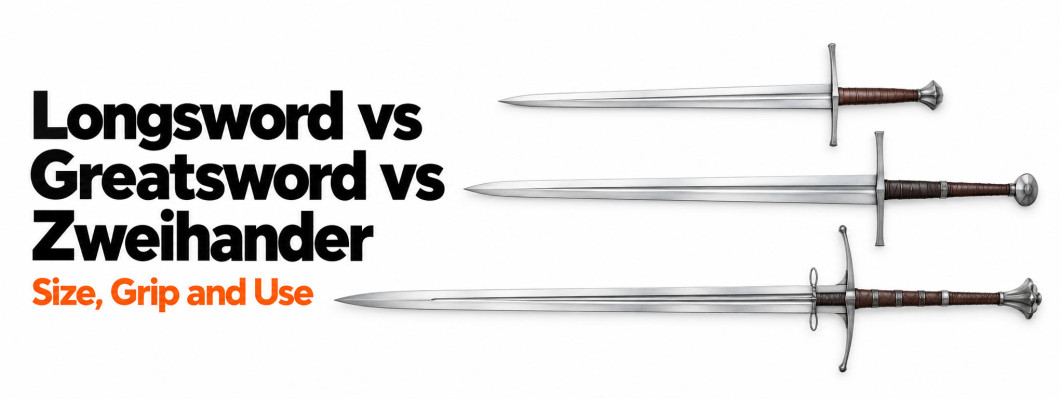
| Full crossguard and quillons | Medieval, arming sword and longsword | An opposing blade running down the length into the fingers | Leaves the back of the hand and knuckles open |
| Finger rings, arms of the hilt | Transitional, 15th to 16th century | Protects a finger hooked over the ricasso for point control | Only guards what it encircles |
| Side rings and swept hilt | Rapier era | Thrusts and binds aimed at a bare, extended hand | Heavy, complex, and slow to make |
| Basket hilt | 16th to 19th century | Cuts from any angle at an unarmoured hand | Weight, and it must fit the specific hand |
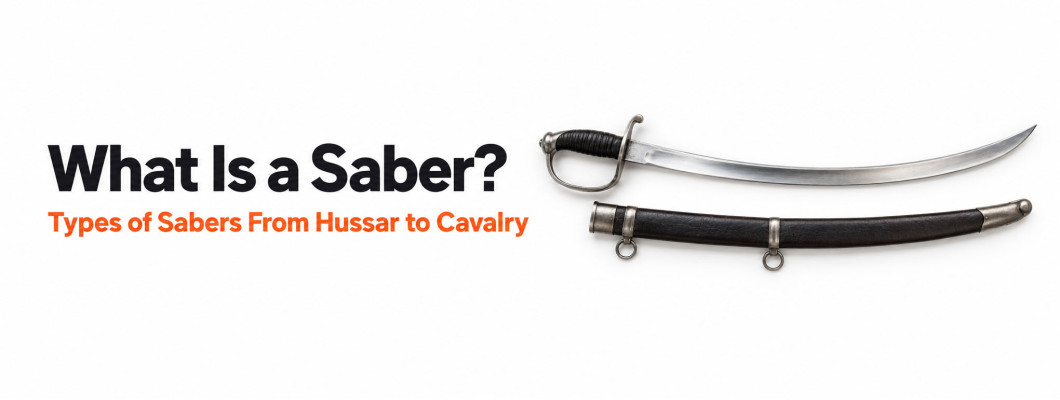
| Knuckle bow and stirrup | Sabre and cavalry era | Cuts to the knuckles, the commonest cavalry injury | Open on the inside of the hand |
| Shell guard | Smallsword and duelling | The thrust, the only attack that mattered | Nearly useless against a committed cut |
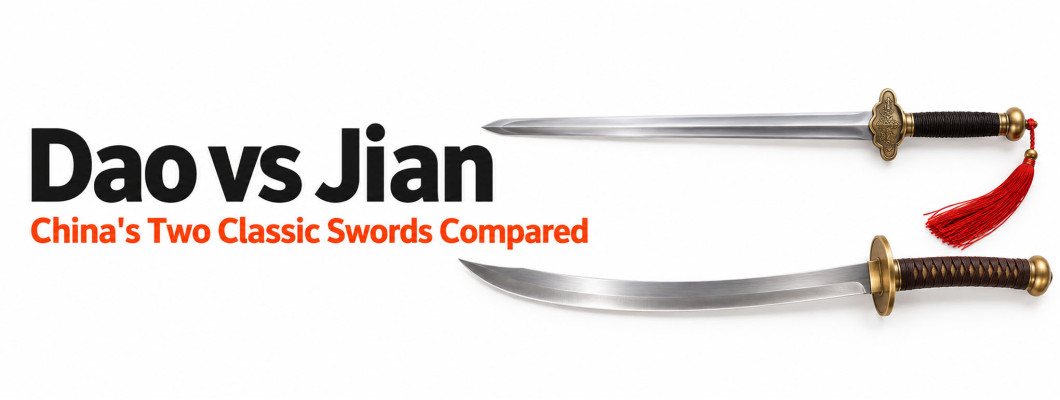
| Tsuba | Japanese swords throughout | The hand sliding forward, and little else by design | Not intended for hand-parrying at all |
The Short Crossguard
Early medieval and Viking-age swords carry a guard so short it barely projects beyond the grip. Modern eyes read that as primitive. It is not — it is correct for the system it belonged to.
A Viking fought with a shield in the other hand, and the shield did the defending. The sword was for attacking, and the hand behind it was already covered by a metre of linden board. A large guard would have added weight at exactly the point where it costs the most in handling, to solve a problem the shield had already solved. When the shield left the fighting system, the guard grew. Cause and effect.
The Crossguard and Quillons
By the high medieval period the crossguard has extended into two arms — quillons — projecting well beyond the grip on either side. This is the guard most people picture when they think of a sword.
Its specific job is the bind. When two blades meet edge to edge and slide, the natural motion carries the opposing blade down the length of yours toward your hand. A projecting quillon catches it before it arrives. It is not primarily there to block a cut out of the air; it is there to stop the blade that is already in contact with yours from travelling.
Note what it does not do. The back of the hand and the knuckles remain completely open. That was acceptable because the hand was in a gauntlet. Take the gauntlet away and this guard becomes inadequate overnight — which is exactly what happened.
Finger Rings and the Arms of the Hilt
A transitional feature, and a good example of a guard added to enable a technique rather than to stop a specific attack.
Hooking a finger over the crossguard onto the unsharpened base of the blade — the ricasso — gives far better control of the point. It also puts that finger directly in the path of anything coming down the blade. The answer was a ring, sometimes a pair, arching over the ricasso to shelter the finger that now sits outside the guard.
Everything about this feature follows from the shift toward the thrust. Better point control mattered more as swords became thrusting weapons, so the technique appeared, and the ring appeared to make the technique survivable.
Side Rings and the Swept Hilt
The rapier era is where the guard stops being a bar and becomes a structure. Side rings sit at right angles to the quillons, covering the opening above and below the crossguard. Sweeping bars curve back from the guard toward the pommel, building a cage of steel around the outside of the hand.
The reason is the civilian context. A rapier fight is not fought in armour. It is fought in clothing, with the sword hand extended forward as the leading target — closer to the opponent than any other part of the body. Under those conditions the hand is not merely exposed, it is the most likely thing to be hit. The swept hilt is armour applied to precisely the one place that still needed it.
The Basket Hilt
The logical end point. Bars, plates and rings woven into a full cage that encloses the hand from every direction, most famously on Scottish broadswords and on military and naval patterns across Europe.
Where the swept hilt is optimised against thrusts arriving along a predictable line, the basket answers cuts arriving from any angle. That is a harder problem and it takes more steel to solve. The trade is weight, and weight placed at the balance point where it has the most effect on how the sword handles.
One practical consequence that matters if you are commissioning one: a basket hilt must fit the specific hand that will use it. A cage sized for someone else is either painful or useless, and unlike a grip it cannot be quietly adjusted afterwards. This is the guard type where a made-to-measure piece is not a luxury.
The Knuckle Bow and Stirrup Hilt
A single bar curving from the guard back to the pommel, covering the knuckles and nothing else. It looks like a lesser basket, and in a sense it is, but it was arrived at from a different direction.
Cavalry sabres and hunting swords use it because the knuckles are where cuts actually land. A mounted man's hand is held forward and slightly across the body, and the outside of the hand takes the hits. Covering that one surface catches most of the damage for a fraction of the weight of a basket, and weight matters more on horseback than almost anywhere else.
This is a good example of an engineering compromise rather than an evolutionary step. It is not an unfinished basket — it is a deliberate choice to protect the statistically likely target and accept exposure elsewhere.
The Shell Guard
The smallsword arrives once the sword has stopped being a battlefield weapon at all and become a civilian sidearm, worn in the street and used in formal duels. Its guard is a pair of small dish-shaped shells seated at the base of the blade, sometimes with a token knuckle bow.
It looks like a retreat after the basket, and structurally it is. But the threat model had narrowed to a single attack. A smallsword duel is fought almost entirely with the point, along a line the guard is squarely facing. Against a thrust arriving down that line the shells are efficient — light, close to the hand, and exactly where the attack will be. Against a committed cut from the side they are close to useless, and everyone involved knew it, because nobody was cutting.
This is the clearest case of the whole principle. The guard did not shrink because armourers forgot how to build baskets. It shrank because the range of attacks it had to answer shrank, and steel that answers nothing is just weight.
The Tsuba: The Exception That Proves the Rule
Japanese swords never developed a large guard, and understanding why confirms everything above.
A tsuba is a disc or plate, usually only slightly wider than the hand, seated between blade and grip. Its primary structural job is to stop the hand sliding forward onto the edge. It was never intended to catch an opposing blade the way a quillon does, and no amount of decoration changes that.
The reason is the fighting system, not a lack of ingenuity. Japanese swordsmanship does not rely on prolonged blade contact with the hands forward and static. The defence is displacement and body position rather than interposing the hilt. Where European fencing put the hand forward as the leading target and had to armour it, Japanese practice did not create the same exposure, so the guard had no reason to grow.
Two traditions, same physics, opposite conclusions — because the threat model differed. That is the clearest evidence that guards are answers to problems rather than fashion.
How a Guard Is Actually Fitted
This is the part that decides whether a sword is sound, and it is invisible once assembled.
A guard is not attached to the blade. It is slotted onto the tang through a rectangular aperture cut to match, then driven down until it seats hard against the blade shoulders — the small ledges where the blade steps down into the tang. Those shoulders carry the load. The grip goes on next, and the whole stack is locked either by peening the tang over the pommel, spreading it like a rivet, or by threading the tang and running a nut down onto it.
Everything about how a hilt feels comes from that stack being tight. If the guard aperture is cut loose, or the shoulders are uneven, or the peen is soft, the assembly works loose under use and you get the rattle that gives cheap swords away. The rattle is not a cosmetic fault — it means the components are moving relative to each other every time the blade stops, and movement is how things fail.
Peening is permanent and traditional. A threaded pommel allows disassembly, which is useful for maintenance and for shipping. Neither is inherently better; a well-cut aperture matters more than the choice between them. Our tang guide covers what sits underneath all of this, and it is the other half of the same question.
Choosing a Guard for a Reproduction
If you are commissioning a piece rather than studying the subject, three practical points.
Match the guard to the period, not to taste. A swept hilt on a Viking blade is a costume, and anyone who knows the subject reads it immediately. If you want elaborate hand protection, choose a sword type that had it.
Complex guards change how the sword handles. A basket adds real weight right at the balance point, which shifts the point of balance back toward your hand. That is not automatically bad — it makes the blade quicker to stop — but it is a different sword from the same blade with a simple cross. Our sword balance guide covers what that does in the hand.
Give us your hand measurement for anything enclosed. A basket or a heavily swept hilt has to fit. Measure across the knuckles of a closed fist and send the number with your enquiry. It is the single most useful thing you can tell us, and it cannot be corrected afterwards.
Commission a Hilt Built for Your Hand
Send a reference — a museum photograph, a drawing, a written description — and we confirm guard type, fitting method and hand measurement before anything is forged. Every hilt is slotted, seated and peened or threaded by hand in Kathmandu.
Frequently Asked Questions
What are the main types of sword guard?
The short crossguard of the migration and Viking era, the full crossguard with quillons on medieval swords, finger rings and arms of the hilt on transitional swords, side rings and swept hilts on rapiers, the basket hilt, the knuckle bow or stirrup on sabres, the shell guard on smallswords, and the Japanese tsuba. Each answers a different threat in a different context.
Why did sword guards get bigger over time?
Because armour got smaller. When a hand sat behind a shield or inside a steel gauntlet it needed little protection from the hilt. As plate armour and gauntlets left the battlefield and duelling moved into ordinary clothing, the sword hand became the most exposed target on the body — and the leading one, since it is held forward. The guard grew to become the armour that was no longer being worn.
What is a quillon on a sword?
A quillon is one of the two arms of a crossguard that project to either side of the blade. Their main job is the bind: when two blades are in contact and slide against each other, the natural motion carries the opposing blade down toward your hand, and a projecting quillon catches it before it arrives. Some designs also let you actively catch or control the opposing blade.
What is the difference between a swept hilt and a basket hilt?
A swept hilt uses curved bars sweeping back from the guard toward the pommel, optimised against thrusts arriving on a fairly predictable line, as in rapier fencing. A basket hilt is a fuller cage of bars and plates enclosing the hand from every direction, built for cuts that can arrive at any angle. The basket protects more and weighs more, and it must fit the specific hand.
What is the purpose of a tsuba?
Primarily to stop the hand sliding forward onto the blade, and to help balance the sword. Unlike a European crossguard, a tsuba was not designed to catch or trap an opposing blade — Japanese swordsmanship relies on displacement and body position rather than interposing the hilt, so the guard never needed to grow. Its size reflects a different threat model, not a lack of development.
Why do finger rings exist on some swords?
To protect a finger hooked over the crossguard onto the ricasso, the unsharpened section at the base of the blade. Hooking a finger there gives much better control of the point, which mattered increasingly as swords became thrusting weapons, but it puts that finger outside the guard and directly in the path of a blade sliding down. The ring shelters it.
How is a sword guard attached to the blade?
It is not attached to the blade at all. The guard is slotted onto the tang through an aperture cut to match, then driven down until it seats hard against the blade shoulders. The grip follows, and the assembly is locked either by peening the tang over the pommel like a rivet, or by threading the tang and running a nut down onto it. A loose aperture or uneven shoulders cause the rattle you find on cheap swords.
Is a peened pommel better than a threaded one?
Neither is inherently better. Peening is permanent and traditional; a threaded pommel allows disassembly for maintenance or shipping. What matters far more is whether the guard aperture is cut tightly and the blade shoulders are even, because that is what stops the stack working loose under use. A well-fitted threaded hilt outlasts a badly fitted peened one.
Can I have a custom guard made for my sword?
Yes. We hold no stock and forge every piece after the order is placed, so guard type, fitting method and dimensions are all specification rather than selection. For anything enclosed, such as a basket or a heavily swept hilt, send a measurement across the knuckles of your closed fist — an enclosed guard has to fit the hand it is built for and cannot be adjusted afterwards.