The Viking Spear: A Historical Overview
The Viking spear was one of the most important weapons of Norse culture, symbolising both power and practicality. For Viking warriors it was more than a battlefield tool — it was a marker of status, skill, and tradition. Over centuries its design evolved into a versatile weapon suited for hunting, combat, and ritual use.

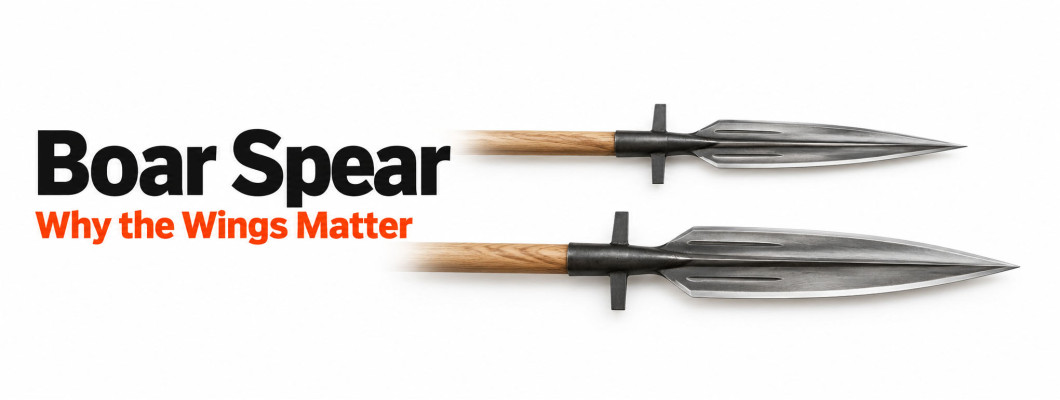
A hand-forged Viking spear — the wooden shaft and steel spearhead.
Hand-forged with remarkable craftsmanship, Viking spears featured strong iron heads and long wooden shafts. The spearhead, shaped for different purposes, ranged from broad thrusting tips to narrow throwing points. Many were decorated with runes or intricate patterns, reflecting both artistry and identity. The same broad-leaf war-spear tradition lives on today in our hand-forged Viking Spear, forged in Nepal from 5160 spring steel.
Spears were not only weapons of war but cultural symbols. They were buried with their owners, honoured in Norse mythology — most famously through Odin's spear Gungnir — and continue today to fascinate historians, collectors, and reenactors alike.
Everest Forge — Hand-Forged in Nepal
Want a real hand-forged Viking spear?
We forge Norse and Viking spears from full-tang 5160 spring steel, sharpened and shipped worldwide with tracking. Browse the authentic war spear and the fantasy line below, or see the full collection.
Shop Hand-Forged Spears → Request a Custom Spear →The Origins of the Spear: From Prehistory to the Viking Age
The spear is one of humanity's oldest weapons, dating back to prehistoric times when sharpened wooden shafts were used for hunting and defence. Over the ages, advances in metallurgy transformed these simple tools into deadly weapons of war.
During the Bronze Age, metal spearheads offered greater durability, while the Iron Age ushered in even stronger and sharper designs. By the Viking Age the spear had become a perfected weapon — adapted to the needs of Norse warriors who relied on it as their primary arm in both battle and daily survival.
The evolution of the spear can be seen in four stages: primitive wooden spears, bronze weapons for durability, iron spearheads for strength, and Viking spears refined for war, hunting, and status. Each step reflects the ingenuity of past cultures, culminating in the versatile Viking spear.
The Role of the Spear in Viking Society
To the Vikings, the spear was more than a practical weapon — it was a symbol of honour. Every warrior was expected to carry one, making it one of the most common weapons of the age. Its versatility allowed it to serve multiple roles: a thrusting weapon in close combat, a projectile in long-range attacks, and a hunting tool for securing food.
Spears also played a role in ritual and ceremony. Many have been found in burial sites, placed alongside fallen warriors as essential possessions for the afterlife. In this way the spear was not just an implement of war but a deeply cultural object that connected warriors to their gods and ancestors.
Anatomy of a Viking Spear: Materials and Construction
A Viking spear consisted of two main parts: the iron spearhead and the long wooden shaft. The spearhead was usually forged from iron, shaped for thrusting or throwing, and fitted with a socketed base that secured it tightly to the shaft. The shaft itself, often made of ash wood, provided both strength and flexibility.

The anatomy of a Viking spear — spearhead, shaft, and socket construction.
Measuring between six and ten feet in length, the spear's size offered reach in battle while remaining manageable. The craftsmanship was precise — blacksmiths and woodworkers ensured every piece was balanced and durable, making the Viking spear a weapon that combined elegance with lethal effectiveness. Our modern Viking and hunting spears are built as shorter hand spears rather than full pole arms, though we forge full-length pole versions as a custom build.
Types of Viking Spears: Thrusting, Throwing, and Hunting
Not all Viking spears were the same. Some were heavy thrusting spears, designed for powerful strikes in close combat. Others were lightweight throwing spears, balanced for accuracy and range. Both were often carried together, giving warriors flexibility in battle.
Hunting spears were also widely used, with broader heads designed to bring down large animals. Their dual purpose as both weapons of war and tools for survival made them invaluable in Viking society. You can see this same range of purpose in our own spears today — from the authentic broad-leaf Viking Spear for thrusting, to the compact Javelin Spear built for throwing, to broad hunting spears for the field.
The Evolution of Viking Spearheads: Design and Function
Over time, Viking spearheads developed in shape, size, and decoration. Early versions were simple leaf-shaped designs, ideal for piercing armour. Later variations became more specialised — slender forms for throwing and broader, stronger tips for thrusting.
Some spearheads were decorated with runes or symbolic engravings, believed to grant spiritual protection or signify ownership. The development of socketed bases improved stability and reduced the chance of breakage. These advancements reflect both practical improvements in warfare and the cultural importance of spears in Norse identity.
Craftsmanship and Decoration: The Art of the Hand-Forged Spear
Every Viking spear was the product of skilled craftsmanship. Blacksmiths heated and hammered iron with precision, while woodworkers carefully shaped and finished the shafts. This hand-forged process ensured each spear was strong, balanced, and battle-ready — the same approach our Kami blacksmiths still use in Kathmandu today.
Decoration was common. Runes, animal motifs, and intricate patterns adorned many spearheads, elevating them from simple tools into personal symbols of prestige. That decorative tradition carries into our fantasy Norse line — the skeletonized Shadow Spear, the broad Phantom Spear, and the ornate, winged Valkyrie Spear — alongside the matched-pommel Norseman Spear.

Explore the full collection of hand-forged spears at Everest Forge.
Shop Hand-Forged Viking & Norse Spears
If reading about the Viking spear has you wanting one of your own, here are the Norse-inspired spears we hand-forge from 5160 spring steel — each full-tang, sharpened, and fully customisable in blade length, finish, and scabbard colour.
See the complete spear collection →
The Viking Spear in Battle: Tactics and Techniques
The spear was central to Viking battlefield tactics. Its long reach made it ideal for use in shield walls, where warriors interlocked their shields and thrust spears through the gaps to strike enemies. This formation was both defensive and offensive, creating a wall of protection while enabling coordinated attacks.
Vikings also mastered throwing spears to disrupt enemy lines before charging. The ability to switch between ranged and close combat gave them a tactical edge. In skilled hands, the spear became one of the most versatile and deadly weapons of the Viking Age.
The Spear in Norse Mythology and Symbolism
In Norse mythology the spear carried deep symbolic meaning. Odin's legendary spear, Gungnir, crafted by dwarves, was said to never miss its target. To Vikings, spears symbolised fate, power, and divine authority.

Before battles, warriors sometimes threw a spear over enemy lines to dedicate the fight to Odin. This ritual act reflected the belief that spears connected mortals to the gods, making them sacred as well as practical weapons.
Archaeological Discoveries: Viking Spears Unearthed
Excavations across Scandinavia and beyond have uncovered countless Viking spearheads, many in remarkably preserved condition. Some were found in graves alongside warriors, underscoring their importance in life and death. Others show signs of battle damage, giving historians a glimpse into the intensity of Viking warfare.
Notable discoveries in Denmark, Norway, and England reveal the diversity of spear designs — from plain utilitarian models to elaborately decorated pieces with runic inscriptions. These finds highlight both the widespread use of spears and the craftsmanship that went into making them.
The Legacy of the Viking Spear: Influence on Later Weaponry
The Viking spear's influence extended well beyond the Viking Age. Its design inspired later medieval polearms such as the pike, halberd, and cavalry lance, all of which carried forward the principles of reach, power, and versatility.
By shaping how later armies approached both infantry and cavalry combat, the Viking spear left a lasting mark on European military history. Its legacy lives on not just in museums and archaeological sites, but in the very evolution of weaponry itself.

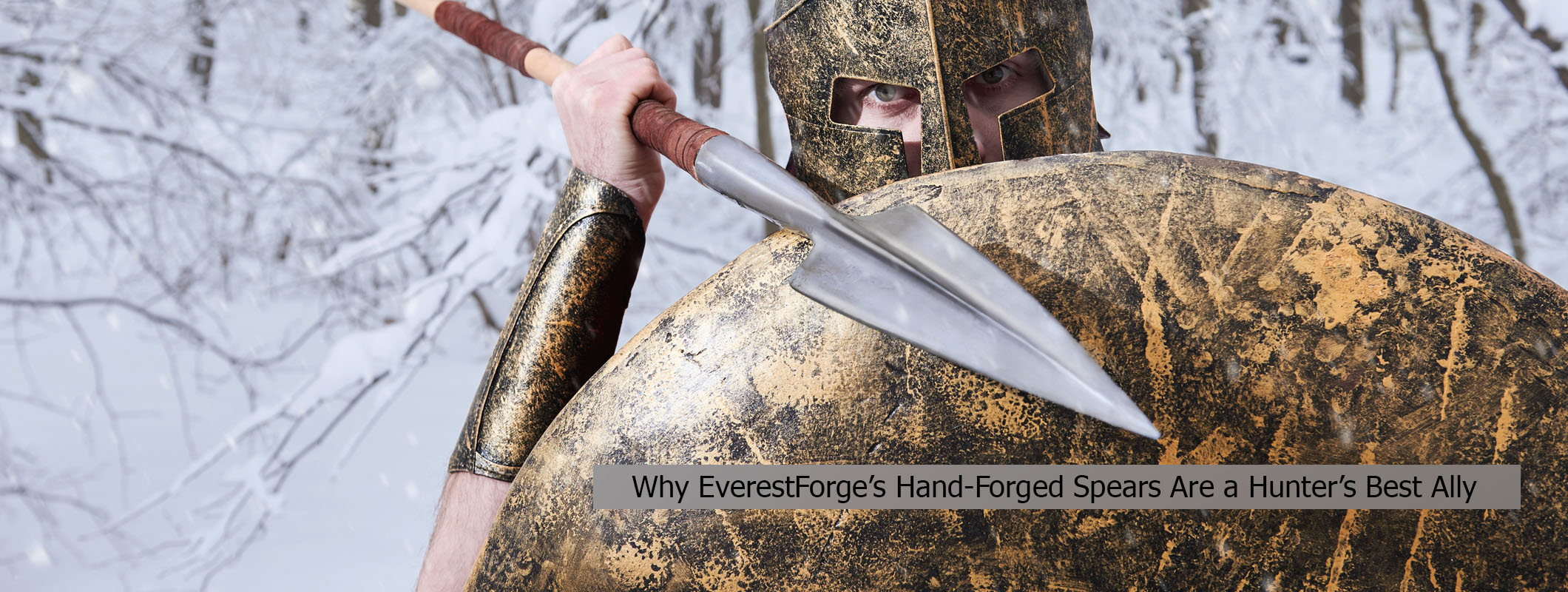
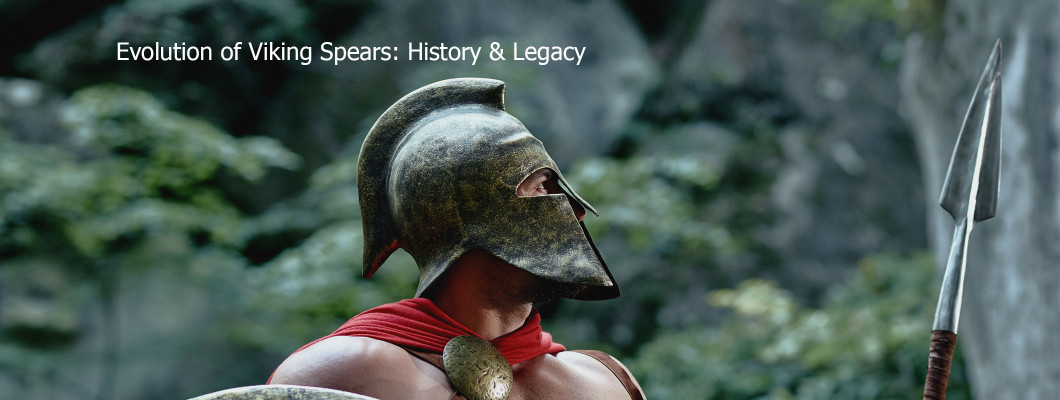
A warrior equipped with a spear and shield.
Modern Reconstructions and Viking Spears for Sale
Today, Viking spears remain popular among historians, reenactors, and collectors. Skilled craftsmen continue to forge them using traditional techniques, ensuring both authenticity and durability. These modern pieces offer enthusiasts a way to connect with Norse history, whether for reenactment, display, or study.
At Everest Forge our spears are hand-forged in Kathmandu, Nepal from 5160 high-carbon spring steel — full-tang, water-tempered, and sharpened. If you are looking for a Viking spear of your own, start with the authentic Viking Spear, explore the fantasy Shadow, Phantom, and Valkyrie spears, or browse the full hand-forged spear collection.
Everest Forge — Hand-Forged in Nepal Since 2012
Carry a Piece of Norse History
Hand-forged Viking, Norse, and fantasy spears in full-tang 5160 steel, shipped worldwide with tracking. Authentic war spears, ornate showpieces, and fully custom builds.
Shop All Spears → Request a Custom Spear → Ask a Question →Frequently Asked Questions About Viking Spears
What materials were Viking spears made from?
Viking spears typically had iron spearheads attached to wooden shafts, most often made of ash for its strength and flexibility. Modern hand-forged versions, like ours, use high-carbon spring steel for the head and hardwoods such as rosewood for the handle.
Were all Viking spears the same?
No. Vikings used several types, including heavy thrusting spears, lightweight throwing spears, and broad hunting spears. Some were also winged or lugged. You can see that range echoed across our own spear line today.
How long were Viking spears?
Most historical Viking spears measured between six and ten feet, depending on their intended purpose. Our modern Viking spears are made as shorter hand spears for display and handling, with full-length pole versions available as a custom build.
Did Vikings use spears for hunting?
Yes. Beyond warfare, spears were crucial for hunting large game and providing food for the community. Broad-headed hunting spears were a common and valued tool.
Where can I buy a Viking spear today?
Everest Forge hand-forges Viking and Norse spears in Kathmandu, Nepal and ships worldwide with tracking. Start with the authentic Viking Spear, explore the fantasy Shadow, Phantom, and Valkyrie spears, or browse the full hand-forged spear collection. You can also request a custom Viking spear built to your specification.
Conclusion: The Enduring Impact of the Viking Spear
The Viking spear was more than a weapon — it was a symbol of identity, status, and cultural pride. From prehistoric beginnings to its perfection in the Viking Age, it embodied both practical ingenuity and artistic expression. It shaped not only Norse warfare but also the development of later medieval arms.
Even today the Viking spear continues to inspire fascination. Whether displayed in museums, recreated by craftsmen, or studied by historians, it stands as a testament to Viking skill, resilience, and legacy. The spear remains one of the most enduring emblems of Norse culture and its place in history.