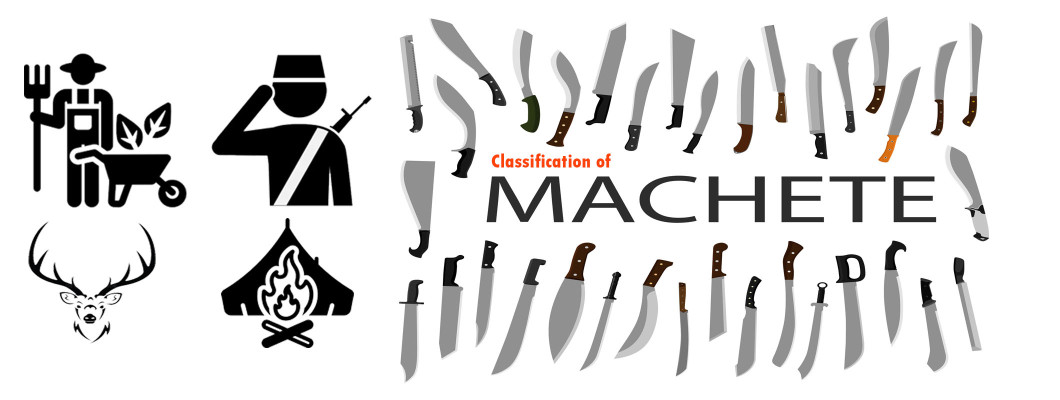
Why Machetes Must Be Classified by Function, Not Appearance
The machete is one of the most misunderstood edged tools in modern use. To many people, it appears to be a single, generic object—long blade, simple handle, broadly defined purpose. In reality, the machete represents a wide family of cutting implements shaped by specific tasks, environments, and design priorities.
Anyone with real field experience understands that small differences in blade length, curvature, balance, or thickness can dramatically change how a machete performs. A blade that works efficiently for clearing crops may become tiring or ineffective in dense vegetation. Likewise, a forward-weighted design intended for powerful cuts can feel awkward during long hours of repetitive work.
For this reason, machetes are best understood not by name or appearance, but by use, form, and functional design. This approach reflects how experienced edge-tool users and specialists evaluate blades in practice—by what they are meant to do, how they are shaped to do it, and how well those design choices serve their intended role.

How Machetes Are Properly Classified
A functional classification system answers three practical questions:
- Intended Use: What task or environment is the blade designed for?
- Form and Geometry: How do blade length, curvature, profile, and mass distribution support that task?
- Functional Design Features: What construction choices improve durability, control, balance, and longevity?
Unlike marketing labels or regional names, these criteria remain consistent indicators of how a machete will behave in real-world use.
Primary Classification: By Intended Use
Agricultural Machetes
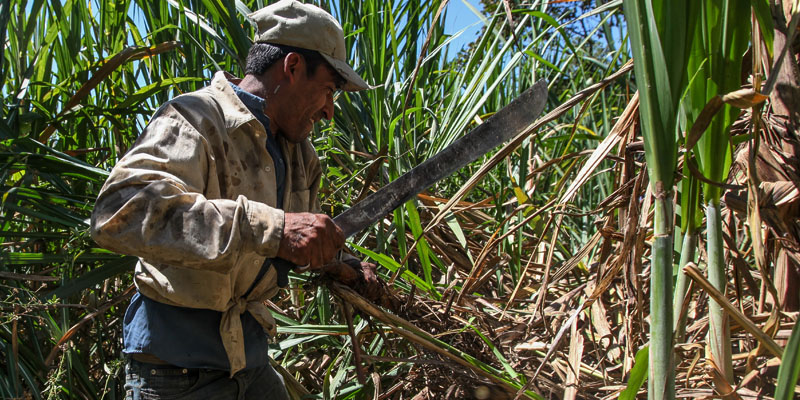
Agricultural machetes are designed for repetitive cutting in crops, grasses, and light vegetation—often over long periods. In this role, efficiency and fatigue management matter more than raw chopping power.
These machetes typically feature long usable cutting edges, moderate blade thickness, and balanced or slightly neutral weight distribution. They excel at slicing motions and controlled swings, making them well suited for sustained daily work.
Bushcraft Machetes
Bushcraft machetes are built for versatility rather than specialization. They are expected to handle trail clearing, firewood preparation, light limbing, and general camp tasks without feeling cumbersome or overly aggressive.
Balance and controllability are key design priorities. Excessive forward weight is usually avoided, as bushcraft work often requires accuracy and controlled cutting rather than maximum impact force.
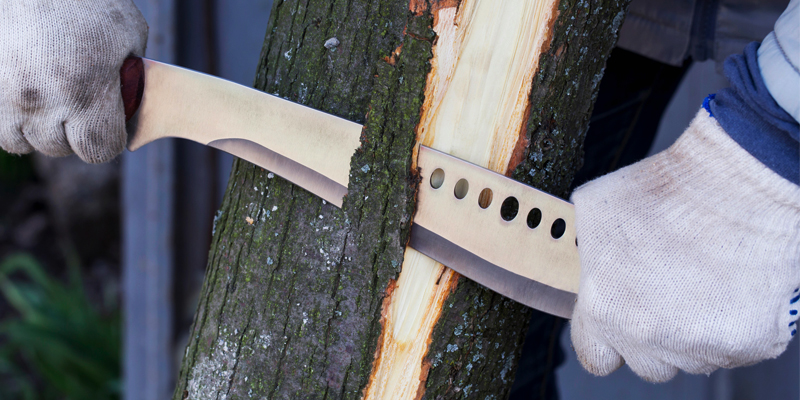
Survival Machetes
Survival machetes are defined less by task variety and more by construction strength. While they may perform similar jobs to bushcraft blades, their design emphasizes durability and resistance to hard use.
Common features include thicker spines, reinforced tangs, and robust handle construction. These machetes may sacrifice some cutting refinement in exchange for reliability in uncertain or demanding conditions.
Tactical Machetes
From a classification standpoint, “tactical” refers more to a modern design philosophy than to a unique functional role. Tactical machetes often overlap in use with survival and bushcraft tools.
They typically incorporate contemporary blade profiles, modern handle ergonomics, and non-reflective finishes. Performance, however, still depends on geometry, heat treatment, and construction—not the label itself.
Combat-Style Machetes
Combat-style machetes are shaped by historical fighting traditions rather than agricultural or field efficiency. Their defining characteristics relate to reach, momentum, and cutting mechanics influenced by combative use.
In modern contexts, these designs are most commonly encountered in historical study, martial training, or private collections. They are classified by design intent and geometry rather than everyday application.
Secondary Classification: By Form and Geometry
Blade Length and Reach
Blade length has a direct effect on leverage, reach, and user fatigue. Longer blades generate greater cutting power through momentum but require more space and stamina. Shorter blades favor control and efficiency in confined environments.
- Short and Compact Machetes: Emphasize maneuverability and one-handed control.
- Standard Field Machetes: Balance reach and handling for mixed vegetation.
- Long Blade and Sword-Style Machetes: Prioritize extended reach and powerful cutting arcs.
Curvature and Mass Distribution
Blade curvature determines how force transfers through the edge during a cut. It also influences how naturally the blade bites into vegetation.
- Straight Blades: Offer predictable control and precision.
- Forward-Curved Blades: Place mass toward the front, increasing cutting power.
- Hybrid or Recurved Designs: Balance slicing efficiency with chopping force.
Design-Based Classification: Construction and Finish
Decorative and Etched Machetes
Decorative machetes retain functional geometry while incorporating visual elements such as engraving, etching, or polished finishes. They are often created for display, collection, or ceremonial ownership while remaining structurally functional.
Fantasy and Concept Machetes
Fantasy machetes are driven primarily by aesthetic intent. Their designs may exaggerate blade shapes, proportions, or symbolic elements beyond traditional functional constraints.
While some remain usable tools, this category is defined by visual identity rather than optimized cutting performance.
Why Functional Classification Matters in Practice
Choosing a machete based on appearance alone often leads to poor results. A blade optimized for agricultural slicing may struggle in dense brush, while a heavy forward-weighted machete can quickly exhaust the user during repetitive work.
Functional classification helps match design to purpose, improving efficiency, reducing fatigue, and supporting safer handling. It allows the tool to work with the user rather than against them.
When a Standard Category Is Not Enough
Not all users fit neatly into predefined categories. Some require specific blade lengths, custom weight distribution, unique handle materials, or specialized geometry tailored to their environment or working style.
In these cases, a purpose-built blade becomes the most practical solution.
Need a machete built specifically for your use?
A custom-forged machete allows you to define blade length, profile, balance, steel thickness, and handle construction based on real working requirements rather than generic categories.
Request a Custom Forged MacheteHow This Article Differs From “Types of Machetes”
This article focuses on functional classification—how machetes are grouped by use, geometry, and design intent. Regional names, cultural origins, and historically defined blade families are best examined separately under discussions of machete types.
Both perspectives are valuable. One explains what a machete is called and where it comes from. The other explains what it is designed to do and why it is shaped the way it is.
Viewing the Machete as a Purpose-Driven Tool
The machete is not a single, universal implement, but a broad range of edged tools shaped by work requirements, environment, and intent. When examined through the lens of use, form, and functional design, these differences become clear and practical rather than cosmetic.
Understanding classification allows users to move beyond labels and focus on performance. It leads to better tool selection, more efficient work, and safer handling by aligning blade design with real-world conditions.
When approached this way, the machete stops being a generic blade and becomes what it has always been in skilled hands—a purpose-driven cutting tool whose geometry reflects the job it was built to do.