Why Machetes and Swords Are Often Confused
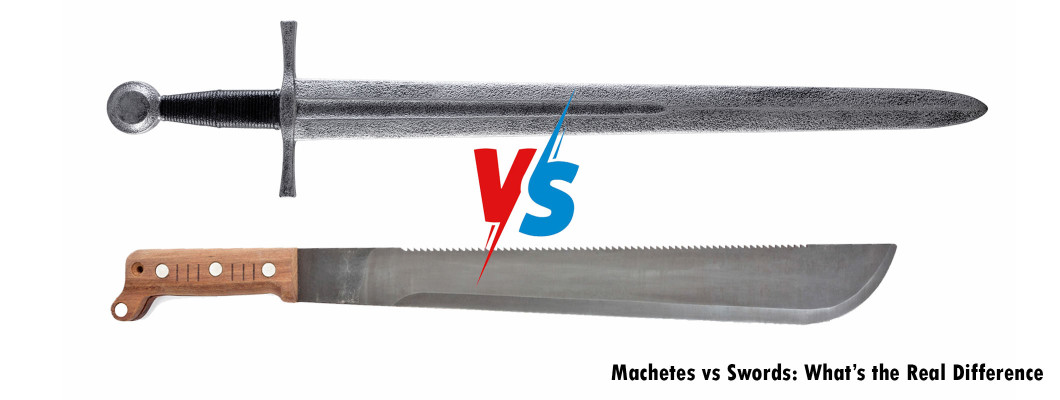
Machetes and swords are frequently compared because, at a glance, they share a similar silhouette. Both are long blades. Both are meant to cut. And both appear regularly in films, survival discussions, and online debates.
But similarity in shape does not mean similarity in purpose. Machetes and swords were developed to solve very different problems. One evolved as a working tool shaped by daily labor and outdoor necessity. The other evolved as a weapon shaped by combat, discipline, and battlefield realities.
Understanding that difference explains everything else — from blade geometry and balance to durability, handling, and even how modern laws often classify them.
What a Machete Is Designed to Do
A machete is, first and foremost, a working blade. In many parts of the world, it is considered an everyday tool rather than a special item. Farmers, laborers, and outdoor workers rely on it because it is simple, effective, and resilient.
The practical origins of the machete
Machetes developed in regions where vegetation grows fast and thick. Clearing trails, harvesting crops, and maintaining land required a blade that could cut repeatedly without chipping, snapping, or demanding constant maintenance.
Over time, different regions adapted the machete to local needs. While names and shapes vary, the core philosophy stayed the same: a blade that keeps working under rough conditions.
Design logic behind a machete
Machetes are built with utility in mind:
- Simple, forgiving blade geometry that tolerates imperfect strikes
- Forward-weighted balance to assist chopping and clearing
- Minimal or no guard because the tool is used with repetitive, controlled motions
- Tough heat treatment focused on durability rather than fine edge refinement
Common machete uses
- Clearing brush, vines, and tall grass
- Agricultural work such as harvesting sugarcane and similar crops
- Outdoor and camp utility tasks
- Survival situations where a robust cutting tool is needed
In some historical contexts, machetes have been used in conflict, but this was an adaptation of a tool — not the reason it was originally designed.
What a Sword Is Designed to Do
A sword is a weapon-first design. Every element of its construction exists to support combat performance, whether in warfare, dueling, or structured martial training.
The historical role of swords
Swords appeared when metalworking advanced enough to allow long blades that could survive repeated combat. Across cultures, swords became associated with warriors, soldiers, and social status.
Unlike machetes, swords were rarely everyday items. They required skill to use effectively and were often expensive to produce.
Design logic behind a sword
- Carefully calculated balance for speed, recovery, and control
- Defined hilts, guards, and pommels to protect the hand and aid handling
- Blade cross-sections optimized for cutting, thrusting, or both
- Geometry that rewards technique rather than raw force
Common sword uses
- Historical warfare and dueling
- Modern martial arts and training
- Collection, display, and ceremonial roles
The Core Difference: Tool Logic vs Weapon Logic
The most important distinction between machetes and swords is not appearance, but intent.
- A machete is designed to keep working. It is expected to strike vegetation, wood, and uneven targets without failure.
- A sword is designed to fight. It is expected to move quickly, recover smoothly, and respond precisely to the user’s control.
This difference influences blade thickness, balance, edge geometry, and overall handling.
Machetes vs Swords: Side-by-Side Comparison
| Category | Machete | Sword |
|---|---|---|
| Primary purpose | Utility tool for cutting and clearing vegetation | Weapon designed for combat and controlled strikes |
| Design focus | Durability and efficiency in rough conditions | Balance, speed, and precision |
| Blade geometry | Simple, forgiving edge and profile | Refined cross-sections for combat performance |
| Balance | Often forward-weighted | Carefully centered near the hilt |
| Hand protection | Minimal or none | Guard and hilt features are common |
| Skill requirement | Effective with basic technique | Greatly benefits from training |
| Legal treatment (general) | Often classified as a tool | Often classified as a weapon |
Handling Differences You Feel Immediately
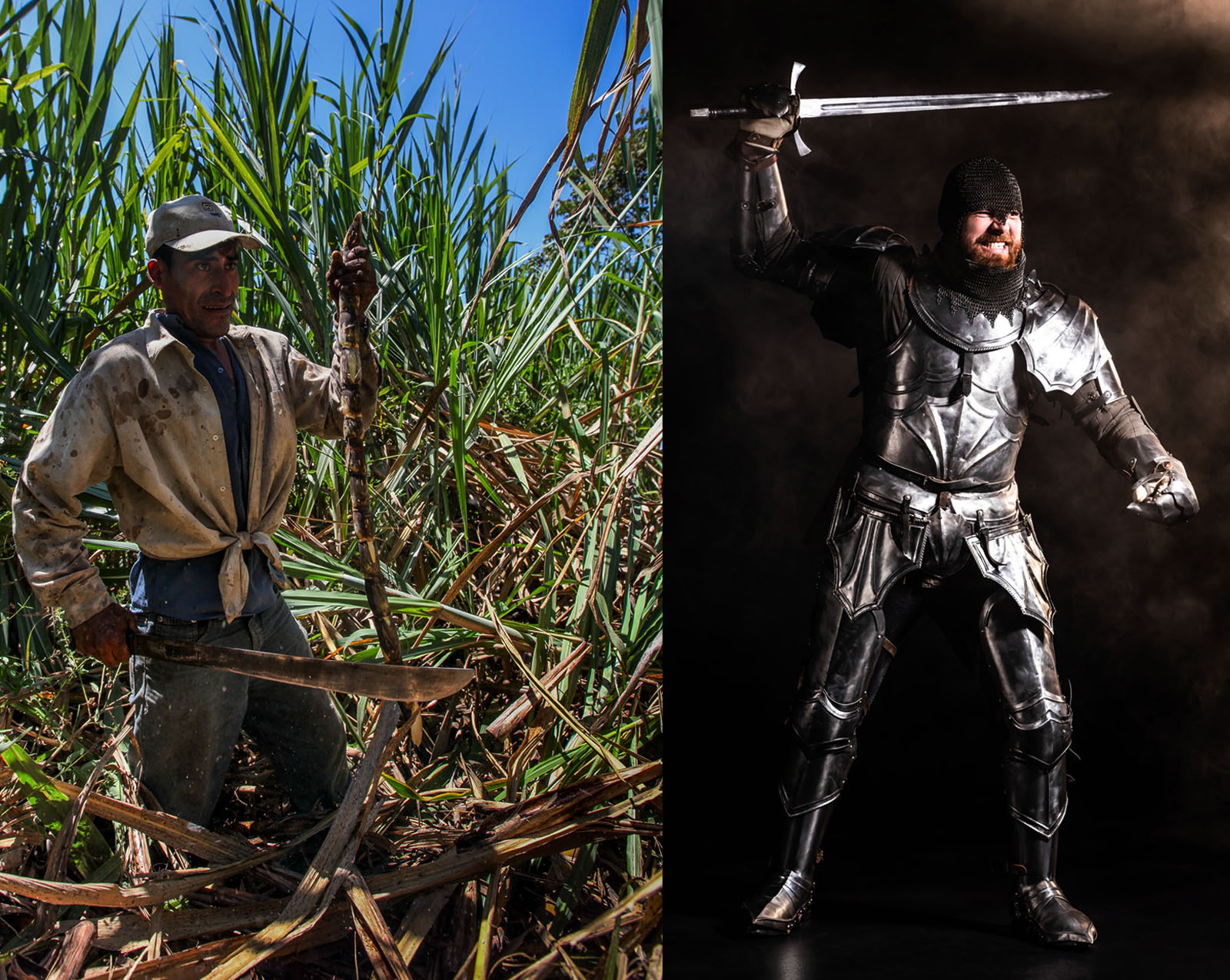
In use, the difference becomes obvious within minutes.
Machetes tend to feel as though they “fall into” the cut. Their weight distribution supports repetitive chopping without demanding perfect edge alignment.
Swords feel more responsive and controlled. They are designed to change direction quickly and recover after each movement, which is critical in combat scenarios.
Durability, Edge Retention, and Real-World Use
Machetes are usually tougher in dirty, uncontrolled environments. They are expected to survive accidental impacts with soil, wood, and uneven material.
Swords often excel at clean, controlled cutting but can suffer damage if used for tasks they were never designed to perform.
Where the Line Becomes Blurred
Some blades sit between the categories of machete and sword. Heavy jungle knives and traditional working blades sometimes served both utility and martial roles, depending on culture and era.
These hybrid designs are often the source of confusion, especially in modern marketing where names are chosen for appeal rather than accuracy.
Which One Makes Sense for You?
If your needs involve outdoor work, survival, or vegetation clearing, a machete is usually the correct and practical choice.
If your interest lies in historical weapons, martial training, or collecting, a sword offers handling characteristics and cultural depth that a tool-focused blade does not.
Machetes and swords are not competing tools. They are answers to different needs.
A machete is shaped by labor and environment. A sword is shaped by combat and tradition. When each is judged by its intended purpose, both make complete sense — exactly as they are.
Explore Hand-Forged Machetes
If you’re looking for a blade built for real outdoor work, a machete is the practical choice. From vegetation clearing to heavy-duty utility use, our hand-forged machetes are made with durability, balance, and function in mind.
View Everest Forge MachetesDiscover Hand-Forged Swords
For those drawn to history, craftsmanship, and weapon-focused design, a sword offers something entirely different. Our hand-forged swords are built with attention to balance, structure, and traditional forms, suitable for collectors and serious enthusiasts.
View Everest Forge Swords