Kami Craftsmanship: Where the Kukri/Khukuri Tradition Truly Begins
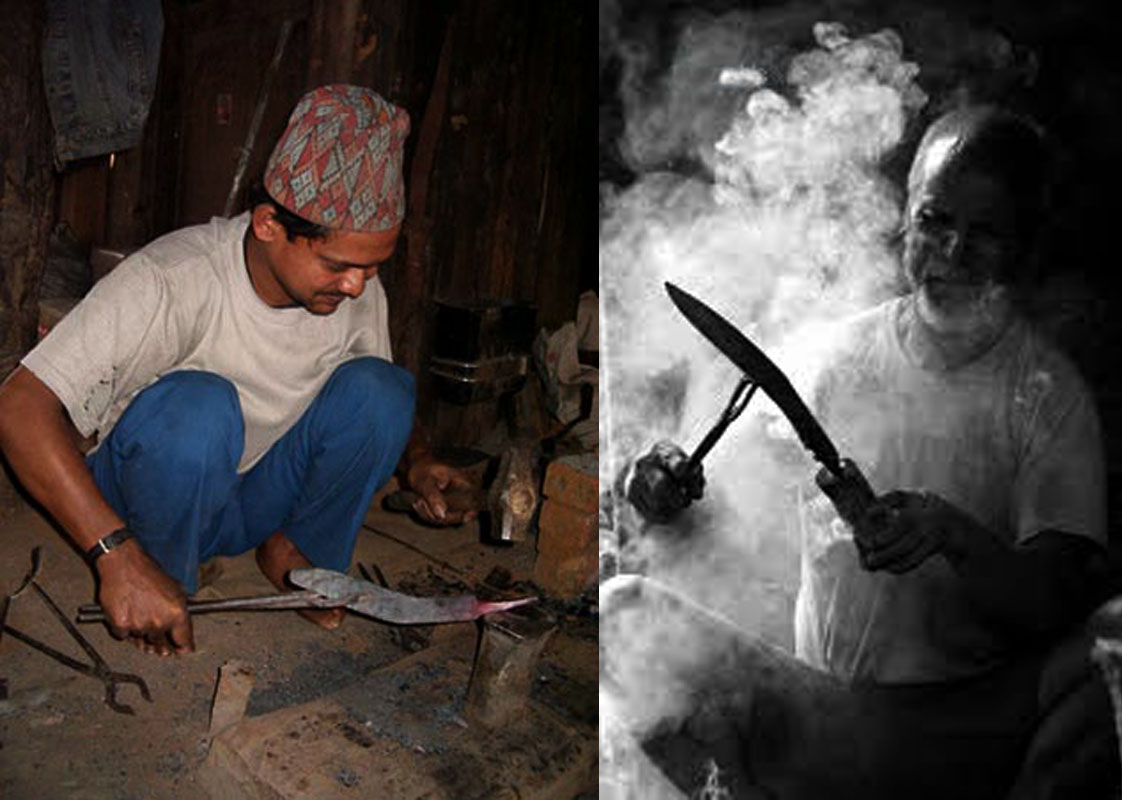
When discussing who forges the best kukri or khukuri , it is impossible to ignore the role of the Kami, also known as Bishwakarma (BK). For centuries, kukri/khukuri forging has been a lifelong craft within Kami families—learned not through formal training, but through daily exposure to the forge, the steel, and the demands of real use.
Most Kamis begin learning as children, watching elders shape blades, balance weight, and judge steel by color and sound. Over time, this creates an instinctive understanding of how a kukri should feel, cut, and endure. This depth of experience is why traditional kukris forged by Kamis often feel naturally balanced and purpose-built.
Unforgeable Discrimination and the Endurance of Kami Blacksmiths
For generations, Kamis lived with discrimination that could not be erased by skill or service. Although their work was essential to survival—forging farming tools, household implements, and blades used by soldiers and kings—their profession was placed at the bottom of the social hierarchy. This created a deep contradiction: society depended on Kami craftsmanship, yet denied the craftsmen themselves dignity, equality, and recognition.
What endured was not the discrimination, but the Kami spirit. The forging tradition survived through discipline, inherited knowledge, and a quiet sense of responsibility to the craft itself. Kukri making and tool forging continued not because Kamis were rewarded, but because they understood their role as guardians of a living skill. Their resilience ensured that the blade, and the knowledge behind it, could never be broken—even when the people who forged it were marginalized.
How Times Are Changing in Modern Nepal
Today, this reality is gradually changing. Social awareness, education, and economic shifts are helping break down old caste barriers. Kami craftsmanship is increasingly recognized for what it truly is: a highly specialized skill, not a social rank.
Modern platforms, global interest in kukris and khukuris , and direct customer relationships have allowed Kami makers to step forward as respected artisans rather than invisible laborers. Pride in the craft is replacing silence, and recognition is replacing neglect.
Other Castes and New Generations Entering Kukri Forging
Alongside this change, kukri forging in Nepal is no longer limited strictly to Kamis. In recent years, people from other castes and backgrounds have also begun forging kukris and khukuris—some learning directly from Kamis, others entering through modern bladesmithing paths.
This shift does not weaken the tradition. In many cases, it helps preserve it. When knowledge is shared respectfully and the kukri’s functional principles are honored, the craft can continue to evolve without losing its identity.
However, it is important to recognize that lifelong Kamis still hold a unique position. Their advantage lies not only in technique, but in inherited understanding—knowledge shaped by generations of repetition, correction, and lived use.
Can a Master Swordsmith Forge a Kukri or Khukuri?
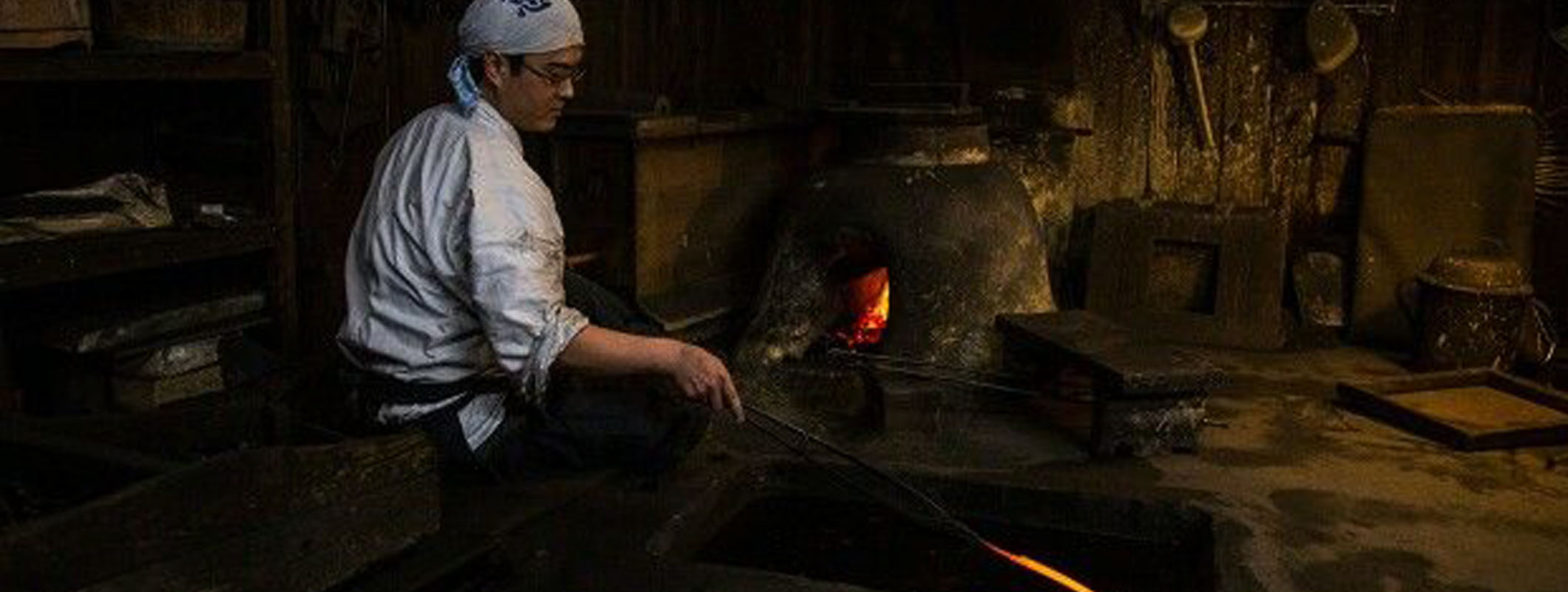
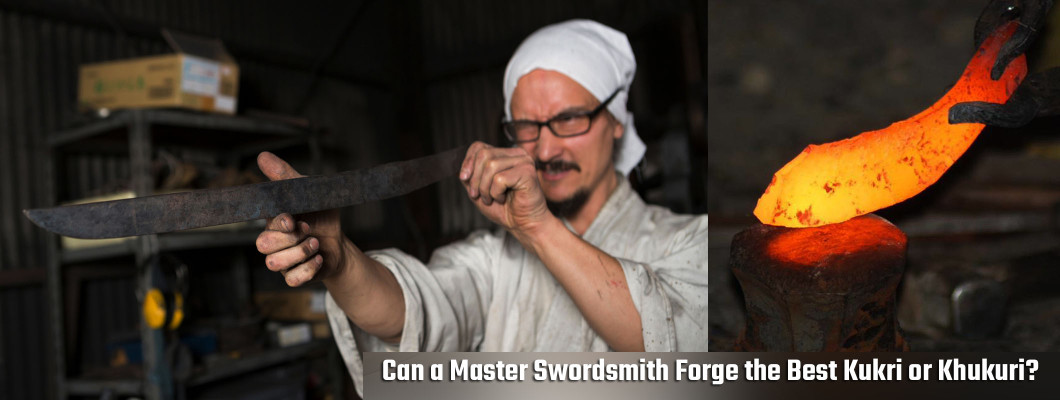
From a technical standpoint, yes—a master swordsmith can forge a kukri or khukuri. Skilled swordsmiths understand steel, heat treatment, and blade geometry. They can produce a kukri-shaped blade with excellent materials and finishing.
What often differs is the instinctive sense of balance and purpose that defines a true working kukri. Without long-term exposure to kukri use and tradition, even well-made blades may feel unfamiliar in real-world application.
Why Kukri/Khukuri Forging Demands Specialized Understanding
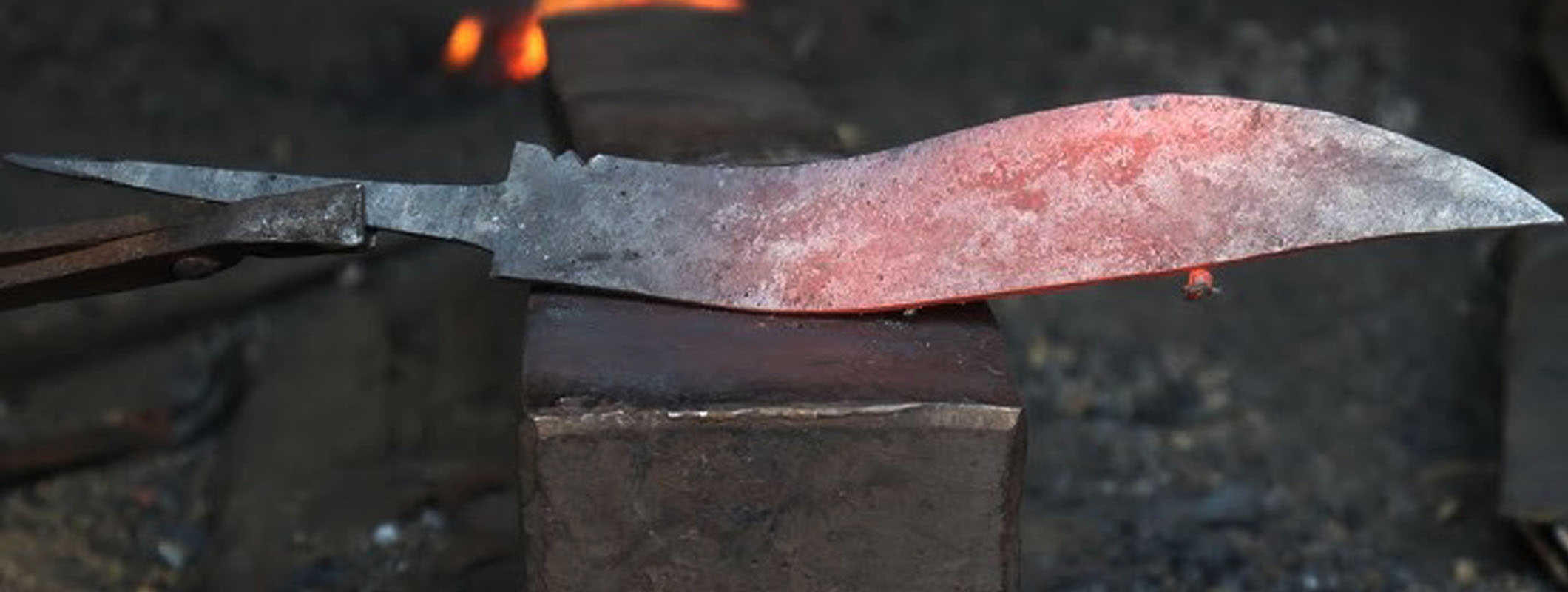
The kukri is defined by forward balance, cutting authority, and controlled power. These qualities depend on subtle decisions in blade profile, thickness, edge geometry, and handle shape. Kamis refine these details not through theory, but through constant feedback from use.
This is why many kukris forged outside traditional contexts may look correct, yet feel inefficient or awkward in the hand.
So, Can a Master Swordsmith Forge the Best Kukri or Khukuri?
Yes, technically—but not better than a lifelong Kami, whose expertise is inherited, practiced daily, and culturally embedded. While modern Nepal is opening the craft to new makers and backgrounds, the finest kukris and khukuris are still most often forged by those who have lived this tradition across generations.
Everest Forge Perspective
At Everest Forge, we believe respecting the kukri means respecting its people. We honor Kami knowledge, acknowledge historical injustice, and support a future where skill defines value—not caste. Tradition and progress are not enemies; when balanced correctly, they strengthen the craft.
Kami Today: A Profession, Not a Caste
In modern Nepal, the word Kami is increasingly understood not as a caste label, but as a profession defined by skill. What once described a community bound by social hierarchy is now being reclaimed as a title of craftsmanship, experience, and technical mastery.
Today’s Kami blacksmiths are recognized for what they do—not where they come from. Kukri and khukuri forging is no longer seen as a social position, but as a respected trade that demands discipline, knowledge, and responsibility. Many skilled makers now proudly identify as craftsmen first, passing their knowledge to anyone willing to learn with respect and dedication.
This shift reflects a broader change within Nepal itself: where tradition is preserved, discrimination is challenged, and skill defines value. The kukri continues to evolve, but its foundation remains rooted in people who forge with understanding, purpose, and lived experience.
Who Forges the Best Kukri or Khukuri?
The best kukri or khukuri is forged by skilled Nepali Kami blacksmiths who carry generations of practical forging knowledge. Their expertise is not defined by caste, but by years spent shaping steel, understanding balance, heat control, and real-world use.
A well-made kukri is the result of experience passed through hands, not theory alone. Nepali Kamis learn by doing—observing the forge, correcting mistakes, and refining technique over time. This lived knowledge allows them to create kukri and khukuri blades that are functional, balanced, and built for real work rather than display.
Today, anyone with discipline and respect for the craft can learn kukri forging, but the finest examples still come from those who have grown up inside the tradition. Skill, responsibility, and understanding—these are what truly define the makers of the best kukri.
Explore Authentic Kukri & Khukuri Blades
Discover traditional kukri and khukuri blades forged by Nepalese blacksmiths (Kamis), carrying generations of skill, discipline, and real working heritage.
Explore Khukuri Collection