Introduction to Traditional Nepali Kukri Blade Shapes
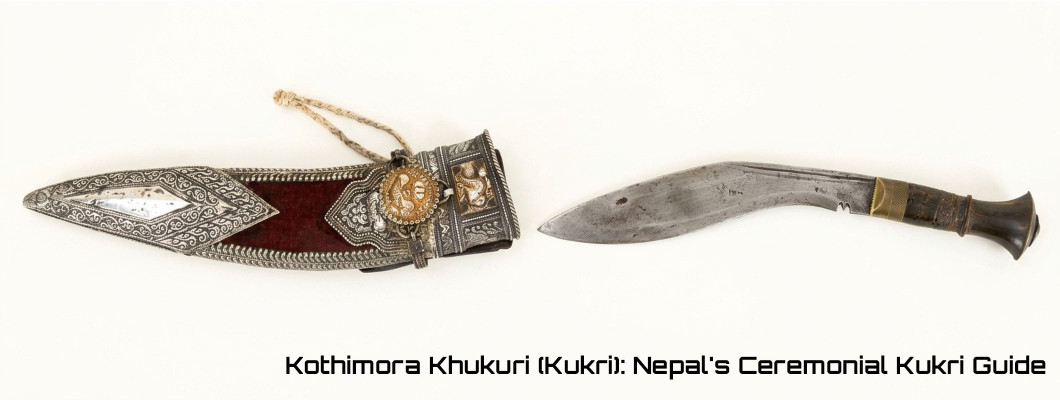
The kukri—traditionally written as khukuri—is one of Nepal’s most recognizable cultural tools. While the forward curve of the blade is universal, the specific shapes vary widely across regions. Local terrain, daily work, and cultural customs all influenced how each style developed, creating a rich diversity of forms used throughout the country.
Those who want to explore the deeper heritage, symbolism, and evolution of this blade can learn more on the main kukri information page, where its origins and cultural significance are explained in detail.
Table of Traditional Kukri Types
| Kukri Type | Blade Features | Primary Use |
|---|---|---|
| Sirupate | Slim, narrow, grass-blade profile | Quick cutting, martial movements |
| Bhojpure | Broad, thick spine, heavy belly | Ceremonial use, powerful chopping |
| Budhune | Short, compact, wide belly | Daily household and field tasks |
| Baspate | Smooth curve, balanced | General-purpose work |
| Angkhola | Single fuller, reduced shock | Farming, clearing, outdoor use |
| Chirra | Two or three fullers, reinforced spine | Heavy-duty chopping, mountain regions |
| Dragon Kukri | Decorative engravings | Ceremonial gifting, cultural display |
| Salyani | Deep, sweeping curve | Agricultural slicing and long cuts |
Sirupate Kukri
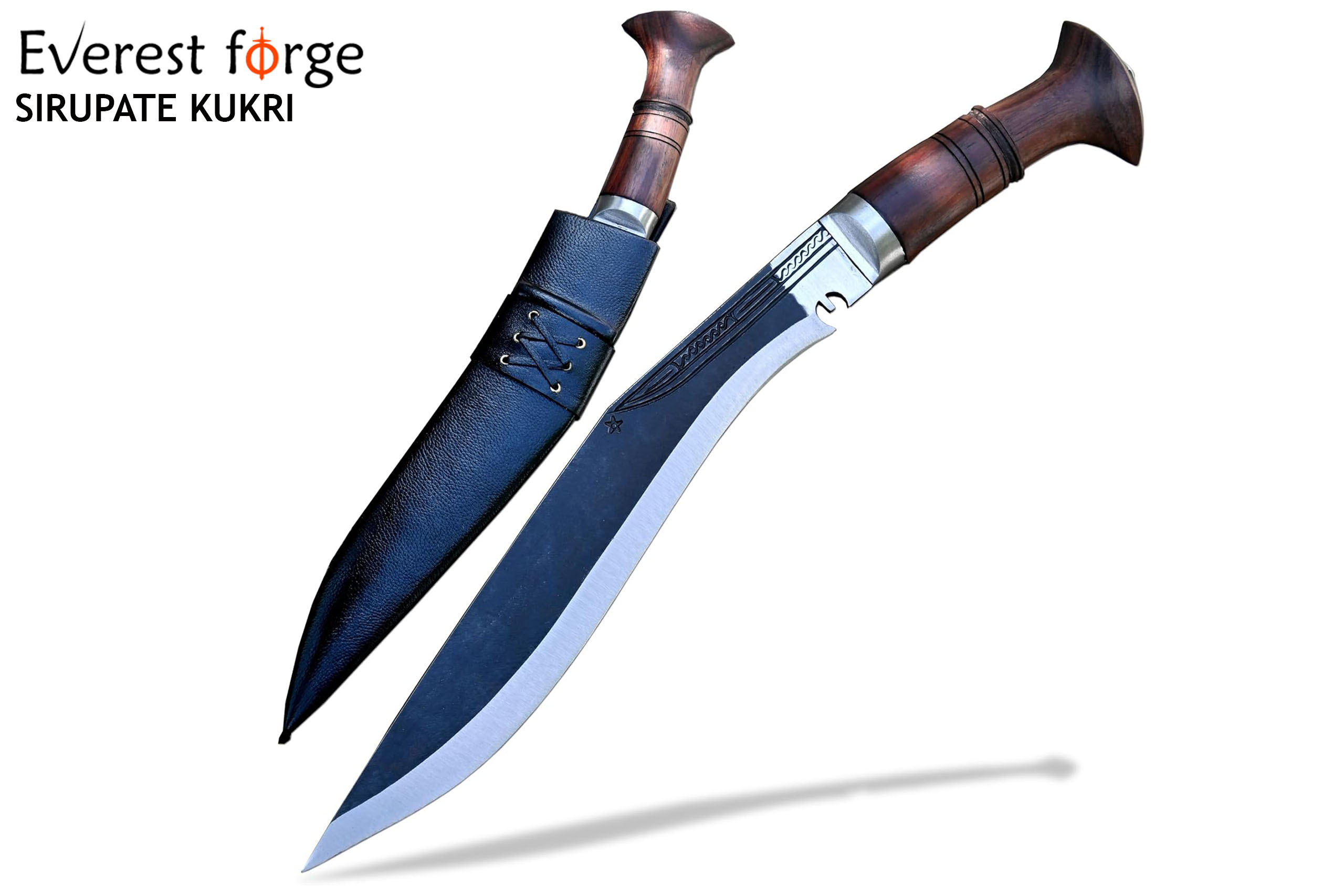
The Sirupate takes inspiration from the long, slender blades of siru grass. Its narrow profile gives it a lively, responsive feel that is ideal for quick and precise movements. Unlike heavier working models, the Sirupate emphasizes agility and control, making it well suited for traditional martial drills and refined cutting techniques.
This style remains popular across Nepal, especially in regions where lightness and speed are valued. Similar heritage patterns can be seen among many traditional Nepali kukri designs.
Bhojpure Kukri
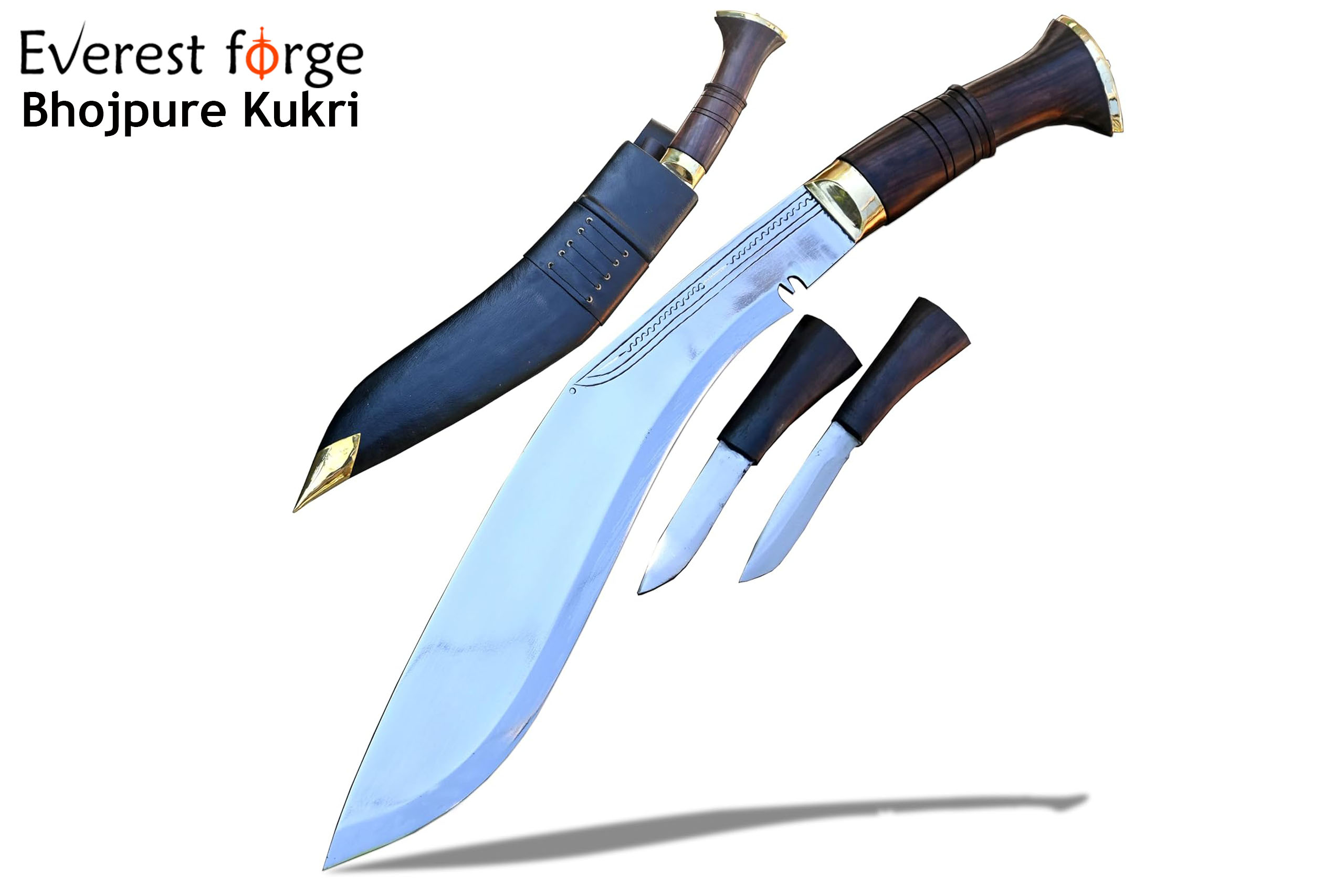
Forged in the historic district of Bhojpur, this blade is known for its pronounced belly and dense forward weight. The design produces tremendous chopping force, allowing it to cut through thick branches and heavier materials with ease. Its broad surface and sturdy spine also make it suitable for ceremonial practices, particularly during festivals.
Because of its cultural importance, families often preserve Bhojpure khukuris for generations, sometimes decorated with brass or engraved details.
Budhune Kukri
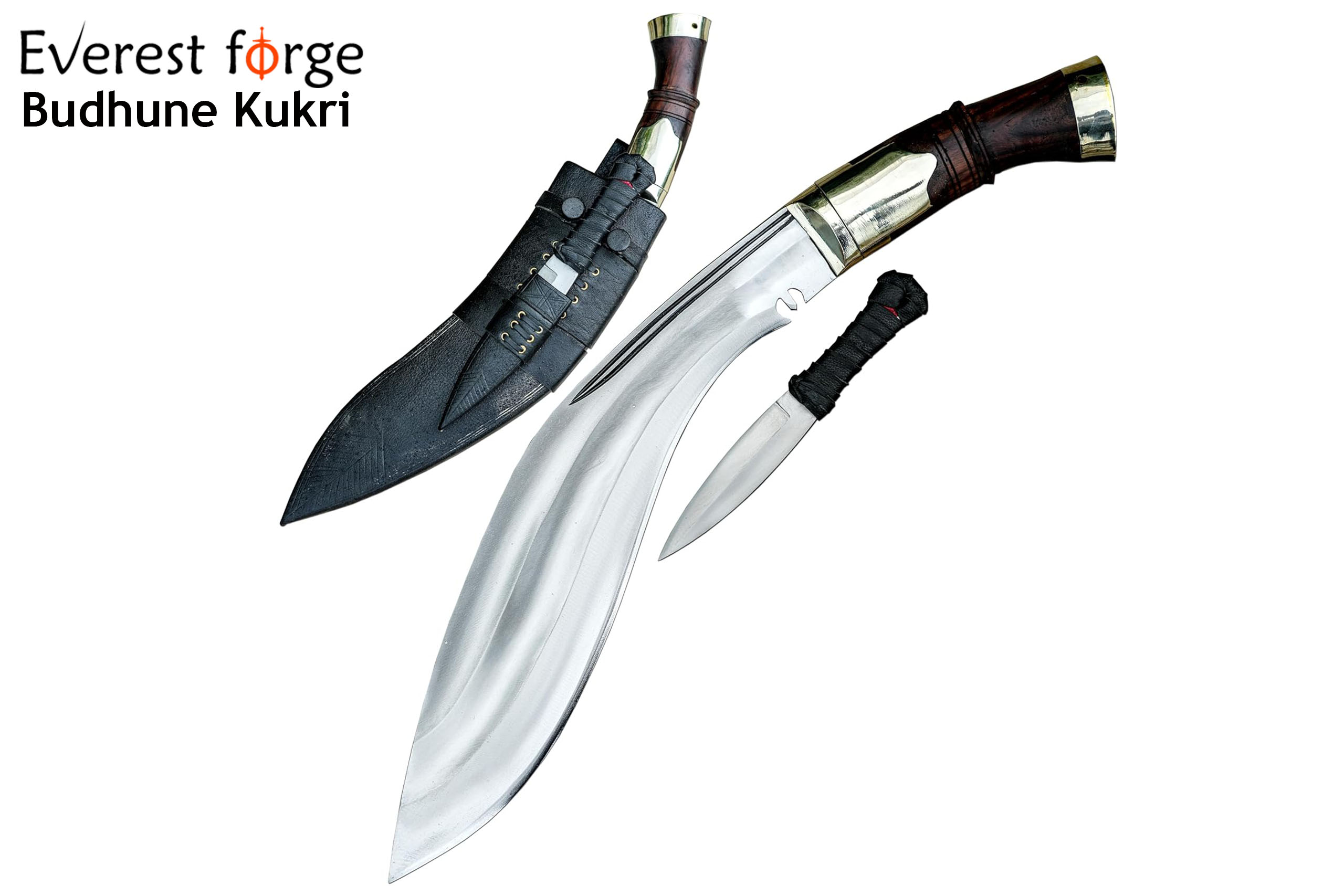
The Budhune is compact, wide at the belly, and extremely practical for the daily routines of rural households. Its shorter length makes it easy to maneuver in tight spaces while still offering enough weight to perform meaningful cutting work. It is commonly used for preparing animal feed, trimming wood, clearing small bushes, and general household tasks.
This shape remains one of the most common utility blades in village life because of its convenience and versatility.
Baspate Kukri
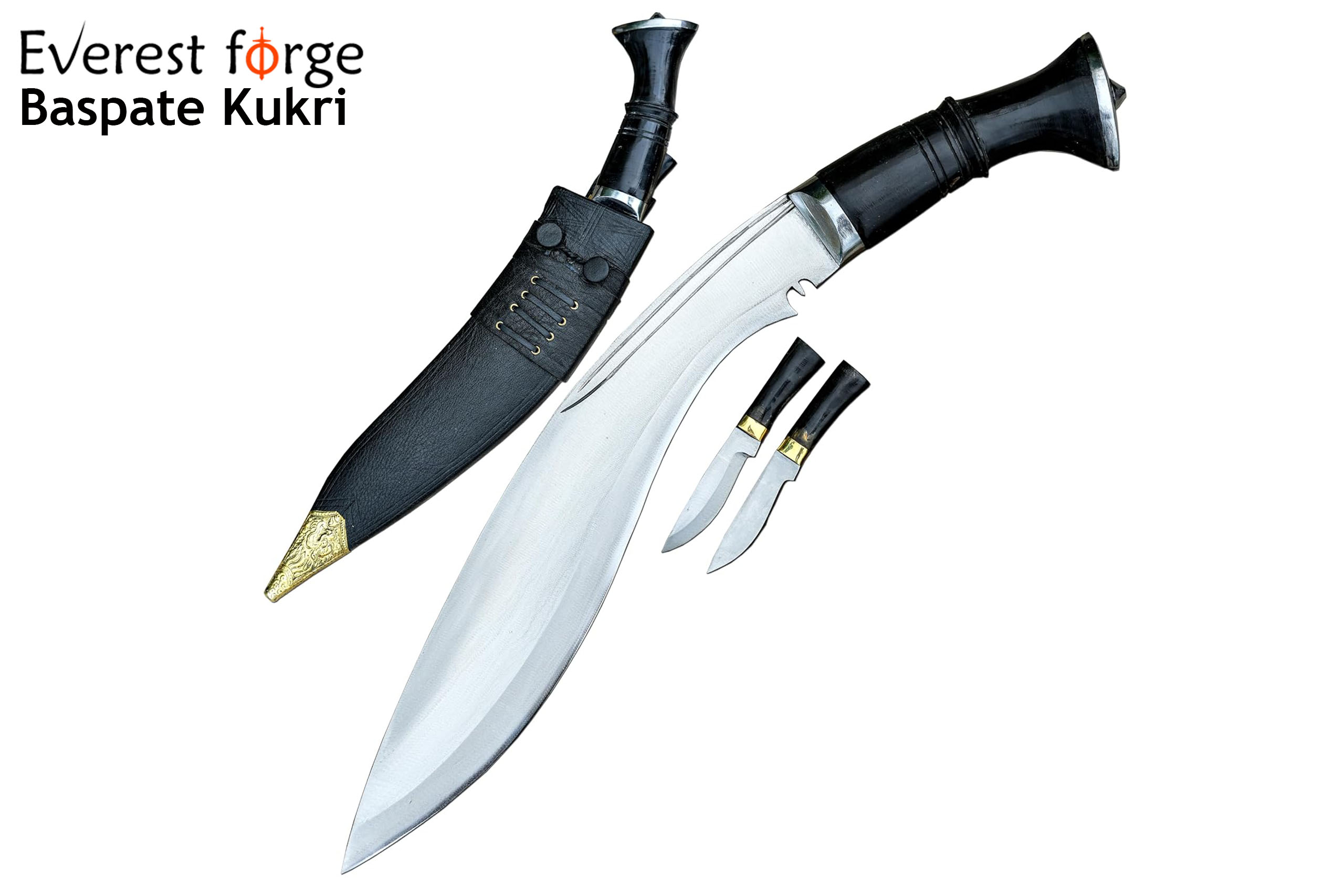
A smooth curve and even weight distribution define the Baspate. Designed as a multipurpose blade, it offers dependable performance across a wide variety of tasks. It is neither too slim nor too heavy, giving it a comfortable handling profile for both slicing and moderate chopping. Households that needed one blade capable of kitchen preparation, outdoor work, and occasional chopping often favored this balanced form. The name “Baspate” itself comes from its blade shape, which resembles a bamboo leaf—gently curved and naturally tapered.
Angkhola Kukri
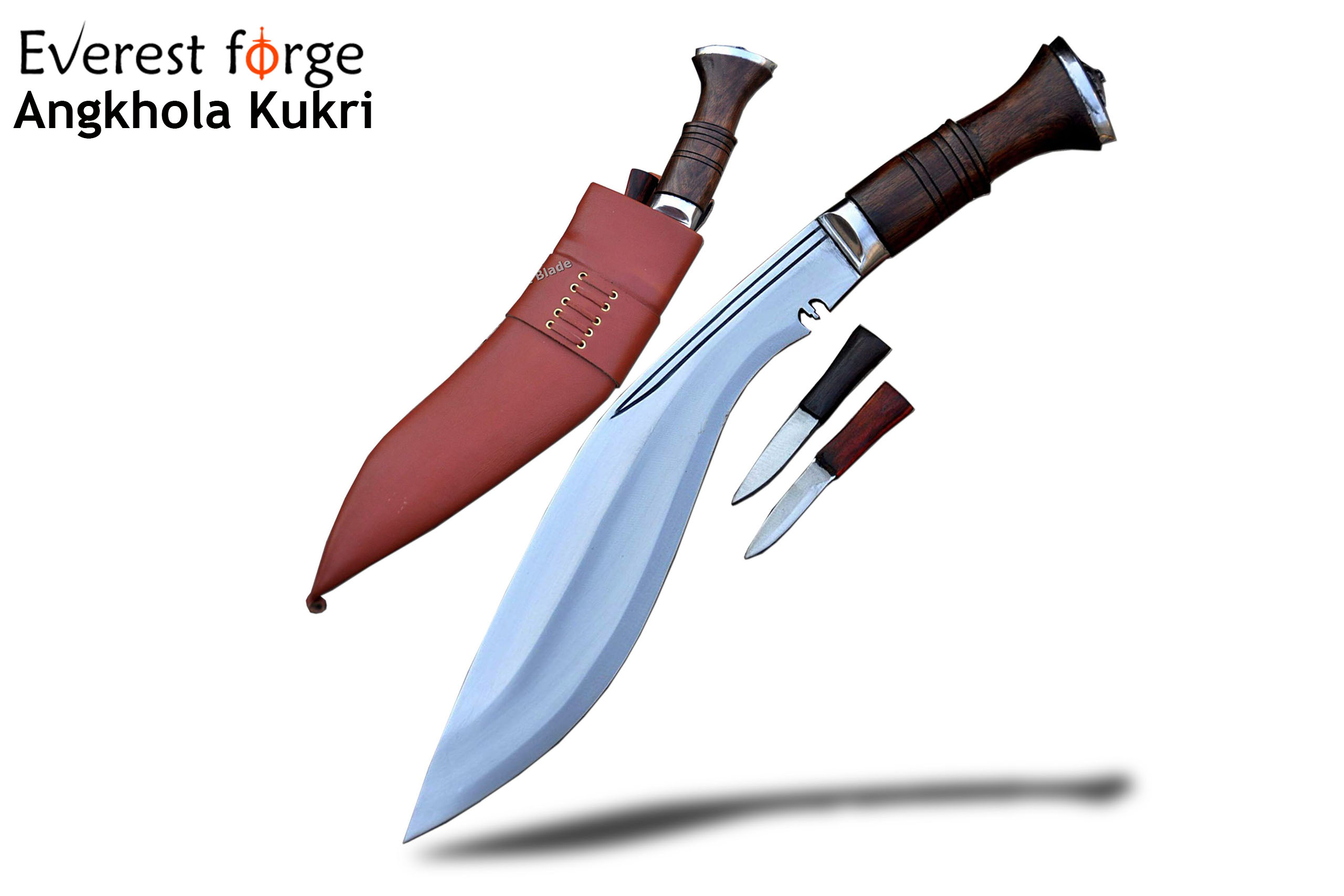
Distinguished by its single fuller, the Angkhola design reduces vibration and makes repeated chopping more comfortable. The fuller also strengthens the blade by distributing impact energy more evenly across its length. This makes the Angkhola an excellent choice for farming, wood gathering, and general outdoor work.
Many of the working blades in the authentic kukri collection follow similar principles of durability and balanced weight.
Chirra Kukri
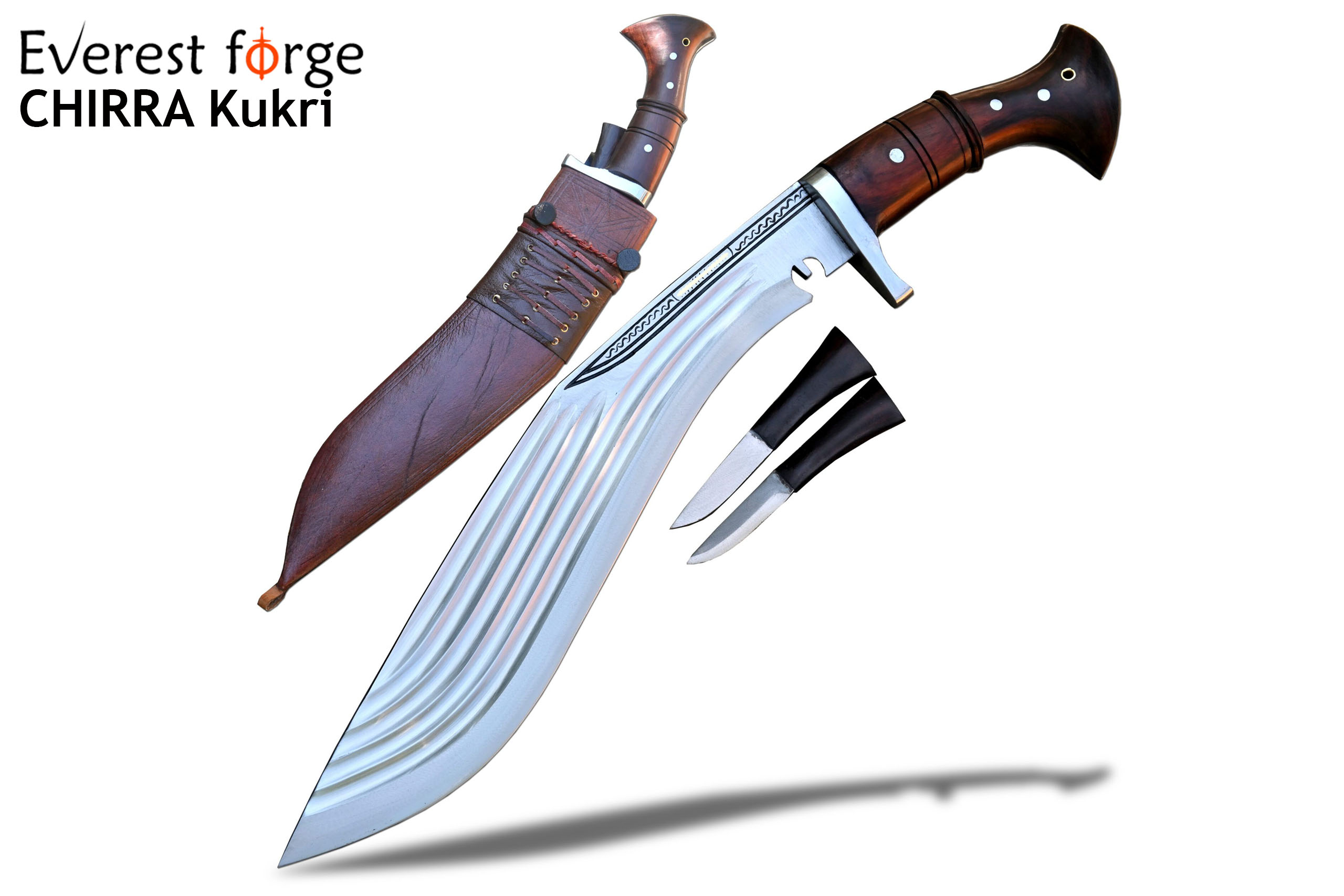
The Chirra style expands on the Angkhola’s concept by incorporating multiple fullers—usually two or three. These grooves add strength, reduce weight, and significantly improve flexibility under stress. As a result, Chirra blades are highly resistant to bending or cracking, even during intense chopping.
This design is prized in regions where the blade must endure rugged terrain and demanding agricultural or forestry tasks. It appears prominently in the Chirra kukri category.
Dragon Kukri
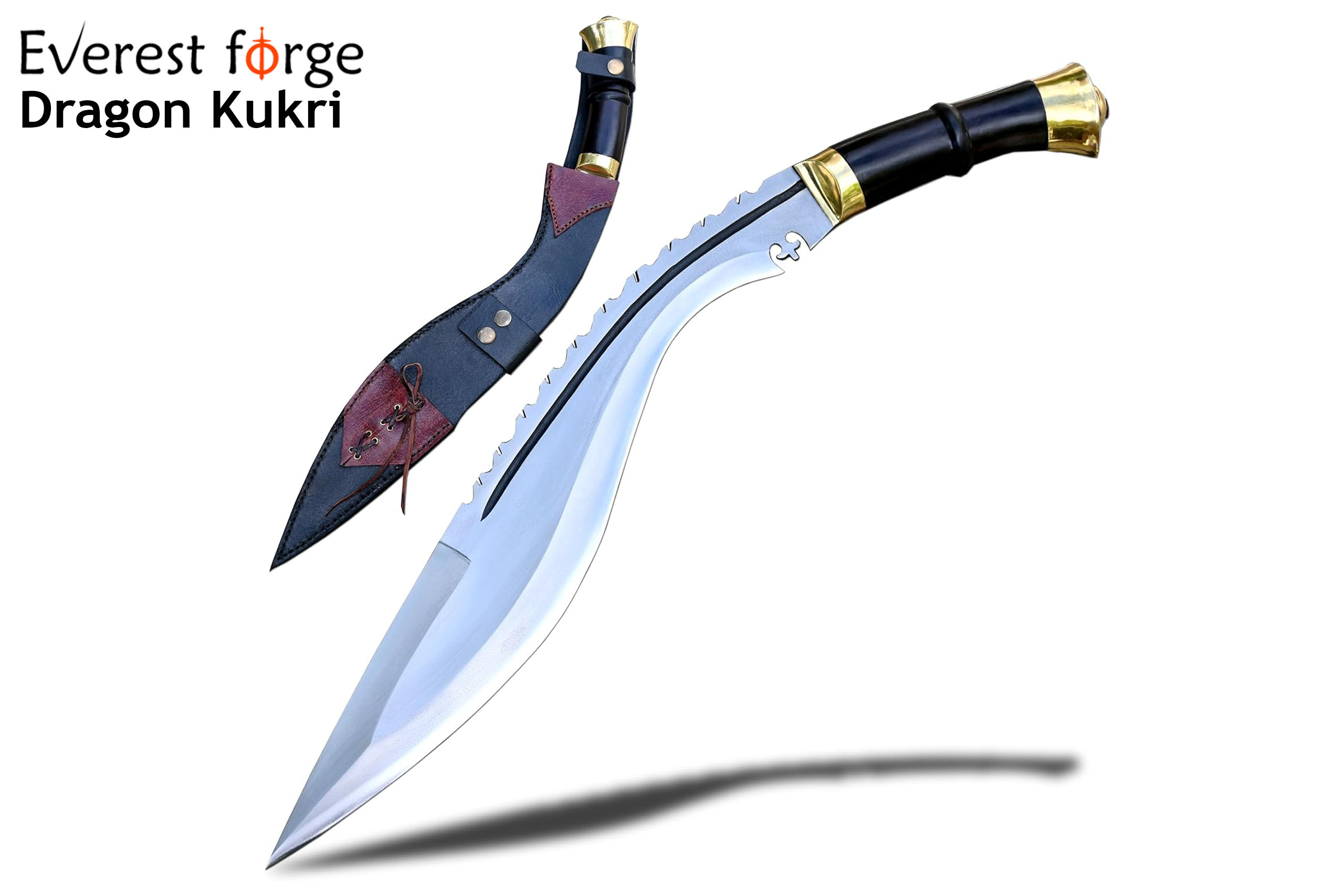
Dragon kukris stand out because of their decorative elements. Engravings—often depicting dragons, traditional motifs, or cultural symbols—are carved by hand onto the blade or scabbard. These designs serve a ceremonial purpose more than a practical one, and the blades are often presented as gifts or displayed in homes.
Though these kukris remain fully functional, their primary value lies in their artistic and cultural significance.
Salyani Kukri
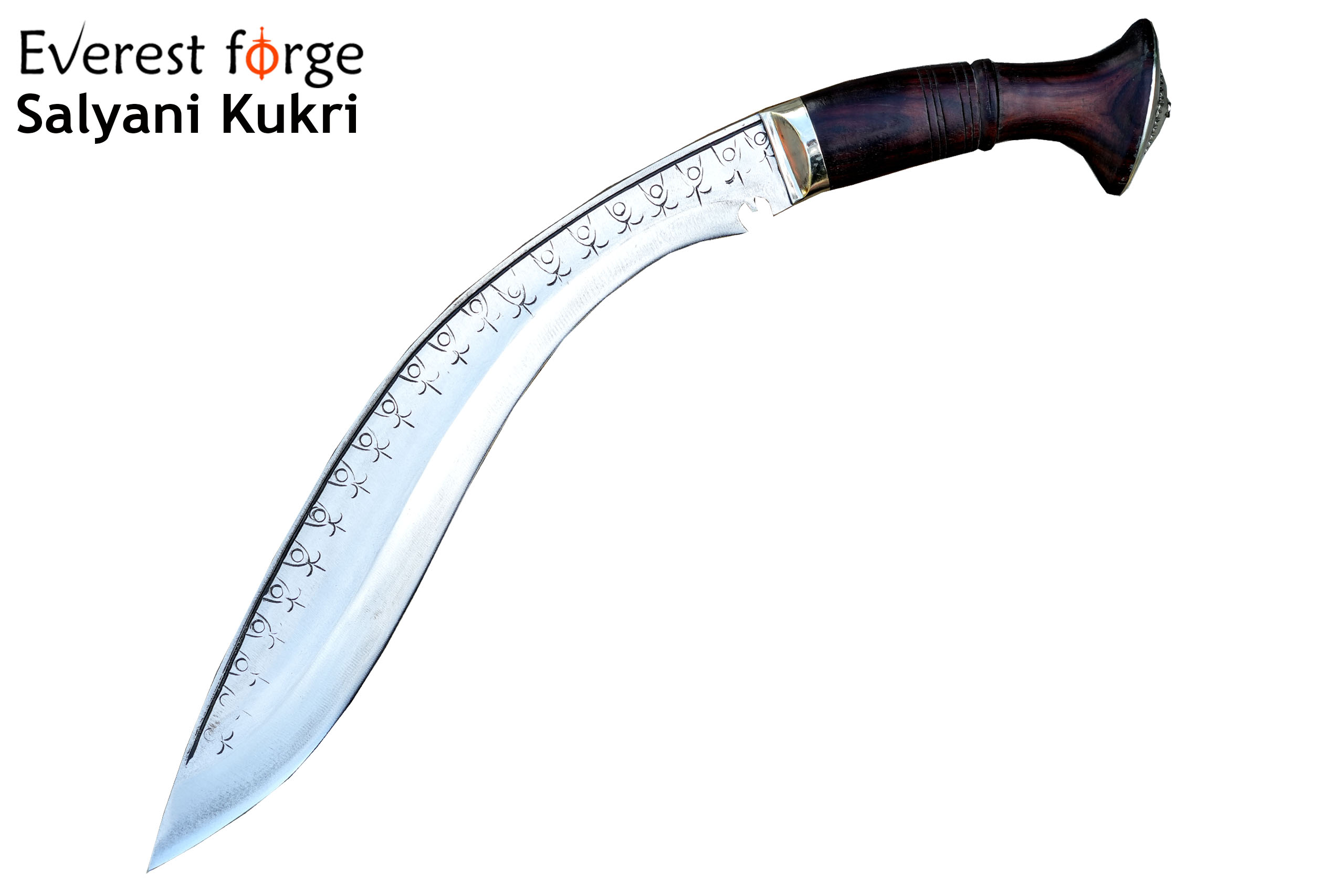
The Salyani kukri, known for its pronounced sweeping curve, originates in western Nepal. The deep curve provides a natural slicing motion, making it particularly effective for harvesting crops and cutting vegetation. Unlike heavier chopping-focused designs, the Salyani emphasizes endurance and fluid movement.
Its shape is distinct from all other regional kukris, giving it a recognizable presence in Nepali blade culture.
Conclusion
Each regional kukri design expresses a different blend of craftsmanship, cultural history, and practical need. The lightweight refinement of the Sirupate, the ceremonial weight of the Bhojpure, and the rugged resilience of the Chirra all demonstrate how varied the khukuri tradition truly is. Understanding these forms helps collectors, practitioners, and enthusiasts appreciate Nepal’s diverse forging heritage.
For those who want a blade built to their own specifications, the custom kukri forge service provides options to integrate traditional elements with personal preferences.
Frequently Asked Questions
1. What is the difference between a kukri and a khukuri?
The terms refer to the same blade. “Khukuri” is the Nepali spelling, while “kukri” is the version used internationally.
2. Which kukri shape is easiest for beginners?
Baspate and Angkhola models are suitable for beginners due to their balanced feel and ease of handling during everyday tasks.
3. What kukri design is considered the strongest?
The Chirra style, with its multiple fullers, is widely regarded as the most resilient because it distributes stress more effectively.
4. What are traditional kukris used for?
Traditional kukris are used for farming, household work, meat preparation, woodcutting, and ceremonial purposes across Nepal.
5. Where can I find authentic handmade kukris?
Hand-forged models crafted in Nepal can be found in the
main kukri selection.