5160 Carbon Steel Blade Care: The Complete Maintenance Guide
5160 is spring steel. It is tough, it flexes without breaking, it takes a working edge and it will start to spot-rust within hours of being left wet. Every one of those things is the same property viewed from a different angle — the carbon that makes it hold an edge is the carbon that makes it corrode. There is no version of this steel that is both high performing and rust-proof.
That is the whole of blade care in one paragraph. The rest is routine, and it is a small one: dry it, oil it, store it properly. This guide covers what 5160 actually does, the difference between rust and patina that almost nobody explains, which oils work and which two common recommendations cause problems, and a specific routine for every category we forge — swords, kukris, machetes, knives, kitchen knives, daggers, axes, spears and blade blanks.
What 5160 Is, and Why It Behaves This Way
5160 is a chromium-manganese spring steel, the material used in vehicle leaf springs because it absorbs repeated shock and returns to shape. Ours is reclaimed from truck leaf springs and forged in Kathmandu.
It contains enough chromium to matter mechanically but nowhere near the roughly thirteen per cent needed for stainless behaviour. So it is a high-carbon steel in every practical sense: excellent toughness, good edge, and no corrosion resistance to speak of.
What that means day to day. Sweat, rain, sap, fruit acid, salt air and even fingerprints will mark the surface, and the cutting edge corrodes first because it is the thinnest and most exposed steel on the blade. A blade left wet in a scabbard can pit within days, and pitting is permanent — it can be polished around but never truly removed.
None of this is a fault. It is the trade that buys you a blade that survives impact, and it is why our guide to 5160 argues the steel is right for working blades. It simply comes with a job attached.
Why 5160 Corrodes, in One Line
Rust forms when iron reacts with oxygen and moisture. 5160 has nowhere near the chromium needed for stainless behaviour, so nothing on the blade is resisting that reaction except whatever film you put there.
The specific triggers — humidity, fingerprints, leather sheaths, bare steel, sap and salt — are covered in detail in our guide to preventing rust on swords, kukris, machetes and knives, along with how carbon steel compares to stainless. This guide assumes you know rust is coming and deals with what to do about it.
Rust or Patina? The Distinction Nobody Explains
Two entirely different things happen to carbon steel, and owners panic about the harmless one while ignoring the damaging one.
| Patina | Rust | |
|---|---|---|
| Colour | Grey, blue-grey, brown-black, sometimes mottled | Orange to red-brown |
| Texture | Smooth. Does not lift off | Powdery or flaky. Wipes off on a cloth |
| What it is | Stable black oxide, tightly bonded to the steel | Red oxide, porous and actively spreading |
| Effect | Protective. It slows further corrosion | Destructive. It eats into the steel and pits it |
| What to do | Leave it. It is an asset | Remove it now, before it pits |
A patina is a good thing and you should stop trying to remove it. A working blade develops one over months of use and light oiling, and the result is a surface that resists rust better than bare polished steel. Kitchen knives develop them fastest, because food acids accelerate the process.
The simple test: wipe firmly with a dry cloth. If colour comes off on the cloth it was rust. If the surface is unchanged it was patina, and it is doing you a favour.
You can force a patina deliberately — mustard, vinegar, or simply using the blade and drying it — and many owners of working knives do. Just be aware it is cosmetic and irreversible, and a mirror-polished display sword is not the place for it.
Which Oil to Use, and Which to Avoid
Oil choice matters more than most guides suggest, and two common recommendations cause problems.
| Oil | Use for | Notes |
|---|---|---|
| Food-grade mineral oil | Everything, especially kitchen knives | The safest default. Cheap, odourless, never goes rancid |
| Camellia oil | Swords and display blades | The traditional Japanese choice. Thin, clean, non-sticky |
| 3-in-1 or light machine oil | Working blades, machetes, axes | Effective and widely available. Not for kitchen use |
| Gun oil | Long-term storage of any non-kitchen blade | Designed for exactly this. Heavier film |
| Renaissance Wax or beeswax | Display pieces and long storage | A hard film. Slower to apply, lasts far longer than oil |
| WD-40 | Cleaning only, not protection | See below. It is a water displacer, not a preservative |
| Vegetable and cooking oils | Avoid | See below. They go rancid and turn sticky |
WD-40 is widely recommended and widely misunderstood. It is excellent at driving water out of a wet blade and at loosening light surface rust, and for that it is worth having. But it is a solvent-based water displacer, not a protective oil — it thins and largely evaporates, leaving very little film behind. Use it to clean, then oil properly afterwards. A blade "protected" with WD-40 alone will rust.
Vegetable, olive and other cooking oils should be avoided, including on kitchen knives where the instinct is strongest. They oxidise, go rancid, and leave a sticky varnish that traps moisture against the steel rather than excluding it. Food-grade mineral oil does the same job, costs almost nothing and never spoils.
Traditional mustard oil is used across Nepal and does work — it is what many kami use on kukris. It has a strong smell and will darken a blade, which some owners want and others do not.
The Routine, and How Often
Three habits prevent essentially all corrosion, and they take under a minute.
Dry it after every use. Immediately, not that evening. Any water, sweat, sap or juice on the blade is the start of a problem, and the edge corrodes first.
Keep a thin film of oil on the steel at all times. Thin is the operative word — a heavy coat attracts dust and does not protect any better. Include the tang shoulders and under the guard, where moisture collects and nobody looks.
Never store a blade wet, and never store it in a damp scabbard. Leather is the worst offender, because it holds moisture against the steel and often contains tanning residues that accelerate corrosion.
| Situation | Oil how often |
|---|---|
| In regular working use | After every use, once dry |
| Dry indoor climate, on display | Every 4 to 8 weeks |
| Humid or tropical climate | Every 1 to 2 weeks, without exception |
| Coastal or salt air | Weekly. Salt is far more aggressive than damp alone |
| Long-term storage, 3 months or more | Heavy oil or wax once, then check every few months |
| After any contact with water, sweat, fruit or sap | Immediately |
Fingerprints matter more than people expect. Skin is slightly acidic and a print left on bare steel will etch a visible mark within days in a humid room. Wipe a blade down after handling it, particularly if it lives on a wall where guests pick it up.
Removing Rust Without Damaging the Blade
Work from the gentlest method upward and stop as soon as it is clean. Every step removes steel as well as rust.
1. Oil and a cloth. Light surface bloom often comes away with oil and firm rubbing along the length of the blade. Always along the blade, never across it.
2. Oil and fine steel wool or a green pad. Grade 0000 wool with oil as a lubricant. Keep the strokes along the blade so any marks follow the existing finish.
3. Fine wet-and-dry paper, 800 grit upward, used wet with oil. For spots that will not lift. Work only the affected area and blend outward.
4. A solvent first for heavy rust. WD-40 or a light penetrating fluid loosens established rust before you abrade it, which means less scrubbing and less metal removed. Clean it off and oil properly afterwards.
Pitting cannot be undone. Once corrosion has eaten into the surface, polishing removes the surrounding steel rather than the pit. Stabilise it, oil it, and accept it as part of the blade's history. This is why the response to a rust spot is today rather than next weekend.
Never use a wire wheel, coarse abrasives or an aggressive power tool on a finished blade. They remove far more steel than the rust does and will destroy the finish and, on a fine edge, the geometry.
Care by Category: What Changes for Each Blade
The principles are the same across everything we forge. What differs is the exposure, the fittings and the failure mode to watch for.
| Category | Main risk | What to watch |
|---|---|---|
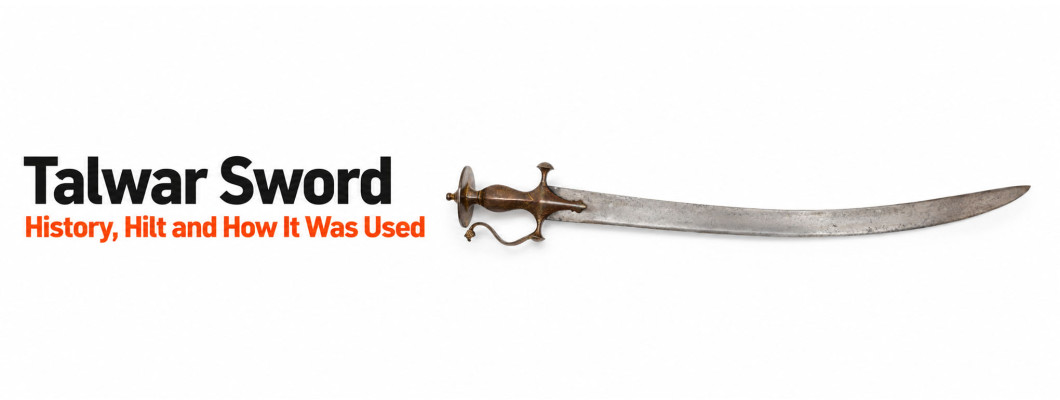
| Swords | Neglect on a wall, and leather scabbards | Under the guard; the whole length is exposed surface |
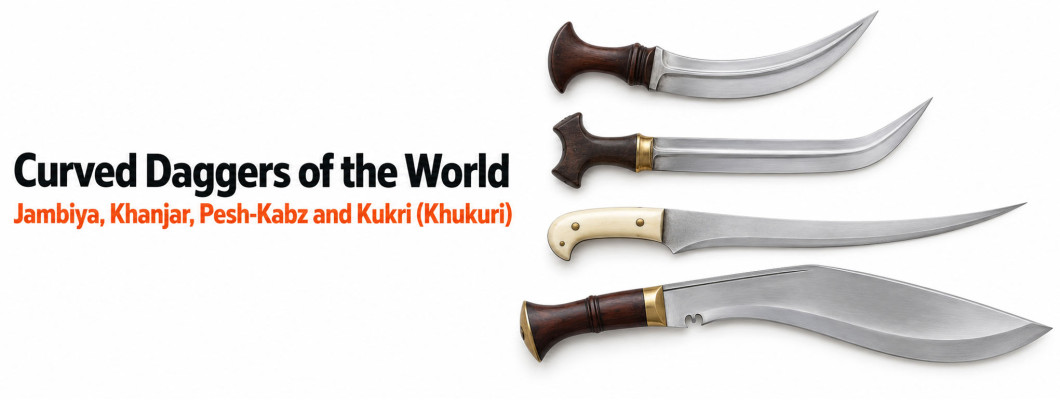
| Kukris and khukuris | Damp wood-and-leather scabbards | The cho notch and the blade near the bolster |
| Machetes | Sap, plant acids, outdoor storage | The edge, which corrodes first and fastest |
| Forged knives | Carried against the body; sweat | Where the blade meets the handle |
| Kitchen knives | Food acids, dishwashers, standing water | The edge and the handle junction |
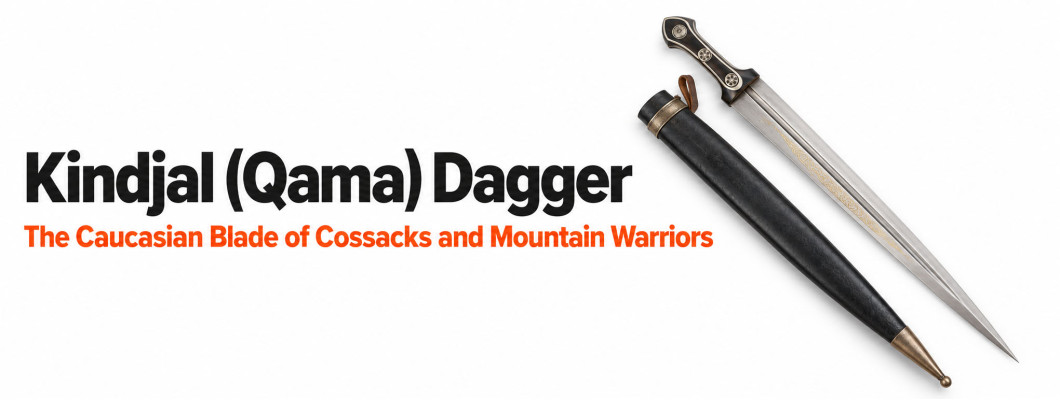
| Daggers | Carried, sheathed, rarely dried | Both edges and the point |
| Axes | The head-to-haft joint | Looseness, and moisture entering the eye |
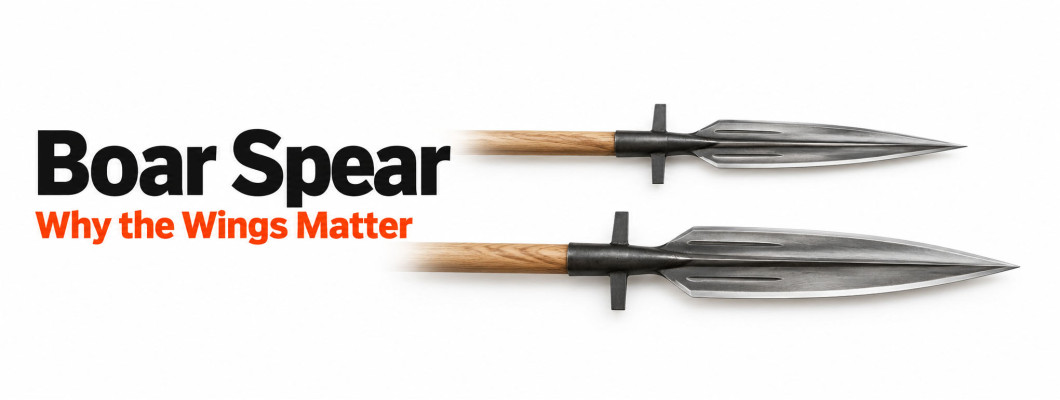
| Spears | The socket or tang joint | Water sitting in the socket |
| Blade blanks | No handle, often no finish, long storage | The whole blank. Nothing is protecting it |
Swords
The largest surface area of any blade you own, and usually the least used, which is exactly the combination that produces neglected rust.
Oil the full length including the ricasso and the few inches under the guard, where moisture collects unseen. If the sword lives on a wall, wipe it after anyone handles it and re-oil every month or two — more in a humid room. For a display piece you rarely touch, a hard wax film lasts far longer than oil and does not attract dust.
Do not store a sword in a leather scabbard long term. Leather holds moisture and tanning chemicals against steel. Store the blade out of the scabbard, or in a cloth sleeve, and keep the scabbard separately. For anything stored more than three months, oil heavily and check it every few months rather than trusting it.
Kukris and Khukuris
The traditional scabbard is a wooden core covered in leather, and it is the single commonest cause of kukri rust — a blade sheathed damp will pit within days.
Pay attention to the cho, the notch near the bolster, because moisture and debris collect in it and it is easy to miss when wiping. If your kukri came with a chakmak, use it to true the edge between full sharpenings; a whetstone at medium then fine grit does the real sharpening work.
We have a full routine including sharpening technique and scabbard care in the kukri maintenance guide.
Machetes and Working Blades
The hardest life of anything we make. Plant sap is acidic, vegetation holds water, and machetes are the blades most likely to be left in a shed.
Wipe sap off the same day — dried sap holds moisture against the steel and is far harder to remove later. Expect the edge to corrode before anything else, and expect a working patina to develop, which is fine and helpful. Touch the edge up frequently with a file or stone rather than waiting for it to go properly dull; little and often keeps the geometry, while a heavy re-grind changes it.
Never store a machete in a shed or garage over winter without oiling it first. Unheated buildings cycle through condensation every day.
Kitchen Knives
The strictest rules of any category, because everything that touches the blade goes into food. Food-grade mineral oil only — not machine oil, not gun oil, and not cooking oil, which goes rancid and sticky. Never a dishwasher: heat, detergent and prolonged moisture will rust a carbon blade and loosen a wooden handle in a single cycle.
Expect a patina within weeks — onions, tomatoes, citrus and vinegar all pull it faster than water does, and different foods pull it in different directions. That is normal and protective. The other half of kitchen knife care is the board: cut on wood or soft composite, never glass, stone or ceramic, which roll and chip an edge faster than any amount of sharpening can fix.
Kitchen knives have enough particular requirements that we gave them their own guide. Our post on caring for a carbon steel chef knife covers the daily routine, seasoning a new blade, patina by food type, rust removal with cork and baking soda, whetstone sharpening and storage in full.
Daggers and Forged Knives
Bushcraft knives, hunting knives, EDC blades and daggers share a problem: they are carried, which means body heat and sweat, and they are sheathed the moment they are put away, often without being dried.
Dry and oil after carrying, not only after cutting, because sweat alone is enough to start corrosion. Watch where the blade meets the handle, which stays damp longest on a knife that has been used and wiped quickly. Double-edged daggers have twice the fine steel to look after and a point thin enough to corrode fast. Do not leave any carried knife in a tight leather sheath for months.
Axes and Hatchets
The blade is the easy part. The joint is what fails.
Check the head is tight on the haft before every use, and stop if there is any movement — a loose head is genuinely dangerous. Keep water out of the eye where head meets haft, and oil the steel including the area right at the joint.
The haft needs its own care. A wooden haft dries out, shrinks and loosens the head. Wipe it with boiled linseed oil once or twice a year, let it soak in and wipe off the excess. Never store an axe leaning against a damp wall or on a concrete floor, both of which wick moisture into the wood.
Spears and Polearms
The head is straightforward; the socket is where problems hide.
Water that runs down a shaft collects at the socket or tang joint and sits there. Dry that junction specifically after any wet use, and oil it. Treat the shaft as you would an axe haft — linseed once or twice a year — and store spears horizontally or point-down rather than leaning point-up, so water cannot run into the joint.
Blade Blanks
Blanks have no handle, often no final finish, and frequently sit for months before a maker gets to them. Nothing on them is protected.
Oil the entire blank including the tang, wrap it in oiled paper or a cloth sleeve, and store it flat and dry. If it will be months, use a heavier oil or wax. Check stored blanks periodically rather than assuming, and clean and re-oil before you begin work on one.
Handles, Fittings and Scabbards
The steel gets the attention. These are what actually fail first on a neglected blade.
| Material | Care | Watch for |
|---|---|---|
| Rosewood and hardwood | Wipe with mineral or linseed oil twice a year | Drying, shrinking, cracks along the grain |
| Buffalo horn | Light oil occasionally. Keep out of direct sun and heat | Cracking and warping from dryness or heat |
| Stacked leather | Leather conditioner sparingly. Never soak it | Compression, gaps opening between washers |
| Micarta and G10 | Soap and water. Effectively maintenance-free | Almost nothing. This is why working blades use it |
| Brass fittings | Brass polish occasionally, or leave to tarnish | Verdigris where brass meets a damp scabbard |
| Leather scabbards | Shoe polish or leather conditioner. Dry naturally | Never dry a wet scabbard with heat — it hardens and shrinks |
| Wood-cored scabbards | Keep dry. Furniture wax on the exterior | Moisture trapped inside against the blade |
A wet scabbard should be dried separately from the blade, at room temperature, never on a radiator or in sun. Heat shrinks and hardens leather, and a shrunken scabbard grips a blade badly and scrapes the finish every time it is drawn.
Long-Term Storage
For anything going away for three months or more, do this properly once rather than worrying about it repeatedly.
Clean the blade completely, including under the guard and around fittings. Any residue left underneath will keep working while the blade is away.
Apply a heavy protective film — gun oil, or a hard wax such as Renaissance Wax for display pieces. Wax lasts longer, does not migrate and does not attract dust.
Store out of the scabbard, wrapped in a soft cloth or oiled paper. Not plastic sheeting or a sealed bag, which traps condensation against steel and does more harm than open air.
Choose the room carefully. Dry, ventilated, stable temperature. Not a basement, not an attic, not an unheated garage, and not against an external wall — anywhere that cycles through condensation daily is the worst place in the building. Silica gel packs in a case or drawer are cheap and genuinely effective.
Check every few months. Storage is not a decision you make once; it is a decision you verify.
What Not to Do
Short list, and each one causes damage we see regularly.
Do not store a blade wet in a leather scabbard. The single most common cause of ruined blades, and it pits within days rather than weeks.
Do not put a carbon blade in a dishwasher. One cycle is enough to rust the steel and loosen a wooden handle.
Do not rely on WD-40 as protection. Clean with it if you like, then oil.
Do not use cooking oil. It goes rancid and turns sticky, trapping moisture rather than excluding it.
Do not use coarse abrasives or a wire wheel on rust. You will remove far more steel than the rust would have.
Do not seal a blade in plastic. Trapped condensation is worse than open air.
Do not dry a wet leather scabbard with heat. It hardens, shrinks and then damages the blade every time you draw it.
Do not ignore a loose handle, pommel or axe head. That is a safety problem rather than a maintenance one, and it does not improve on its own.
Blades Built to Last Generations, With a Minute of Care
Every Everest Forge blade is 5160 high-carbon spring steel, oil quenched and tempered by hand, full tang. It is not stainless and it never will be — that is the trade that buys you a blade which survives real use. Dry it, oil it, store it dry, and it will outlast you.
Frequently Asked Questions
Does 5160 steel rust?
Yes. 5160 is a high-carbon spring steel with nowhere near the chromium needed for stainless behaviour, so it will spot-rust within hours if left wet and can pit within days in a damp scabbard. That is the trade for a steel that absorbs impact and flexes without breaking. Three habits prevent essentially all of it: dry after every use, keep a thin film of oil on the steel, and never store the blade wet.
What is the best oil for a carbon steel blade?
Food-grade mineral oil is the safest default for everything and the only sensible choice for kitchen knives. Camellia oil is the traditional pick for swords and display blades. Light machine oil or gun oil suit working blades and long storage. For display pieces a hard wax such as Renaissance Wax lasts far longer than oil and does not attract dust.
Can I use WD-40 on my blade?
As a cleaner, yes. As protection, no. WD-40 is a solvent-based water displacer — excellent at driving moisture out of a wet blade and loosening light rust, but it thins and largely evaporates, leaving very little protective film. Use it to clean, then apply a proper oil afterwards. A blade left with only WD-40 on it will rust.
Is the dark grey colour on my blade rust or patina?
Wipe it firmly with a dry cloth. If colour comes off, it was rust and should be removed now. If the surface is unchanged, it is patina — a stable black oxide bonded to the steel that actually protects it. Patina is grey, blue-grey or brown-black and smooth; rust is orange to red-brown, powdery, and actively spreading. Leave patina alone.
How do I remove rust from a 5160 blade?
Work from gentlest upward and stop when clean. Oil and a cloth first, rubbing along the blade rather than across it. Then 0000 steel wool with oil as a lubricant. Then fine wet-and-dry paper from 800 grit, used wet. For established rust, loosen it with a penetrating fluid first so you abrade less. Never use a wire wheel or coarse abrasive — you will remove far more steel than the rust would have.
How often should I oil my blade?
After every use once dry. Beyond that it depends on climate: every four to eight weeks in a dry indoor environment, every one to two weeks in a humid or tropical one, and weekly near the coast, because salt air is far more aggressive than damp alone. For storage of three months or more, apply a heavy oil or wax once and check every few months.
Can I store my blade in its leather scabbard?
Short periods only. Leather holds moisture against the steel and often contains tanning residues that accelerate corrosion, so a blade sheathed damp can pit within days. For anything longer than a few weeks, store the blade out of the scabbard in a cloth sleeve or wrapped in oiled paper, and keep the scabbard separately.
What oil is safe for a carbon steel kitchen knife?
Food-grade mineral oil, and effectively nothing else. Not machine oil or gun oil, which are not food safe, and not vegetable or olive oil, which oxidise, go rancid and leave a sticky film that traps moisture against the steel. Mineral oil is tasteless, odourless, cheap and stable. Never put a carbon knife in a dishwasher — one cycle can rust the blade and loosen a wooden handle. Our dedicated chef knife care guide covers the kitchen routine in full.
How do I care for a wooden or horn handle?
Rosewood and other hardwoods want a wipe of mineral or linseed oil twice a year to stop them drying, shrinking and cracking. Buffalo horn needs occasional light oil and should be kept out of direct sun and heat, which crack and warp it. Stacked leather takes conditioner sparingly and should never be soaked. Micarta and G10 need only soap and water.
How should I store a blade long term?
Clean it completely including under the guard, apply a heavy oil or a hard wax, and store it out of the scabbard wrapped in soft cloth or oiled paper. Not sealed plastic, which traps condensation against steel. Choose a dry ventilated room with stable temperature — not a basement, attic or unheated garage, which cycle through condensation daily. Silica gel packs help, and check it every few months.
Do machetes and axes need different care?
Yes, mainly at the joints. Machetes take acidic plant sap that should be wiped off the same day, and the edge corrodes first, so touch it up little and often rather than waiting. Axes need the head checked for tightness before every use, water kept out of the eye where head meets haft, and boiled linseed oil on the wooden haft once or twice a year to stop it drying and loosening.
My blade has pitting. Can it be fixed?
Not truly. Pitting is corrosion that has eaten into the surface, and polishing removes the surrounding steel rather than the pit itself. It can be stabilised, cleaned and oiled so it goes no further, and on a working blade it becomes part of the object's history. This is why the correct response to a fresh rust spot is today rather than next weekend.