The Sword in the Modern World
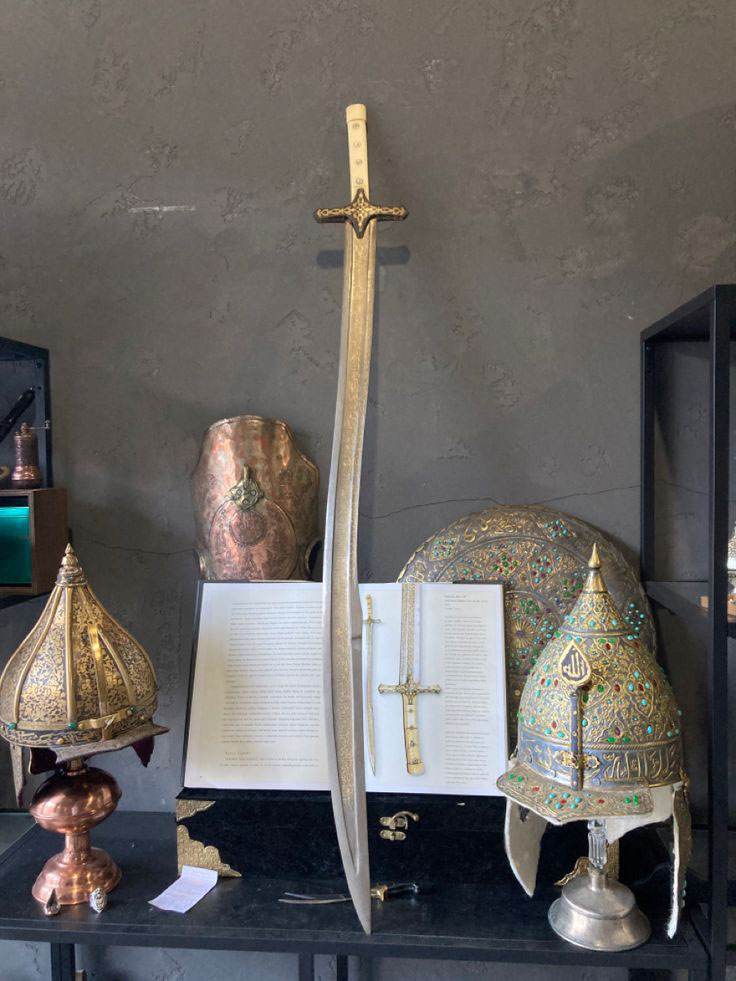
In modern spaces, swords are often displayed as decorative art pieces, reflecting heritage, craftsmanship, and personal identity rather than combat.
Swords are no longer used on modern battlefields, yet people around the world continue to buy them. This continued interest is not rooted in warfare, but in history, craftsmanship, symbolism, and personal meaning.
Across cultures and generations, swords have represented authority, honor, protection, and identity. Today, they remain relevant as hand-forged works of art, functional training tools, collectible historical pieces, ceremonial objects, and meaningful gifts. Understanding why swords are still purchased today requires looking beyond combat and into their cultural and human significance.
Hand-Forged Swords and the Value of Craftsmanship
Historically, swords were never mass-produced objects. Each blade required skilled forging, careful shaping, and deep knowledge of steel and balance. A properly forged sword reflected both technical expertise and cultural tradition.
This is why many buyers seek hand forged swords today. Unlike factory-made replicas, hand-forged swords show subtle variations that reflect real craftsmanship. These details are valued as signs of authenticity, tradition, and respect for historical methods.
Custom Forge Swords: Creating a Sword Made Just for You
In many historical cultures, swords were crafted for individuals rather than produced to a single standard. Blade length, weight, balance, and fittings were often adjusted to suit the owner’s needs, role, or status.
Modern custom forge swords continue this tradition. Custom forging allows buyers to choose design elements such as blade style, proportions, handle materials, and finish. The result is a sword that feels purposeful and personal rather than generic.
Custom forging also distinguishes functional, serious swords from decorative pieces and allows buyers to commission blades for collection, training, ceremony, or long-term ownership.
Custom Engraving, Personalization, and Meaning
Throughout history, swords were often engraved with names, dates, prayers, symbols, or mottos. These markings transformed a sword into a personal object tied to a specific individual or event.
Today, engraving and personalization continue this practice. Adding a name, meaningful phrase, family symbol, or date can turn a sword into an heirloom. This is especially important for gift swords , wedding swords, and ceremonial blades, where the sword represents honor, protection, unity, and lifelong commitment.
Collectible Swords and Historical Significance
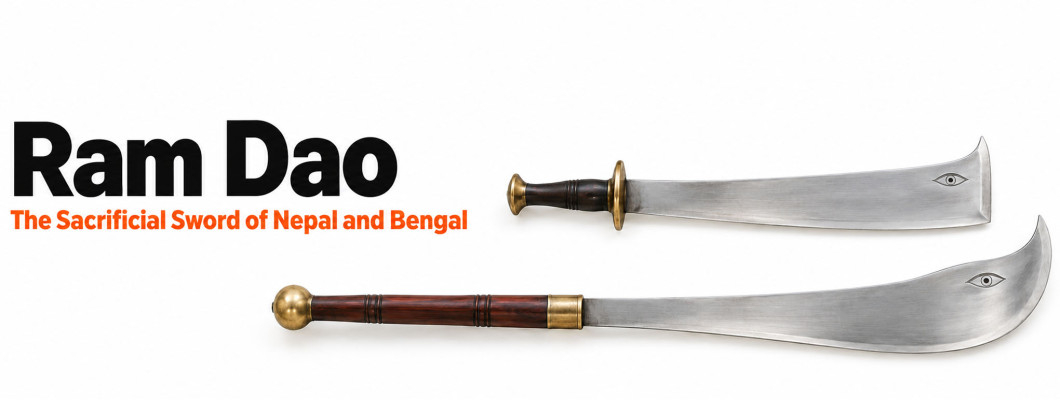
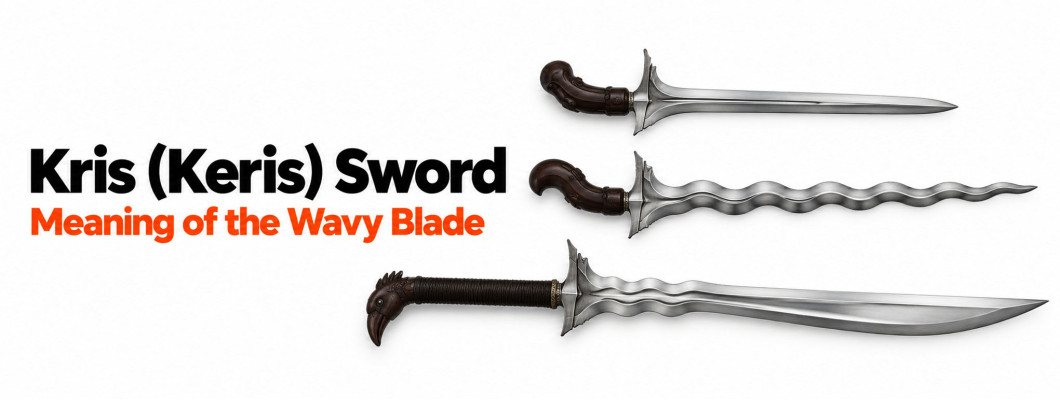
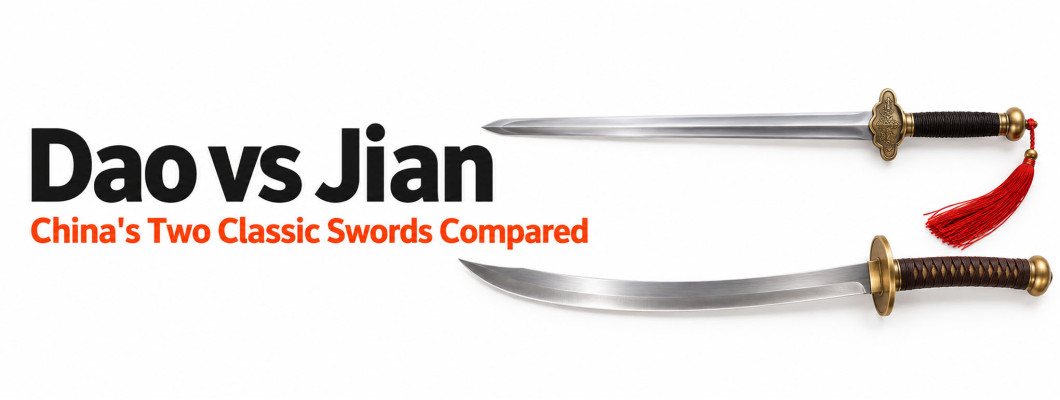
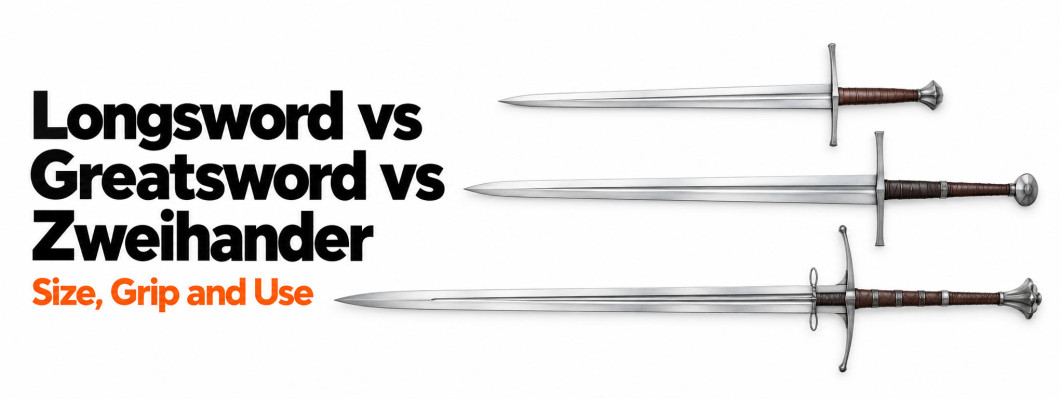
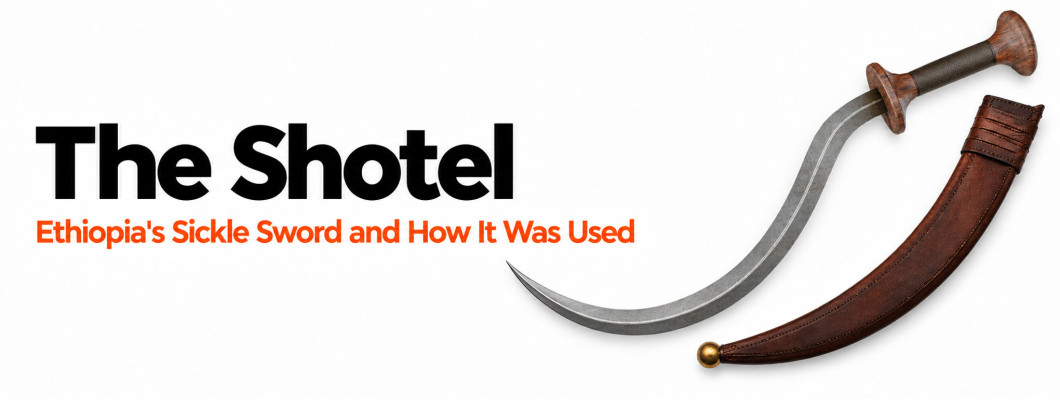
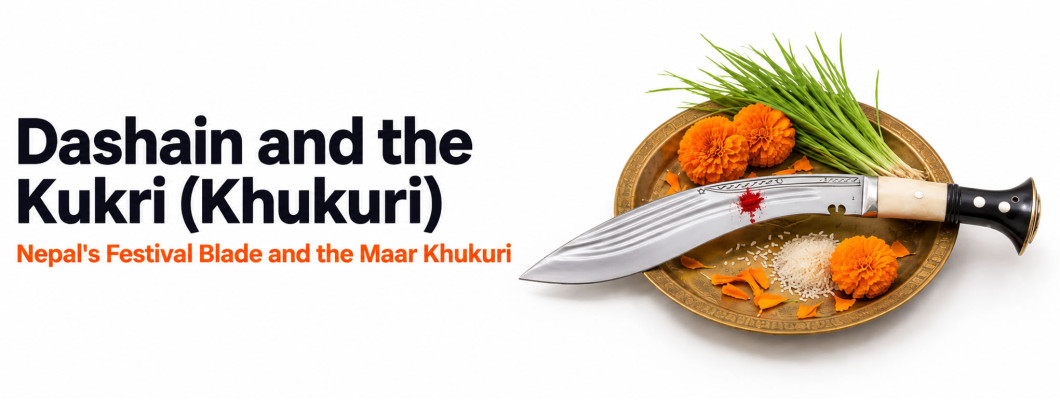
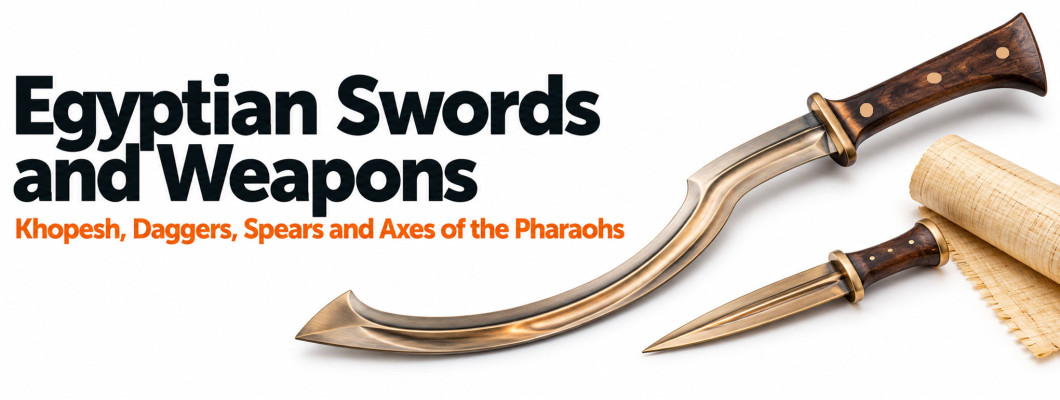
Many people buy swords as collectible pieces that reflect specific cultures and historical periods. Swords from Roman, medieval European, Viking, Japanese, Nepalese, African, and Middle Eastern traditions represent distinct design philosophies and social values.
Collectors value swords not only for appearance, but for proportions, balance, and construction. A well-made sword offers insight into how historical societies approached warfare, craftsmanship, and status.
Functional and Battle-Ready Swords Today
The term “battle-ready” historically referred to a sword that was properly constructed and capable of real use. In modern contexts, functional and battle-ready swords are typically purchased for responsible purposes such as training, controlled cutting practice, and historical study.
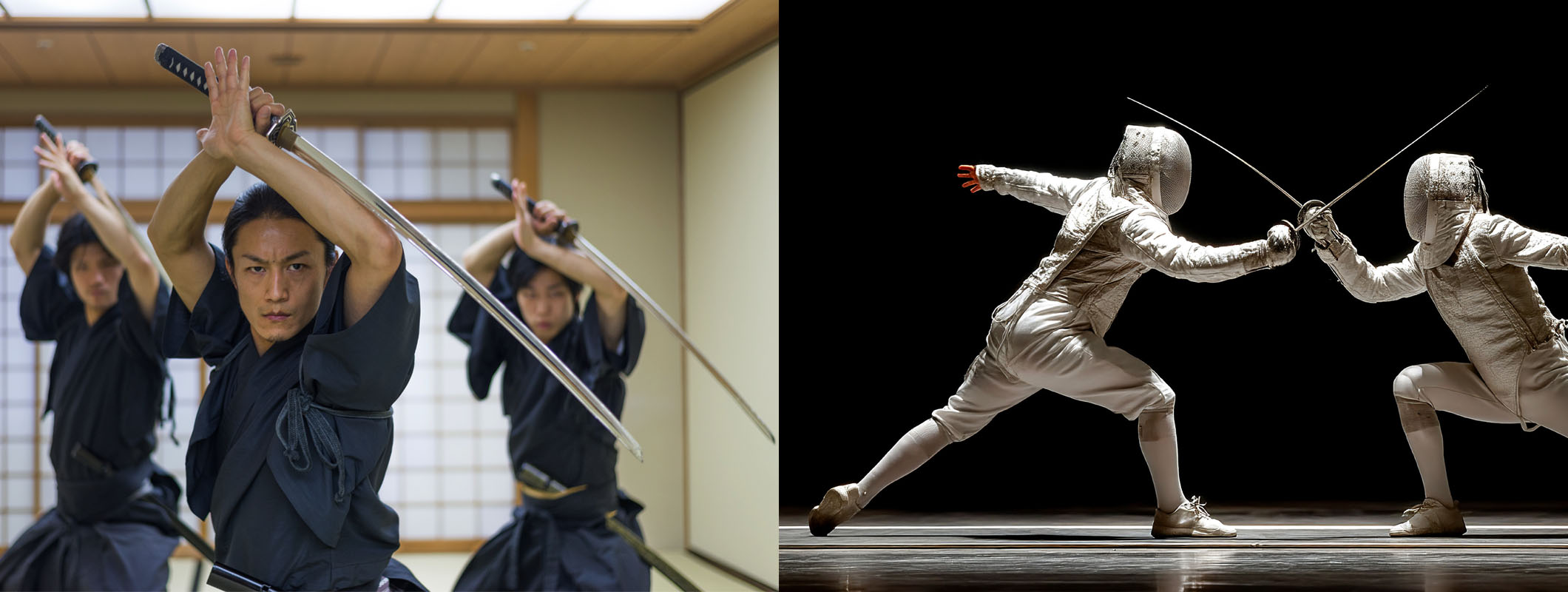
Swords today are appreciated not just as weapons of the past, but as symbolic and decorative pieces that capture history, style, and craftsmanship in contemporary settings.
Functionality matters because it preserves authenticity. A sword that is properly balanced and constructed reflects how historical swords were actually designed and handled.
Swords for Training and Martial Practice
Swords remain central to many martial traditions and historical study groups. European historical martial arts, traditional Asian sword disciplines, and other systems continue to use swords as tools for discipline, coordination, and technical understanding.
In these contexts, swords are not symbols of violence but instruments of focus, control, and respect for tradition.
Swords as Gifts, Wedding Swords, and Ceremonial Blades
Across cultures, swords have long appeared in ceremonies and rites of passage. They are used as formal gifts, displayed during weddings, and presented to mark achievements or milestones.
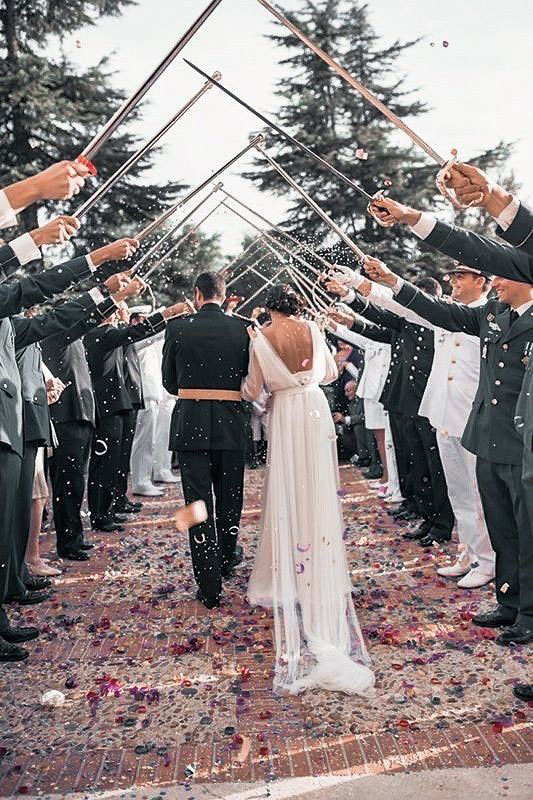
A wedding sword can symbolize protection, strength, and a lifelong promise to stand together through hardship and joy.
A wedding sword gift is symbolic rather than practical. It represents protection, honor, responsibility, and unity. Personalized engraving can further strengthen this meaning, turning the sword into a lasting family keepsake.
Symbolism of Swords: Honor, Identity, and Status
Historically, swords symbolized responsibility as much as power. They were associated with leadership, justice, and moral duty. Even today, swords are displayed as representations of personal values, cultural identity, and respect for heritage.
For many owners, a sword is a reminder of discipline, tradition, and continuity rather than conflict.
Movie, Fantasy, and Video Game Swords
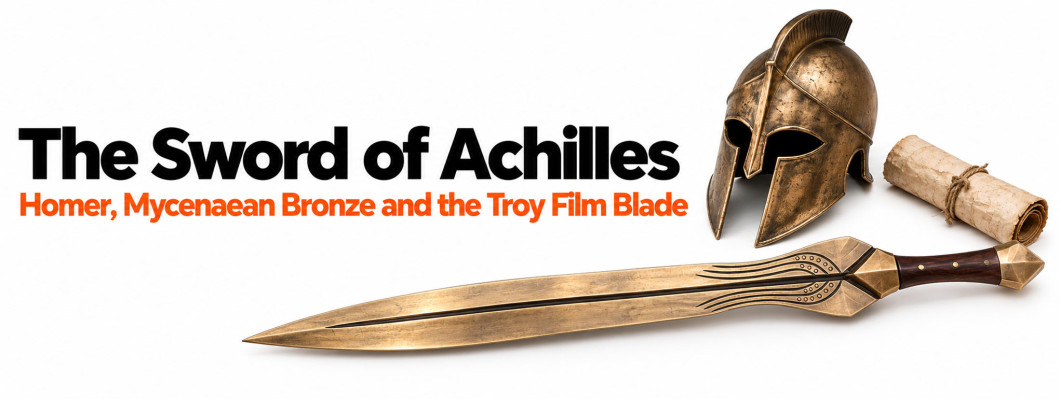
Modern films, fantasy literature, and video games have renewed global interest in swords. Many of these designs are inspired by real historical blade forms, even when presented in fictional settings.
As a result, buyers often seek movie-inspired, fantasy, and video game swords as tangible representations of the stories that inspired them. Hand-forged or functional versions are often preferred for their authenticity and craftsmanship.
Why Swords Still Matter in the Modern World
Swords remain relevant because their meaning has evolved rather than disappeared. They are no longer battlefield tools, but objects that represent craftsmanship, history, symbolism, and personal connection.
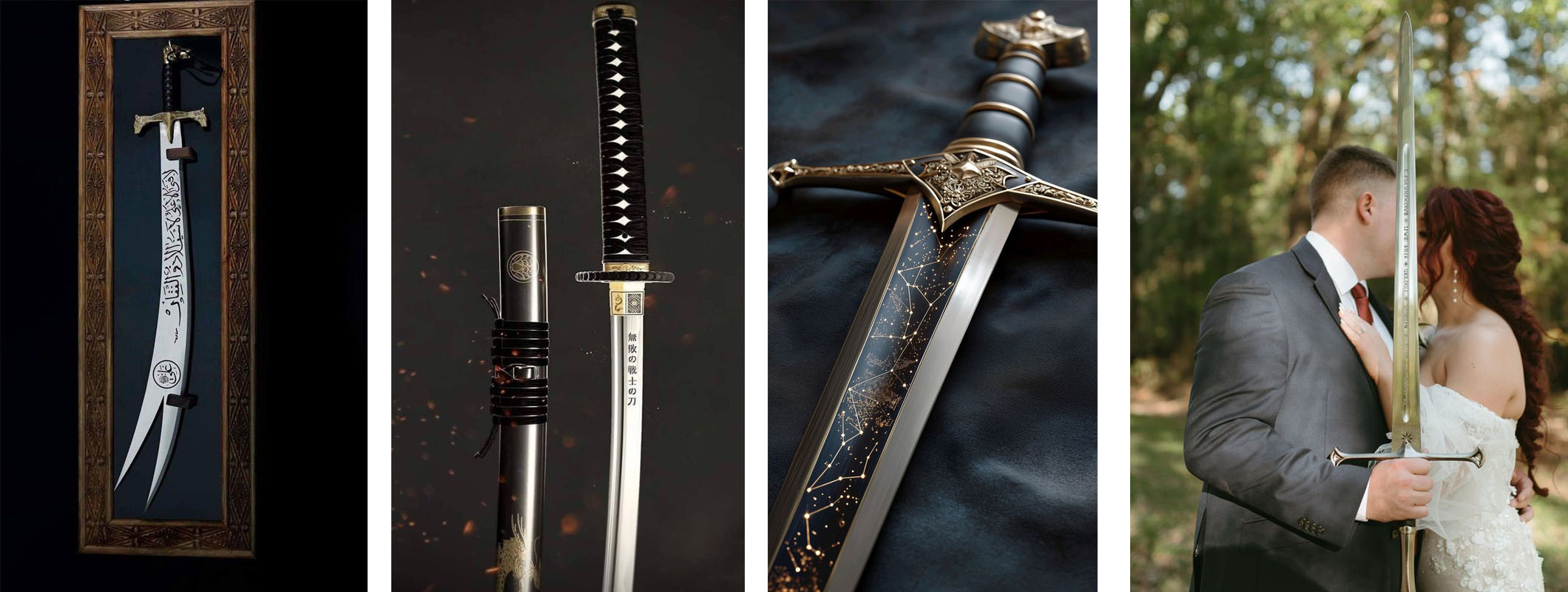
Personalized swords from Everest Forge are crafted to carry meaning beyond steel—custom engravings, names, dates, or symbols transform each piece into a lifelong keepsake or ceremonial heirloom.
Modern technology replaced swords in warfare, but nothing replaced the sword as a cultural and artistic symbol.
Choosing the Right Sword: Purpose, Meaning, and Craft
Choosing a sword today begins with purpose. Whether for collection, training, gifting, ceremony, or custom design, understanding intent helps determine the right construction, style, and level of craftsmanship.
A well-forged sword is not a disposable product. It is an object meant to be respected, preserved, and passed on. That is why swords continue to be purchased and valued long after their battlefield role has ended.