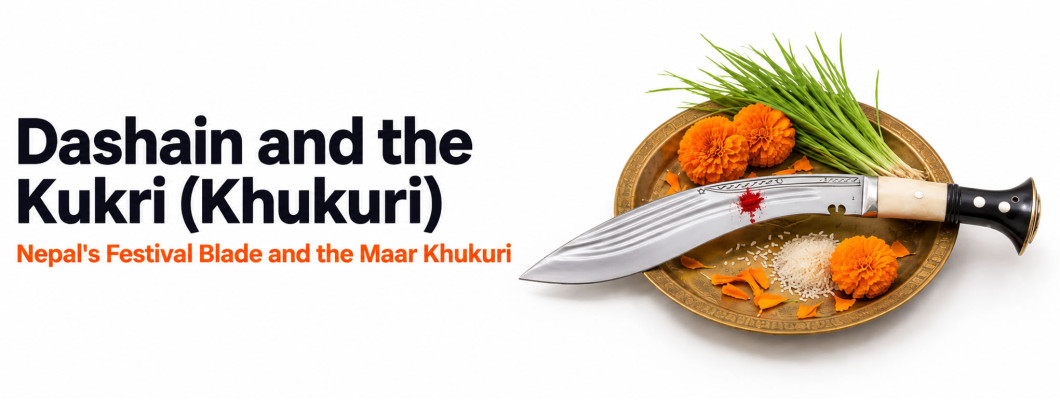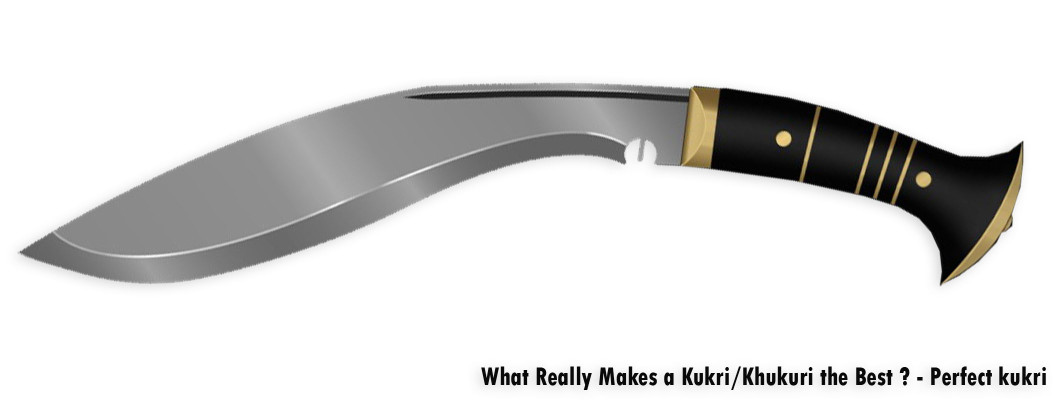
The Real Factors That Define a Well-Made Kukri/Khukuri
People often ask, “Which kukri/khukuri is the best?” Most expect a simple answer—a brand name or a quick recommendation.
In reality, there isn’t one single kukri/khukuri that is best for everyone. A kukri/khukuri becomes “the best” when it is built properly and suited to the work it is meant to do. A blade made for clearing brush will feel very different from one meant for camp use or heavy chopping.
This guide breaks down what actually matters in a kukri/khukuri—so you can choose wisely and avoid blades that look good but fail in real use.
It Starts With the Steel
If the steel is wrong, nothing else matters.
The best kukri/khukuri blades are usually made from tough high-carbon steel, not soft steel and not overly hard, brittle steel. A working kukri/khukuri takes repeated impact and needs to survive hard use.
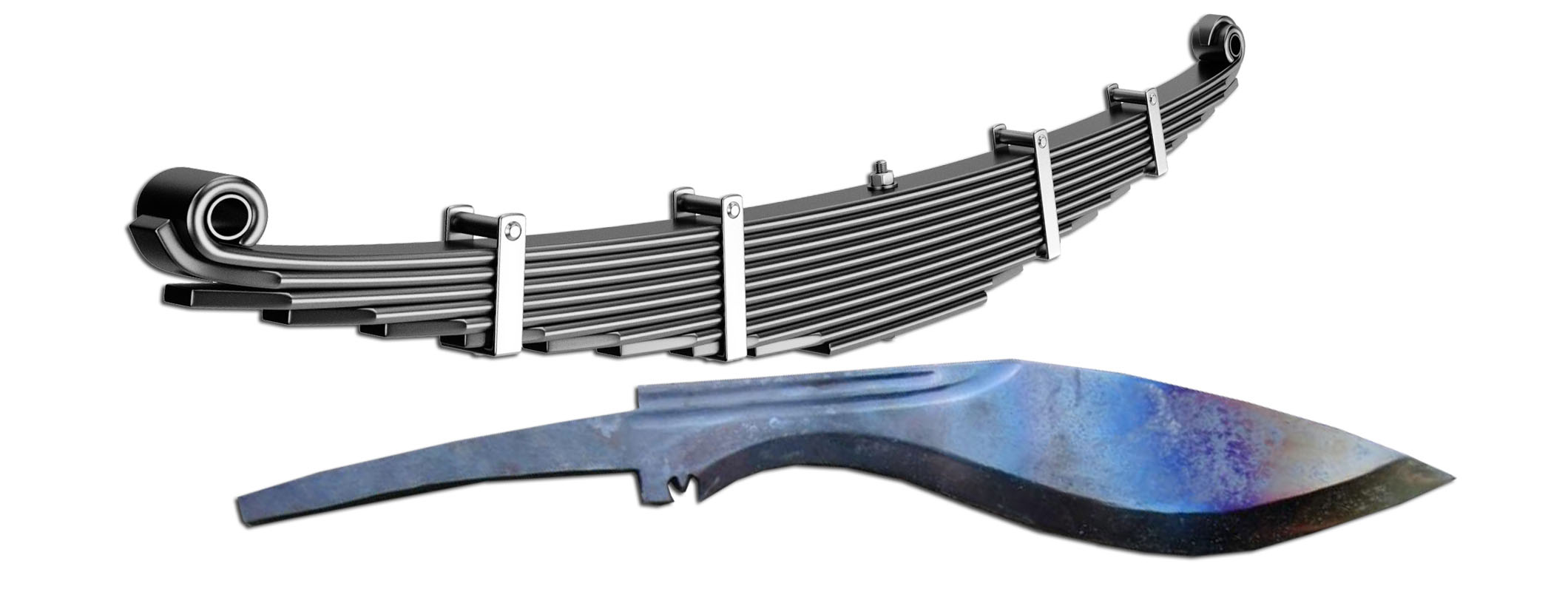
Steels such as 5160 spring steel are widely respected because they absorb shock well and resist cracking. 1055 and 1075 carbon steels are also popular because they are tough, reliable, and straightforward to maintain.
A kukri/khukuri does not need to be extremely hard. It needs to be tough. A blade that can flex slightly and return true is far more useful than one that chips or snaps.
Heat Treatment Makes or Breaks a Kukri/Khukuri
Steel alone does not determine quality. Heat treatment does.
Two kukri/khukuri blades made from the same steel can perform very differently depending on how they were heat treated. A properly treated kukri/khukuri has a hard cutting edge for cutting performance and a tougher spine that can absorb impact.
Traditional working kukri/khukuri designs earned their reputation because they were made to be used daily. Poor heat treatment is one of the main reasons cheap kukri/khukuri blades fail early or lose their edge too quickly.
Blade Shape and Geometry
The kukri/khukuri curve is not decorative. It is functional.
A well-designed kukri/khukuri places weight forward, allowing the blade to generate chopping power naturally. The spine should be thick enough for strength and taper smoothly toward the tip. The edge should be ground to cut deeply without binding in wood or dense vegetation.
When the geometry is right, the kukri/khukuri feels efficient and balanced. When it is wrong, even a sharp blade feels awkward and tiring to use.
Tang Construction and Structural Strength
Tang construction is often overlooked, but it matters a lot for reliability.

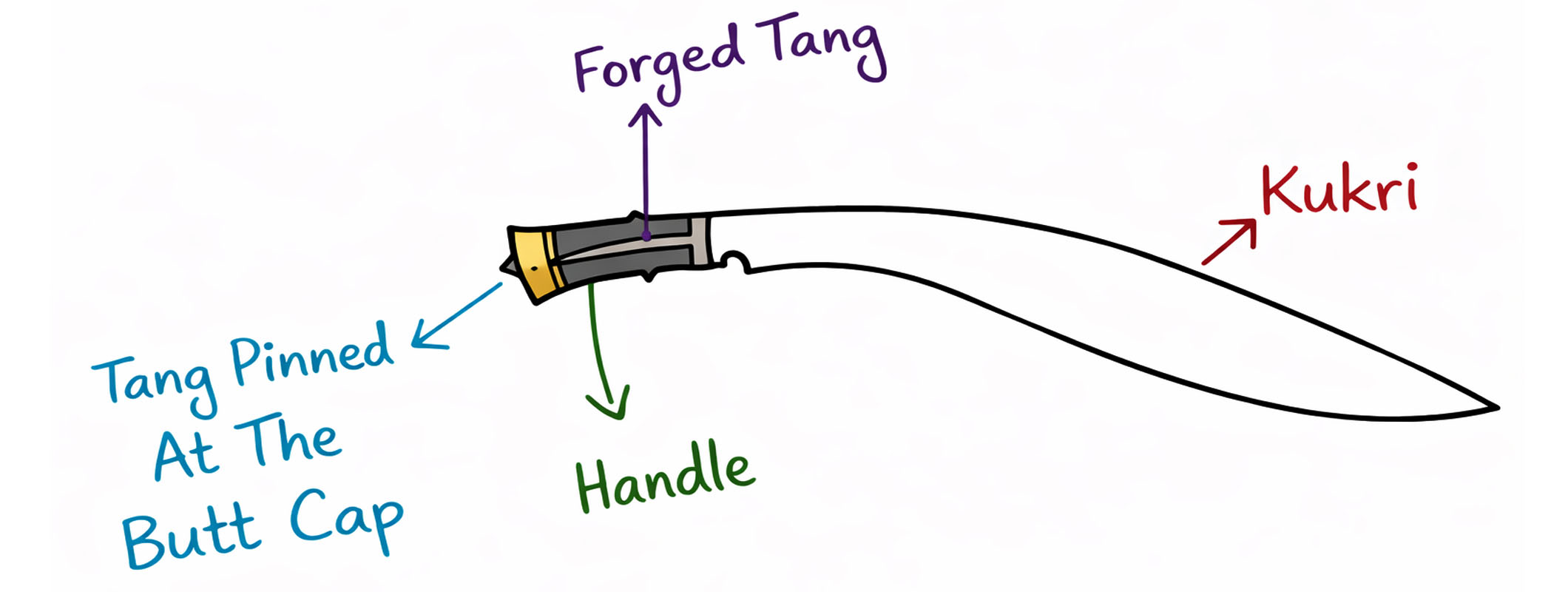
Traditional kukri/khukuri blades commonly use rat-tail tangs, and many have lasted for generations when forged properly. However, for modern users who expect heavy chopping, rough field work, and long-term durability, full tang construction provides extra confidence.
A full tang kukri/khukuri spreads force through the handle and reduces the risk of handle failure during hard use.
Balance and Weight
Bigger is not always better.
A kukri/khukuri should feel natural in the hand. The balance usually sits slightly forward, giving power without pulling the wrist down or feeling clumsy.
- Heavier kukri/khukuri blades are well suited for chopping and clearing.
- Medium-weight kukri/khukuri blades are versatile for camping and bushcraft.
- Lighter kukri/khukuri blades offer better control for finer utility tasks.
The best kukri/khukuri is the one you can use comfortably for long sessions without fighting the tool.
Handle Design and Grip
A kukri/khukuri is only as good as its handle.
A good handle fits the hand naturally, stays secure, and reduces fatigue. Materials such as wood, horn, or modern synthetics can all work well if shaped correctly. What matters most is the feel, control, and safety under real use.
Poor handle design leads to discomfort, loss of control, and unsafe use—no matter how good the blade is.
Fit, Finish, and Practical Details
A working kukri/khukuri does not need mirror polish or decoration to be excellent.
What matters is tight handle fit, clean and even grinds, and consistent edge geometry. A proper sheath also matters for safe carry and long-term storage.
Quality shows in how well everything fits together, not in how shiny the blade looks.
What the Best Kukri/Khukuri Blades Have in Common
Across makers and styles, the best kukri/khukuri blades share the same fundamentals:
- Tough high-carbon steel
- Proper heat treatment
- Strong, reliable construction
- Good balance and comfortable weight
- Secure, ergonomic handle
- Designed for a clear purpose
These basics matter far more than branding or appearance.
Choosing the Right Kukri/Khukuri for Your Use
There is no universal “perfect” kukri/khukuri for everyone.
- For heavy chopping and clearing work, a thicker and heavier kukri/khukuri makes sense.
- For camping and general outdoor tasks, a balanced mid-size kukri/khukuri is more practical.
- For lighter utility work, smaller kukri/khukuri blades offer better control.
Matching the kukri/khukuri to your intended use is what truly makes it the best choice.
The Everest Forge Approach
At Everest Forge, we focus on kukri/khukuri blades that are meant to be used, not just displayed.
We respect traditional Nepalese forging methods while applying practical improvements where they make sense for modern users. Our emphasis stays on steel quality, heat treatment, balance, and durability—because that is what creates a kukri/khukuri you can trust in real work.
A kukri/khukuri earns the title of “best” through performance, durability, and usability.
When tough steel, proper heat treatment, solid construction, good balance, and a comfortable handle come together, the result is a tool that works as intended and lasts for years. That is what defines a truly good kukri/khukuri.
Let’s Make Your Best / Perfect Kukri/Khukuri
Want a kukri/khukuri built around your exact needs—size, weight, balance, handle feel, and purpose? Send us your requirements and we’ll help you bring your ideal kukri/khukuri to life through our Custom Forge Request.
Custom Forge RequestBest Kukri / Perfect Kukri – Real Working Examples
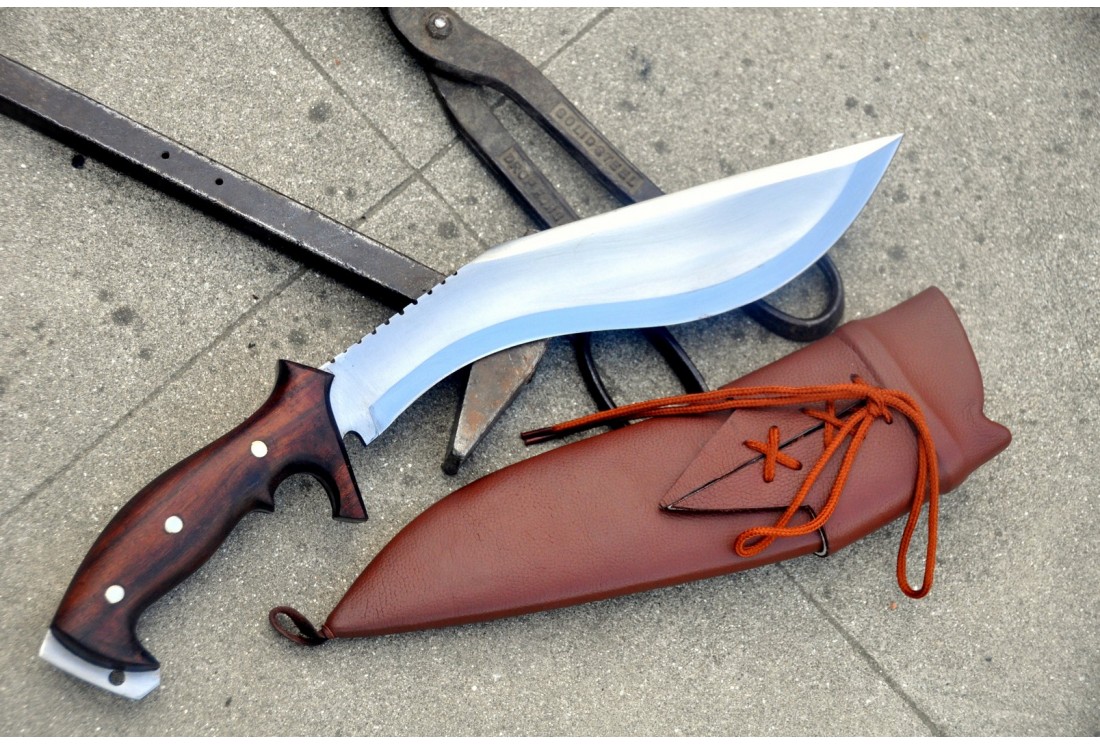
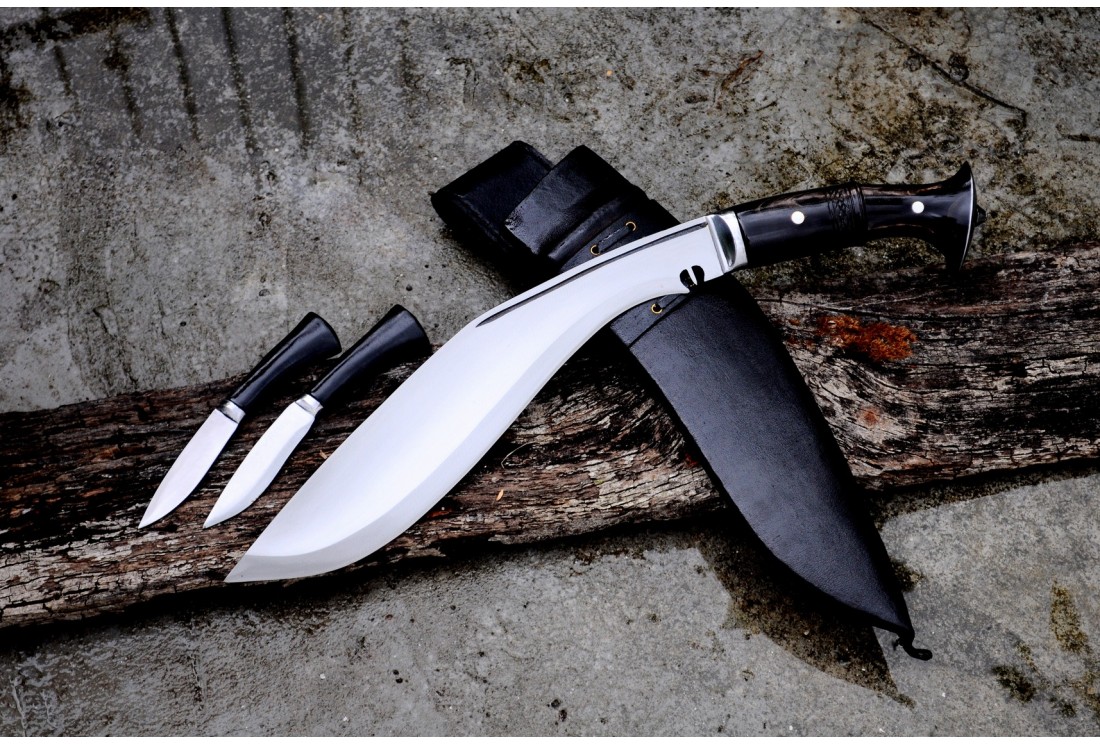
Below are examples of kukri/khukuri blades that reflect what a well-made, working kukri/khukuri should be. Each one represents proper steel choice, balance, construction, and real-world usability.
-1100x744w.jpg)