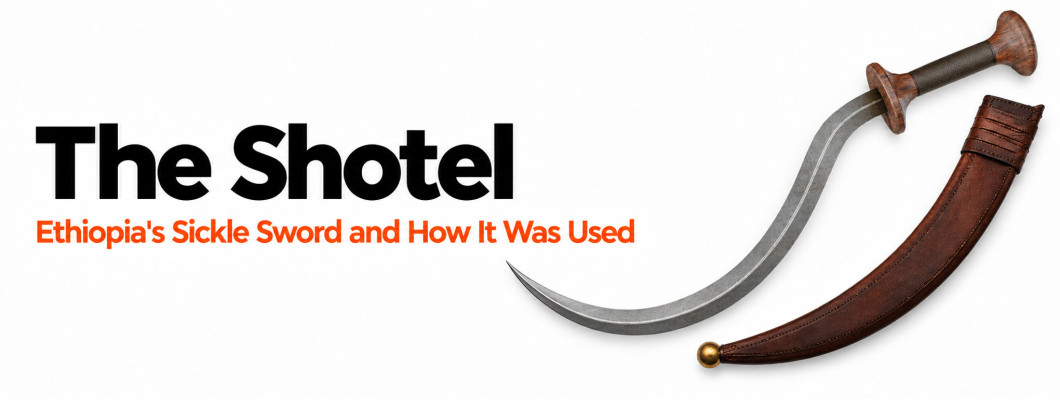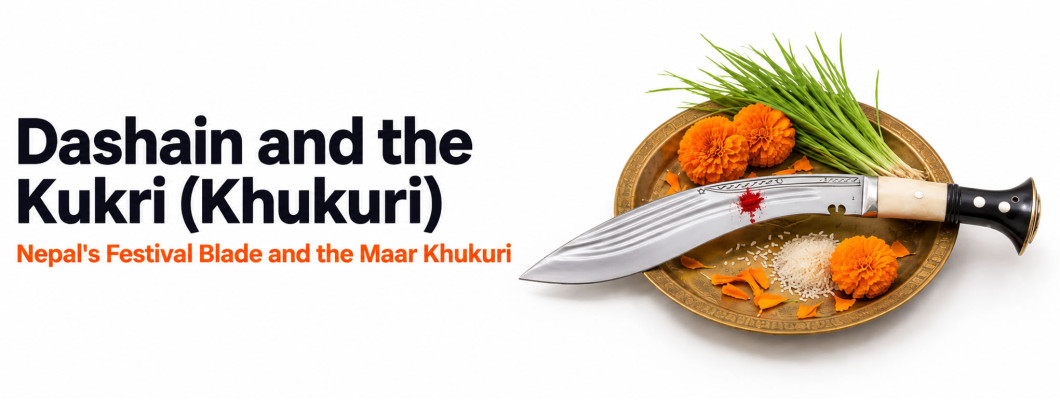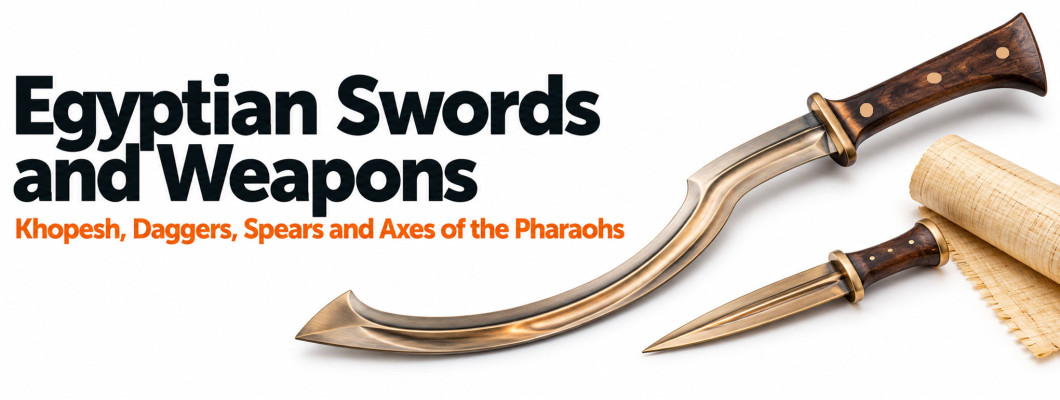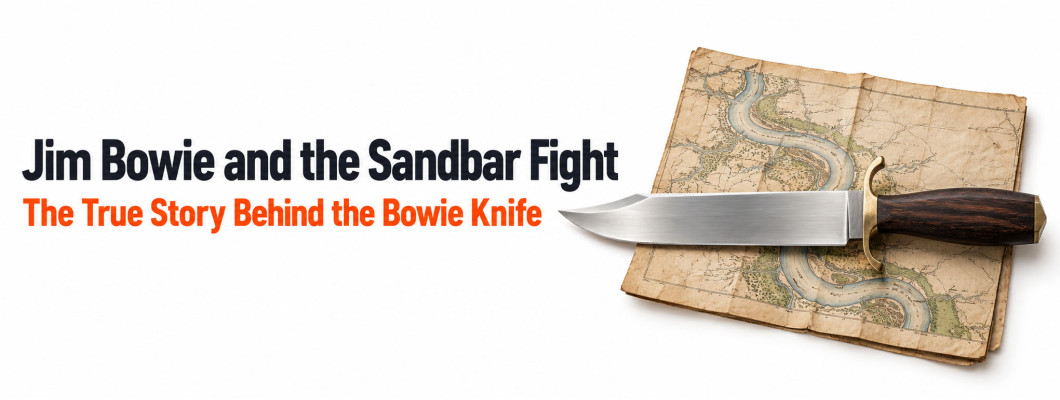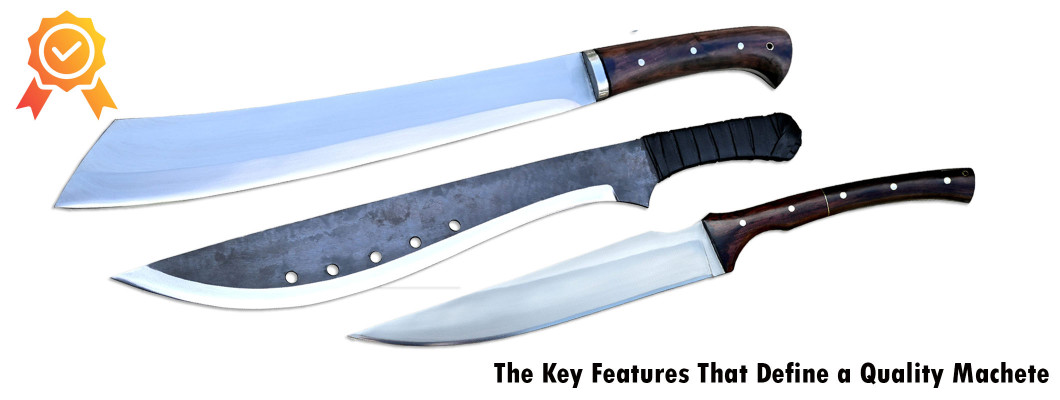
A truly quality machete is defined by smart blade geometry (distal taper, grind, edge type), controlled balance and weight, a secure grip with optional guard, and a sheath/scabbard built for safe carry.
A quality machete isn’t defined by aggressive styling or marketing terms. It’s defined by how it performs in real work—clearing brush, cutting vines, trimming limbs, or handling outdoor utility tasks where control and durability matter. The best machetes feel natural in the hand, cut efficiently without forcing the swing, and stay dependable after repeated impact and field sharpening.
Below are the features that truly separate a dependable working machete from a cheap blade. These are the details you feel immediately when you pick it up, swing it, and carry it the way it’s meant to be carried.
1) Distal taper (the blade should thin toward the tip)
Distal taper means the blade is thicker near the handle and gradually becomes thinner toward the tip. This is one of the clearest signs that the blade was shaped for performance rather than mass production.
- Why it matters: A good taper reduces unnecessary tip weight while keeping strength near the base.
- What it improves: Faster swing, smoother recovery, less fatigue, and better control.
- Cheap blade sign: Same thickness from base to tip, often feels clumsy and exhausting.
2) Point of balance (where power meets control)
The point of balance is where the machete naturally balances when supported. A quality machete usually balances slightly forward of the handle, so the blade carries momentum into the cut without becoming uncontrollable.
- Too far forward: Feels heavy and wild; harder to stop and redirect.
- Too close to the handle: Lacks authority; makes you work harder for the same cut.
- Ideal feel: Controlled bite—powerful, but easy to guide.
3) Weight (enough to work, not enough to punish your arm)
Heavier does not automatically mean better. A quality machete has usable weight: enough mass to cut efficiently, but not so much that it drains your energy quickly. Well-designed taper and balance often make a machete feel lighter than it looks.
- Good sign: The blade “wants” to cut with minimal forcing.
- Bad sign: Fast fatigue even during light clearing due to poor weight distribution.
4) Length (practical reach, not intimidation)
Length should match the environment and the job. Longer blades offer reach and momentum, but demand more control. Shorter blades offer precision, especially in tight brush.
- Shorter lengths: Better control, trails, tight vegetation, detailed work.
- Mid lengths: Versatile for general clearing and outdoor utility.
- Longer lengths: Better reach for open areas, but less nimble in dense growth.
A quality machete feels like an extension of the arm—not a heavy object you have to wrestle.
5) Blade geometry and grind (how the machete is shaped to cut)
Two machetes can use the same steel and still cut very differently. That’s because blade geometry matters: the grind, the edge angle, and how the blade transitions from spine to edge.
- A practical grind: Supports both slicing and impact work without being fragile.
- Consistent geometry: Even grind lines and a clean transition into the edge.
- Field maintainable: A design that can be touched up easily without special equipment.
6) Edge type (convex vs concave) and why it matters
The edge shape affects durability, bite, and how forgiving the blade is under hard use. The two most common styles are convex and concave (hollow).
Convex edge (strong and tough)
A convex edge curves outward slightly. This puts more material behind the edge, which helps it survive chopping and impacts.
- Best for: Heavy brush, woody growth, tough outdoor tasks.
- Strength: Excellent resistance to chipping and rolling.
- Feel: Confident, durable “working edge.”
Concave edge (very slicey, but can be fragile)
A concave/hollow edge curves inward slightly. It can feel razor-sharp and slice aggressively, but it often has less support behind the edge.
- Best for: Light vegetation and slicing tasks where impacts are limited.
- Strength: Can be more prone to rolling or chipping under hard chopping.
- Feel: Very sharp bite, but less forgiving if abused.
For most real-world machete work, many users prefer a durable convex-style working edge because it holds up better to imperfect swings and mixed materials.
7) Fuller (blood groove) and what it really does
A fuller is a groove or channel forged or ground into the blade. People sometimes call it a “blood groove,” but in practical terms a fuller is about weight distribution and stiffness.
- Weight reduction: Removes material without making the blade feel flimsy.
- Structural feel: Can increase perceived stiffness while keeping the blade lively.
- Balance tuning: Helps adjust how the blade swings and recovers.
A well-executed fuller looks clean and even, and it feels like part of the design—not a shallow decorative line.
8) Finish of the blade (function-first beats flashy)
Blade finish is often misunderstood. A mirror polish can look impressive, but finish should support the machete’s real purpose.
Common functional finishes
- Satin / semi-polished: Practical, easy to maintain, looks clean without being slippery.
- Working / forge finish: Often chosen for durability and character; it’s honest and functional.
- High polish: Attractive and easier to wipe clean, but not automatically “better” for hard use.
Quality shows in the consistency of the work: even grind lines, clean transitions, and a finish that doesn’t hide poor geometry.
9) Grip and handle (comfort, control, and non-slip security)
The handle is where quality becomes personal. Even a great blade can feel wrong if the grip is poorly shaped. A quality machete handle should feel natural, secure, and comfortable for extended use.
- Ergonomics: A shape that fills the hand without creating pressure points.
- Grip security: Confidence in wet or sweaty conditions.
- Vibration control: Reduced shock and harsh feedback into the palm.
- Durability: Materials and assembly that resist loosening over time.
10) Guard (extra safety when conditions get rough)
Not every machete needs a guard, but a good guard can add real safety—especially during heavy chopping, fast swings, or wet conditions. A quality guard should feel integrated and comfortable, not sharp or awkward.
- Safety benefit: Helps prevent the hand from sliding forward.
- Control benefit: Stabilizes grip during powerful cuts and quick directional changes.
- Quality sign: Solid fitment and smooth edges with no uncomfortable pressure points.
11) Tang construction and overall solidity (no looseness, no excuses)
The connection between blade and handle is non-negotiable. A quality machete should feel solid at the junction, with no movement or rattling.
- Full tang construction: Steel runs through the handle for strength.
- Secure fastening: Pins or rivets that hold up to repeated impact.
- Fit and finish: Tight assembly—no gaps or shifting.
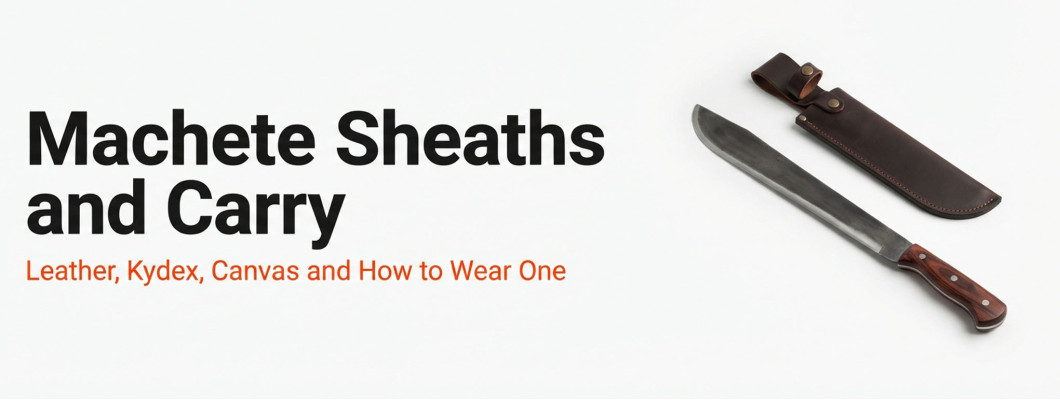
12) Sheath and scabbard (carry safety is part of the tool)
A machete is only practical if it can be carried and stored safely. The sheath or scabbard is not an accessory—it’s part of the machete’s overall quality.
Sheath vs scabbard: what’s the difference?
- Sheath: Often flexible (leather, nylon, reinforced fabric), designed for practical carry.
- Scabbard: More structured (sometimes wood-lined, leather-covered, or rigid), offering stronger edge protection and stable retention.
What a quality sheath/scabbard should include
- Secure retention: The blade stays seated during walking, bending, and movement.
- Reinforced edge protection: The edge should not cut through the material.
- Structured mouth: Helps safe re-sheathing without the opening collapsing.
- Strong build: Durable stitching, rivets, and hardware that won’t fail under daily use.
- Carry comfort: Stable belt loop or hanger that doesn’t flop around.
Common sheath/scabbard problems to avoid
- Loose fit that lets the blade slide out
- Thin material the edge can cut through
- Weak stitching or hardware that tears under load
- A mouth that collapses, making re-sheathing unsafe
How All These Features Come Together in a Quality Machete
A quality machete doesn’t rely on one single feature to prove itself. It works because every detail supports the others. Distal taper improves balance. Balance reduces fatigue. Proper edge geometry increases durability. A well-shaped grip and optional guard improve control and safety. A solid sheath or scabbard makes the tool practical to carry and store.
When these elements are designed honestly and executed well, the machete feels right before it ever cuts. It swings smoothly, bites confidently, and stays comfortable through repeated use. There’s no need for exaggerated styling or marketing claims—real quality is felt immediately.
That’s what defines a true working machete: a tool built to perform, endure, and earn trust through use.
Request a Custom Forge Machete
A quality machete should feel right the moment you pick it up. With a custom forge build from Everest Forge, your machete is made around the details that matter in real use—not generic factory dimensions.
- Custom length, weight, and point of balance
- Proper distal taper for smoother swing and less fatigue
- Convex or concave edge geometry based on your work
- Optional fuller to refine handling and stiffness
- Blade finish chosen for function, not flash
- Ergonomic grip with optional guard for added safety
- Sheath or scabbard built for secure, safe carry
Some of the Best Quality Machete from Everest Forge
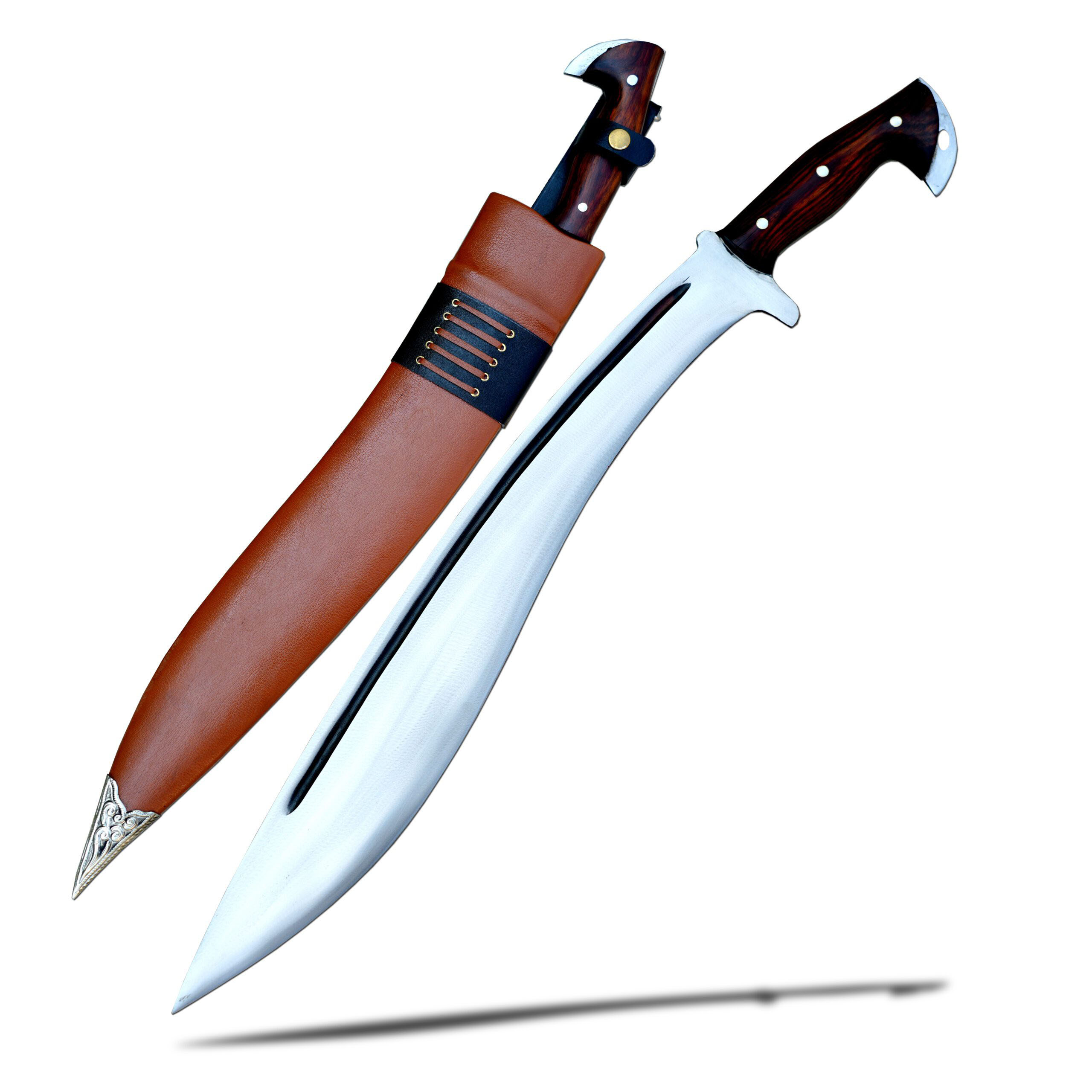
Jungle Hook Machete
A heavy-duty working machete built for powerful cutting and dependable control in real outdoor use.
Buy Now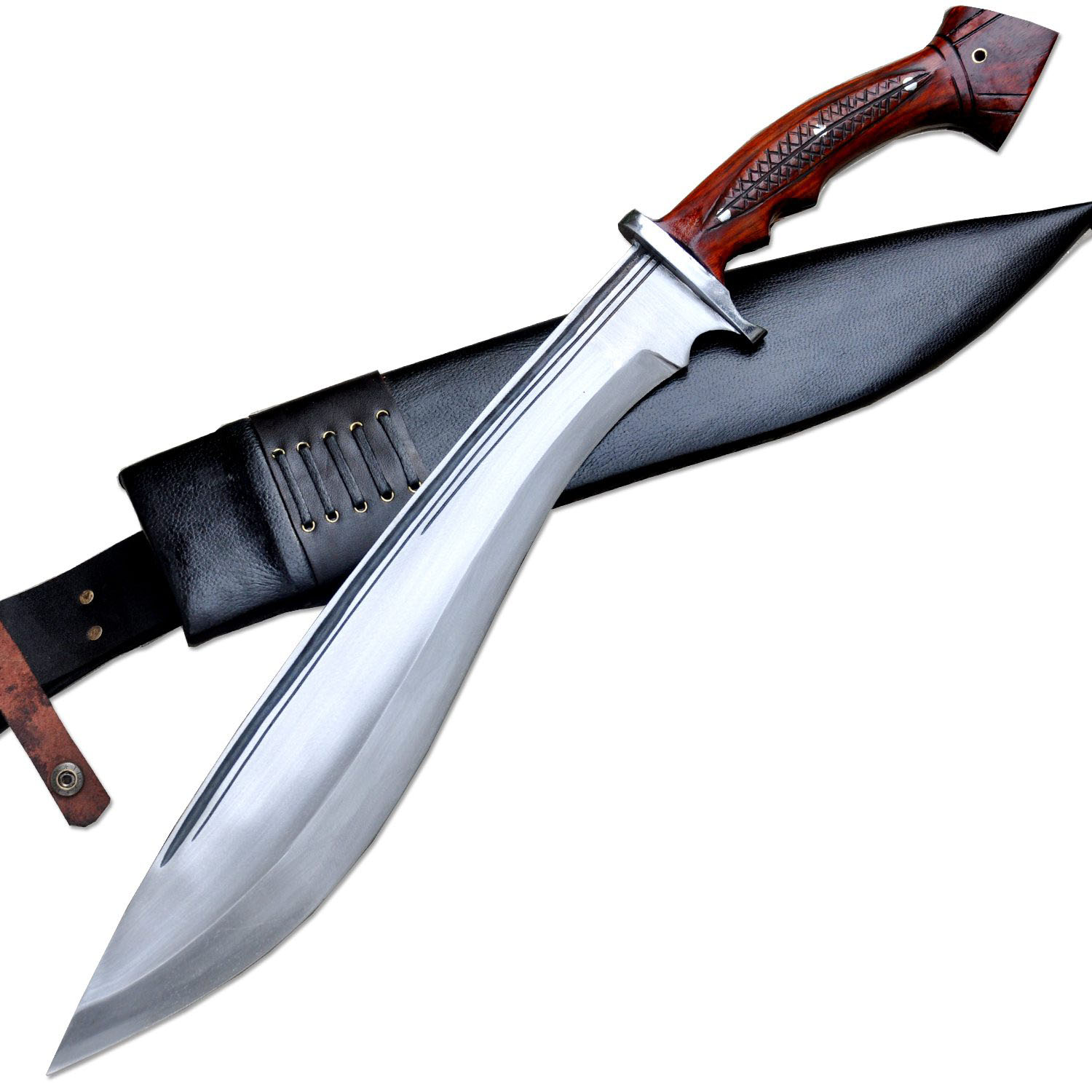
Fatman Machete Jungle Chopper
A wide-blade chopper designed for hard work—strong bite, steady handling, and reliable performance.
Buy Now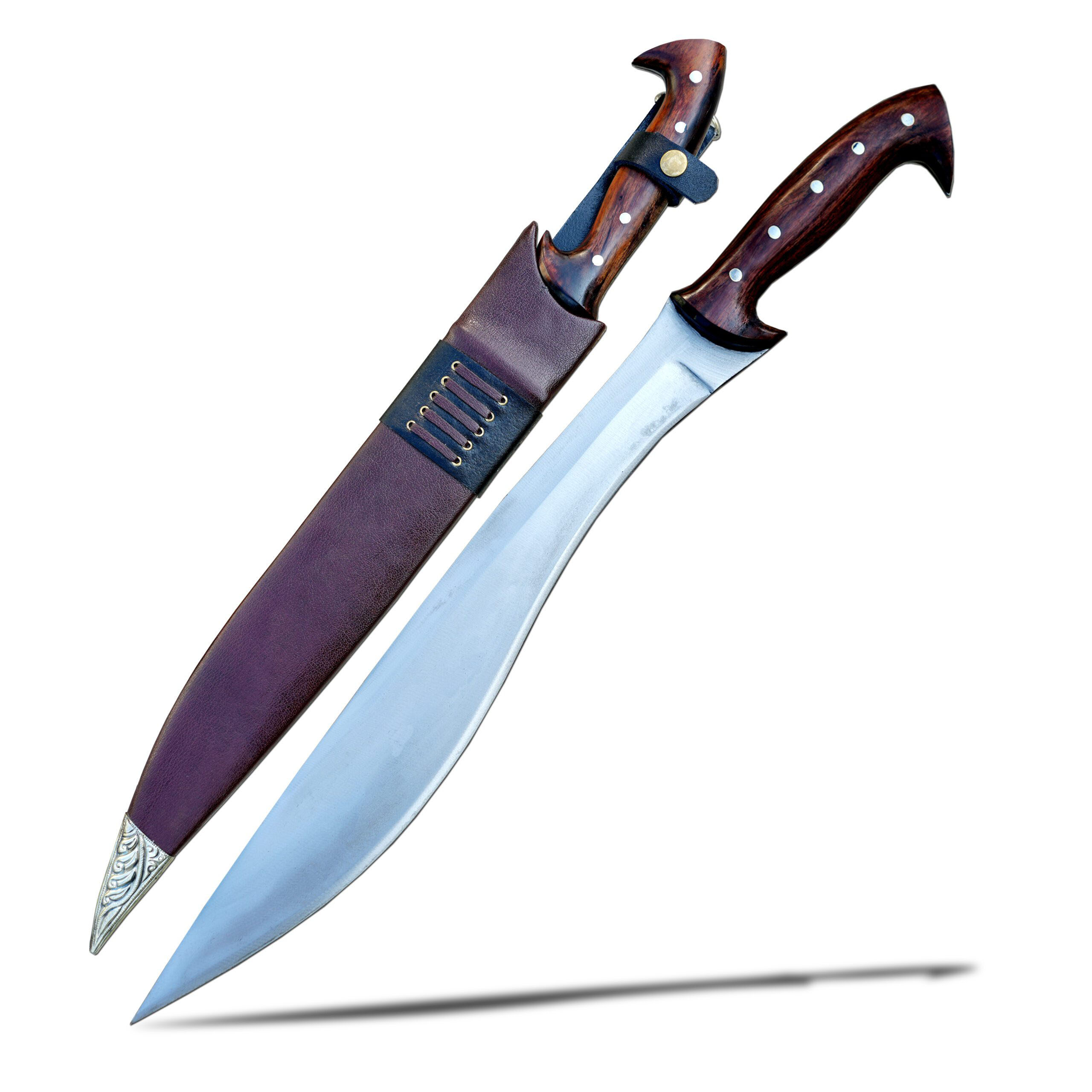
Wide Belly Kopis Sword
A forward-weighted, hand-forged blade made for strong cutting authority and confident control.
Buy Now