How the Khukuri / Kukri Became More Than a Tool
The khukuri, also widely spelled kukri, did not begin its life as a symbol or a legend. It began as a working blade. Long before it appeared in military stories or folklore, it was shaped to meet practical needs—clearing land, cutting wood, preparing food, building shelters, and supporting everyday survival.
Because the khukuri or kukri was always close at hand, people came to trust it. And because it was trusted, meaning slowly gathered around it. Over generations, experience turned into belief, belief into tradition, and tradition into stories. This is how the kukri moved from being simply useful to being deeply respected.
Some of these beliefs developed within Himalayan communities, others spread through Gurkha service abroad, and many evolved through oral storytelling. Not every family or region shares the same views, but together they explain why the khukuri is rarely treated as an ordinary knife.
Why Myths and Beliefs Formed Around the Khukuri (Kukri)
Myths usually form around objects that carry responsibility. The khukuri mattered because it appeared in moments that mattered—work, danger, ritual, and protection. When a blade becomes part of survival and social identity, people naturally begin to explain it through stories.
Many kukri myths are not meant to be followed literally. They are cultural lessons told in dramatic form. They warn against careless handling, teach discipline, and remind the owner that carrying a khukuri means carrying responsibility.
The Belief That a Drawn Khukuri Must Taste Blood
One of the most widely repeated khukuri stories says that once the blade is drawn, it must draw blood before being returned to the sheath. Some versions even suggest cutting one’s own finger if no enemy is present.
In reality, this belief works best as symbolic folklore. Its purpose was to discourage casual or ego-driven use. Drawing a kukri was meant to signal seriousness, not intimidation. The story survived because it taught restraint, not because it was a rule to be followed.
The “Returning Blade” or Boomerang Myth
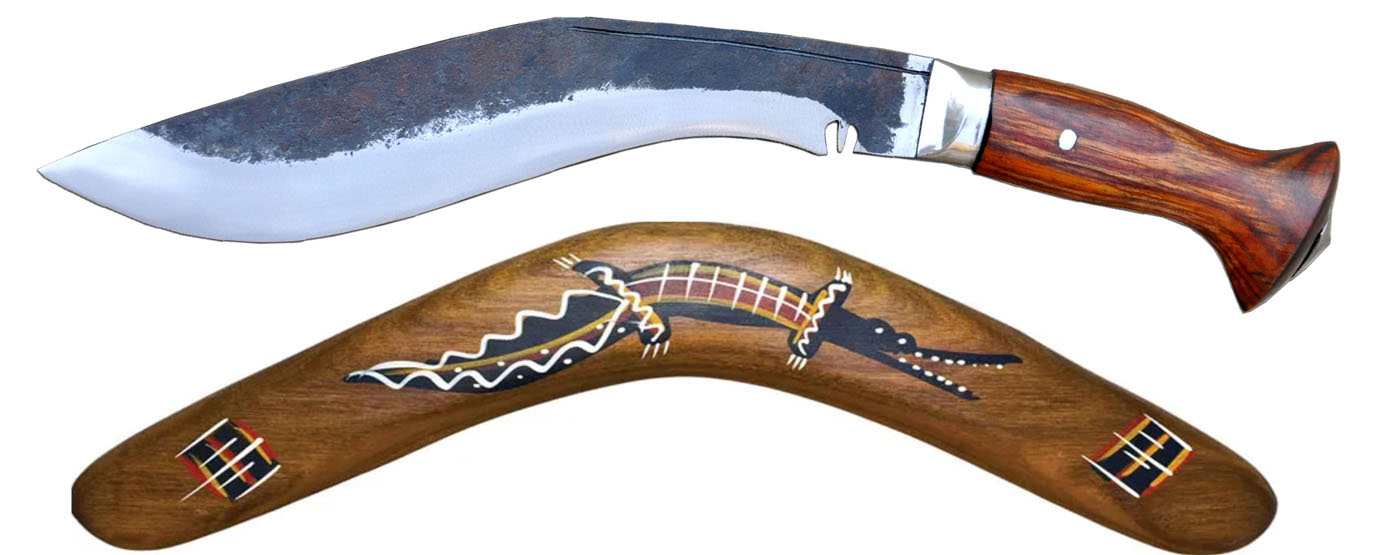
An old rumor claims that a kukri could be thrown at an enemy and return to the owner’s hand like a boomerang. This belief belongs firmly to folklore.
Such stories often appear when fear and imagination mix. The khukuri’s curved shape and fearsome reputation made it easy for exaggerated tales to spread. While unrealistic, the myth shows how people once viewed the blade as something beyond ordinary tools.
Protection From Negative Energy and Bad Dreams
In some traditions, especially in rural households, the khukuri is believed to protect against harmful influences such as bad dreams, negative energy, or ill intent. Some families kept a kukri near sleeping areas as a form of spiritual guarding.

Even when understood symbolically, this belief reflects trust. The khukuri represents readiness and protection, much like sacred objects or talismans in other cultures.
Gurkhas and the Global Spread of Kukri Legends
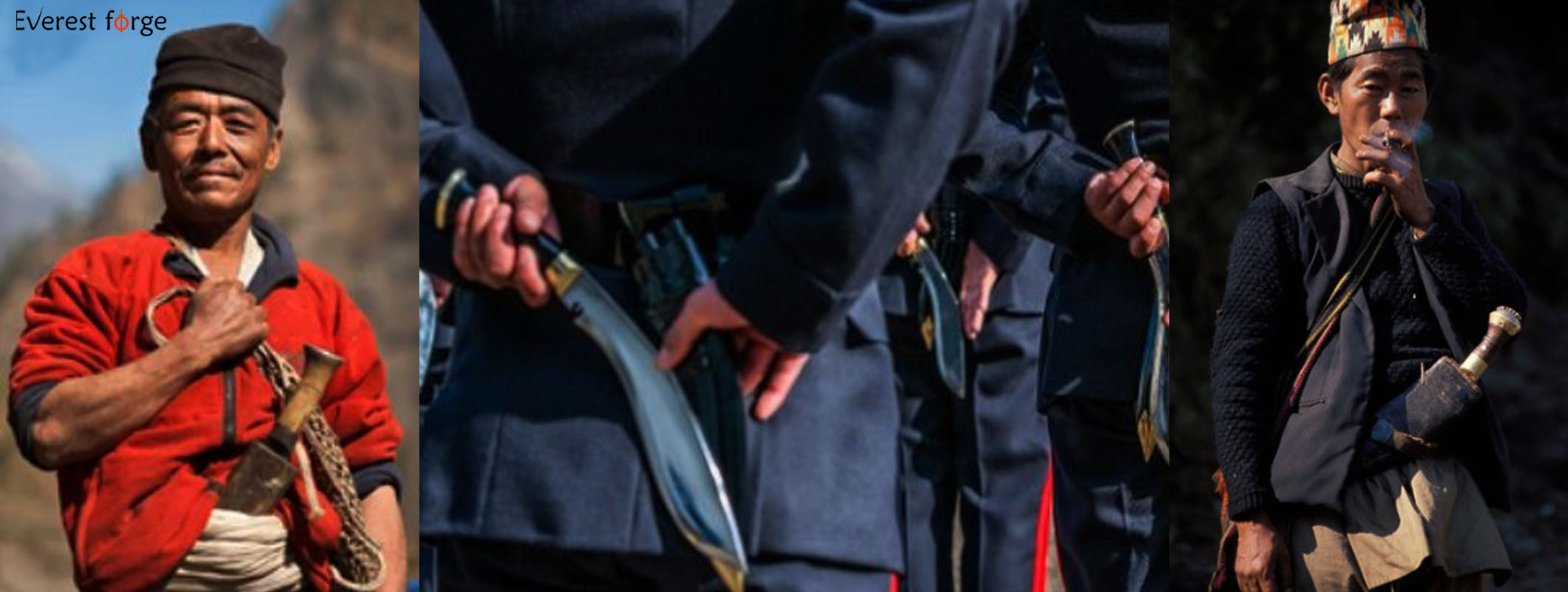
The khukuri became internationally known through the Gurkhas. As Gurkha soldiers earned a reputation for bravery, discipline, and endurance, their traditional kukri gained attention wherever they served.
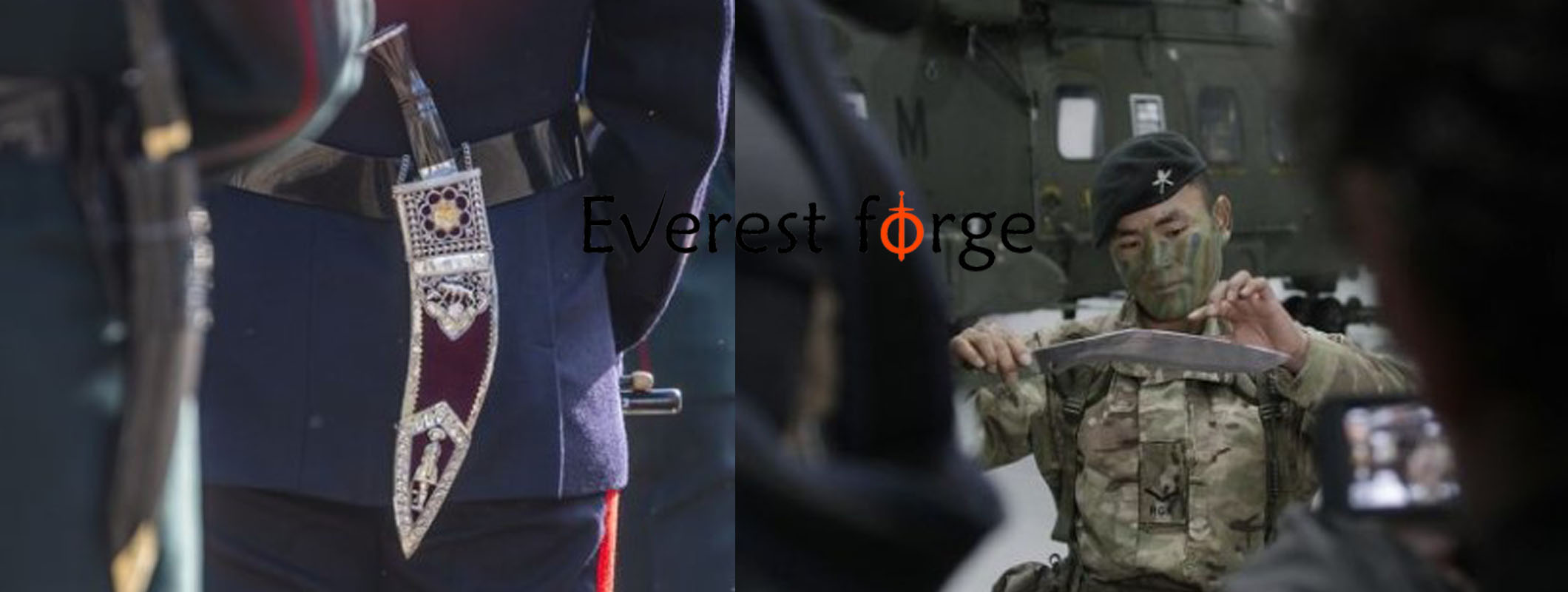
Many khukuri myths spread globally through battlefield stories. Some were exaggerated by enemies in fear, others repeated by allies in admiration. Over time, these accounts blended with older village beliefs, shaping the kukri’s legendary image.
“Better to Die Than Be a Coward”
The phrase “Better to die than be a coward” is closely associated with Gurkha identity. In kukri storytelling, this idea connects the blade to resolve and duty.
The message is not about aggression. It reflects courage under pressure, loyalty to responsibility, and the willingness to stand firm when retreat would mean abandoning duty.
“Ayo Gorkhali” and Psychological Impact
The Gurkha war cry “Ayo Gorkhali” (“The Gurkhas are here”) is often remembered alongside khukuri stories . In many accounts, the sound of the cry combined with the sight of curved blades created fear before physical conflict even began.
While some stories are exaggerated, they explain how the kukri gained a reputation not only as a cutting tool, but as a symbol of psychological dominance.
Never Drawn Without Purpose
A belief shared across many traditions is that a khukuri should never be drawn casually—not for display, intimidation, or ego.
This idea appears repeatedly in kukri myths. It reinforces discipline and self-control, reminding the owner that power without restraint leads to dishonor.
Manhood, Honor, and Social Identity
In many communities, carrying or receiving a khukuri marked maturity and responsibility. It symbolized readiness to protect family, uphold dignity, and contribute to society.
To be described as “a man with a kukri” implied courage, loyalty, and character—not aggression. This symbolism remains strong in traditional settings.
The Cho (Kaudi) Notch: Meaning and Debate
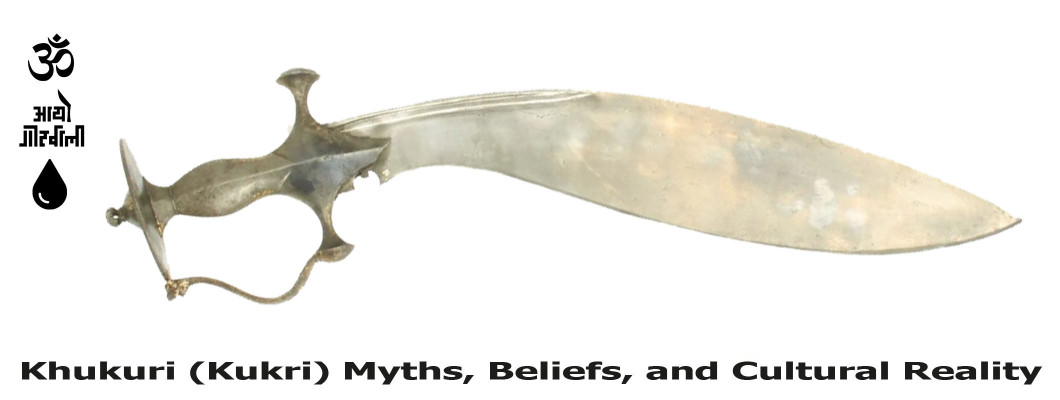
The notch near the base of many khukuris—known as the cho or kaudi—is one of the blade’s most recognizable features.
Symbolically, it is often linked to sacred imagery such as a cow’s hoof or Hindu spiritual forms. Practically, some believe it helps prevent fluid from running onto the handle, while others argue its role is mainly traditional. Regardless of interpretation, the cho remains a defining cultural signature of the kukri.
Dashain Rituals and the Single Clean Strike
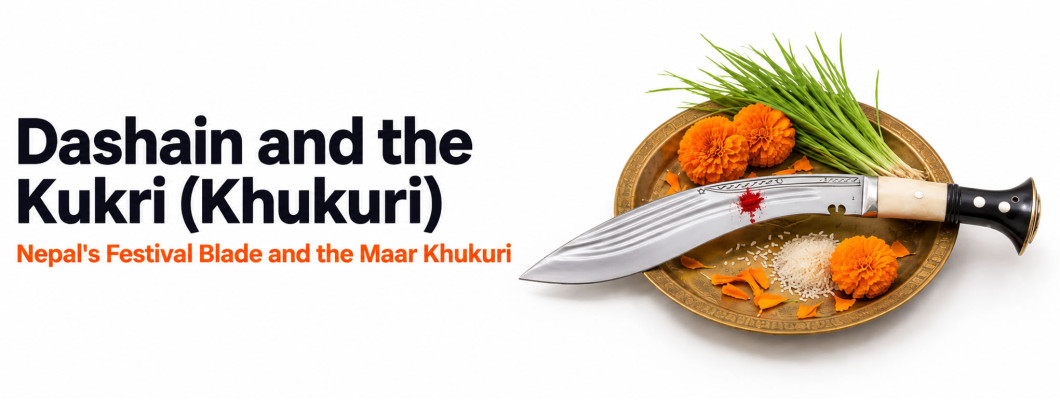
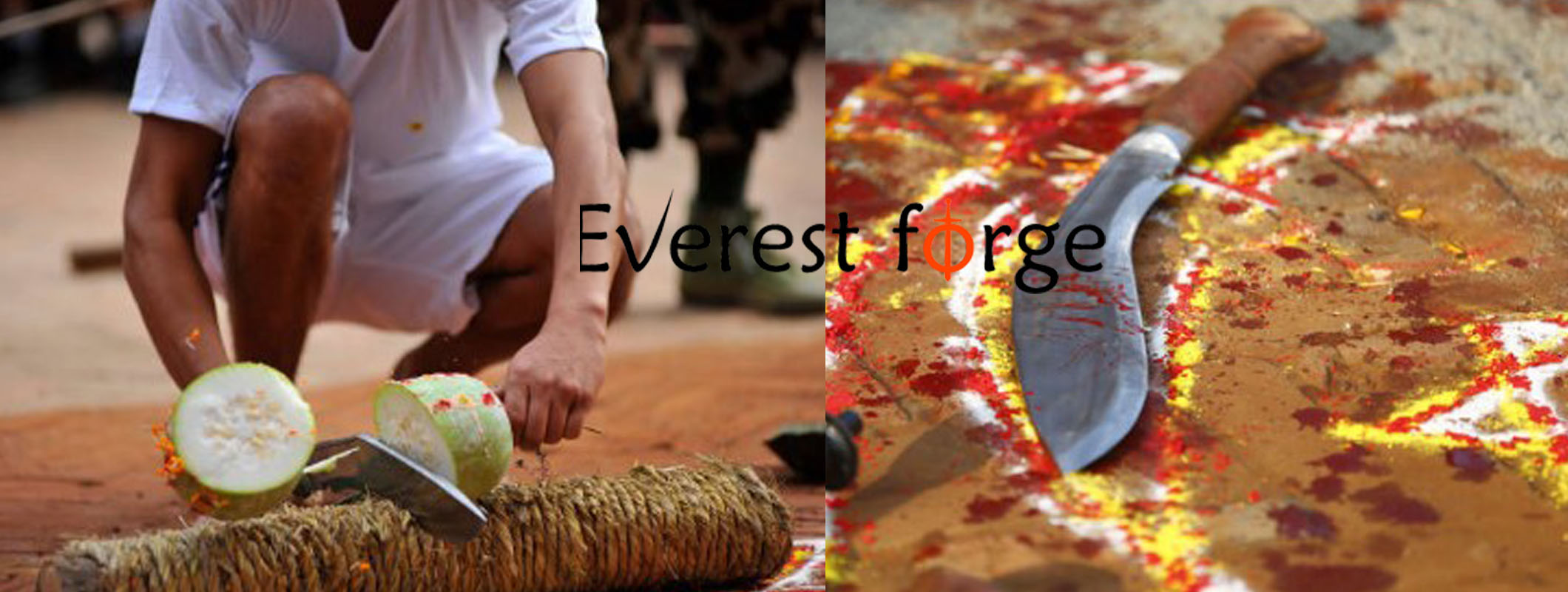
During Dashain, Nepal’s most important festival, khukuris are sometimes associated with ceremonial sacrifice. A long-held belief says the offering should be completed with a single clean strike.
The deeper meaning is responsibility. The person chosen must remain calm and capable, showing respect for the ritual. Success is associated with honor and preparedness.
Myth vs Reality: Understanding the Khukuri / Kukri Clearly
| Common Myth | Cultural Reality |
|---|---|
| A khukuri must always draw blood once unsheathed. | This is symbolic folklore meant to discourage careless or ego-driven use. In reality, both khukuri and kukri are drawn daily for work and utility. |
| A kukri can be thrown like a boomerang and return. | A village-era legend reflecting fear and admiration, not real practice. |
| The cho notch exists only to stop blood. | The cho has symbolic, cultural, and identifying roles. Its practical use is debated. |
| All Gurkhas follow identical kukri rules. | Traditions vary by era, unit, family, and individual. |
| Khukuri beliefs apply the same everywhere. | Beliefs differ by region, household, and cultural context. |
Why These Stories Still Matter
Khukuri and kukri myths survive because they teach restraint, respect, and responsibility. They explain why the blade is often kept as an heirloom rather than treated casually.
The kukri remains respected because it combines real function with lived meaning—rooted in Nepal, carried by Gurkhas, and recognized worldwide.
The Khukuri / Kukri as a Living Tradition
The khukuri endures because it balances practicality with belief. It has served daily life, ritual practice, and warfare while carrying stories that shaped behavior and identity.
This blend of use, tradition, and memory is what makes the khukuri or kukri more than steel. It is a living tradition.
Frequently Asked Questions About the Khukuri / Kukri
Is “khukuri” the same as “kukri”?
Yes. Khukuri and kukri refer to the same Nepal-origin blade. “Khukuri” is closer to local spelling and pronunciation, while “kukri” is a common international spelling.
Is it true a khukuri must draw blood before being put away?
This is a famous myth, but it is best understood as symbolic folklore. The story exists to teach restraint—meaning the kukri should not be drawn casually, for display, or in anger.
Did Gurkhas really use the kukri in battle?
Yes. Gurkhas are strongly associated with the kukri, and it is well known in Gurkha tradition. However, many dramatic war stories are exaggerated over time. The deeper truth is that the khukuri became a symbol of discipline, courage, and readiness.
Can a kukri really be thrown like a boomerang and return?
No. That is a village-era legend. It reflects the blade’s reputation and the way fear and admiration can grow into folklore, not a real technique.
What is the notch on a khukuri called?
The notch near the base of many khukuris is commonly called the cho or kaudi. It is a culturally distinctive feature and has both symbolic interpretations and debated practical explanations.
What does the cho (kaudi) notch mean?
Meanings vary by tradition, but many people connect the cho to sacred imagery (often described as a cow’s hoof or spiritual forms). Some also explain it as a traditional design feature with possible practical roles, though opinions differ.
Is the khukuri used in Dashain rituals?
In some communities, khukuris are associated with ceremonial sacrifice during Dashain. A common belief says the offering should be completed with one clean strike. The deeper meaning is responsibility and respect for ritual.
Are all khukuri beliefs followed the same way everywhere?
No. Beliefs around the khukuri / kukri vary by region, family, and personal tradition. Many stories function as cultural lessons rather than strict rules.
Why do people say the khukuri has spiritual protection power?
Some households view the khukuri as a guardian symbol that helps repel negative energy or bad dreams. Whether taken literally or symbolically, it reflects how deeply people trusted the blade to represent safety and strength.
Why is the kukri still respected worldwide today?
The kukri is respected because it combines real-world usefulness with cultural meaning. Its connection to Nepal, village life, and Gurkha tradition gave it a reputation that continues among collectors and outdoor users worldwide.