Practical Techniques for Using a Khukuri Safely and Effectively
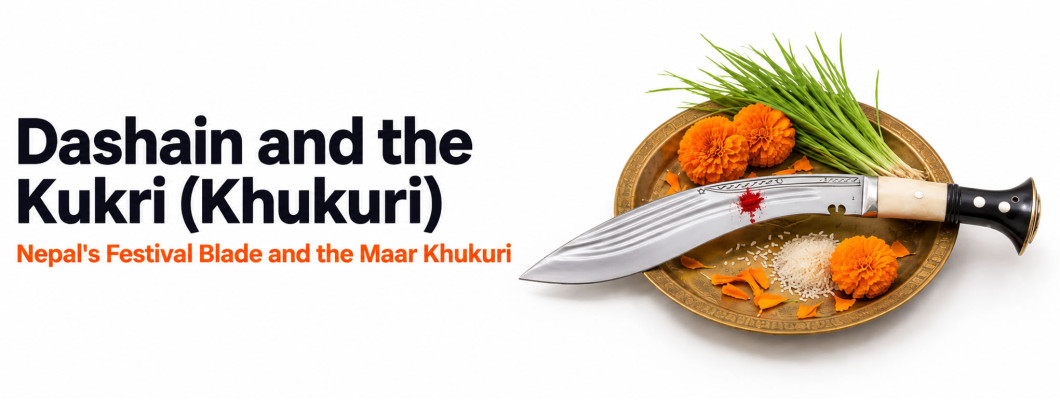
The khukuri (kukri) is often misunderstood as a blade that needs special training or a formal course to use properly. In reality, it does not. Like any single-edged working knife, skill develops naturally with time, effort, and hands-on use. What makes the kukri different is its forward-curved blade—and once you understand how that shape works, everything else comes naturally.
This guide explains how to cut and chop using a kukri in a simple, practical way, based on real use rather than theory.
Why the Kukri Cuts Differently
The kukri’s forward curve is functional, not decorative. The blade carries more weight toward the front, which increases momentum during a swing. This allows deeper, more effective cuts with less effort compared to straight knives. When used correctly, the kukri rewards good motion rather than raw strength.
Hold the Handle Firmly
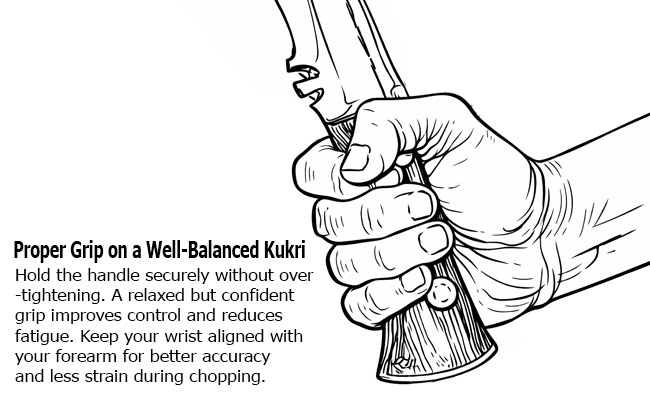
The most important starting point is your grip. Hold the handle firmly and confidently, but do not over-tighten your hand. A grip that is too stiff reduces control and quickly tires your arm. A steady, controlled grip allows the blade to move naturally and strike cleanly.
Keep your wrist aligned with your forearm. This improves accuracy and reduces strain during repeated chopping.
Use the Sweet Spot of the Edge
Every kukri has a sweet spot, usually located near the widest, forward-curved section of the blade. This is where cutting power is highest. Instead of striking with the base or the very tip, aim to land your cuts with this area.
- Let the sweet spot make first contact.
- Allow the blade’s weight to carry through the cut.
Cut and Chop at an Angle
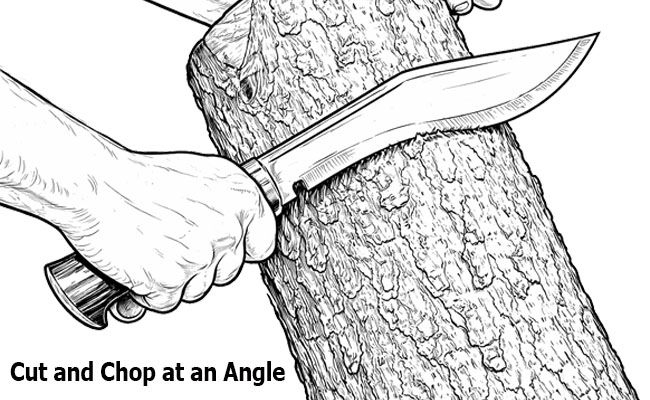
A kukri is designed for angular cutting, not straight downward chopping. Swing the blade in a slightly diagonal motion so the edge slices as it lands. This slicing-chop action increases penetration and reduces resistance.
- Avoid straight vertical strikes.
- Use a diagonal arc that follows the curve of the blade.
- Focus on accuracy rather than brute force.
Keep One Arm’s Distance From the Target
Maintain about one arm’s length between you and the target. This distance gives the blade enough room to build momentum and follow a natural arc, improving both power and safety.
- Better swing control
- More effective cutting force
- Reduced risk of glancing hits
Hack One Side Until the Cut Is Complete
When chopping wood, bone, or thick material, focus on cutting from one side only until the object is fully cut through. Switching sides too early slows progress and can cause the blade to bind.
- Strike the same side repeatedly.
- Let the cut deepen naturally.
- Continue until the material separates completely.
Learning Comes With Use
A kukri does not demand formal training. Skill comes from repetition, understanding balance, and learning how the blade responds to movement. Start with lighter tasks and softer materials. As confidence grows, accuracy and efficiency follow.
With time, the kukri stops feeling like a tool and begins to feel like a natural extension of your arm—powerful, controlled, and dependable.
Want to Learn Proper Khukuri Handling in Detail?
This article covers the basics of using a kukri for cutting and chopping. If you want a deeper understanding of grip styles, balance control, safe handling, traditional use, and real-world working techniques, we’ve put together a dedicated guide.
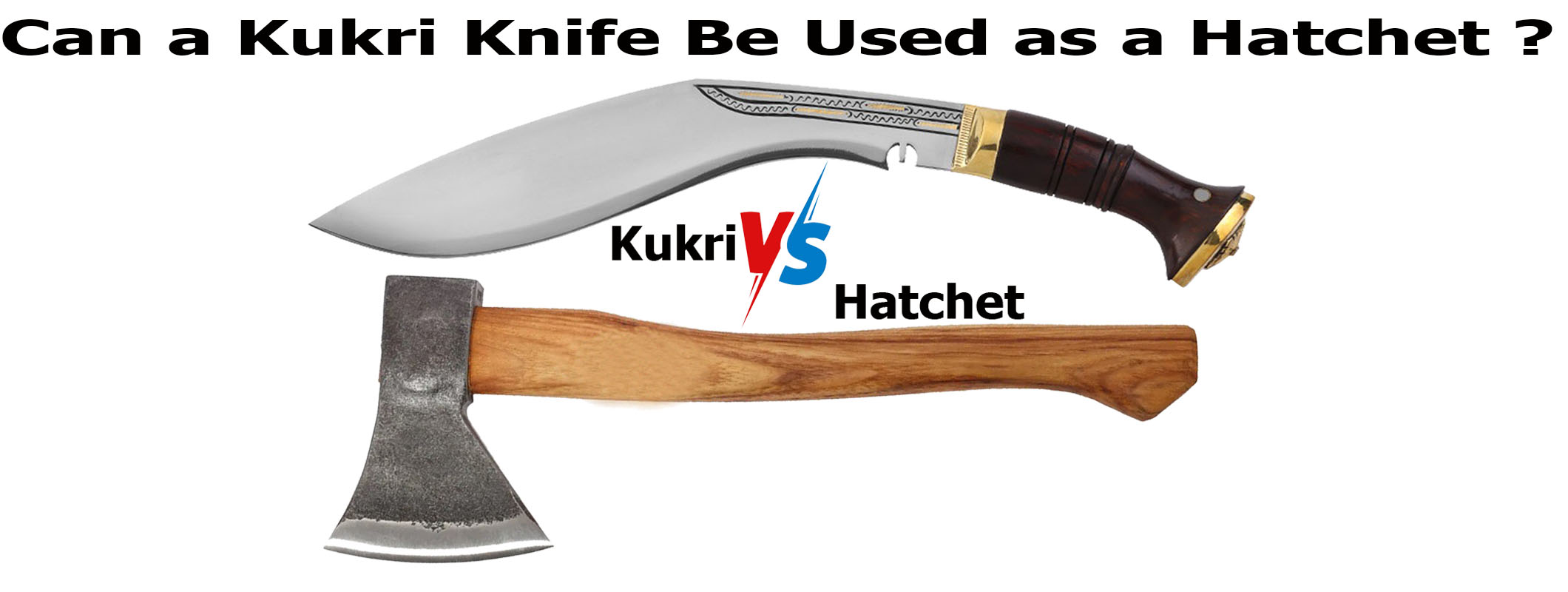
Can a Kukri Knife Be Used as a Hatchet? Comparison & Practical Uses
A practical comparison of kukri and hatchet performance for chopping, wood processing, balance, control, and real outdoor use—based on function, not theory.