Key Features of a Quality Machete
A machete is a versatile cutting tool for clearing brush, yard work, camping, and survival. Not all machetes are built the same. The best choices share core attributes that determine performance, durability, and safety. Use the sections below to evaluate a machete before you buy.
Blade Material
The blade steel affects sharpness, edge retention, corrosion resistance, and maintenance. Carbon steel takes a very sharp edge and is easy to resharpen, but it needs regular cleaning and oiling to prevent rust. Stainless steel resists rust and is low maintenance, though it may not hold an edge as long. High carbon stainless combines sharpness with corrosion resistance for a balanced, premium option.
Blade Construction
Construction quality drives strength and reliability. Full tang means the steel runs through the handle for maximum strength and stability. Proper heat treatment improves toughness and edge retention so the blade does not chip or snap. Protective finishes reduce cutting friction and add rust resistance.
Blade Length and Thickness
Size determines cutting power, reach, and control. Most machetes range from 10 to 28 inches. Longer blades offer more reach and momentum for clearing, while shorter blades improve precision and maneuverability. Thick blades are better for heavy chopping and resisting abuse. Thinner blades are lighter and faster for light clearing.
Blade Shape and Edge
Edge geometry changes how the machete moves through different materials. A straight edge is versatile for general slicing and chopping. A curved edge improves slicing efficiency through dense vegetation. Some machetes include serrations on the spine for sawing vines and rope, but plain edges are easier to sharpen and maintain.
Handle Design and Comfort
A secure, comfortable grip improves control and reduces fatigue. Wood offers a traditional feel and warmth in the hand. Rubber provides shock absorption and wet grip. Durable plastics and polymers resist weather and wear. Ergonomic shapes, finger grooves, contours, and texture help prevent slipping. Good balance between blade and handle lowers wrist strain during long sessions.
Durability and Field Reliability
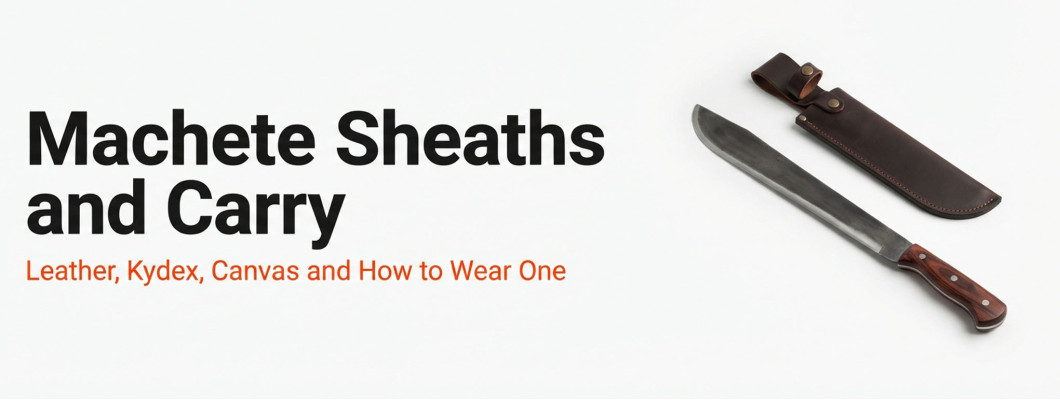
Quality details add up to a long service life. Look for secure hardware with riveted or bolted handle scales and no looseness. A solid sheath protects the edge and allows safe carry and storage. Consistent fit and finish, even grind lines, clean edges, and a tight handle fit indicate good craftsmanship.
Value and Warranty
Great machetes exist at many price points. Focus on what you get for the cost. Strong steel, full tang construction, and good heat treatment are worth paying for. Included extras such as a quality sheath or a simple sharpening tool increase value. A clear warranty and responsive customer support provide peace of mind.
Frequently Asked Questions
What is the best blade steel for a machete?
Carbon steel delivers the sharpest edge and easy resharpening. Stainless steel offers low maintenance and rust resistance. High carbon stainless provides a balanced mix of sharpness and corrosion resistance.
Is full tang construction necessary?
Yes. Full tang construction increases strength and reliability, especially for heavy chopping, and reduces the chance of failure at the handle.
What blade length is best?
For most users, 12 to 18 inches is versatile. Choose longer for clearing brush and shorter for precision work and easier carry.
How should I maintain a machete?
Clean the blade after use, apply a light coat of oil to prevent rust, sharpen as needed, and store it dry in a sheath. Avoid prolonged exposure to moisture.
Do machetes come with sheaths?
Most quality machetes include a sheath, but materials and durability vary. Check the product details to confirm what is included.