Viking Sword Types Explained: Petersen Typology, Blade Design, and Real Combat Use
Viking swords remain some of the most recognizable weapons in history. They were practical battlefield tools, symbols of status, and objects of craftsmanship that reflected the identity of the warrior who carried them. Yet once you start looking deeper into the subject, the terminology quickly becomes confusing. Names like Type H, Type S, or Type Æ appear everywhere, but many articles do not clearly explain what those labels actually mean.
This guide breaks down Viking sword types in a way that is easier to follow. It explains Petersen typology, the main physical features of Viking swords, how these blades changed over time, and how they were really used in combat. The goal is not just to list classifications, but to make sense of them in a way that is useful for collectors, enthusiasts, and anyone looking for a historically inspired Viking sword today.
What Is Petersen Typology?
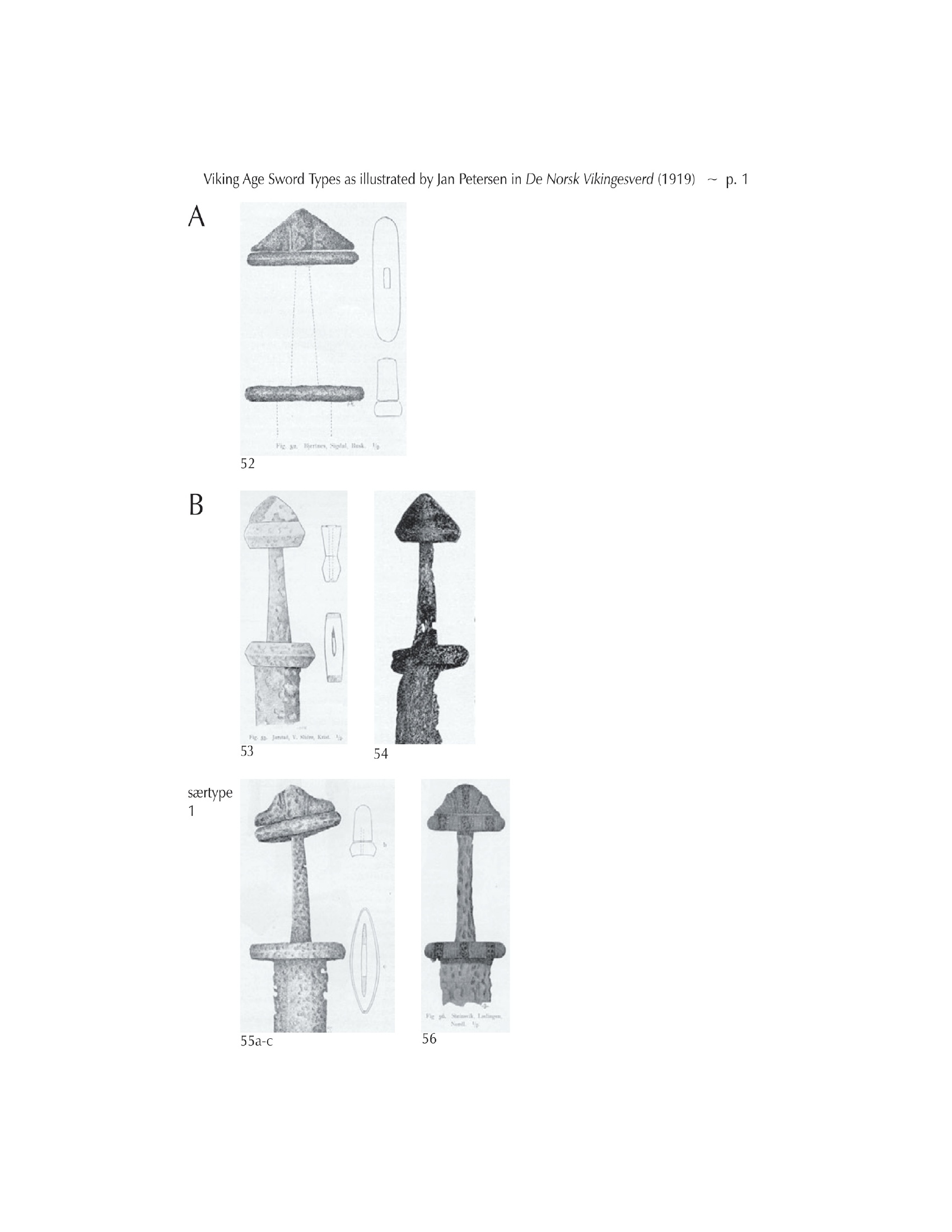
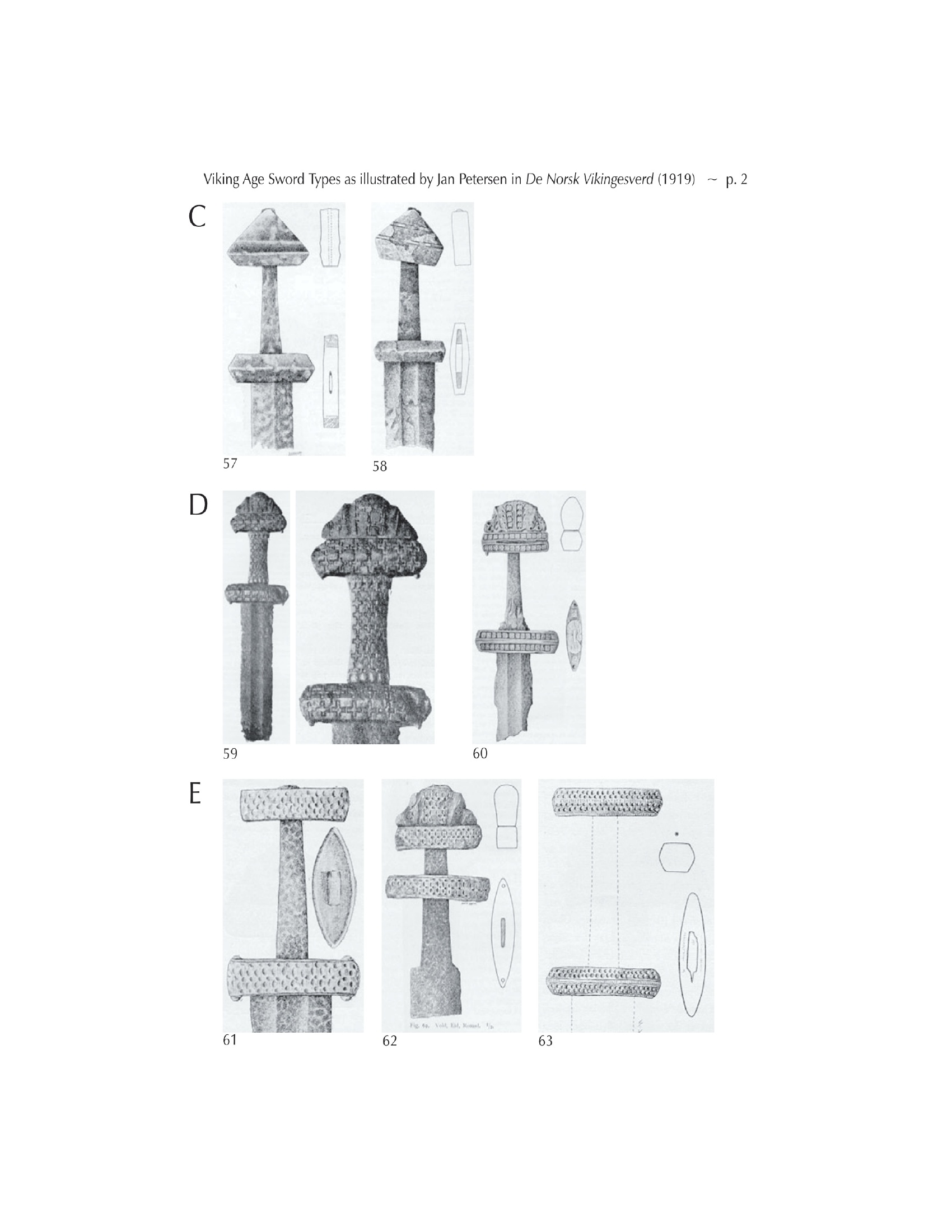
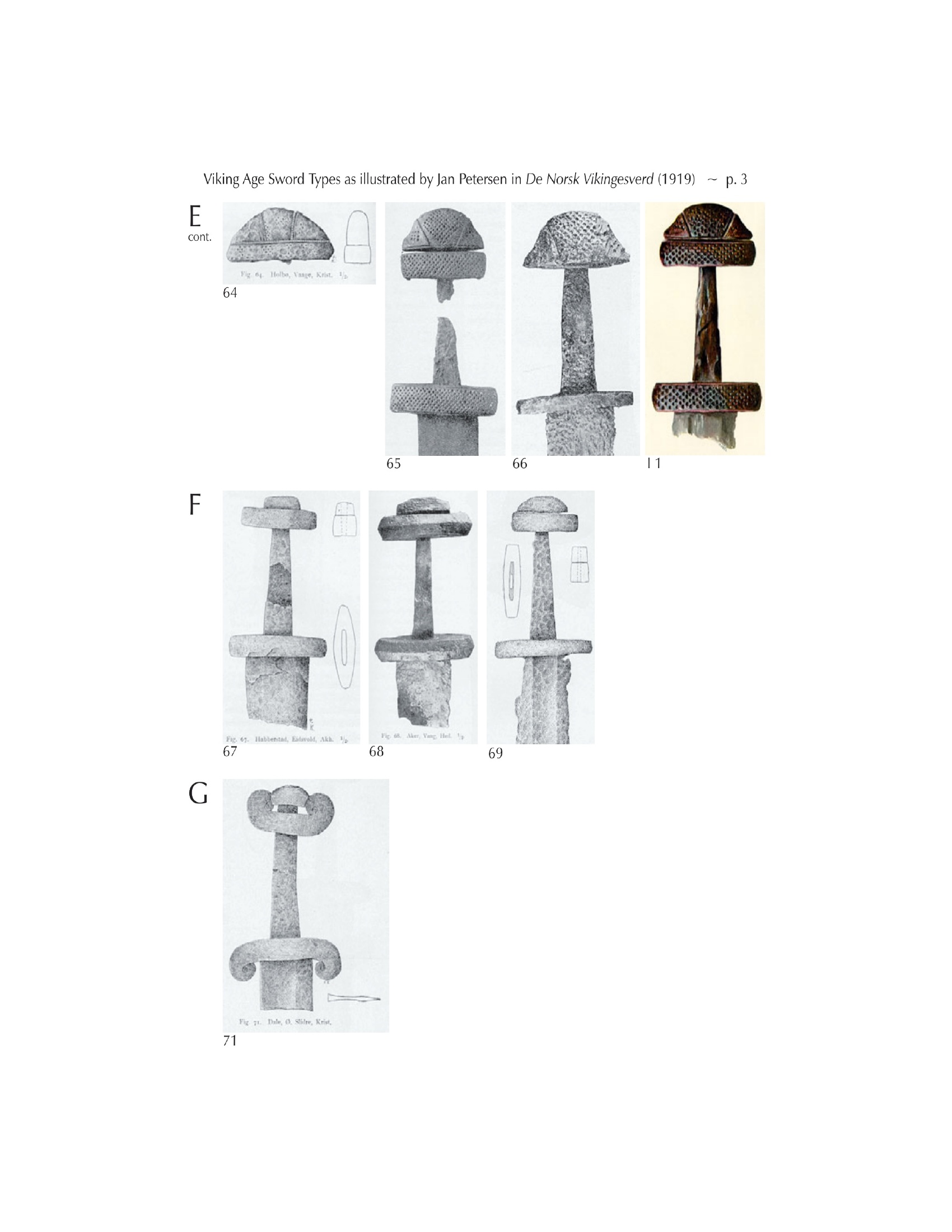
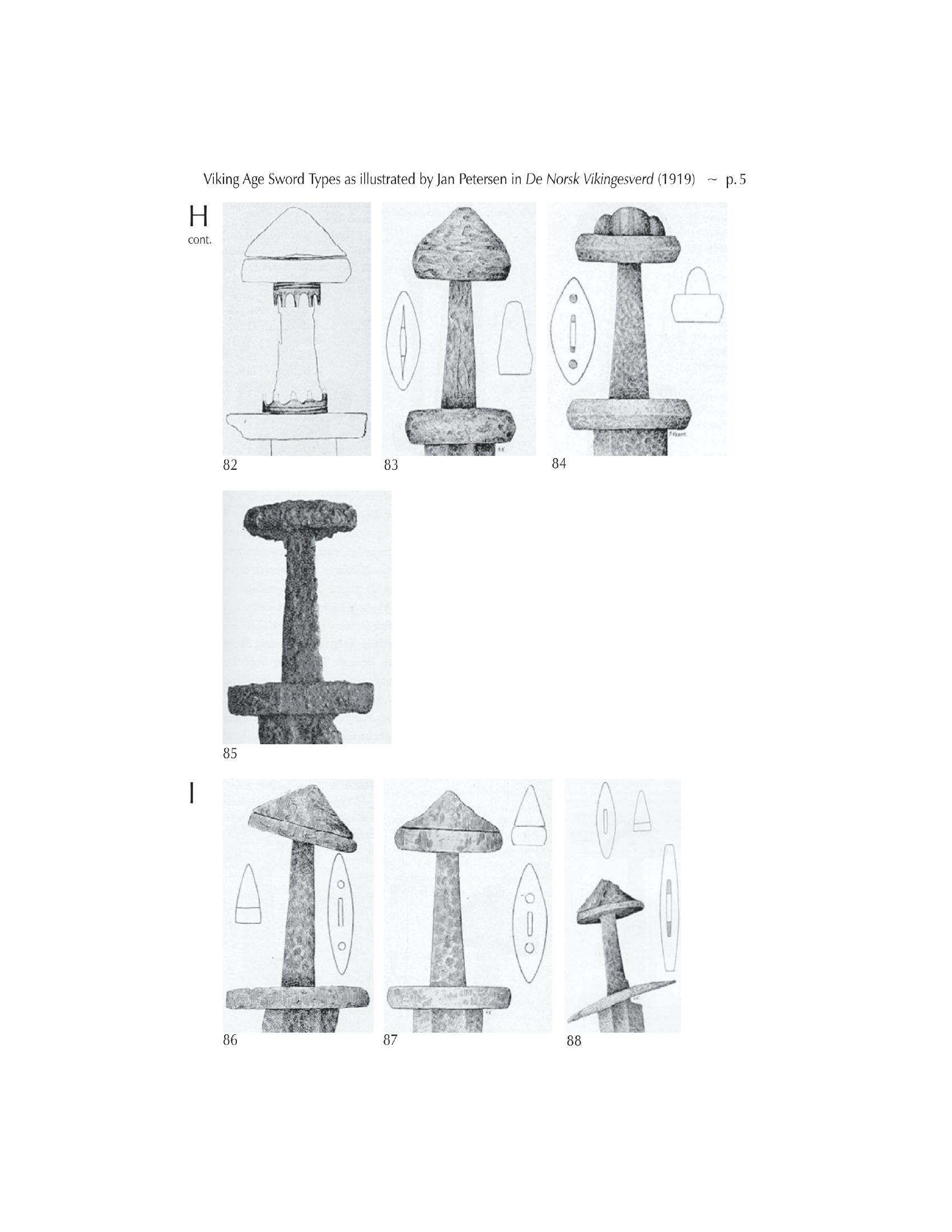
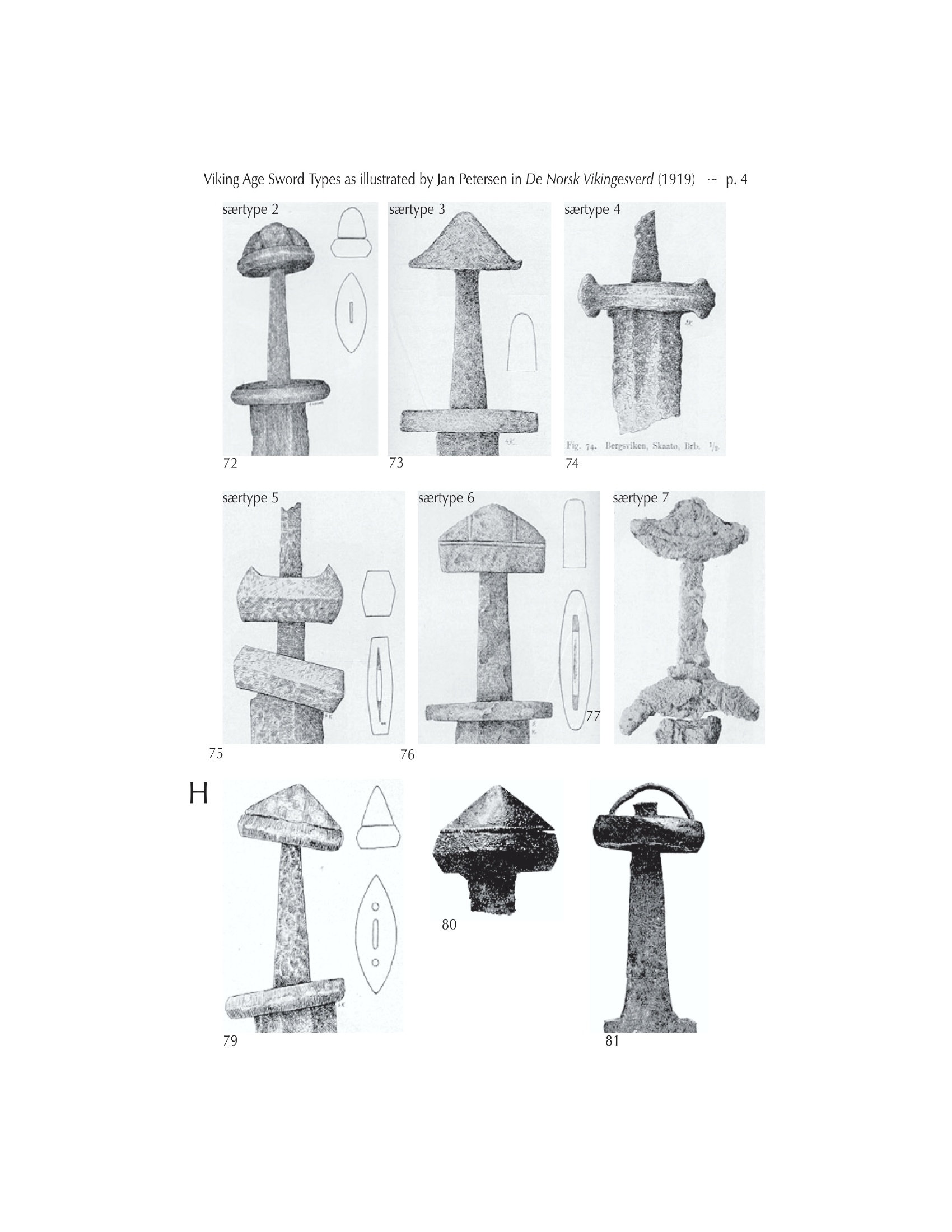
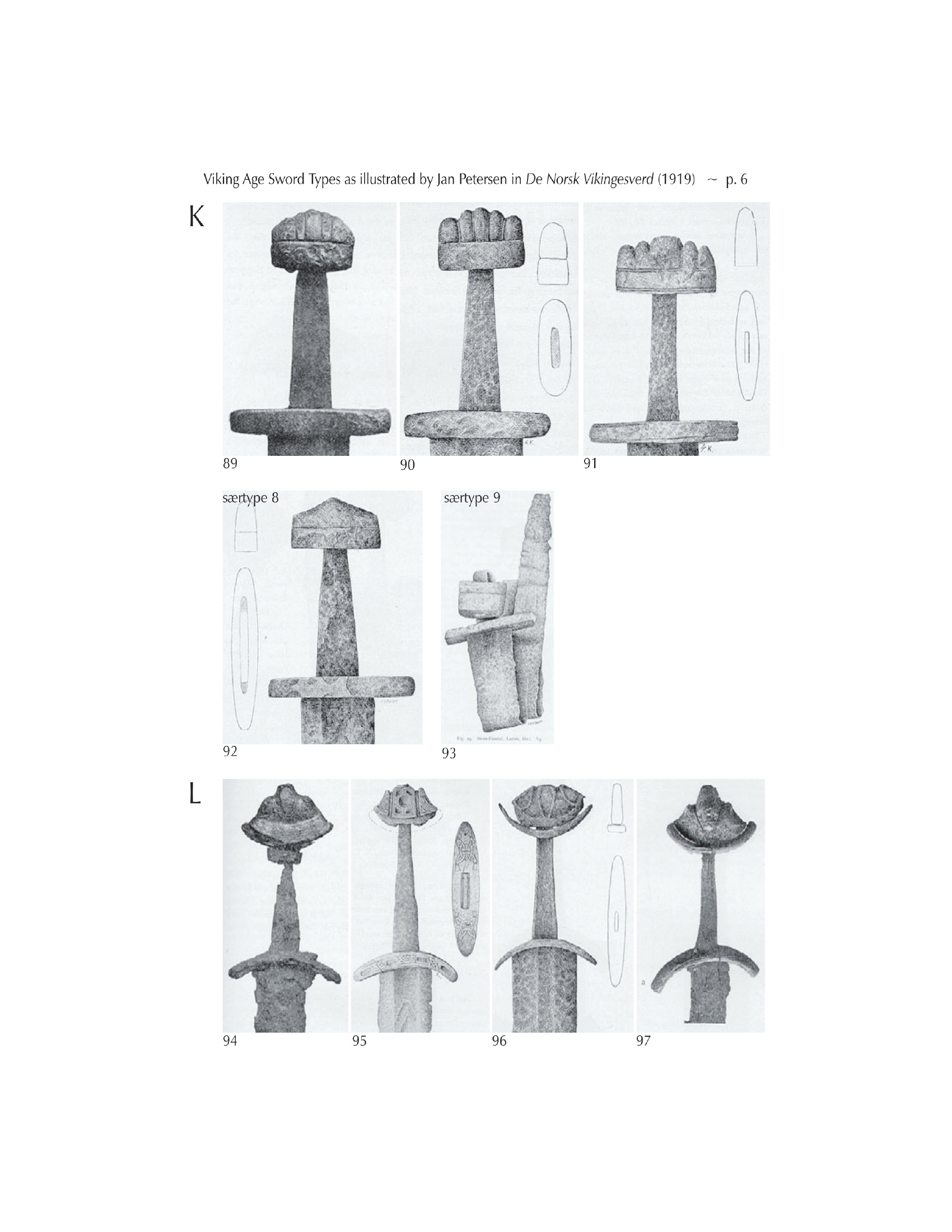
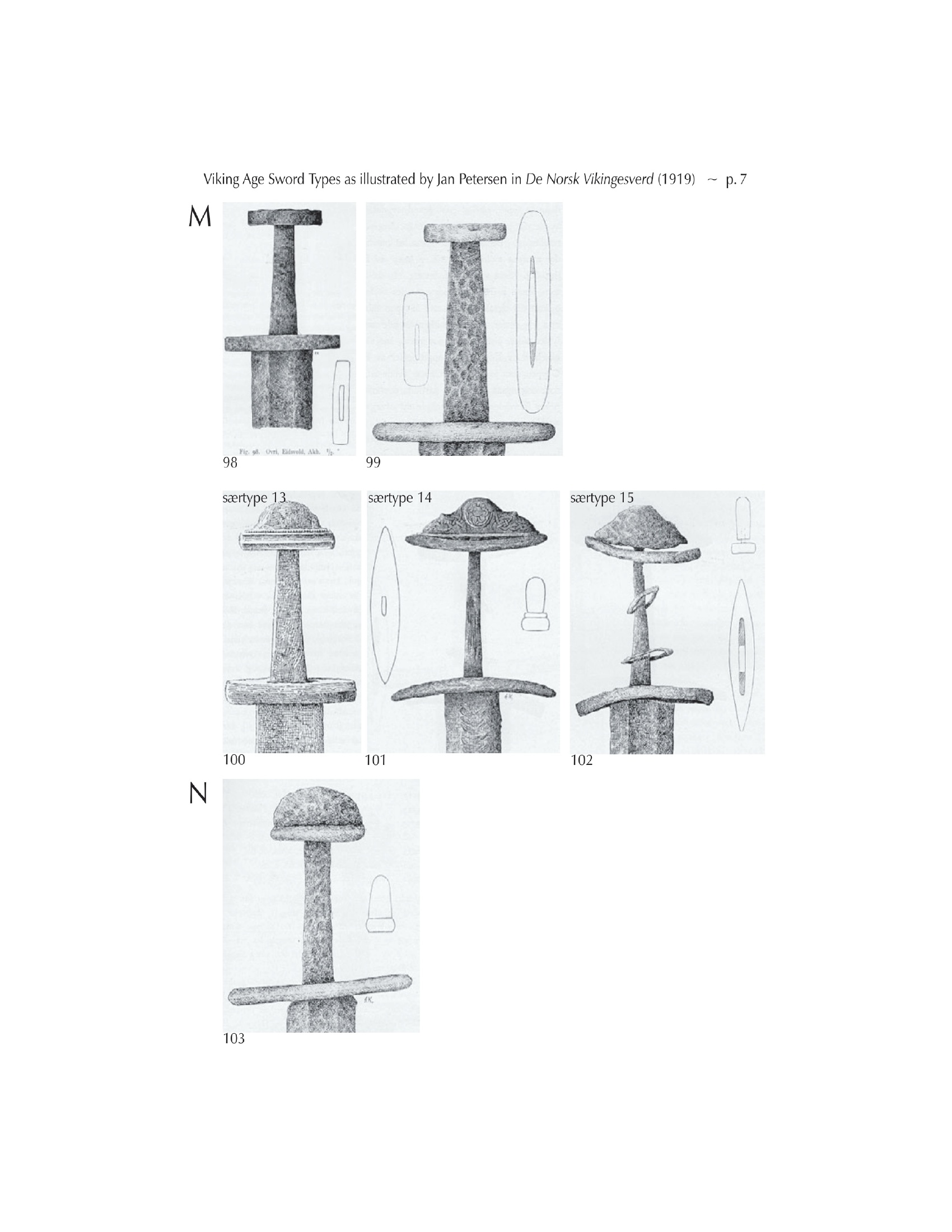
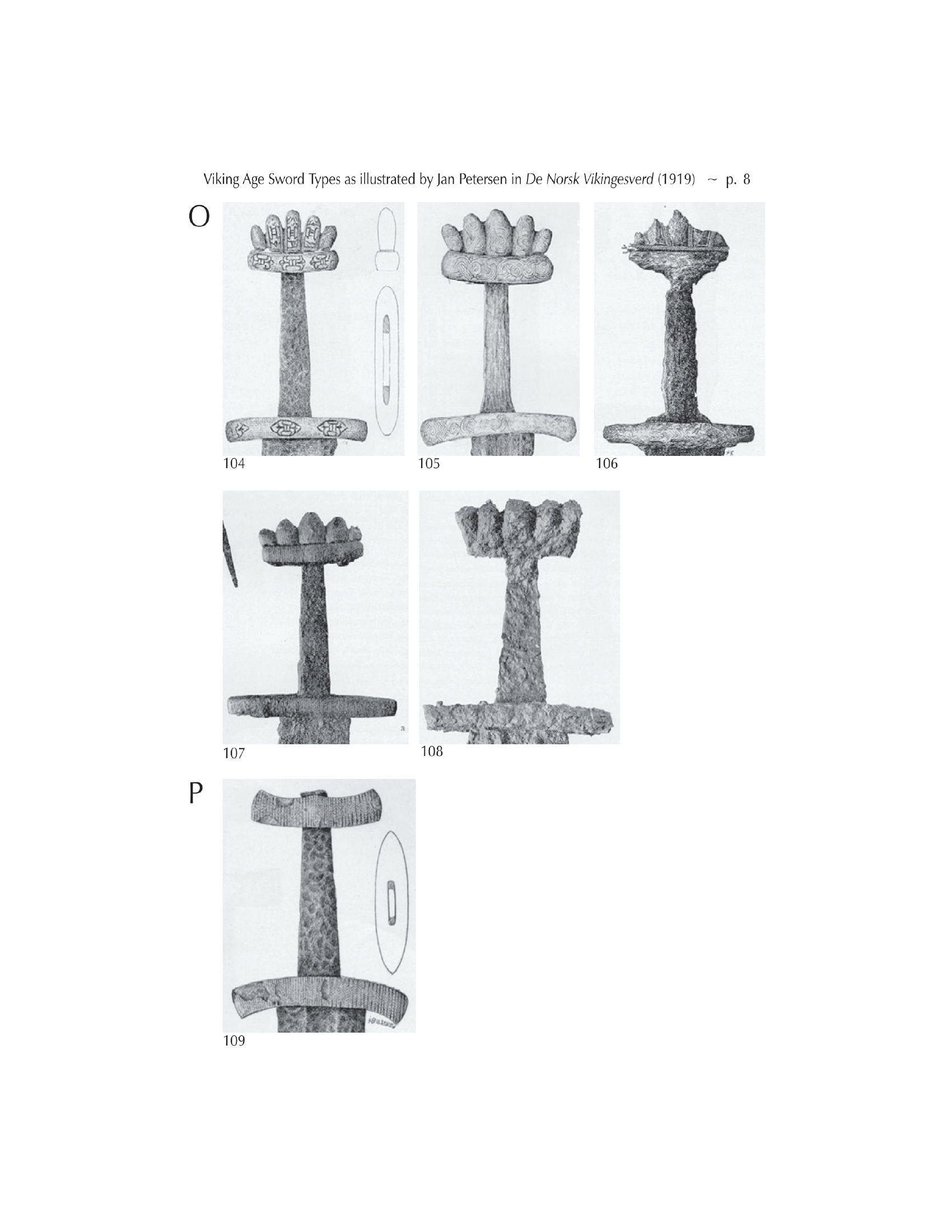
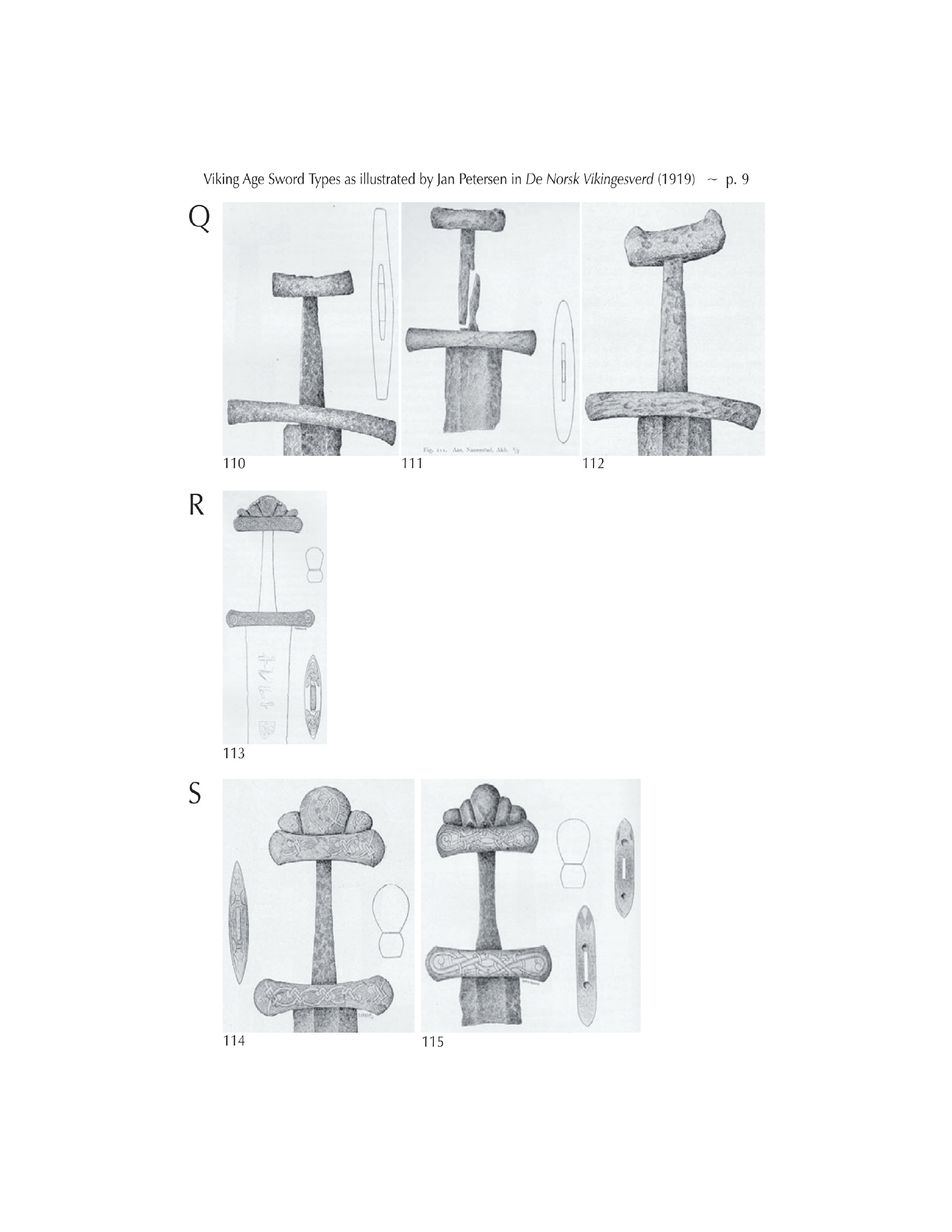
The most widely used classification system for Viking swords comes from the Norwegian archaeologist Jan Petersen, who published his work in 1919. His system grouped Viking swords by the design of their hilts, especially the pommel and guard, rather than by the blade alone.
This is an important detail because many Viking blades look broadly similar at first glance. A large number of them are double-edged, broad, and fitted with a fuller, but the hilt forms changed significantly over time. Petersen recognized this and used those hilt shapes to organize swords into a typology running from Type A to Type Æ.
In simple terms, two Viking swords may have similar blades but still belong to different types because their pommels or guards are shaped differently. That is why Petersen typology remains so useful for historians, collectors, and modern makers trying to understand how Viking swords evolved through the centuries.
Viking Sword Types – Complete Visual Guide
Explore Viking sword types through a horizontal image gallery based on Petersen’s typology. Scroll sideways to compare different pommel and hilt forms from early to later Viking Age swords.
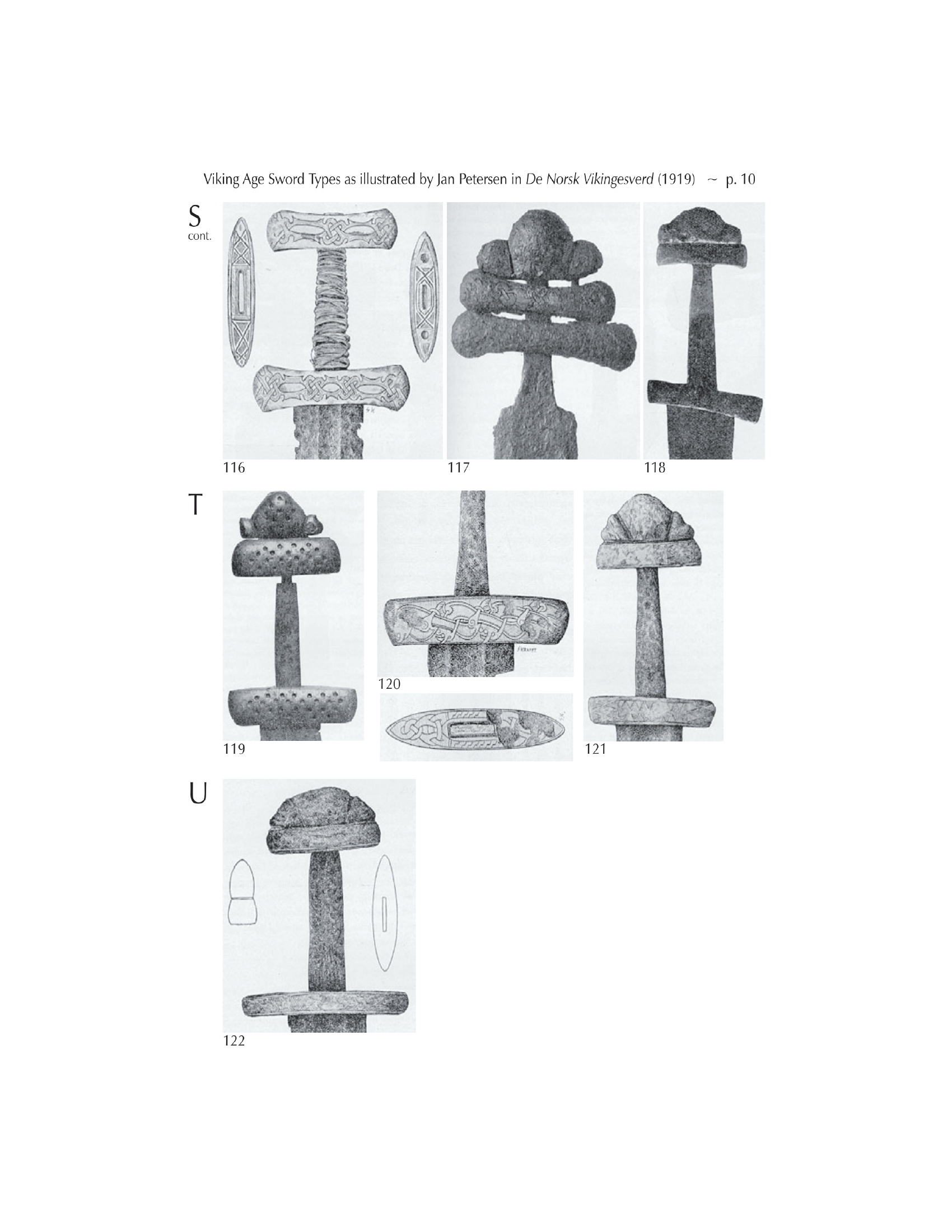
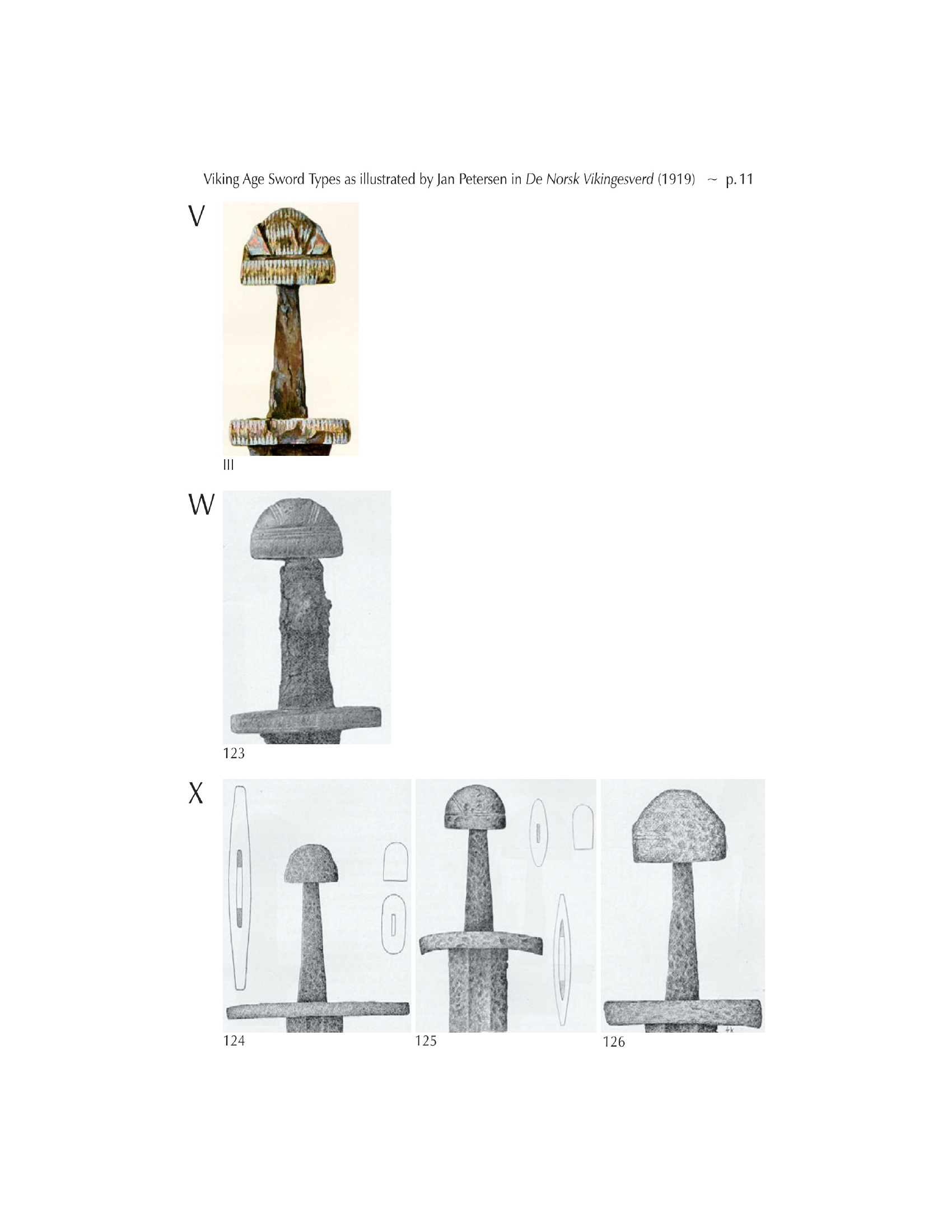
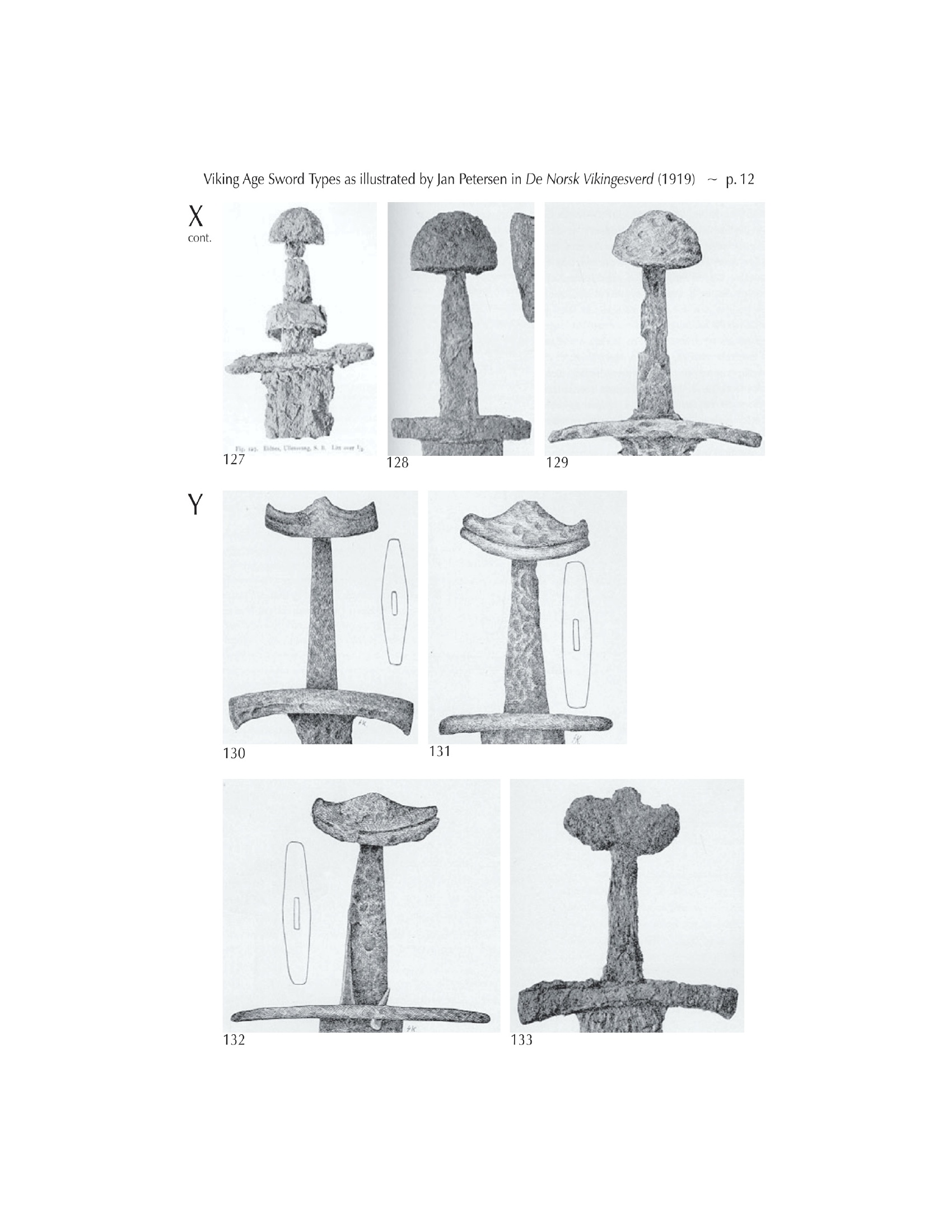
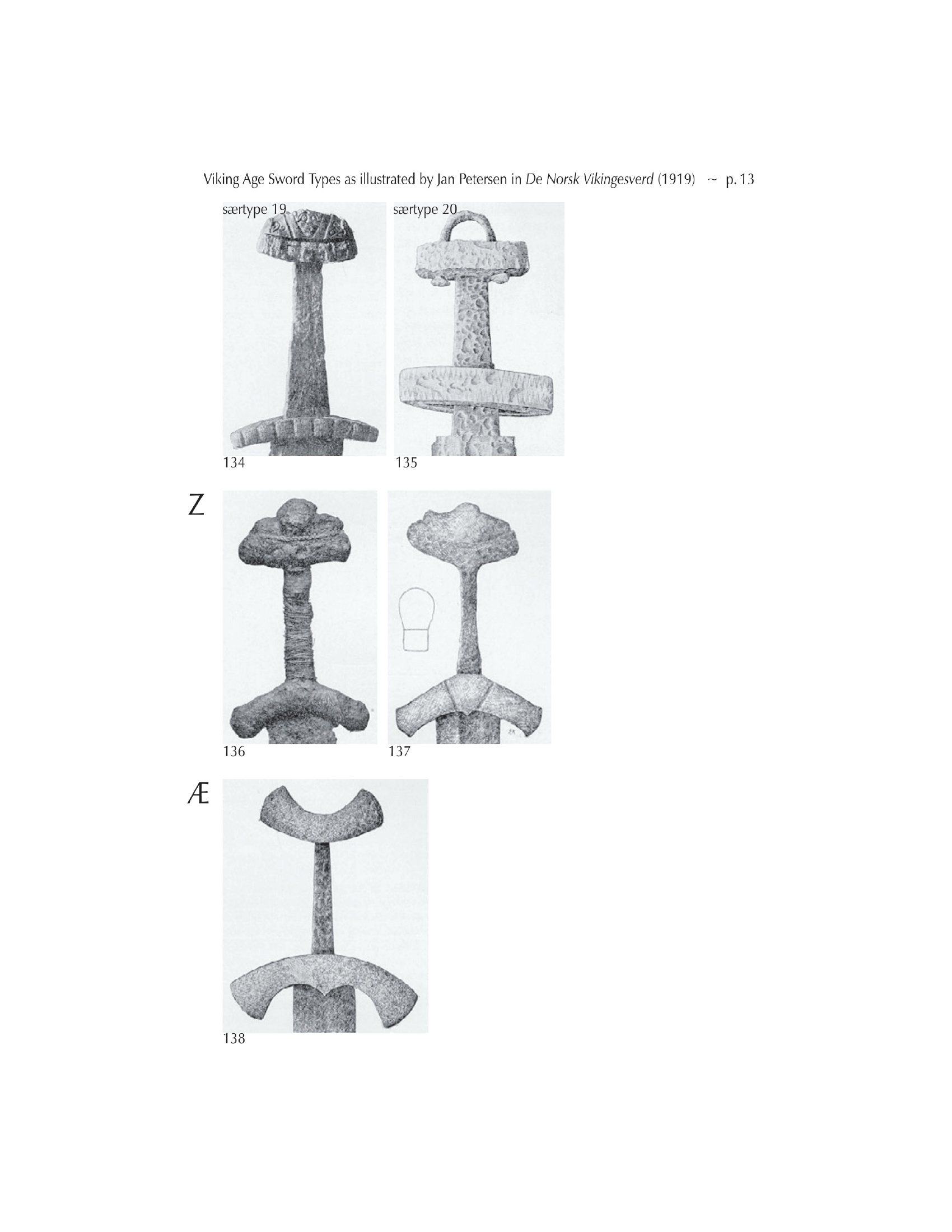
What Makes a Sword a Viking Sword?
Before looking at individual types, it helps to understand the broader characteristics that define a Viking sword. Most examples share a number of features that make them distinct from later medieval swords.
Typical Viking swords usually have a blade length of around 70 to 90 cm, though exact dimensions vary. Most are double-edged and designed for one-handed use. The grip is usually short because these weapons were meant to be carried and used alongside a shield. Another common feature is the fuller, the long groove running down the center of the blade. This was not a “blood groove,” as it is often incorrectly called. Its real purpose was to reduce weight while keeping the blade strong.
Many earlier Viking swords also show evidence of pattern welding, a forging method that joined multiple bars of iron and steel together. This created both strength and visual character. While not every Viking sword was pattern welded, the technique is closely associated with high-quality blades from the period.
Overall, Viking swords were designed for quick handling, decisive cutting, and effective use in close combat. They were not dueling weapons in the later medieval sense. They belonged to a world of shields, fast attacks, and aggressive battlefield movement.
Explore Hand-Forged Viking Swords
If this guide has helped you understand the difference between classic Viking sword types, you can explore Everest Forge’s Viking Sword collection for historically inspired pieces shaped by the spirit of the Norse age. Whether you prefer the bold presence of an early Viking design or the cleaner lines of a later transitional form, this category is a strong place to start.
Early Viking Sword Types
The earliest Viking sword forms grew out of earlier Germanic and Migration Period traditions. In these early stages, swords still carried strong visual ties to older European weapon forms, especially in the shape of the pommel and upper hilt.
Types A, D, and E are often associated with the earlier part of the Viking Age. These swords can appear heavier and more monumental in their hilt construction. Some feature triangular or strongly defined pommels, while others display bold shapes and rich decorative work. Silver, brass, and gold inlay were sometimes used to ornament the hilt, showing that the sword was not merely a weapon but also a sign of rank and prestige.
Type A swords in particular are often seen as transitional forms. They stand at the edge of two worlds: the late Iron Age and the fully recognizable Viking Age. Their shapes are simpler than some later, more refined examples, but they help show how Viking sword design developed from earlier roots.
These early swords were often associated with wealthy owners, local elites, or warriors of standing. In that sense, they tell us as much about social identity as they do about warfare.
Classic Viking Sword Types
When most people picture a Viking sword, they are usually imagining one of the more familiar central forms from the 9th and 10th centuries. These are the swords that best represent the classic Viking silhouette.
Type H
Type H is one of the most common and widely recognized Viking sword types. It is often described as the archetypal Viking sword because it features the familiar three-lobed pommel and a balanced overall hilt shape that feels both practical and visually distinctive.
Many surviving examples of Type H swords show decoration, but the design is also highly functional. It appears across a broad geographical range and seems to have been widely accepted as an effective and dependable form. For that reason, Type H is often the starting point for anyone trying to understand Viking swords as a whole.
Type I
Type I is often seen as a narrower or more refined relative of Type H. It still belongs clearly within the Viking world, but it suggests an ongoing adjustment toward more streamlined hilt forms. The differences may seem subtle to beginners, yet they matter when tracing development through time.
Type I swords can feel slightly less massive in appearance and may reflect shifting preferences in construction and visual balance during the 9th century.
Type S
Type S stands out for its richly developed and often heavily decorated hilt design. These swords are among the most visually impressive in Petersen’s typology. Their lobed pommels and guards can be intricate, refined, and clearly intended to signal importance.
Because of their detail and ornamentation, Type S swords are often associated with elite ownership. They suggest a weapon that was both respected in combat and admired as a symbol of status. In modern terms, this is one of the Viking sword types that most strongly appeals to collectors who value artistry as much as historical form.
Practical Warrior Swords and the Simpler Forms
Not every Viking sword was ornate. Many were more restrained in design and built with everyday use in mind. This is where simpler forms such as Type M become especially important.
Type M swords are often described as plain, practical, and widely used. Their pommels may be less elaborate, their decoration minimal or absent, and their overall construction focused more on function than display. That does not make them lesser swords. In many ways, these are the blades that give us a more realistic picture of what an ordinary warrior may actually have carried.
Simple hilt forms suggest a world where reliability mattered more than status. A sword had to work, hold up in battle, and remain useful over time. For many owners, that was more important than luxury decoration.
These practical types remind us that Viking warfare was not made up only of chieftains and richly equipped heroes. It also included experienced fighters whose swords were tools first and symbols second.
Want a Custom Viking Sword?
Many historical enthusiasts appreciate Viking swords not only for their general form, but for the details that make each piece feel personal. If you want a custom blade inspired by a specific Viking sword type, hilt style, pommel shape, engraving idea, or historical influence, Everest Forge also offers a Custom Forge option.
You can discuss blade length, finish, grip material, carving style, and other details to create a piece that feels closer to your own vision of a Norse sword.
Late Viking and Transitional Sword Types
By the late 10th and 11th centuries, Viking sword design began moving toward forms that would later be associated with medieval Europe. Warfare was changing, armor was improving, and sword design gradually responded.
Types X, Z, and Æ are often discussed as late Viking or transitional forms. These swords begin to move away from the earlier, heavier lobed pommels and toward more compact or refined shapes. Some examples also show blades that feel longer, narrower, or more suited to the changing needs of the period.
Type X
Type X is especially important because it is often seen as a bridge between the Viking sword and the medieval arming sword. The blade can appear longer and more refined, while the hilt begins to anticipate the forms that become common in the centuries that follow.
For anyone interested in the transition from Norse warrior culture to the knightly world of medieval Europe, Type X is one of the most meaningful sword forms to study.
Types Z and Æ
These later types continue the movement toward simpler, more mature medieval forms. Their pommels may show the rounded shapes often described as early “Brazil nut” forms, and the overall hilt construction can feel less heavy than earlier Viking designs.
These are not purely medieval swords yet, but they clearly show the direction sword development was taking. They belong to the closing phase of the Viking Age, when the old Norse world was beginning to overlap with the emerging medieval one.
Were All Viking Swords Double-Edged?
Most Viking swords are double-edged, but not all blades from the Viking world fit that exact pattern. There were also single-edged swords and long fighting knives that blur the line between sword and seax.
These weapons are sometimes overlooked because the classic image of the Viking sword centers on the double-edged blade. Yet single-edged forms had real value. They were practical, easier to produce in some cases, and useful as both weapons and tools.
Some of these blades resemble oversized seaxes more than what modern readers think of as swords. Their existence shows that Viking arms were more varied than many simplified guides suggest. The Viking world did not rely on one single sword pattern. It included a range of forms shaped by region, need, and available craftsmanship.
How Viking Swords Were Made
The making of a Viking sword required serious skill. These were not rough weapons made without planning. A good sword depended on careful forging, heat treatment, and sound understanding of materials.
Earlier Viking blades often used pattern welding, where several bars of iron and steel were twisted and forge-welded together to create a strong core. Harder steel was then added at the edges to improve cutting performance. This construction allowed the sword to combine flexibility with a sharpened edge, while also producing the wave-like patterns admired by modern enthusiasts.
Over time, improvements in steel quality made some of these more complex methods less necessary, but the best Viking swords still reflected a high level of metallurgical understanding. The fuller had to be forged properly, the blade needed to remain straight and well balanced, and the hilt had to be securely fitted for real use.
A Viking sword was therefore more than a weapon. It was the result of advanced craftsmanship for its era.
How Viking Swords Were Used in Real Combat
Viking swords were made for war, not ceremony alone. Although some were richly decorated, even beautiful swords had to perform in real fighting conditions.
These blades were generally used with a shield, which explains the short grip and one-handed format. They were excellent for cutting and quick directional attacks. Their broad blades and handling characteristics made them especially effective in close combat, where speed and control mattered more than elaborate fencing techniques.
Thrusting was possible, but it was not the main purpose of most Viking swords. Their design favored slashing, chopping, and fast recovery between strikes. In shield-wall fighting or smaller violent encounters, that made perfect sense.
When viewed in this context, the shape of the Viking sword becomes very logical. It is a weapon built for a specific world: a world of round shields, layered clothing or mail, and brutal hand-to-hand combat.
Which Viking Sword Type Appeals Most Today?
Modern interest in Viking swords usually comes from one of three directions: collecting, historical appreciation, or functional use. Different types appeal for different reasons.
If a buyer wants the most iconic Viking form, Type H is often the natural choice. It looks unmistakably Viking and reflects one of the most important and widespread hilt styles of the age.
For collectors who value detail and high-status aesthetics, Type S often stands out because of its richer decoration and elite visual identity. Those who prefer simpler, more practical, battlefield-oriented designs may find Type M more appealing.
Meanwhile, late Viking types such as Type X attract people who like the overlap between Norse and medieval sword design. They hold a special place because they sit at the turning point between two major periods of European arms history.
Viking Sword vs Medieval Sword
One of the most useful ways to understand Viking swords is to compare them with the swords that came after them. Viking swords are generally shorter in grip, broader in blade, and more focused on cutting performance. They fit the tactical realities of the Viking Age.
Later medieval swords gradually became more tapered and, in many cases, more effective at thrusting. This change reflects shifts in armor, combat methods, and martial culture. As mail improved and later plate armor appeared, swords had to adapt.
That is why the late Viking and transitional sword types matter so much. They show the point where one age of warfare was giving way to another.
Why Viking Sword Types Still Matter
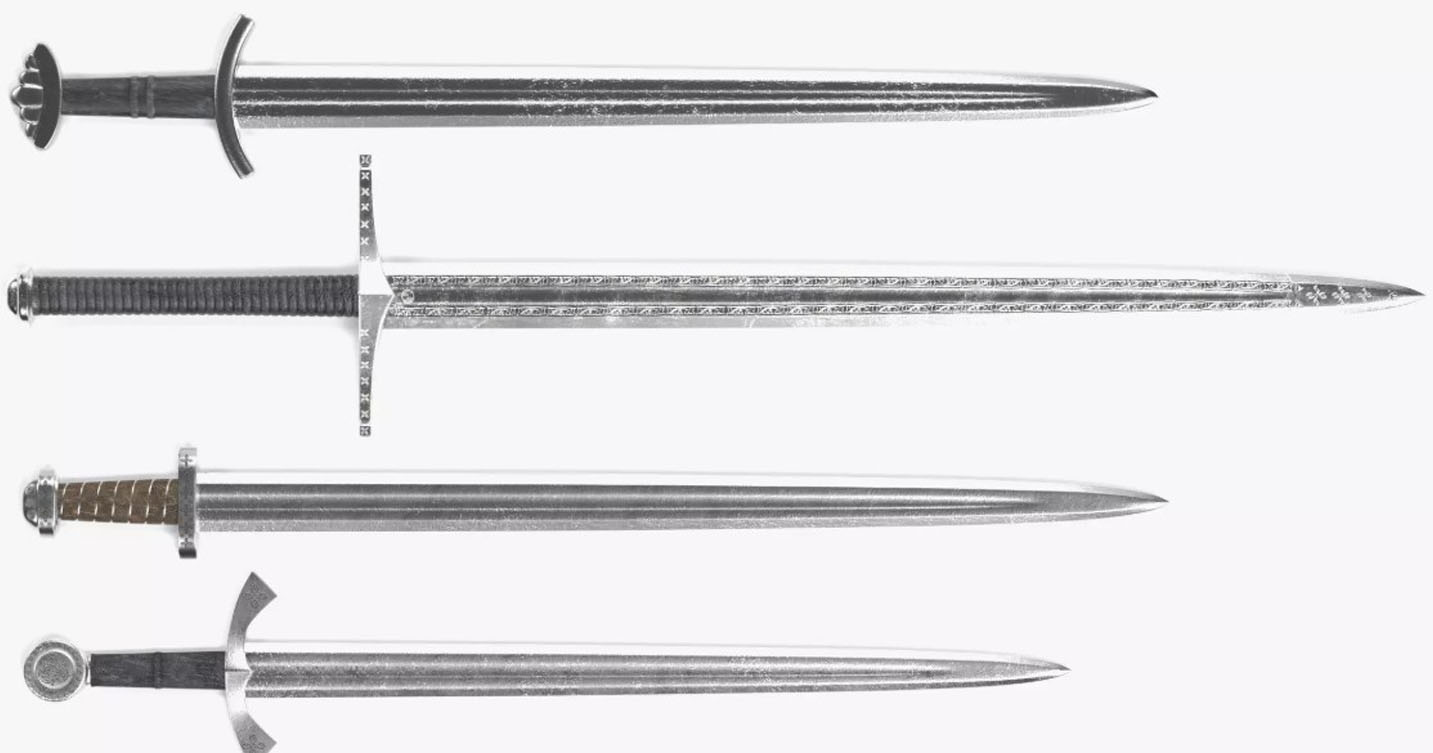
Viking sword types matter because they help us see these weapons more clearly. Without classification, every Viking sword starts to look like the same object. Petersen typology gives structure to the subject and allows us to trace changes in taste, status, technology, and warfare across the Viking Age.
More importantly, these swords still matter because they remain powerful symbols of craftsmanship and identity. They were not fantasy objects. They were real weapons shaped by real needs, carried by real people, and forged in a period of major cultural and military change.
For collectors, historians, reenactors, and modern makers, understanding the differences between Type H, Type S, Type M, Type X, and other Viking sword forms makes the subject far richer. It turns a general interest in “Viking swords” into a deeper understanding of how these blades actually evolved and why they continue to fascinate people today.
From History to Hand-Forged Reality
For many people, learning about Viking sword types naturally leads to a deeper question: what kind of Viking sword would they want to own today? Some prefer a historically inspired piece based on classic Norse forms, while others want a custom interpretation that blends Viking character with personal details.
Everest Forge offers both paths. You can browse the dedicated Viking Sword category to explore ready-made designs, or use the Custom Forge option to create a blade shaped around your own vision.
That makes this history more than something to read about. It becomes something you can carry, collect, and appreciate in hand-forged form.