Why the Kukri (Khukuri) Curves Inward – And Why the More Curved “Kupro” Kukri Exists
The kukri’s inward curve is one of the most recognizable blade shapes in the world. Anyone who has seen a kukri instantly notices that forward-bending sweep. It’s not just tradition or style—this curve is the heart of the kukri’s power. In Nepal, when the blade has an even deeper curve than usual, people call it a Kupro Kukri. “Kupro” in Nepali simply means curved, but the design itself carries real purpose.
To understand why the kukri earned such a legendary reputation, it helps to look closely at what the curve actually does, what advantages it offers, and what drawbacks come with it. Whether you use a kukri for field work, survival, trekking, or simply admire its history, the curve tells a big part of the story.
There is also a popular saying in Nepal that the kukri’s curve represents the shape of the Himalayas. Some people even like to say that its inward bend reflects the silhouette of Mount Everest itself — a symbolic reminder that the blade, like the mountain, is uniquely Nepalese. While this idea is more poetic than historical, it beautifully expresses the cultural pride connected to the kukri.
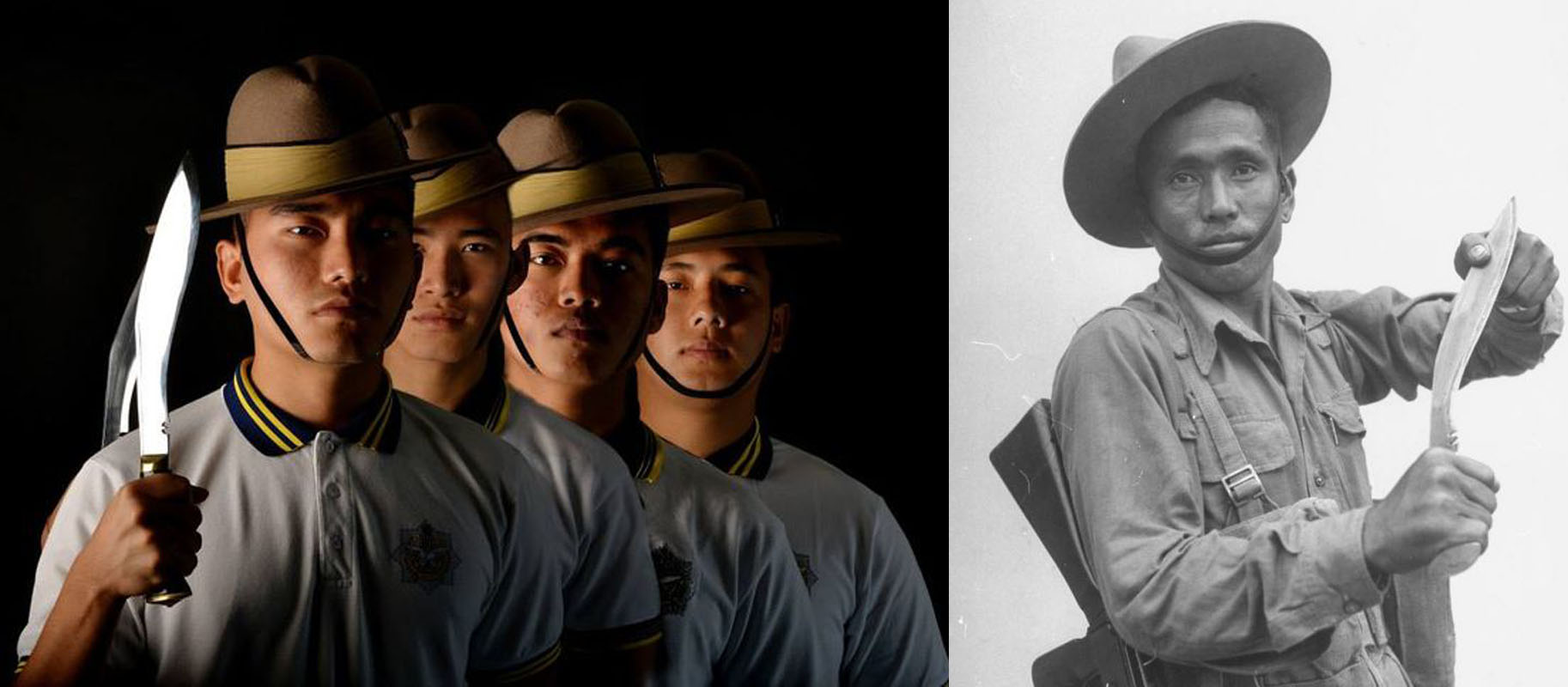
Why Kukris Are Curved Inward
For hundreds of years, Nepalese farmers, herders, and villagers used curved tools for cutting grass, clearing bush, and preparing food. Over time, blacksmiths refined this shape into the kukri—a blade that acts like a small axe, machete, and utility knife all at once.
The inward curve pulls the weight forward, so when you swing the kukri, the blade naturally digs into whatever you’re cutting. This simple geometry is why a kukri can chop far better than a straight knife of the same size. A Kupro Kukri, with its more dramatic curve, exaggerates this effect even further.
Pros: Advantages of the Curved Kukri Design
1. Powerful Chopping With Minimal Effort
The curve does the work. With each swing, the kukri lands at just the right angle, giving you deep, clean cuts without needing heavy force. A Kupro Kukri—more curved than the usual design—offers even more leverage. This makes it excellent for:
- cutting branches and bamboo
- splitting small wood pieces
- clearing bushes or trail paths
The kukri’s chopping ability is why it replaced both axes and machetes in many parts of rural Nepal.
2. The Belly “Bites” Into the Material
That wide belly section is the kukri’s real power zone. When you swing the blade, the curve naturally pushes this area into the target. Instead of sliding off, the kukri grips and cuts deeply. Kupro kukris exaggerate this belly, making them especially effective for agricultural or heavy outdoor tasks.
3. Less Stress on the Wrist
With straight knives, your wrist has to bend to get the right chopping angle. The kukri’s curve fixes this automatically. You can swing with a neutral wrist, reducing fatigue and improving accuracy. Villagers who use a kukri for hours each day benefit greatly from this natural ergonomic design.
4. Smooth Slicing and Draw Cutting
The inward curve creates a natural slicing motion. This makes the kukri surprisingly good at:
- cutting meat
- chopping through fibrous plants
- cutting rope and vines
The kukri isn’t just a chopper; it also slices beautifully because of its curved geometry.
5. One Blade, Many Uses
The kukri has three practical zones:
- Tip – for detail work and controlled tasks
- Belly – for chopping and heavy cutting
- Heel (near handle) – for carving and fine work
A Kupro Kukri still follows this principle, though its deeper curve makes the belly the dominant work zone.
Cons: Disadvantages of the Curved & Kupro Kukri
1. Sharpening Takes a Little Practice
The curve makes sharpening slightly harder for beginners. Rounded stones or rods work best. Kupro kukris, with a deeper curve, require even more attention.
2. Not Ideal for Straight Batoning
The kukri is amazing at chopping, but splitting wood by batoning straight down a log isn't its strongest skill, especially with the deeper-curved Kupro designs.
3. Less Precision for Fine Carving
You can carve with the heel of the blade, but for bush craft tasks like feather sticks or tight notches, a straight, thin knife is better. Kupro kukris are even less suited for these tasks because of their more dramatic curve.
4. Takes Time to Learn Its Balance
The forward-heavy feel of the kukri surprises new users. Once you understand it, the kukri becomes incredibly intuitive—but the first few swings require adjustment. Kupro kukris, which are even more forward-curved, can feel more demanding at first.
5. The Sheath Needs More Space
The more curved the blade, the bulkier the scabbard . Kupro kukris require an even more curved sheath, which can make carrying slightly less compact than straighter kukri designs .
Because the kukri has an inward curve and a forward-leaning edge, you have to be careful when drawing or putting it back into the sheath. If the blade is angled the wrong way, the sharp edge can easily cut into the scabbard. Over time, this can weaken the sheath and make it unsafe. In some cases, improper handling can even cause cuts to the user’s hand. This is why it’s important to guide the blade in gently, keep your fingers clear of the edge, and use proper technique—especially with more curved designs like the Kupro kukri.
When Should You Choose a Kupro Kukri?
A Kupro kukri is the right tool when you want:
- maximum chopping efficiency
- a naturally ergonomic swing with little wrist strain
- a traditional, deep-curved Nepalese blade
- great performance in clearing vegetation or doing farm work
If you prefer a more balanced, all-round kukri for trekking and mixed tasks, a medium-curve traditional kukri is usually the better choice.
The inward curve is what makes the kukri so effective, whether it’s a classic working kukri or the more dramatic Kupro version. This design delivers real power, natural ergonomics, and incredible versatility that has kept the kukri relevant for centuries. Understanding the curve—its strengths and its limitations—helps you select the perfect kukri for your work, adventure, or collection.
Kukri Curves Are Changing – Traditional Kukris Were More Curved Than Modern Designs
In older Nepalese kukris, the curve used to be much deeper, especially in village-forged blades and regional patterns like the Chainpure, Angkhola, and early military kukris. These traditional blades carried strong forward bends that made them extremely powerful for chopping and agricultural work. Today, many modern kukris—especially those designed for trekking, survival, and export—feature a milder, more controlled curve.
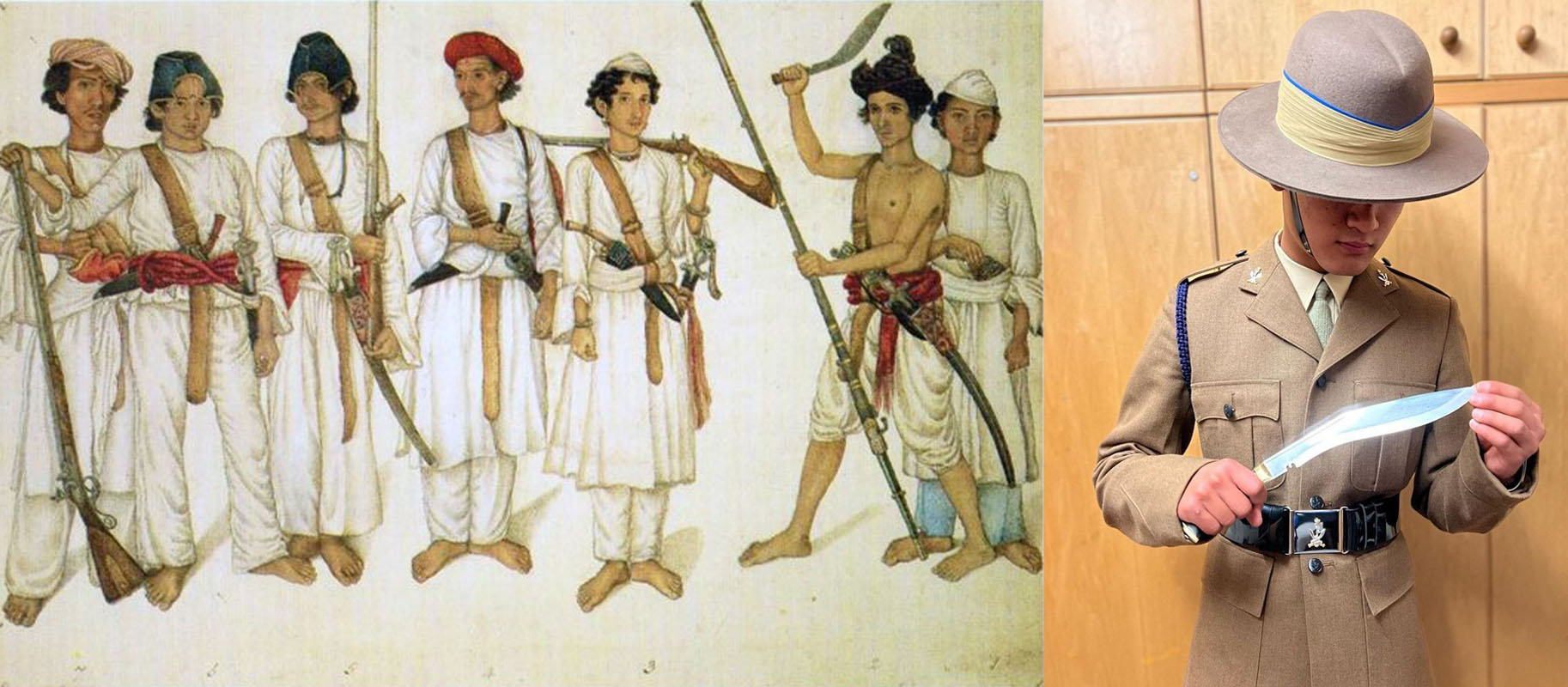
This straighter profile improves versatility, making the kukri better suited for bushcraft, carving, slicing, and even batoning. While deeply curved “Kupro” kukris still exist and remain popular for heavy chopping, the overall trend has shifted toward a more balanced, practical blade shape in modern production and custom forging.
You Decide the Curve of Your Kukri – Request a Custom Forged Blade
Every user has different needs: some prefer a gentle, balanced curve, while others want a deep, powerful Kupro-style bend. At Everest Forge, you can choose the exact curvature, weight, balance, and blade profile that feels right for your hand and your purpose—whether it’s trekking, chopping, survival, or traditional use. Our blade smiths forge each kukri by hand, allowing the blade geometry to be custom-tailored to your preference.