Why People Are Confused About the Machete
Ask this question in different places and you’ll get very different answers. In a farming village, a machete is just another tool. In a city headline, it is often described as a weapon.
This contrast is what creates confusion. The machete sits at the crossroads between everyday work and public fear, and understanding what it really is requires looking beyond assumptions.
To answer whether a machete is a weapon or a tool, we need to look at how it was designed, how it has been used historically, and how the law actually treats it in real life.
What a Machete Is Meant to Do
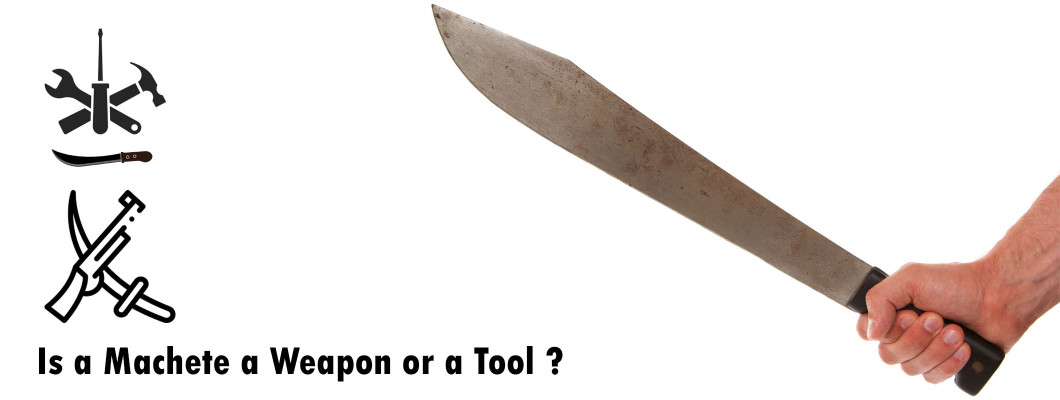
A machete is a large, single-edged cutting tool, usually between 12 and 24 inches long. It is built to do hard, repetitive work. Clearing vegetation, chopping through thick plants, trimming branches, harvesting crops — these are the jobs it was designed for.
The blade is typically wide and slightly forward-weighted. This helps it cut efficiently without requiring excessive force. The steel is chosen for toughness, not razor-thin sharpness, because the blade needs to survive constant impact against wood and fibrous plants.
Nothing about the machete’s design suggests it was created for combat. It is not balanced like a sword, shaped like a dagger, or optimized for fighting. It is shaped for work.
 The Machete’s Roots in Everyday Life
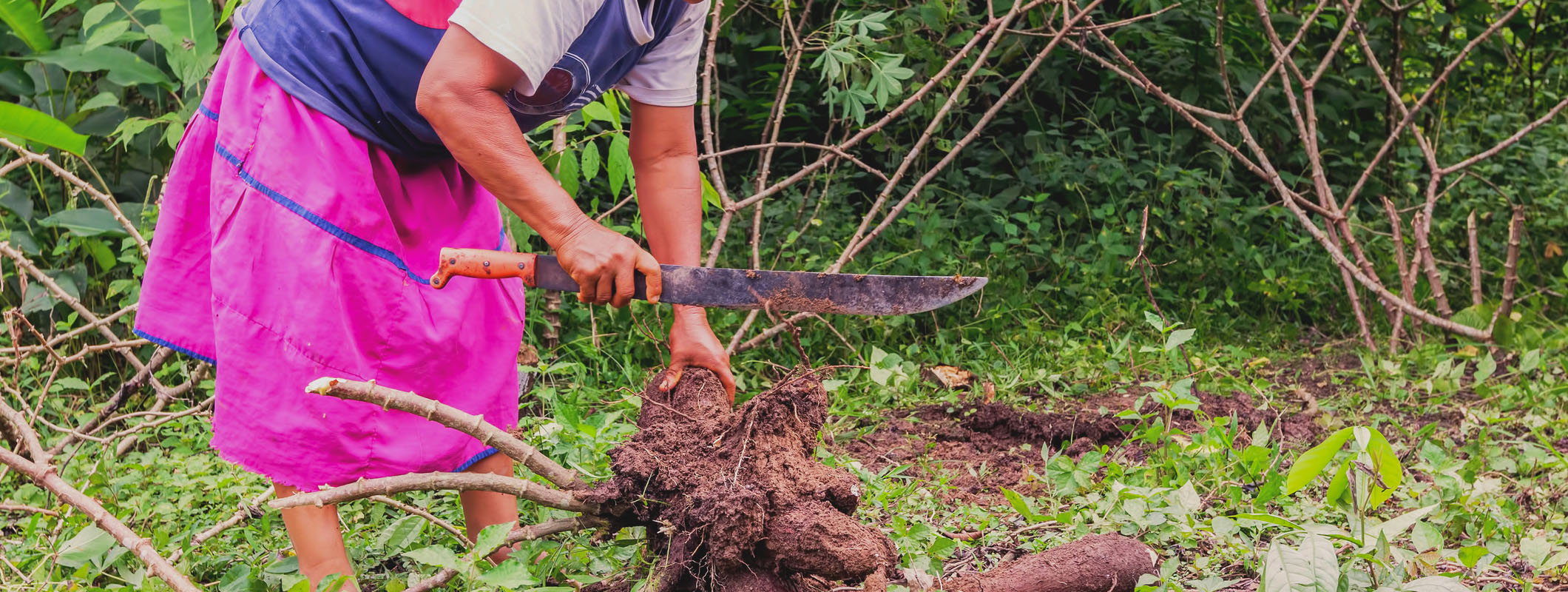
Long before it appeared in movies or crime reports, the machete was an everyday tool. For centuries, people across Central America, South America, Africa, Southeast Asia, and other tropical regions have relied on it as part of daily life.
Farmers use machetes to harvest sugarcane and bananas. Landowners use them to clear overgrowth. Rural households keep one on hand for maintenance and outdoor tasks. In many places, owning a machete is as ordinary as owning a shovel.
Like many tools, machetes have sometimes been used as improvised weapons during periods of conflict. But this is true of axes, farming knives, and countless other tools. That occasional misuse does not change what the machete was created to be.
Why Machetes Are Often Called Weapons
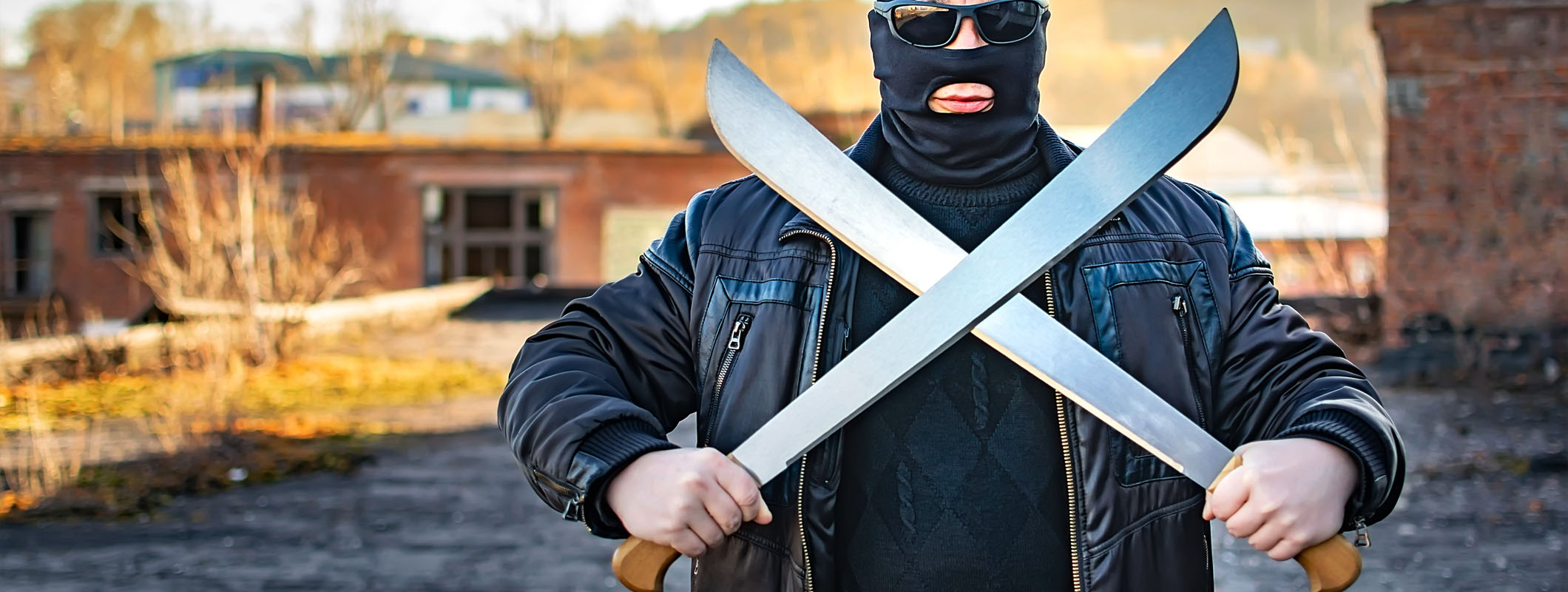
The idea of the machete as a weapon comes largely from how it is presented in the media. When a violent incident involves a machete, the object itself becomes the focus of the story.
This framing is powerful. Over time, it creates an emotional association between the machete and violence, even though millions of people use machetes peacefully every day.
The same logic is rarely applied to other tools. Kitchen knives, hammers, and even vehicles can be deadly when misused, yet they are not defined by those incidents alone.
How the Law Usually Looks at a Machete
In most countries, the law does not automatically label a machete as a weapon. Instead, it looks at the situation in which the machete is possessed or used.
Three questions usually matter most:
- Why do you have it? Is it for work, farming, or a legitimate outdoor activity?
- Where is it? Is it on private land or a worksite, or being carried in a public urban space?
- How are you using it? Is there any sign of threat, intimidation, or harm?
When the answers point to lawful, practical use, the machete is treated as a tool. When intent or behavior changes, the legal classification can change with it.
Are Machetes Legal?

Laws around machetes vary widely depending on country, state, and context. Ownership, public carry, transport, and intended use all play a role in how machetes are treated under the law.
Read in DetailWhen a Machete Becomes a Weapon
A machete does not become a weapon simply because of its size. It becomes a weapon when it is used, carried, or displayed in a way that threatens others.
Carrying a machete in public without a clear reason, using it to intimidate, or bringing it into situations where it clearly does not belong can cause it to be treated as a weapon under the law.
In these cases, the law is responding to behavior, not the tool itself.
Why This Distinction Actually Matters
Calling every machete a weapon ignores how widely it is used as a working tool. At the same time, ignoring the potential for misuse would be irresponsible.
A balanced understanding allows people to own and use machetes responsibly, while still giving authorities the ability to address genuine threats. It also helps keep laws, product descriptions, and public discussion grounded in reality.
The Honest Answer
By design and by history, a machete is a tool. It was created to work, not to fight.
It only becomes a weapon when human intent turns it into one. The blade does not decide its role — the person using it does.
Understanding that difference is the key to a fair and accurate view of the machete.
Request a Custom-Forged Machete
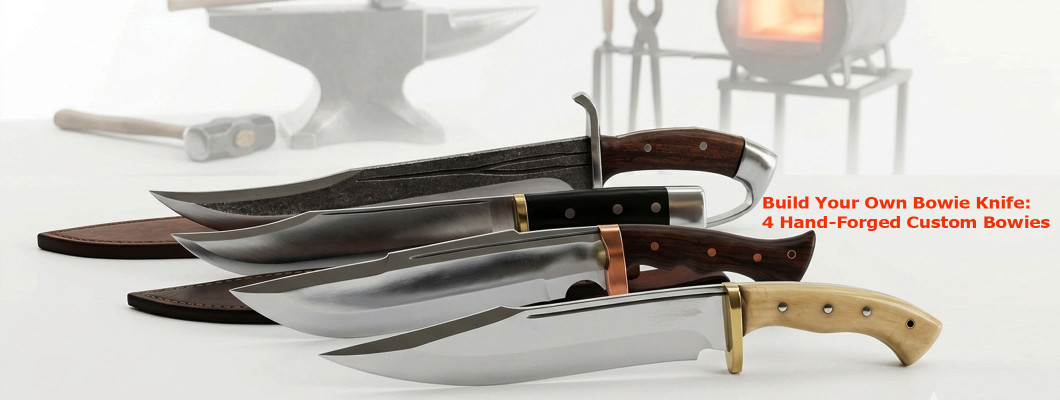
If you need a machete built for a specific task, we offer custom forging based on your requirements. From blade length and profile to handle materials and finish, each piece is made to suit how you plan to use it.
- Purpose-built: designed for farming, vegetation clearing, bushcraft, or outdoor work
- Custom specifications: blade size and shape, tang style, handle material, and sheath options
- Hand forged: balanced, durable, and made for real-world use
Share your idea, intended use, and any reference images or sketches. Our team will review your request and respond with available options.
Request a Custom Machete