Why Turkish Swords Were Built Differently
Turkish swords were built for real combat, not display. Their curved blades, balanced weight, and cutting efficiency made them ideal for fast-moving warriors, especially on horseback.
Every design had a purpose. These swords evolved through centuries of battle, which is why they still outperform many modern decorative blades today.
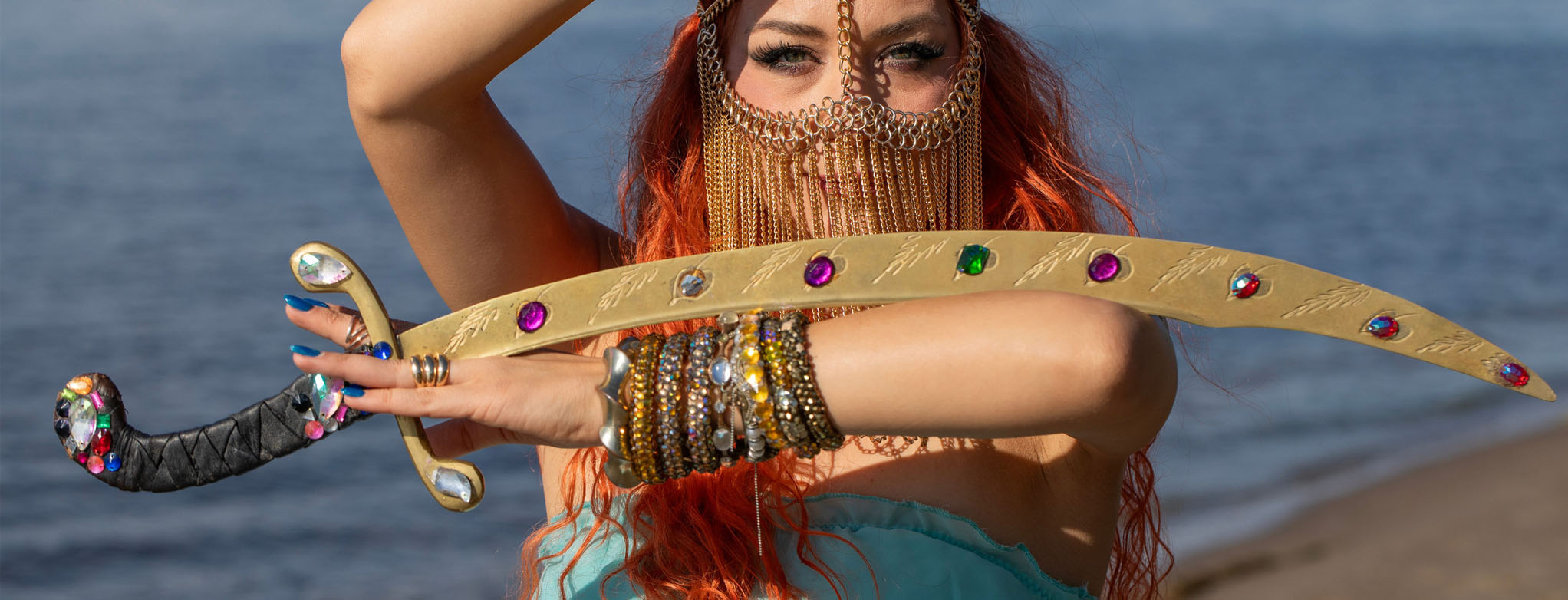
1. Kilij – The Backbone of Ottoman Cavalry
The Kilij is the most iconic Turkish sword. Its widened tip (yelman) increases cutting power without sacrificing speed, making it perfect for mounted combat.
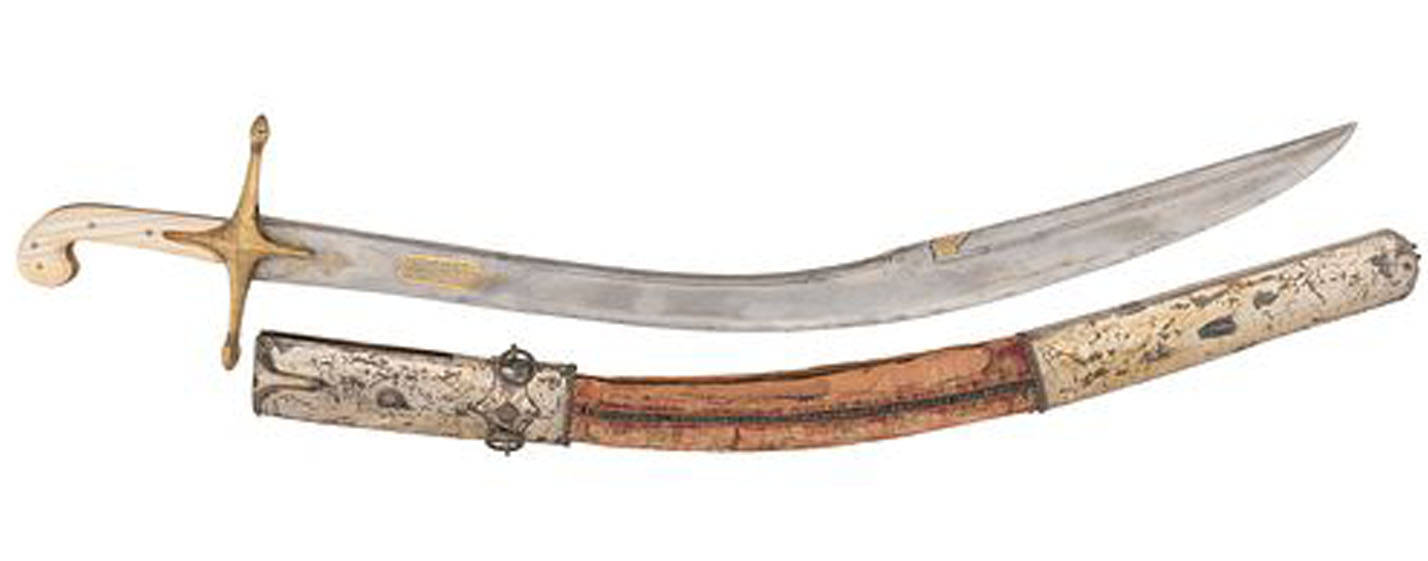
Why It Worked
- Curved blade for smooth cutting motion
- Widened tip adds extra impact
- Excellent balance for speed and control
| Feature | Details |
|---|---|
| Primary Use | Cavalry combat |
| Blade Style | Curved with widened tip |
| Strength | Fast, powerful cuts |
| Best For | Mounted warriors |
2. Yatagan – Built for Close Combat Control
The Yatagan removes the crossguard completely and focuses on control. Its forward curve and unique grip design make it extremely effective in tight combat situations.
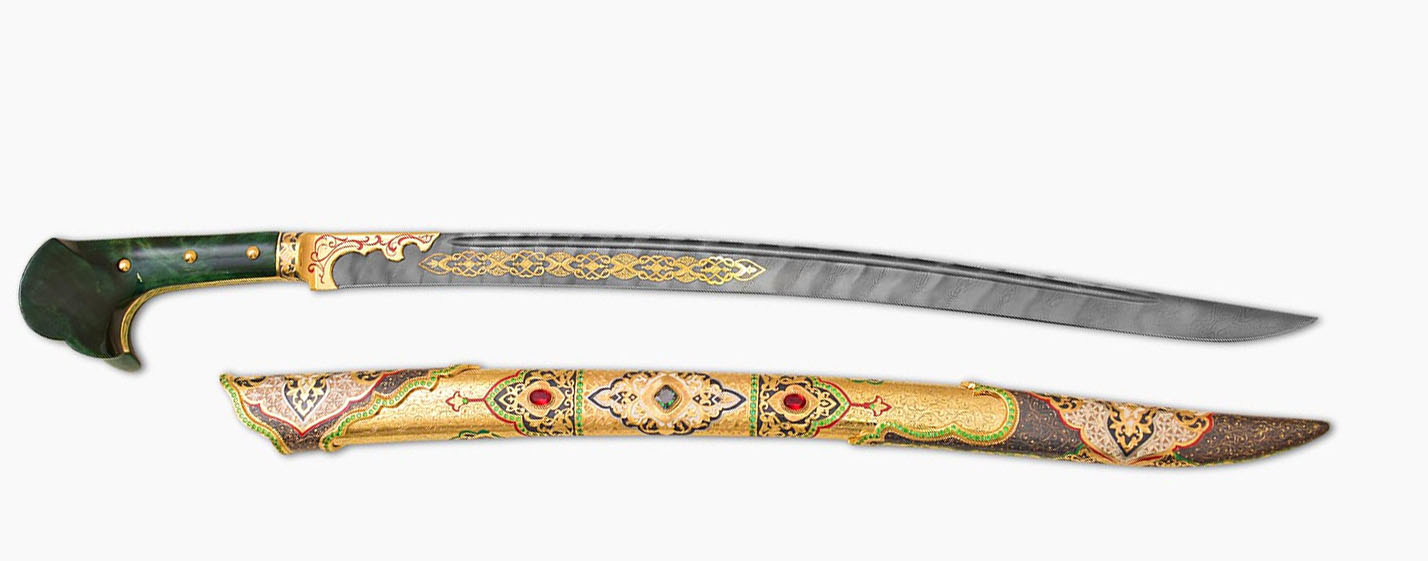
Why It Worked
- No guard allows unrestricted movement
- Forward curve improves slicing precision
- Compact and easy to handle
| Feature | Details |
|---|---|
| Primary Use | Infantry combat |
| Blade Style | Forward curved |
| Strength | Close-range control |
| Best For | Tight combat situations |
3. Shamshir – Precision Over Power
The Shamshir uses an extreme curve to deliver clean slicing cuts. It was designed for skilled fighters who relied on technique rather than brute strength.
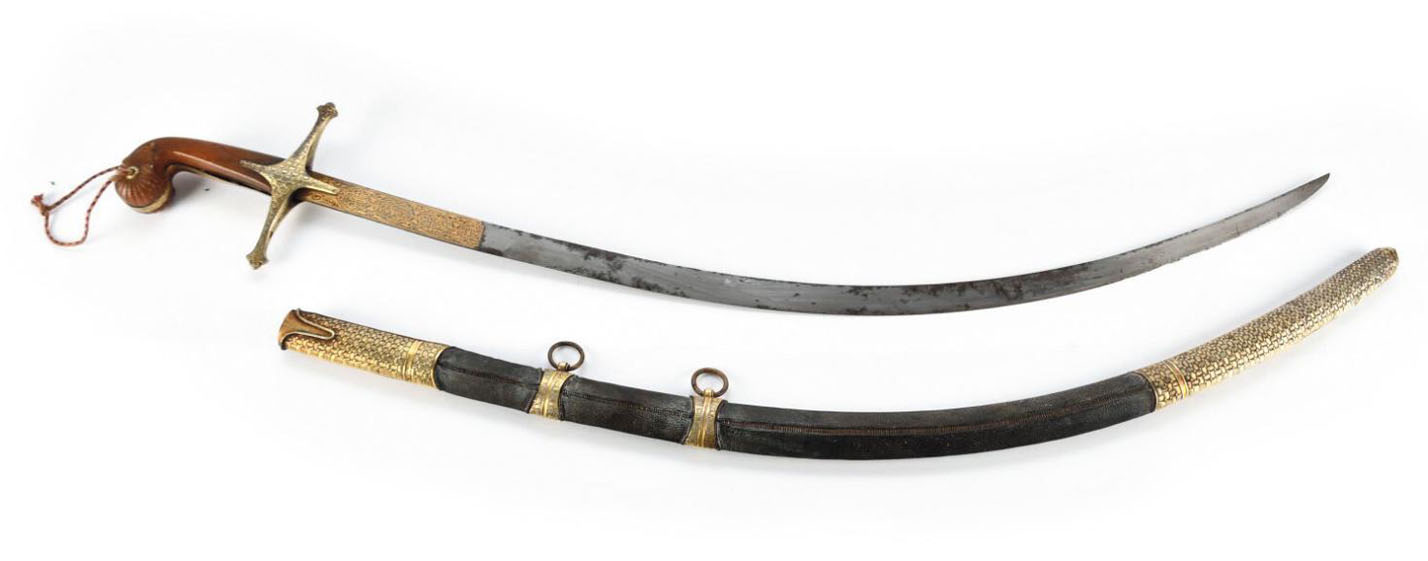
Why It Worked
- Extreme curve enhances slicing
- Lightweight and fast
- Efficient in skilled hands
| Feature | Details |
|---|---|
| Primary Use | Cavalry |
| Blade Style | Deep curved |
| Strength | Precision cutting |
| Best For | Experienced users |
4. Pala – Built for Raw Power
The Pala is heavier and wider than the Kilij. It sacrifices speed for stronger impact, making it effective against tougher targets.
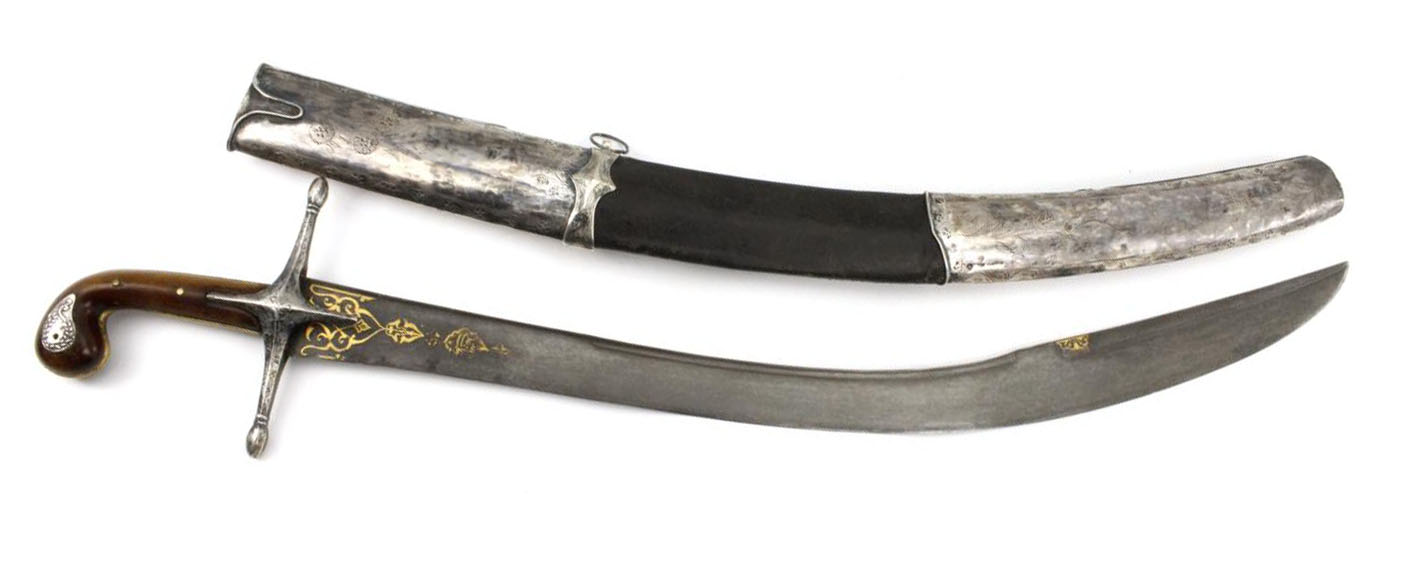
Why It Worked
- Heavier blade increases impact
- Wider edge improves cutting depth
- Designed for powerful strikes
| Feature | Details |
|---|---|
| Primary Use | Heavy combat |
| Blade Style | Wide curved |
| Strength | High impact force |
| Best For | Armor and tough targets |
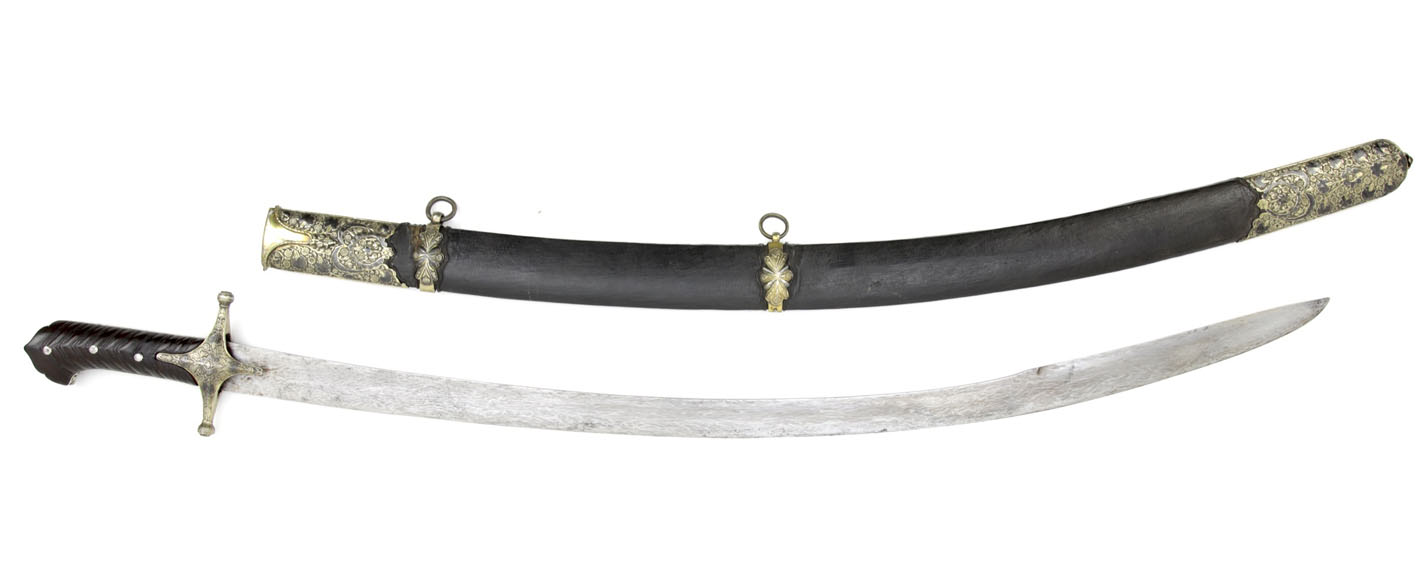
5. Karabela – The Spread of Turkish Design
The Karabela shows how Turkish sword design influenced Europe. It combines elegance with functionality, making it both a weapon and a symbol of status.
Why It Worked
- Balanced and versatile design
- Adapted across cultures
- Effective in multiple roles
| Feature | Details |
|---|---|
| Primary Use | Mixed use |
| Blade Style | Moderate curve |
| Strength | Versatility |
| Best For | Combat and display |
Custom Forge Your Own Turkish-Style Sword
Most swords available today are mass-produced and lack real balance. If you want a functional blade inspired by historical designs, custom forging is the best option.
Design Your Own Sword:
Start Custom Forge Request
Browse Hand Forged Swords:
View Sword Collection
You can customize blade shape, size, steel, handle, and finish. Whether you want a Kilij-style saber or something completely unique, it can be forged to match your needs.
Built for Combat, Proven by History
Turkish swords were designed to perform under real conditions. That’s why they still influence modern functional blades today.
If performance matters more than appearance, these designs remain some of the best ever created.