Sword Fuller Explained: Function, Types & Real Benefits
When people first notice the long groove running down a sword blade, they often repeat the old phrase “blood groove.” It sounds dramatic, but it is not accurate. In real sword design, that feature is called a fuller, and its purpose is far more practical. A fuller is about balance, efficiency, and intelligent blade construction.
A well-made sword is never just a sharp piece of steel. Every line, curve, and proportion affects how the blade feels in hand. The fuller is one of those details that can completely change the character of a sword. It can make a long blade feel faster, more controlled, and more alive without sacrificing the strength needed for real performance.
What Is a Fuller on a Sword?
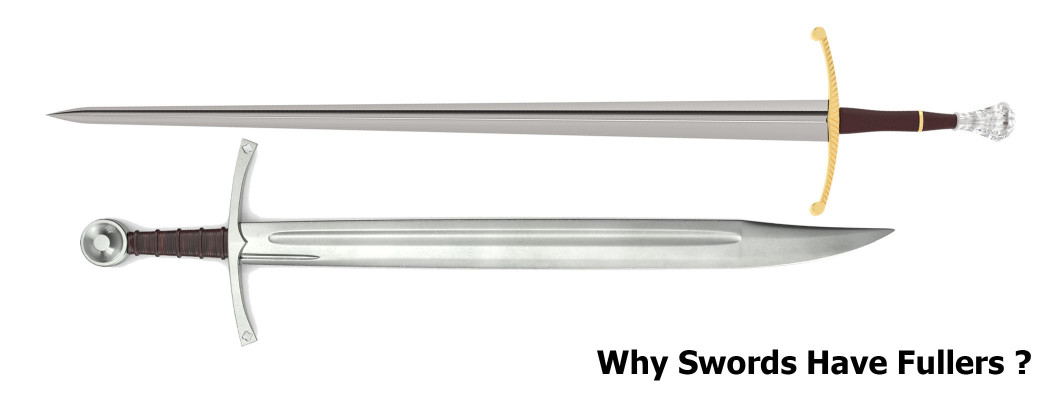
A fuller is a forged or ground channel that runs along part of the blade. Depending on the design, it may be narrow, wide, shallow, deep, short, or extend across a large section of the sword. While it may look simple, it plays an important structural role in the blade’s overall behavior.
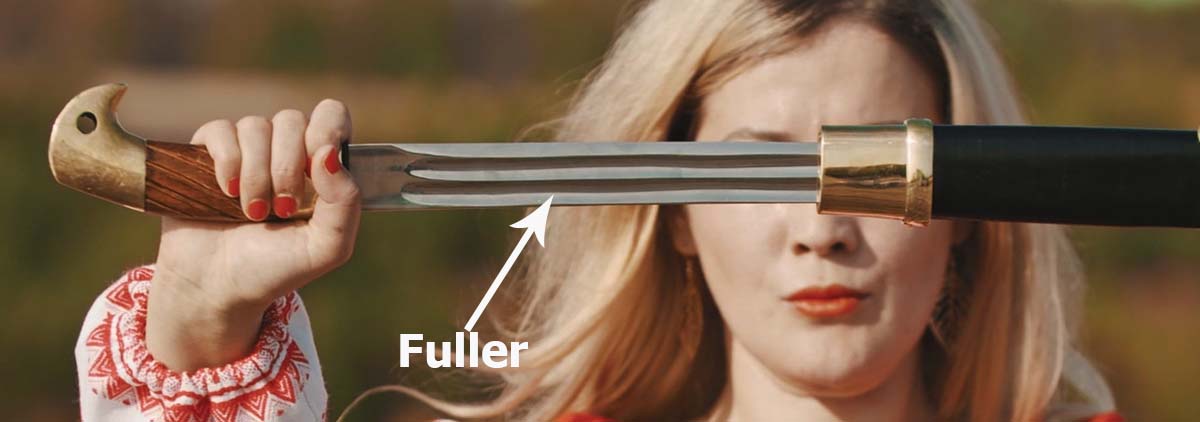
The easiest way to understand a fuller is to think of it as a way of removing unnecessary mass while keeping the blade strong where it matters most. Instead of leaving the sword as one flat slab of steel, the fuller refines the geometry of the blade. That refined geometry improves handling and gives the sword a more efficient distribution of weight.
Why a Fuller Matters in Real Sword Design
A fuller is not there just for appearance. On a functional sword , it helps reduce excess weight while preserving a strong and usable blade profile. This is especially important on longer swords, where too much mass can make the weapon feel slow, tip-heavy, and tiring to use.
When designed well, a fuller improves the balance of the sword and helps the blade move more cleanly through motion. The sword becomes easier to guide, easier to recover after a cut, and more comfortable during repeated handling. This is one reason why so many historical swords featured fullers in one form or another.
It also contributes to the overall character of the blade. Some swords feel authoritative and heavy, while others feel quick and agile. The fuller is one of the details that helps shape that experience. It is not the only factor, but it is an important one.
The Real Function of a Sword Fuller
The first major benefit of a fuller is weight reduction. By removing material from the blade in a controlled way, the sword becomes lighter without needing to make the entire blade thin and weak. This is one of the reasons a fuller is often found on swords meant for practical use rather than just decoration.
The second benefit is improved balance. A sword that carries too much unnecessary weight can feel clumsy. A fuller helps distribute mass more efficiently, which often makes the sword feel quicker in the hand and easier to control through the cut and recovery.
The third benefit is structural efficiency. The fuller works with the rest of the blade geometry to keep strength where it is needed. It is not a random groove carved into steel. It is part of how the sword is engineered to perform as a complete tool.
The fourth benefit is handling comfort. A sword that is too heavy or poorly balanced can quickly tire the user. A properly proportioned fuller can help reduce that heavy feeling and make the sword more enjoyable and practical to use over time.
Common Types of Sword Fullers
Not all fullers are the same. Different styles serve different purposes, and the right fuller depends on the blade shape, intended use, and overall character of the sword. Some emphasize speed and handling, while others support a broader and more commanding blade profile.
Single Fuller
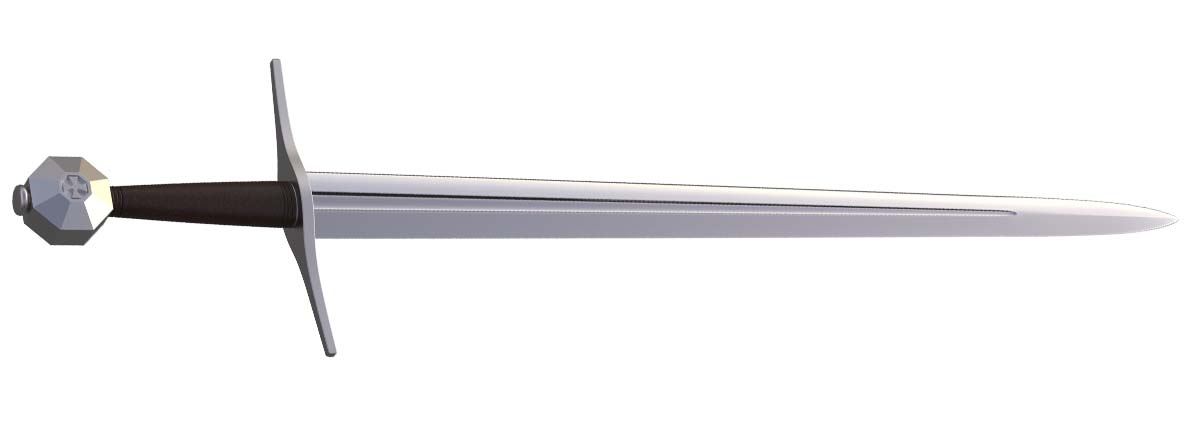
A single fuller is the most familiar type. It consists of one main groove running along the center section of the blade. This style is common because it offers a clean balance between weight reduction, structural integrity, and visual simplicity.
On many swords, a single fuller gives the blade a classic and purposeful appearance. It is often the right choice when the goal is to create a sword that feels lively without becoming overly complex in design.
Double Fuller
A double fuller uses two parallel grooves instead of one. This design can create a more dramatic appearance while also helping remove more material from selected parts of the blade. When done properly, it adds both function and visual distinction.
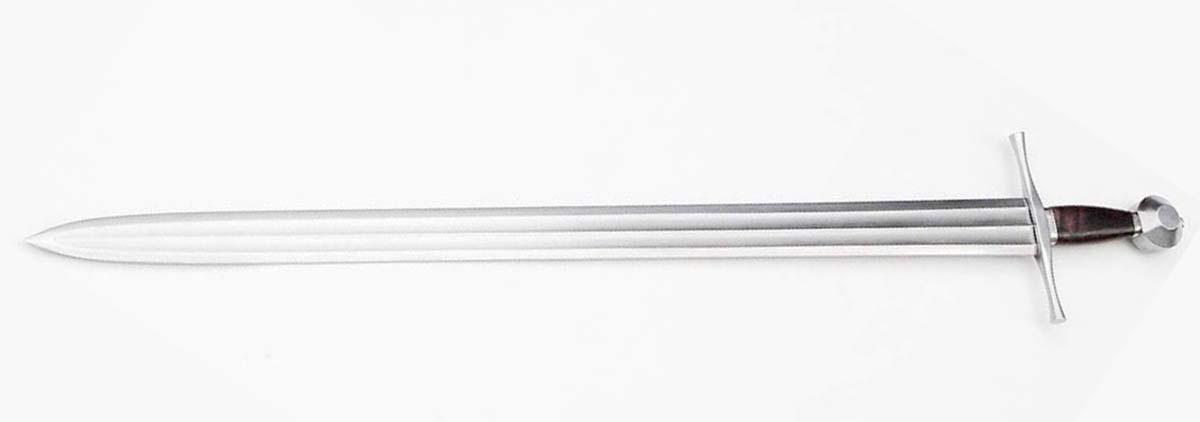
Double fullers often appear on swords where the maker wants a stronger sense of structure and style. The result can look more refined and more aggressive at the same time, especially on blades with a pronounced profile.
Multiple or Triple Fullers
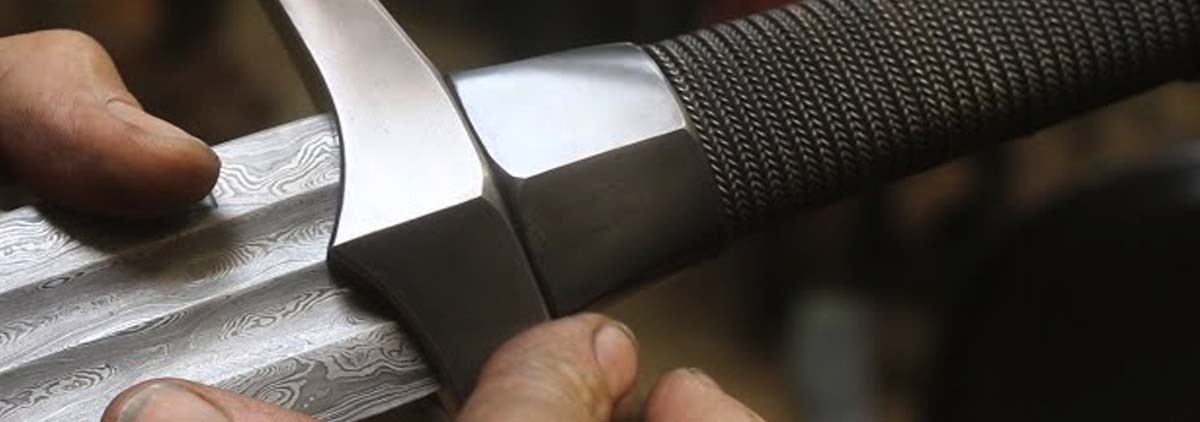
Some swords feature multiple fullers , including triple-fuller arrangements. These are more visually complex and usually require greater precision from the maker. They can create a strong sense of craftsmanship and a distinctive historical or custom look.
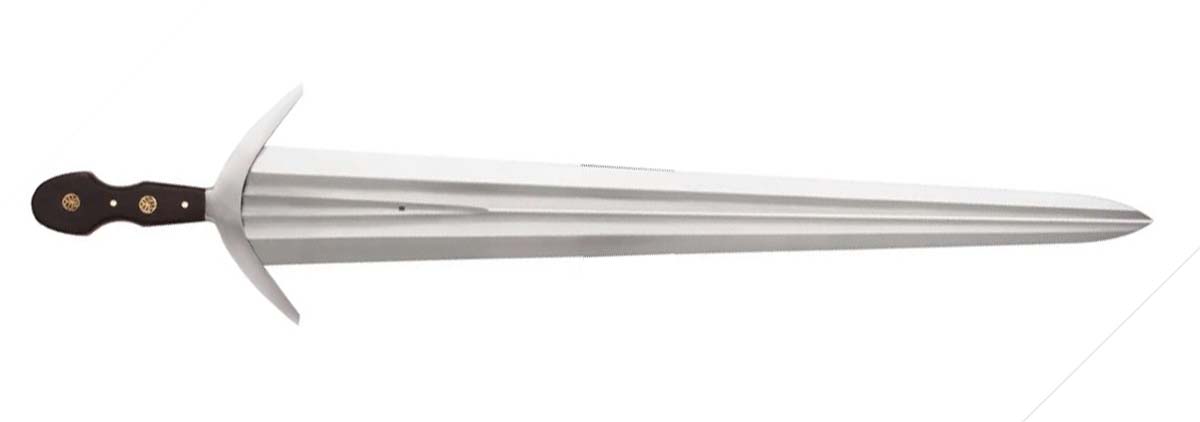
On the right blade, multiple fullers can give the sword a very striking personality. They are not always necessary, but when used with intention, they can add both performance tuning and premium visual depth.
Broad Fuller
A broad fuller is a wide, shallower channel that covers more of the blade’s surface area. This type is especially important on broader swords because it helps take away excess mass without stripping the blade of its strong presence.
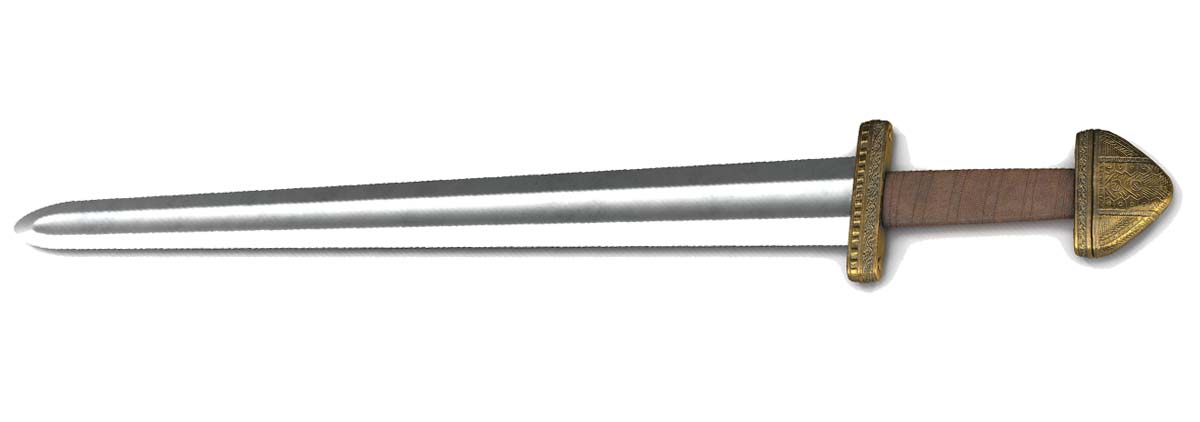
The broad fuller gives a sword a powerful but controlled feel. Wider blades can easily become heavy if they are left too thick and flat. A broad fuller helps keep them more manageable while preserving the solid cutting authority that many sword buyers appreciate.
Partial Fuller
A partial fuller does not run the full length of the blade. Instead, it covers only a section, often beginning near the base and ending before the tip. This allows the sword to retain more mass toward the forward section while still improving balance closer to the hand.
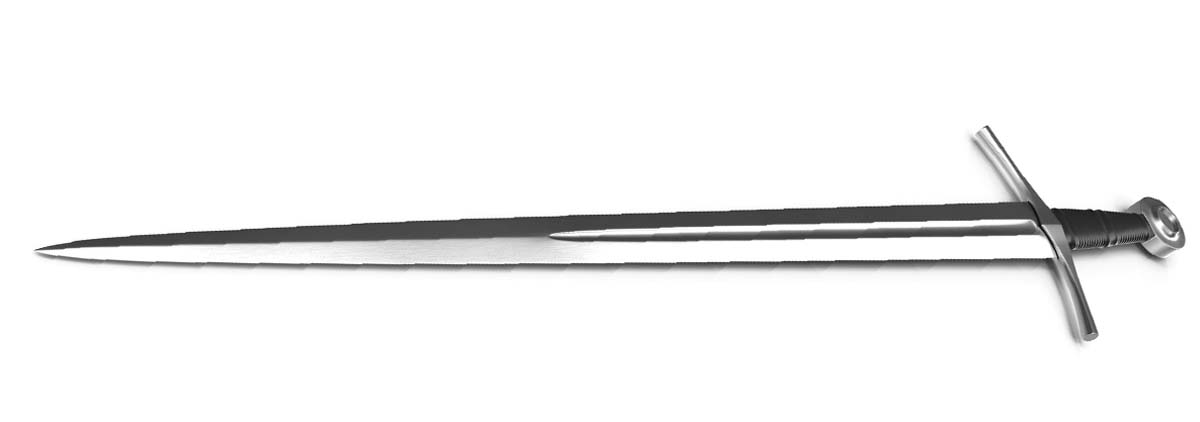
This type of fuller can create an excellent blend of authority and control. The sword still carries presence near the front, but it does not feel unnecessarily dense throughout the entire blade.
Deep Fuller vs Shallow Fuller
Depth also matters. A deeper fuller removes more material and can make the blade feel lighter and quicker. A shallower fuller removes less material and often preserves a more rigid, solid feeling. Neither is automatically better. It depends on the kind of sword being made and how the maker wants it to feel in use.
This is where good forging and blade design become especially important. A fuller must suit the sword as a whole. Width, thickness, distal taper, blade length, and intended purpose all work together. A fuller only performs well when it belongs to a balanced design.
The Myth of the “Blood Groove”
This is one of the most repeated misconceptions in the blade world. A fuller is not designed to help blood flow, prevent suction, or make a sword more dangerous. That idea is mostly myth and poor terminology passed around over time.
The truth is much simpler and far more interesting. A fuller is a smart design feature used to improve weight distribution, handling, and structural efficiency. It reflects practical blade engineering, not fantasy language.
Explore Hand-Forged Swords Built for Real Performance
If you appreciate the details that make a sword feel alive in the hand, our sword collection is built for you. At Everest Forge, we focus on functional design, strong blade geometry, and hand-forged construction that gives each sword real presence.
Whether you want a historical style, a battle-ready piece, or a collectible forged with purpose, explore swords made with attention to balance, handling, and performance.
Your Sword, Your Fuller
Not every sword should have the same blade geometry, and not every buyer wants the same feeling in hand. Some prefer a broad fuller for a wider and more commanding sword. Others may want a clean single fuller for a classic balance of speed and structure. That is the advantage of custom work. The fuller becomes part of the blade’s identity, not just a standard feature.
At Everest Forge, custom forging allows you to shape the details that matter. Blade style, fuller type, finish, dimensions, and overall personality can be forged around your vision. A custom sword is not just about having something different. It is about creating a blade that feels right for your purpose, your taste, and your idea of what a real sword should be.
Design a Sword That Matches Your Vision
Your sword should not feel generic. From fuller style to blade shape, every detail changes how the final piece performs and how it speaks to the person holding it. If you already know the kind of fuller you want, or want help deciding what suits your design best, we can forge it with intention.
Bring your idea, reference, or concept to us, and let’s build a sword that reflects your purpose from the spine to the edge.
A Small Detail That Changes the Entire Sword
A fuller may look like a simple groove, but in real blade design, it carries real meaning. It affects weight, movement, control, and the overall feel of the sword. It is one of those features that tells you whether a blade was shaped with care or merely made to resemble a sword.
When you understand what a fuller does, you begin to see swords differently. You stop looking only at size and sharpness and start noticing the deeper design choices that make a blade truly functional. That is where sword appreciation becomes more than surface-level. It becomes an understanding of craftsmanship.
And that is exactly why the fuller remains such an important part of sword design. It is not just a line in the steel. It is one of the clearest signs that the sword was made with thought, purpose, and performance in mind.
Frequently Asked Questions About Sword Fullers
What is a fuller on a sword?
A fuller is a groove or channel forged or ground into a sword blade. Its real purpose is to improve blade efficiency by reducing excess weight while helping preserve strength and balance.
Is a fuller the same as a blood groove?
No. “Blood groove” is a myth-based term. The correct term is fuller, and it refers to a structural blade feature used for performance and handling, not for blood flow.
Does a fuller make a sword weaker?
No, not when it is designed properly. A well-made fuller removes unnecessary material while keeping the blade structurally efficient. It is part of good blade geometry, not a flaw.
What is a broad fuller?
A broad fuller is a wider, shallower groove used on broader blade profiles. It helps reduce extra mass while maintaining a strong and authoritative sword feel.
Why do some swords have double fullers?
Double fullers can improve weight distribution while also creating a more distinctive appearance. They are often chosen for both function and style, depending on the blade design.
Can I request a custom fuller design on my sword?
Yes. With a custom-forged sword , fuller style can be part of the design process. The right fuller depends on the sword’s dimensions, intended feel, and the overall look you want to achieve.