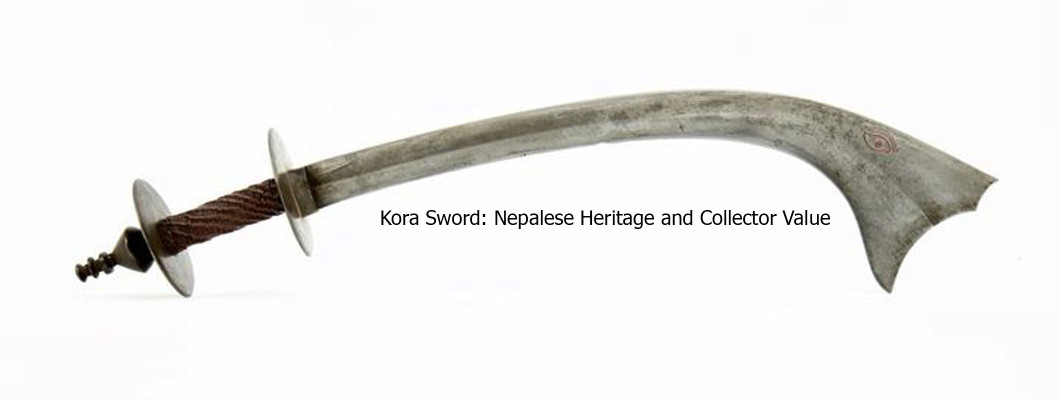
Kora Sword: Nepalese Heritage and Collector Value
Introduction: The Legacy of Kora Swords
Kora swords are one of the mystical, traditional weapons. It belongs to Nepal's confined culture. It has a pleasant structure with a forward curved blade. It has been part of Nepalese identity for centuries. Over the centuries, it has been used as a tool of battle as well as a ceremonial sword. It holds value in religious and cultural rituals. The Kora is important in both religious and cultural ceremonies. Its use can be traced back through history in Nepalese cultures and customs. kora sword is known for its characteristic, wide, curved cutting edge.
The beauty of Kora
The Kora sword carries curiosity and fearlessness. What makes Kora special is its blade design. Many swords have a straight blade; Kora has a wide blade that bends forward. It has a unique end on the blade, giving it a fishtail design. It is designed for battles. With its unique design, it is also perfect for chopping and cutting. The shape gives it a symbolic meaning.

A symbol of Nepalese culture
Kora is not just a weapon. It is the representation of Nepal's tradition and pride. For centuries, it was used by warriors in Nepal. With its history related to the battlefields of Nepal, it has also been linked with the ceremonies and traditions of Nepal. It is often carried as a spiritual and cultural piece. It has been a ceremonial sword and an archival piece that has been treasured by Nepal.
The beauty that blends into the collector's piece
The Kora sword has a unique design. It is deeply rooted in ancient times. Antique Koras are highly valued worldwide. Not just the craftsmanship, but the story of Nepal's past is what makes Kora unique. For collectors, holding a Kora means having a piece of history in their hands. Its pleasant design makes it unique and perfect for display and collection.
Everest Forge for preserving authentic blades
At Everest Forge, authentic Kora are made. The Kora carries the spirit of Nepal's traditional craftsmanship and creates and preserves blades that honor the original tradition. By choosing Everest Forge, collectors and enthusiasts can truly connect to the legacy of Nepal's historic sword, including the iconic Kora.
What is a Kora Sword? Origins and Characteristics
Defining the Kora Sword

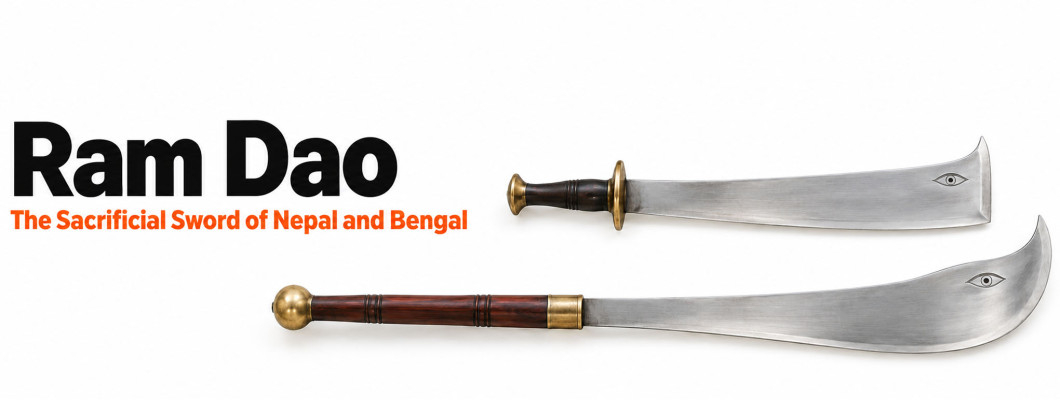
The Kora Sword is one of the historic weapons from Nepal. It was established centuries ago. It is recognizable for its forward curved blade. The Kora blade bends outward at the tip, giving it a unique design. The blade is broad and heavy toward the end. The handle part is simple with parts like grip, pommel, and ricasso. The exact origin of the Kora Sword takes us back centuries to the long time of traditional Nepal. It was used by Nepalese soldiers during the medieval period. The historic sword first started as a weapon on the battlefield. Now it represents the sacrifice and protection. In Nepalese society, it has been an art, a folklore, and a practical object.
Comparison with other forward curved blades
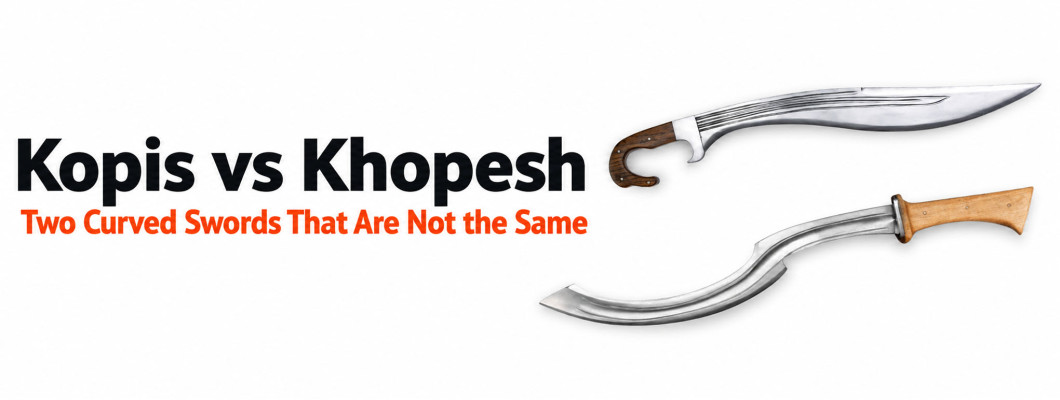
Kora Sword shares some similarities with forward curved blades across the world. The Kora Sword is known for its unique design. With the similarities with a forward curved blade, it also has some clear differences. Many people believe that the Kora Sword looks like a Kopis and Falx.
- Kopis: Kopis is an ancient Greek weapon. Like Kora, it has a forward curved blade designed for chopping. Kopis has a narrow blade and is focused on cavalry use. Kopis has a broad and heavier blade. It is mainly focused on battlefields.
- Falx: The falx was used by Dacians and Thracians. Falx was a long, curved weapon often used with two hands. It is mainly used for piercing through the armor of enemies. Kora is short and more versatile. It has a balanced weight, making it usable for both chopping and on the battlefield.
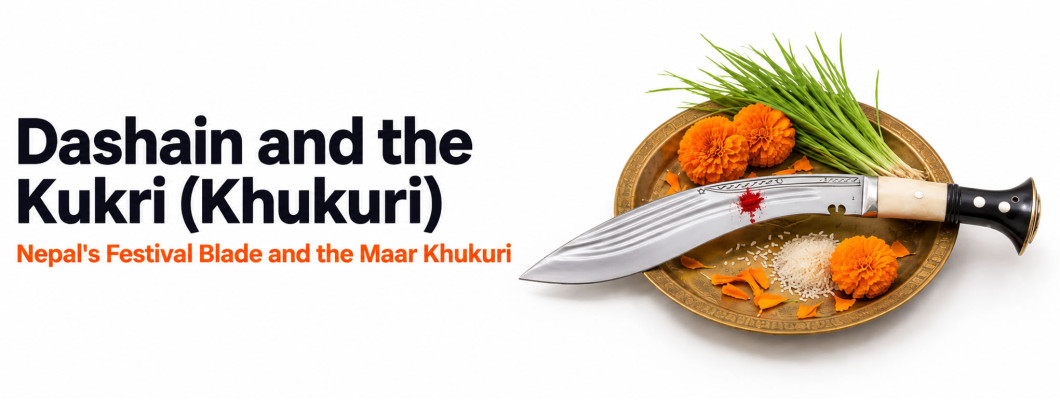
- Kukuri: The history of both Kukuri and Kora lies in the heart of Nepal. Kukuri is also a forward curved but smaller weapon. Kukuri is more practical for daily use. Unlike Kukuri, the Kora is larger and mainly reserved for combat and ceremonial purposes. Kukuri is mainly compared with knives and machetes, whereas Kora is the sword.
Main characteristics of Kora
Kora stands out for its several unique features.
- Kora has a forward-curved blade. It is wide and heavy at the tip of the blade. It is ideal for powerful slashing strikes.
- The weight of Kora is centered near the front. This increases the force of impact.
- Traditionally, Koras are medium to large in size. This makes them strong and manageable for combat.
- The dual purpose of Kora makes it a practical weapon. It can be used in battle, but also in religious and cultural rituals. These characteristics make Kora a versatile weapon admired not only for its strength but also for its values.
- Kora holds the lasting identity of Nepal. It carries the long-preserved history and traditions of Nepal. This makes it a unique weapon.
Historical background from the battlefield to the rituals
The Kora sword has been a conventional part of Nepal's history. It carries Nepal's heritage that has traveled through centuries. We can see the evolution of the Kora sword from a battlefield tool to a religious sword. It is now used in ceremonies and rituals. Its reflects the cultural, military, and spiritual history of Nepal.
The Early Origins of the Kora Sword

The first appearance of the Kora sword is around the 6th century. In the early days, it was a practical weapon used by the warriors of Nepal. It was valued for its curved blade, which delivered powerful strikes. Primarily, it was used in tribal conflicts and local battles. With time, during the 10th and 12th centuries, the Kora slowly started to rise as a symbol of power. By the medieval period, kings and local rulers carried Koras not just into war but also during ceremonies. It was mainly used in temple rituals, symbolizing protection and divine strength.
Widespread use of Kora
During the 16th century, Nepal was fragmented into pieces. There were many kingdoms, and each kingdom wanted to hold the maximum power. The most prominent Malla Empire and its soldiers used the Kora sword during that time. Soldiers relied on the Kora sword to break enemy lines and borders. In the 18th century, Nepal saw a big movement by King Prithvi Narayan Shah. The movement was regarding the unification of Nepal. The Kora sword was notably used in the most important battles during the movement to assert power over the states, which were rivals. Besides being a weapon of war, it also turned out to be a symbol of the people's common wealth and pride. After the unification, the Gurkha warriors' reputation spread around the globe in the nineteenth century. Although the Khukuri was the emblematic weapon of the Gurkha, the Kora was always there as a ceremonial and heritage blade. It was a reflection of Nepal's military past, the new epoch of Kora.
The evolution
Today, the Kora sword represents the rituals and heritage. It is no longer used in warfare. It continues to play a powerful role in Nepalese culture. It is visible during the Dashain festival, the biggest Nepali celebration. It is used in animals or sacrifices as a religious sword. The Kora blade is also used in numerous temple ceremonies, representing the power and protection that comes from the gods. The people have recognized the importance of the Kora sword, and it has been one of the pieces in collections and museums. Through history, the Kora has gone through changes from being a weapon used in the 6th-century battle to the kings' sword in the Medieval period, and even to a loyal instrument for the unification war. Today, its function is mainly formal, but it still has a significant amount of cultural value.
The unique design of the Kora Sword

The Kora Sword is among the eye-catching swords. It features unique figures and marked details, its layout indicating the usage of both the material and the culture. Over time, it has been respected not only by its forge but also by its artistry.
- Forward curved blade: What makes Kora visually different is its blade shape. The blade is 20-25 inches. On the part like Ricasso, the blade is straight. The point of the blade is broad and curved forward. This design is not accidental. With this design, the blade has greater striking power. This delivers deeper and more forceful cuts. The single strike from the Kora can break through armor and seals.
- Materials and craftsmanship: The conventional Koras were made from high-carbon steel. This gives the Kora blade durability and sharpness. The handles are made from natural materials such as buffalo horn and rosewood, which add strength and elegance. The materials are carefully chosen to balance the heavy blade. The use of materials in the sword showcases not just functionality but also an artisanal skills.
- Decorative elements and symbols: The structure of the Kora sword represents its artistic and spiritual vision. The sword carries decorative and aesthetic visuals. A common feature in Kora is the eye motif. It symbolizes protection, awareness, and divine power. Religious symbols are also carved onto the blade. This detail transforms the Kora from a simple weapon to a religious sword. These symbols remind people of the sword's sacred role in Nepalese culture.
- Everest Forge preserving authentic design: The composition of the Kora sword is complicated. With modern production methods, the Kora's original artistry has been diminished by many replicas. Everest Forge takes pride in creating authentic pieces. They stay true to the traditional methods and utilize high-quality materials and exceptional attention to detail. The weapons that Everest Forge creates are exceptionally strong and reliable. By doing so, they link the Kora's legacy to the past and keep its original artistry alive, allowing people all over the world to appreciate the Kora's unique, artistic strength.
- A combination of power and symbolism: Kora is not simply a tool that is used as a weapon. Kora is a combination of power and cultural symbolism. It is an edged and ceremonial-motif blade, curved and balanced with hard materials, that simultaneously functions both as an instrument of war and cultural memory.
Ceremonial and Spiritual Significance
The Kora blade has always been at the very center of Nepali religion and culture. In fact, it was not only in every spiritual rite but also in the whole religious and cultural life of the country. It was a heavy spiritual weapon combining the concepts of power, safeguard, and courage. For a long time, Kora was part of the war, but it is also part of the holy places, ceremonies, and festivals of Nepal, besides being the symbol of tradition and faith.
- Role in Hindu Traditions: The Kora sword in Hindu tradition has been linked with bravery and selflessness. The Kora is utilized in ceremonies at the big festivals in Nepal, like Dashain. These animal sacrifices are performed to please Goddess Durga, the protector, the fighting divine energy. As a sign of the triumph of good over evil, the sword is turned into a symbol of holiness. By the sacrifice act, the Kora epitomizes bravery and honor towards the gods. In temples, the Kora is typically embraced by priests as a guardian of the place. It is stored as a holy symbol.
- Role in Buddhist Tradition: Kora was associated with the Buddhist communities living in Nepal. The kora is typically a symbol that represents the cutting of delusion and ignorance, which is the main thing that affects the lives of humans. The Kora is considered a sacred weapon which is used to purify the mind and also offer a shield against evil. Kora is used as a ceremonial object in monasteries and other Buddhist rituals.
- Garden and Temple Uses: Kora is often placed in temples as a garden sword. Large Koras are sometimes displayed at temple entrances. It is used in sacred rituals to bless devotees. They act as a symbol of divine protection. The sword-imposing design reinforces both as a spiritual and a cultural emblem.
- Symbol of Divine Power and Valor: The Kora sword represents honour and protection. It is a reminder of Nepal's warrior heritage while also serving as a connection to divine energy. It represents the spiritual meaning of courage.
- Collectors and Ceremonial Replicas: From all parts of the globe, there are collectors of ceremonial replicas of the Kora. The Kora sword is considered to be not only a work of art, but also a spiritual representation. Just like the ancient blades, the swords are made with stunning detail.
The Kora Sword in Modern Times: Collectors and Martial Artists
The Kora Sword has been part of customs. It has found a new life in museums, private collections, and martial arts practice. The Kora represents both history and artistry, making it a fascinating antique sword from Nepal.
- Antique Koras in Museums and Collections: The Kora sword in Hindu tradition has been linked with bravery and selflessness. The Kora is utilized in ceremonies at the big festivals in Nepal, like Dashain. These animal sacrifices are performed to please Goddess Durga, the protector, the fighting divine energy. As a sign of the triumph of good over evil, the sword is turned into a symbol of holiness. By its sacrifice act, the Kora epitomizes bravery and honor towards the gods. In temples, the Kora is typically embraced by priests as a guardian of the place. It is stored as a holy symbol.
- Growing global demand among collectors: In recent years, there has been a noticeable increase in global interest in the kora Sword. Collectors love the kora Sword mainly because its design is completely different from that of traditional weapons. As a result of the scarcity, it has been one of the most wanted weapons at auctions and by collectors. It represents the past of Nepal in a very distinctive way. There have been many replicas that are crafted with authenticity. Enthusiasts want to own a piece of the heritage of Nepal without risking damage to fragile antiques.
- Modern Martial Artists: The Kora Martial artists around the world have started exploring the use of the Kora Sword due to its unique design. The Kora swords are added by practitioners of historical martial arts and weapon-based training. Interest in Kora as a training weapon continues to grow among those who want to expand their knowledge of traditional blades and swords.
- Everest Forge functional replicas for today: People today do not only seek out the Kora Sword with its vivid design, but they also want the Kora Sword to be authentic. Everest Forge has earned a reputation for finding a handcrafted Kora Sword. These replicas are not just authentic in physicality, but also fully functional replicas. For modern consumerism and enthusiasts alike, Everest Forge offers a unique pathway between the historical legacy of a functional fighting piece and practical craftsmanship. This enables the production of as authentic an item as possible. To collectors, martial artists, and modern artisans like Everest Forge, the Kora, as a martial blade, represents a living connection from the past into the present with people and a physical object.
Collector Value: Authenticity, Rarity, and Preservation

The Kora Sword, with its distinctive forward curved blade, has become one of the most admirable collectible swords in the world. It's worth not just its beauty but also in its history. It carries the craftsmanship and rarity. Whether held in a museum, private collection, or recreated by skilled artisans, it is a timeless treasure.
Factors that affect the value
Several factors can affect the value of the Kora Sword. In today's market, you need to understand the different features of the Kora Sword.
- Age: Antique Kora Swords are rare to find. The Kora Swords were used back in the Medieval and Unification periods of Nepal; they carry high value. Older blades often have the marks of useless rituals or inscriptions. This makes it a prized possession.
- Material and craftsmanship: The skill of a swordsmith plays a vital role. Kora swords with high carbon steel are highly valuable. Similarly, one should look at detailed teaching or motifs that add more value to the sword.
- Ceremonial use: Koras are linked with Buddhist festivals, temple rituals, and ceremonies. A sword that serves both as a battlefield weapon and a religious sword becomes a true cultural artifact.
Identifying Authentic Koras
With the growing demand for Kora swords, one must know how to identify authentic Koras. Collectors will look for different details.
- Weight and Balance: Genuine Kora swords have a heavy forward curve. The weight is concentrated near the tip. The middle part of the blade is thin, whereas the point of the blade is heavier.
- Material Quality: An authentic Kora sword blade has high-quality steel. It shows the sign of age and traditional hammer marks.
- Decorative Motifs: The grip part of the sword is beautifully created. Many authentic Koras feature eye motifs, cultural symbols, and beautiful designs along the blade.
- Historical representation: To identify authentic Kora, one can always look at the documentation. With this, there can be a clear origin tracing of the Kora sword. This increases authenticity and value.
Care and Preservation of Authentic Koras
Kora requires proper care to maintain its value and condition. Since Kora swords are highly used in rituals and allocated as a collector's piece, one must know how to preserve it. Collectors store the swords in a dry environment to prevent rust. Similarly, after each use, it should be cleaned with soft clothes. One can also use light oil coatings on the blade to preserve the steel quality. Similarly, harsh polishing should not be done. Wooden or horn handles should be conditioned. This will help to prevent the sword from cracking. For modern forged Koras, the same care can be taken.
Everest Forge, Investment-Worthy Replicas
For anyone unable to access antiques, Everest Forge offers a trusted alternative. They create hand-forged Koras. These Koras not only replicate traditional methods but also combine artistry and functionality. It is carefully crafted to reflect authenticity. This makes it an investment-worthy piece for modern enthusiasts. Owning one allows collectors to experience the legacy of Kora without compromising authenticity.
A Lasting Treasure
The real value of Kora is its rarity, quality of craftsmanship, and ceremonial beauty. This collectible source represents the most sustainable cultural antics historically in Nepal. For those collecting to preserve history, a Kora provides tangible value to their collection, and in turn, takes home part of the history.
Why choose a hand-forged Kora from Everest Forge?
Owning a Kora blade is not just about getting a weapon. It means preserving a part of Nepalese heritage, the past, and the expertise of artisans. At the Everest Forge, each Kora is made by hand in Nepal. Craftspersons with skills use the same method that has been passed on for ages. With this, every sword not only has the truth of its origin but also its quality. Whereas standard, machine-made Kora is without character traits, a hand-forged Kora tells the individuality and the maker's craftsmanship to be your companion.
Hand-Forged in Nepal: Preserving Tradition
The Kora lies in the heart of Nepal. Due to this, they are forged by artisans. They have mastered the balance between strength, sharpness, and cultural accuracy. The blade is heated, hammered, and shaped by hand. This process requires patience and dedication. With this, the sword not only looks authentic but also feels alive.
Durability and Functionality
A true warrior's sword must be functional. At Everest Forge, the Kora is built to last longer period. Using heat-treated and tampered high-carbon steel, it is built for durability and age retention. Whether displayed in a collection or tested in times, it is battle-ready as well as capable of performing any kind of rituals. Blending tradition with modern Precision, Everest Forge takes in the traditional methods as well as embraces modern precision. This blend of old and new ensures that every sword is structurally sound, balanced, and reliable. With this, no sword will lose its cultural essence. It honors the history yet meets the modern expectations of quality and usability.
Available Models at Everest Forge

There is a wide range of authentic Nepalese Kora swords available. Each is designed to meet different needs at Everest Forge. Everest Forge caters to all the collectors, practitioners, and enthusiasts.
- Kora Sword – The Traditional Nepali Machete: The traditional Kora sword reflects the true story of the classic battlefield. It is a complete structural sword with its wide, forward-curved blade. It embodies power and history that was once used by Gurkha warriors and the Nepalese king. It is perfect for serious collectors and history lovers.
- Little Kora Sword: It is a smaller but versatile version. It is ideal for those who want to keep the spirit of Kora. It is compact but powerful. It is an excellent display item and also functional for practice or ceremonial activities.
- Kora Sword-Standard Model: Balanced between authenticity and practicality, the standard model is perfect for first-time buyers. It is mainly focused on martial artists as well. It maintains the signature design of Kora while being easier to handle which makes the sword favorite among practitioners exploring the Nepalese blade.
Conclusion
The Kora sword is not just a weapon. It represents past and identity of Nepal. Through its distinctive blade, reverential symbolism, and usage in both combat and holy places. The Kora has effectively mirrored the bravery, religion, and skill of the Nepalese people. It has been a symbol of cultural pride, thus maintaining the linkage between the families over the times of wars, ceremonies, and festivals for a very long time.
The Kora is a coveted object of collection for its unique features. In the world, where rarity and authenticity are of great importance, Kora's handmade design is drawing more and more people's attention. Every weapon is a story,either a historical piece or a new one made in the old-fashioned way. Through the maintenance of and gathering of Koras, we keep the inspirational heritage alive for the upcoming generations.

Everest Forge is where the heritage of this legendary legacy lives on through the hand-forged Kora made by Nepalese artisans. With each item representing a combination of ancient customs and exact modern-day techniques, users no longer have to choose between having one of the best historic periods or one of the present. If you are fascinated by the history, the wonder, and the bravery of the Kora, then you can discover the Everest Forge collection. You can purchase a unique piece that not only keeps alive the tradition of Nepal but also is made for the new era.
FAQ's
How is a Kora sword different from a Kukri?
The Kora has a wide, bent shape towards the tip. The blade is suited for big hits. The Kukri has a smaller inward-curved blade. It is good for chopping and daily work. The Kora is largely used for ceremonies and as a symbol of power; the Kukri remains a versatile tool for daily use.
Are Kora swords still used today?
Kora swords are not actively used for fights but used in festivals, ceremonies, and rituals. Apart from this, they are being collected as pieces of heritage and are being used by martial artists from all corners of the world.
Are Everest Forge Kora swords functional or just decorative?
Everest Forge produces swords that are suitable for combat as well as aesthetically pleasing ones that can be put on display. Made from high-carbon steel that has been tempered, they have the necessary strength to be used for training while at the same time being attractive items for collectors.
What makes a Kora sword valuable to collectors?
There are several factors that add value. Age, workmanship, scarcity, and ceremonial usage are some of the factors that contribute to the value of the Kora. Genuine antique Koras are hard to find and highly sought after.