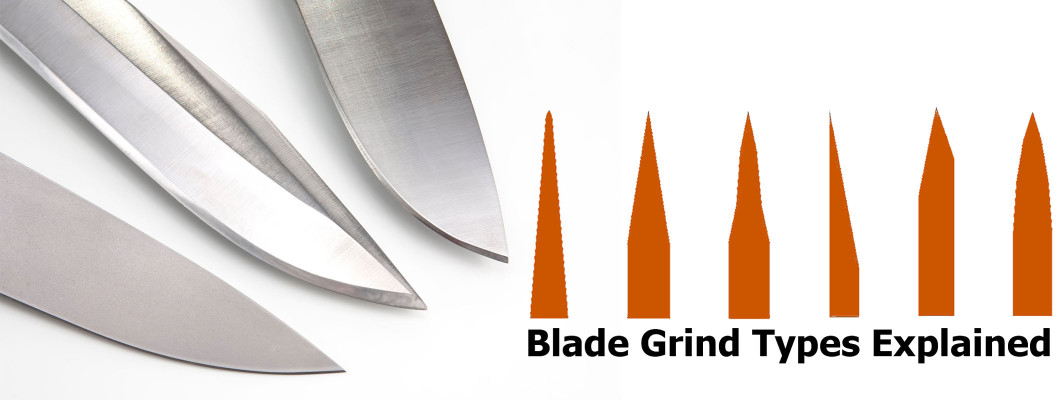
Blade Grind Types for Knives, Swords, Machetes & Daggers
When choosing a blade, most people focus on size, shape, or material—but one of the most important factors is often overlooked: the grind. Blade grind is what defines how the edge is formed, how it cuts, and how it performs under real use.
At Everest Forge , grind is not just a detail—it is part of the blade’s identity. Whether it’s a kukri built for chopping, a dagger designed for precision, or a machete meant for clearing, the grind determines how that blade behaves in your hand.
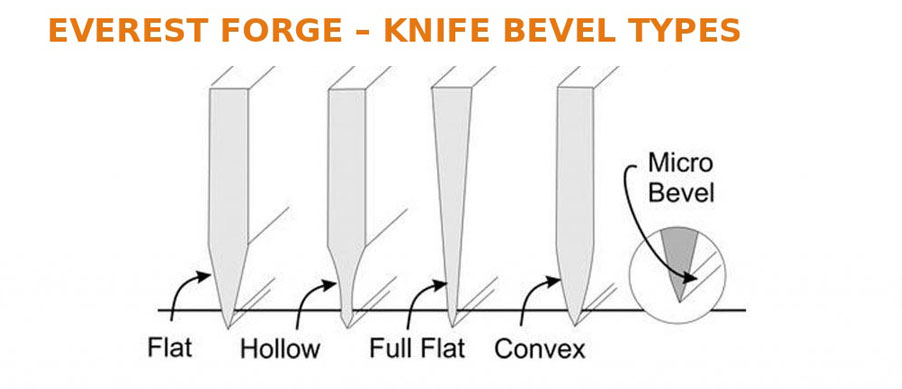
What Is a Blade Grind?
A blade grind refers to how the steel is shaped and tapered from the spine down to the cutting edge. This geometry controls how sharp the blade can get, how much resistance it creates when cutting, and how durable the edge remains over time.
Different grinds serve different purposes. Some are designed for razor-sharp slicing, while others are built to withstand heavy impact and rough use. Understanding this helps you choose the right blade for your needs—or design your own.
Why Grind Matters in Real Use
The grind directly affects cutting efficiency, edge retention, and durability. A thinner grind will cut faster and cleaner but may wear down quickly under stress. A thicker or more supported grind sacrifices some sharpness for strength and long-term reliability.
This is why a survival blade, a hunting knife, and a sword cannot share the same grind. Each tool is forged with a specific purpose in mind, and the grind is what makes that purpose possible.
Hollow Grind – Razor Sharp Precision
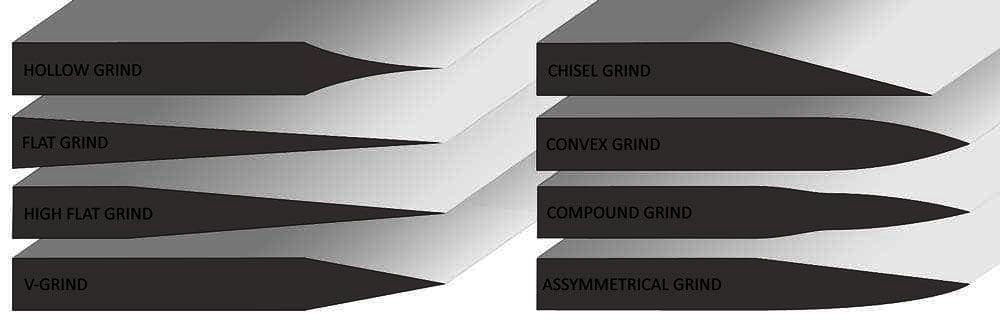
The hollow grind features a concave shape where the blade curves inward toward the edge. This creates an extremely thin edge capable of razor-level sharpness.
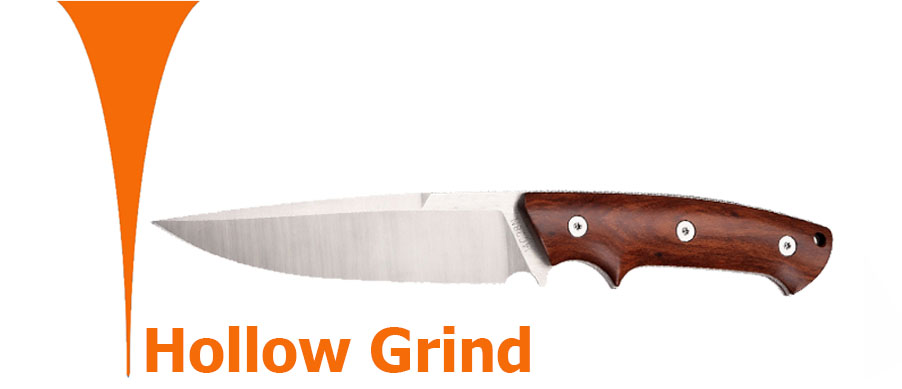
This grind excels in slicing tasks such as skinning, trimming, and fine cutting work. It moves through material with minimal resistance, making it feel incredibly sharp and precise. However, because the edge is thin, it is less suited for heavy-duty use. Under impact or hard pressure, it can dull faster or chip compared to stronger grind types.
For this reason, hollow grind is often used on hunting knives and daggers where precision is more important than brute strength.
Full Flat Grind – Clean and Efficient Cutting
The full flat grind tapers evenly from the spine all the way down to the edge. This creates a thin blade profile that slices smoothly through material.
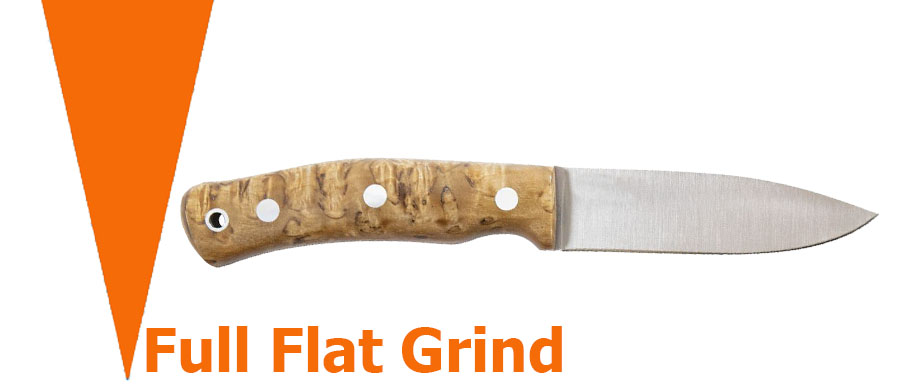
This grind is ideal for general-purpose cutting and kitchen-style performance where clean cuts matter. It reduces drag and allows the blade to glide through targets with ease. While it offers excellent cutting ability, it does not provide the same level of strength as heavier grinds, making it less suitable for intense chopping or impact work.
It is commonly seen on chef knives, light utility blades, and some cutting-focused swords.
High Flat Grind – Balanced and Versatile
The high flat grind begins slightly below the spine, leaving a portion of the blade thicker while still tapering efficiently toward the edge.
This added thickness gives the blade more strength without sacrificing too much cutting ability. It is a highly versatile grind that performs well in both slicing and moderate impact tasks.
Because of this balance, it is widely used on survival knives, tactical blades, and modern machetes where reliability is essential.
Scandinavian (Scandi) Grind – Field Friendly Design
The Scandi grind has a simple, wide bevel near the edge, with most of the blade remaining thick. This design makes sharpening extremely easy, even in outdoor conditions.
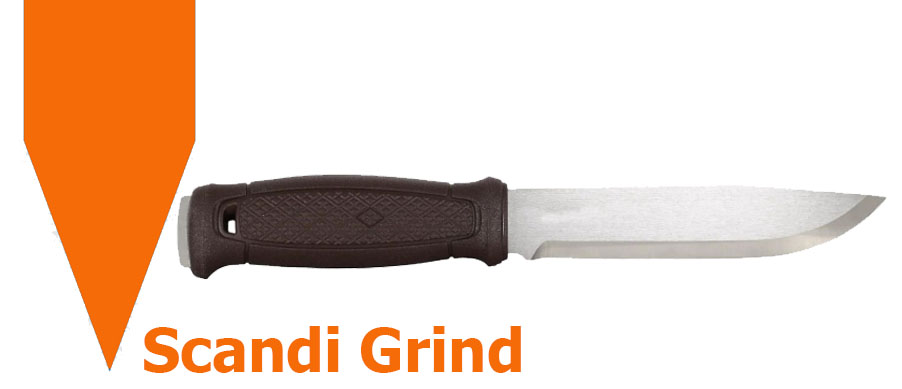
It is especially popular in bushcraft and woodwork because it allows precise control during carving and shaping tasks. You can easily maintain the correct angle by laying the bevel flat on a sharpening stone.
While it performs well in controlled cutting, it does not slice as smoothly as thinner grinds and may dull faster under heavy use. However, its ease of maintenance makes it a favorite among outdoor users.
Convex Grind – Built for Power and Strength
The convex grind features a curved, outward shape that adds extra material behind the edge. This makes it one of the strongest and most durable grind types available.
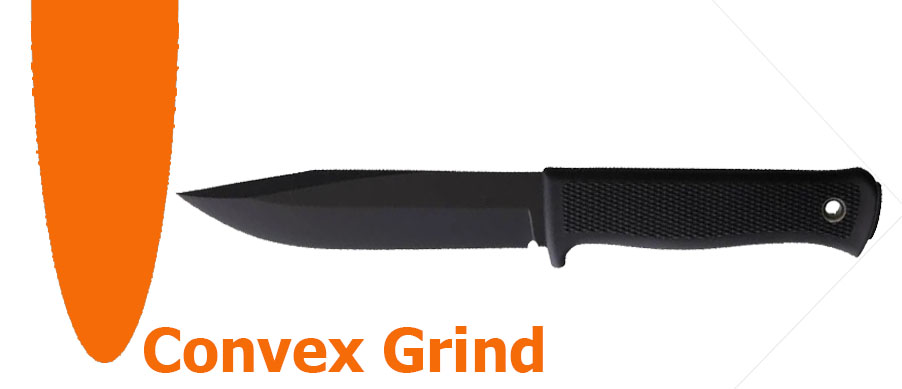
It is designed for heavy-duty tasks such as chopping wood, splitting, and clearing dense material. The edge holds up well under repeated impact and resists chipping better than thinner grinds.
This is the preferred grind for kukris, axes, and heavy machetes where strength and reliability are critical. The only drawback is that it requires more skill to sharpen properly.
Chisel Grind – Single-Sided Precision
The chisel grind is flat on one side and beveled on the other, similar to a woodworking chisel. This creates a very sharp and aggressive cutting edge.
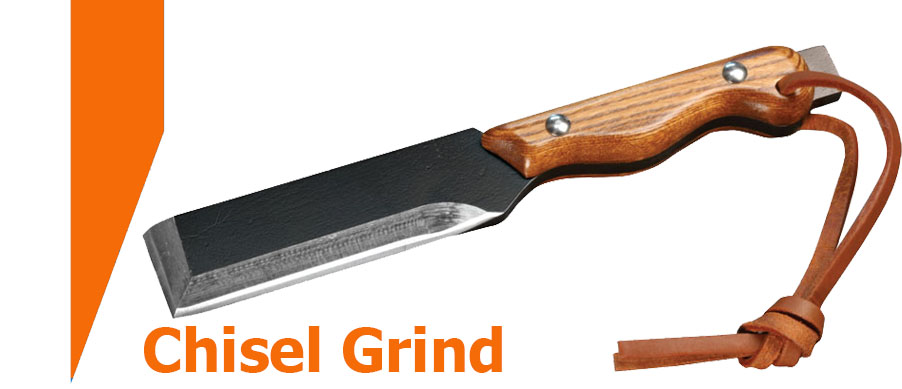
It is highly effective for precision tasks and controlled cutting, especially in woodworking or specialized tools. However, because of its asymmetry, the blade may pull slightly to one side during use.
This grind is less common in general-purpose blades but remains valuable in specific applications where accuracy matters.
Compound Bevel – Strength with Control
A compound bevel adds a secondary edge near the cutting edge, creating multiple angles. This strengthens the edge while maintaining good cutting performance.
This type of grind is widely used in modern knives because it offers a practical balance between sharpness and durability. It reduces the risk of chipping while still allowing efficient cutting.
Many blades combine this with other grind styles to improve overall performance.
Asymmetrical Grind – Advanced Blade Design
An asymmetrical grind uses different grind styles on each side of the blade. This creates specialized cutting characteristics tailored for specific tasks.
It can improve slicing efficiency or control how the blade moves through material. However, it requires more skill to use and maintain, making it more common in advanced or custom blades rather than everyday tools.
Choosing the Right Grind for Your Blade
There is no single “best” grind—only the right grind for your purpose. A blade designed for chopping needs strength, while a blade meant for slicing needs thinness and efficiency. Understanding this difference is what separates an average blade from a truly functional one.
At Everest Forge, every blade is built with intention. Whether you are selecting from our collection or planning a custom piece, the grind is carefully matched to how the blade will be used.
Your Blade. Your Grind. Your Design.
Looking for a blade built exactly to your needs? Choose your grind, your style, and your purpose. We will forge it for you.