Understanding the Difference Between HEMA and Tactical Swords
People who love blades often ask the same question: are HEMA swords the same as tactical swords? Short answer: no — they’re built for very different purposes. This blog explores the clear distinctions between these two types of swords, helping you choose the right one for training, collecting, outdoor work, or survival use.
Quick Comparison: HEMA vs Tactical Swords
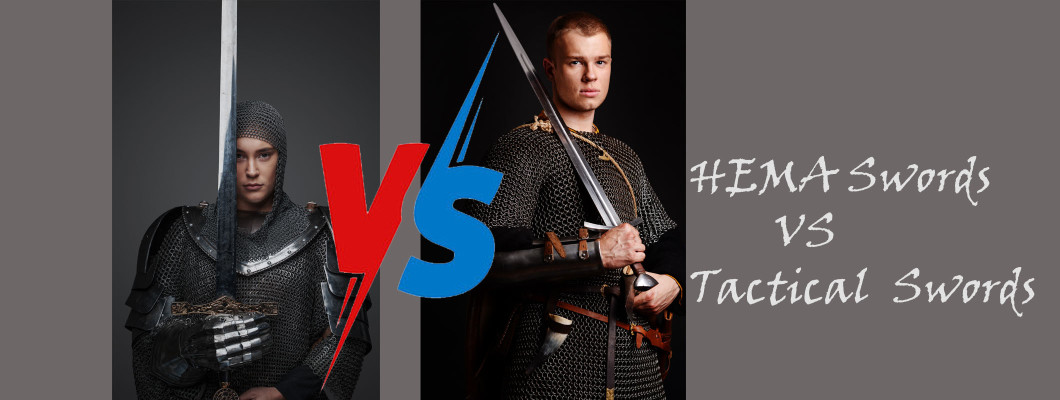
HEMA swords are historical training or reproduction blades built for authentic handling, control, and safe sparring. Tactical swords are modern designs focused on function — built to cut, chop, or survive harsh outdoor conditions. One preserves martial heritage; the other emphasizes modern utility.
Side-by-Side Summary Table
| Feature | HEMA Sword | Tactical Sword |
|---|---|---|
| Primary Purpose | Historical technique, sparring, collection, and martial training. | Utility, bushcraft, survival, and modern combat-style use. |
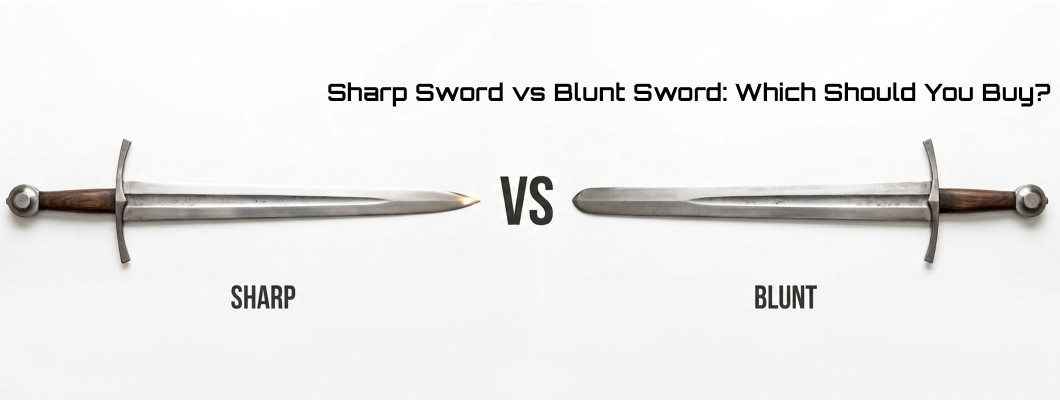
| Edge State | Usually blunted for sparring; sharp variants for test cutting. | Sharpened and ready for practical or survival applications. |
| Balance | Hilt-weighted for fine control and point precision. | Blade-forward for chopping power and cutting strength. |
| Geometry | Historical cross-sections (diamond, lenticular, with fullers). | Thicker spine, broader belly, and reinforced point. |
| Steel & Heat Treatment | Spring/high-carbon steels tempered for flexibility and safety. | 5160, 1075, or 1095 carbon steel — oil-tempered for durability. |
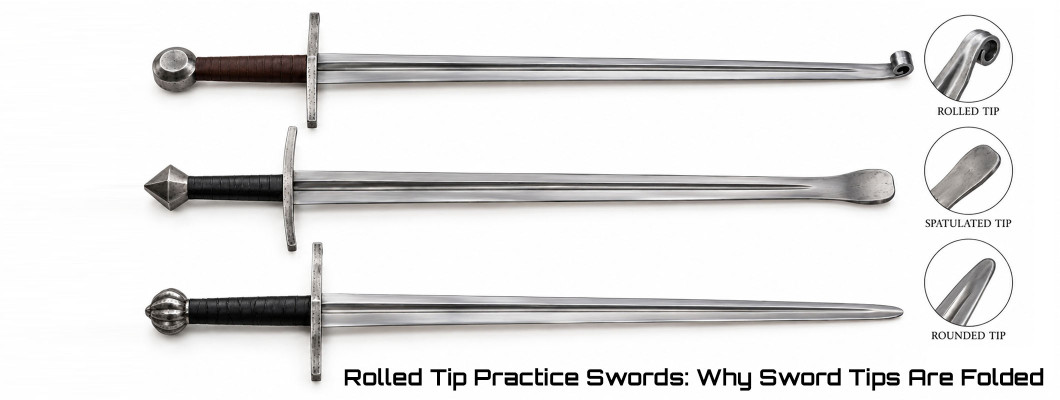
| Safety Features | Rounded tip, rolled edge, and flexible blade for safe sparring. | Full tang, sharpened edge; not suitable for partner drills. |
| Ideal Use | HEMA clubs, fencing drills, and historical study. | Fieldwork, chopping, bushcraft, and self-defense. |
| Not Suitable For | Heavy-duty chopping or batoning. | Controlled sparring or fencing training. |
| Maintenance | Check fittings, oil blade, and inspect before each session. | Maintain edge sharpness and prevent rust with regular oiling. |
| Legal Note | Ownership is generally allowed, but public carry and transport may be restricted depending on regional laws. | |
Origins & Purpose
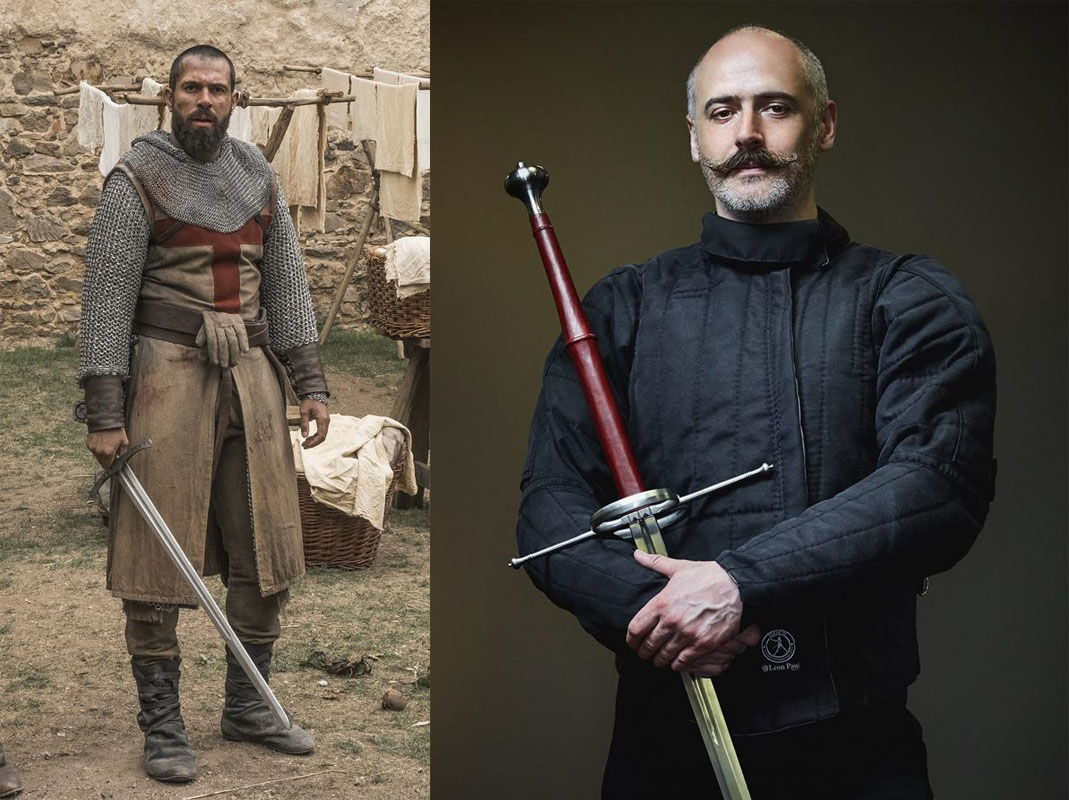
HEMA (Historical European Martial Arts) swords are modeled after real medieval and Renaissance weapons such as longswords, arming swords, messers, and rapiers. Their primary goal is to study and recreate historical fighting systems documented in old fencing manuals. They are used for practice, drills, and safe sparring in HEMA clubs around the world.
Tactical swords are modern inventions. They may borrow visual cues from historical blades, but their focus is on durability, utility, and contemporary practicality — whether for survival, bushcraft, or combat-style training. Tactical designs often feature modern steels, ergonomic grips, and heavy-duty sheaths suitable for field environments.
Handling & Feel
HEMA swords feel nimble and balanced for technical precision — ideal for fencing movements and historically accurate drills. Tactical swords feel more blade-heavy and powerful, designed to deliver decisive chopping force in survival or field tasks. Their grips are often rubberized or textured for a secure hold, while HEMA grips are wrapped in cord, wood, or leather for traditional authenticity.
Use Cases — When to Choose Which
- Choose a HEMA sword if: You want to study historical fencing, join a HEMA club, perform controlled sparring, or collect accurate reproductions of medieval or Renaissance blades.
- Choose a Tactical sword if: You need a practical cutting tool for bushcraft, camping, or survival — or simply prefer a modern, functional take on sword design.
Looking for a Custom-Made HEMA Sword?
Most swords available today are designed as tactical swords — built for durability, cutting power, and practical field use. However, if you prefer a HEMA-style sword tailored to your personal preferences — including custom length, weight, balance, or historical specifications — our smiths can forge one exclusively for you.
Request your custom HEMA sword through our forge request page below:
FAQ
Can a HEMA sword be used for cutting wood or bushcraft?
Not ideally. HEMA blades are balanced for control and technique, not chopping power. They often lack the thickness and durability needed for woodcutting without damage.
Can I use a tactical sword for HEMA training?
No. Tactical swords are sharp, heavier, and not built for contact drills. Using them in HEMA sparring would be unsafe and could cause serious injuries.
Do HEMA swords come sharp?
Training HEMA swords are blunted for sparring safety. However, some HEMA practitioners use sharpened replicas for controlled cutting tests to understand edge mechanics.
What’s the best maintenance routine?
Keep blades clean, oiled, and rust-free. Check hilts and guards before use, and for carbon steel, apply a light oil film after each session. Tactical swords may require edge maintenance depending on how heavily they’re used outdoors.
Are HEMA swords functional weapons?
Yes — when sharpened versions are used, HEMA swords are fully functional. However, their purpose is primarily historical study, not combat or survival use.
Can tactical swords be used for home defense?
They can, but they are not practical compared to modern defensive tools. Their long reach and sharp edge require skill to handle safely.
What kind of steel is best for a HEMA sword?
Most practitioners prefer 5160, 9260, or 6150 spring steels due to their flexibility, toughness, and resistance to breakage during training or cutting practice.
Do tactical swords come with sheaths?
Yes. Tactical swords almost always include heavy-duty sheaths — often made of nylon, kydex, or leather — for safe carrying and outdoor use.