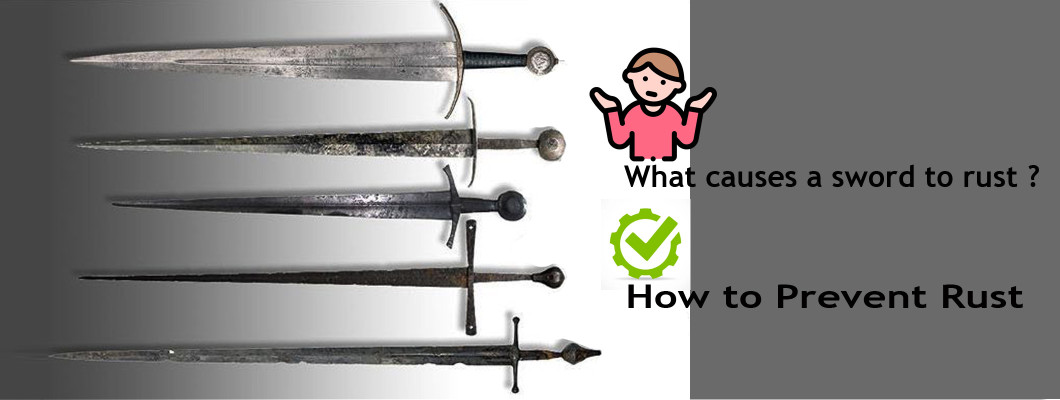
How to Prevent Rust on Swords, Kukris, Machetes, and Knives
Rust is the silent enemy of every blade. It begins with small orange spots and, if ignored, can spread to weaken even the finest forged steel. Whether you own a sword, kukri, machete, or knife, keeping it clean and protected ensures that your blade stays sharp, functional, and beautiful for decades.
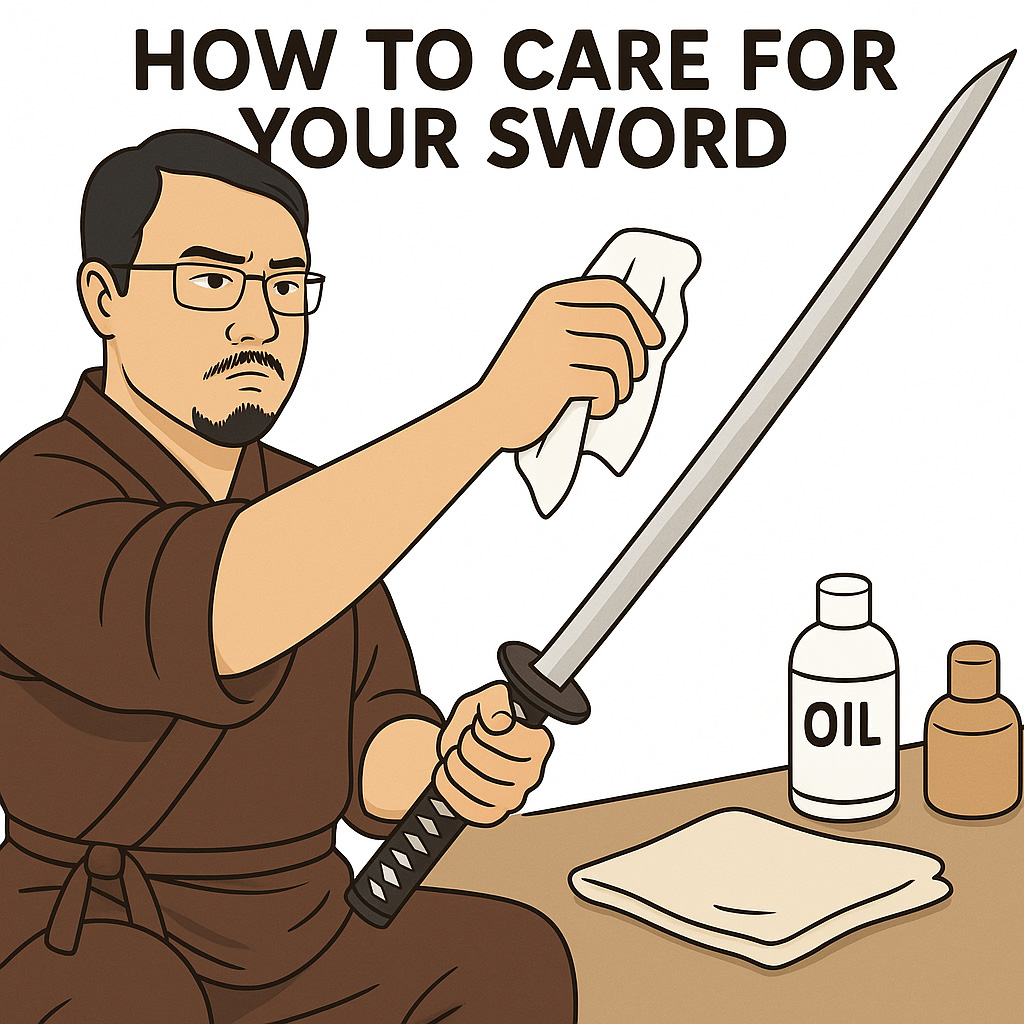
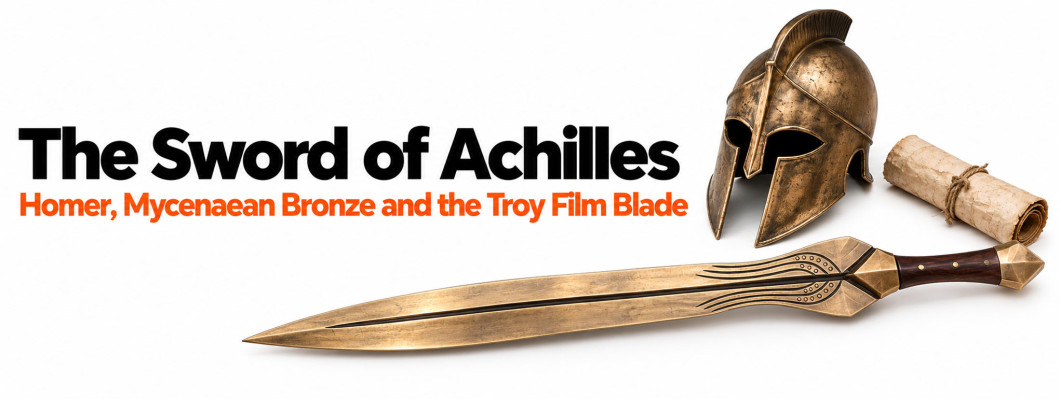
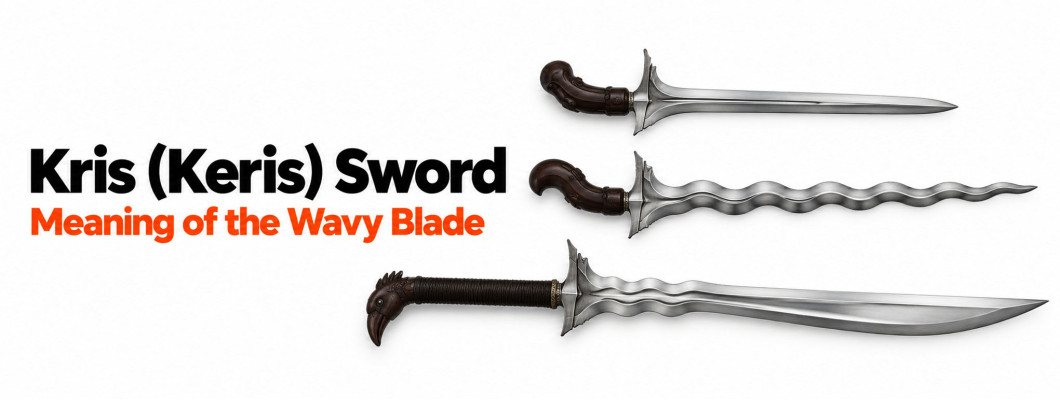
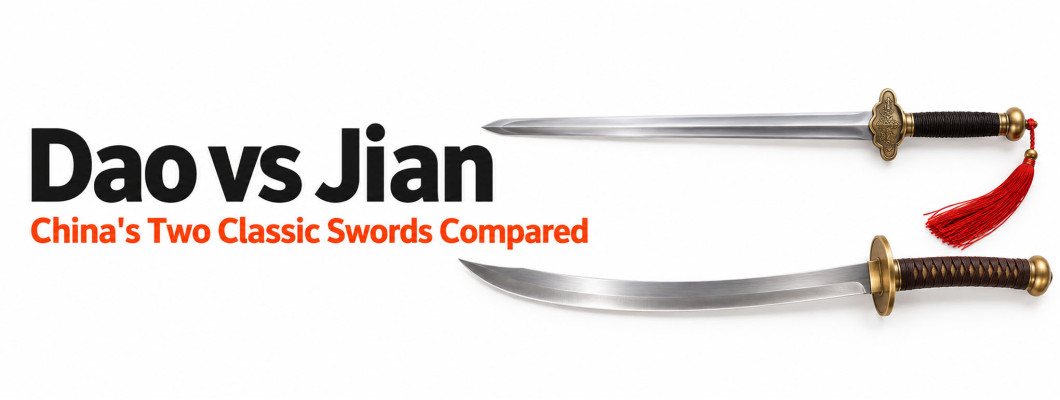
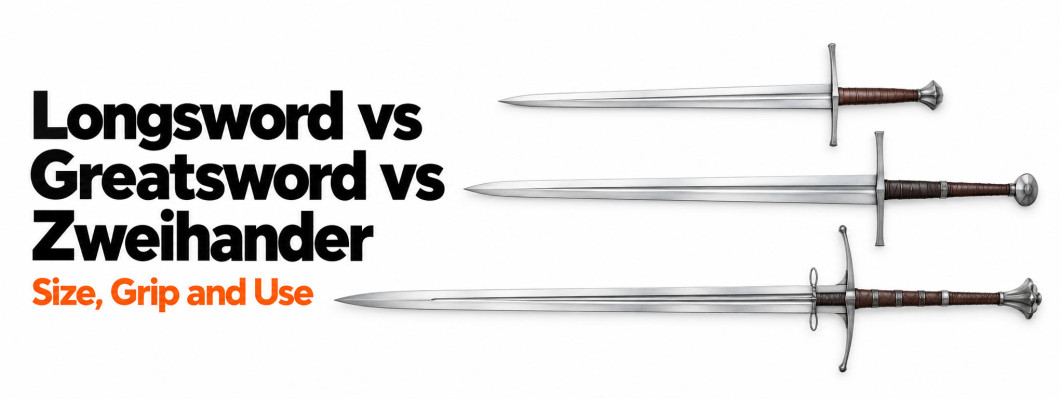
Illustration: How to Prevent Your Sword from Rusting
Why Blades Rust
Rust forms when the iron in steel reacts with oxygen and moisture, creating iron oxide. High-carbon steels like 5160 spring steel are popular for swords, kukris, and machetes because they’re strong, durable, and hold a sharp edge. However, they also contain less chromium than stainless steel, which makes them more likely to rust if not cared for properly.
Common Causes of Rust
Moisture and humidity: Even humid air can cause steel to oxidize if it’s not protected.
Fingerprints: Natural oils and salts from your hands can corrode the surface over time.
Leather sheaths: Leather traps moisture, encouraging rust when blades are stored long-term.
No protective coating: Steel left bare reacts directly with air and water, forming rust.
Salt and organic residue: Blood, sap, or saltwater can quickly damage unprotected blades.
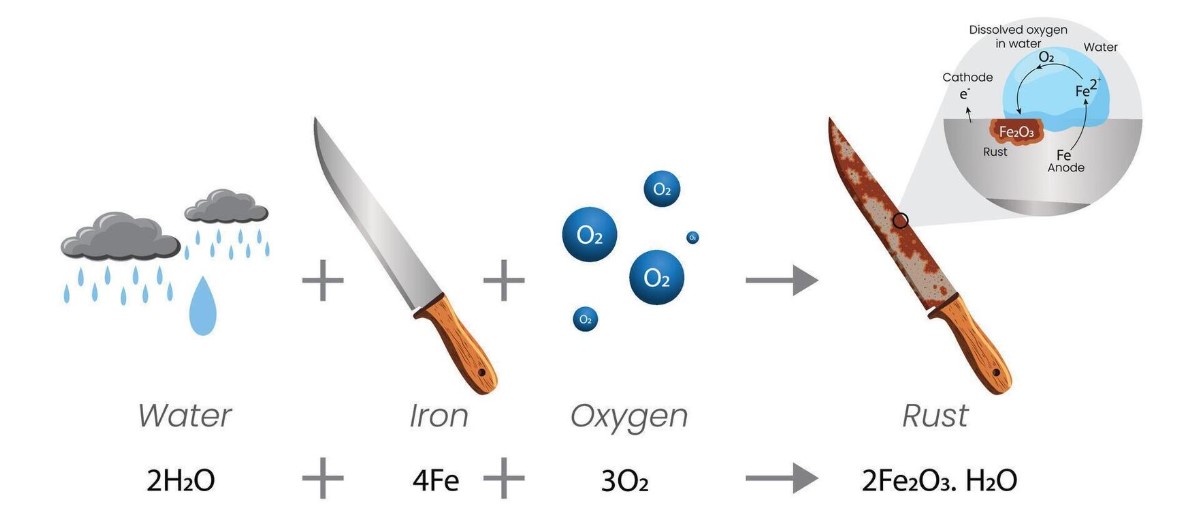
Illustration: Scientific Process of Rusting in Swords, Kukris, and Machetes
How to Prevent Rust
Keep it dry: Always dry your blade after use. Even a few drops of water can start corrosion.
Oil regularly: Apply a thin coat of mineral oil, camellia oil, or WD-40 to protect the metal surface.
Avoid long-term leather storage: Leather looks traditional but holds moisture. Use a cloth wrap or wooden box for long storage.
Control humidity: Place silica gel packs or rust inhibitors inside display cases or storage boxes.
Wipe after handling: Fingerprints are slightly acidic—wipe them off after every touch.
Wax display pieces: For blades you don’t use often, apply beeswax or Renaissance Wax for long-term protection.
Carbon Steel vs. Stainless Steel
Carbon steel: Offers superior sharpness, toughness, and flexibility but rusts faster if neglected.
Stainless steel: Resists corrosion better due to chromium content but isn’t completely rust-proof and often lacks the same cutting performance.
Traditional Blade Care (Kukri Wisdom)
Clean, oil, and store: In Nepal, this has been the practice for generations. Gurkha soldiers maintain their kukris this way after every use, ensuring they stay battle-ready.
Respect the craft: Caring for your blade isn’t just maintenance—it’s honoring the tradition and the smith who made it.
Removing Existing Rust
Light rust: Use a soft cloth with a bit of WD-40 and rub gently along the grain of the blade.
Moderate rust: Use fine-grade steel wool (0000) or metal polish with light, even strokes.
After cleaning: Always dry completely and apply a fresh coat of oil to prevent new oxidation.
Smart Storage
Cool, dry, stable: Keep your blades away from damp or fluctuating temperatures.
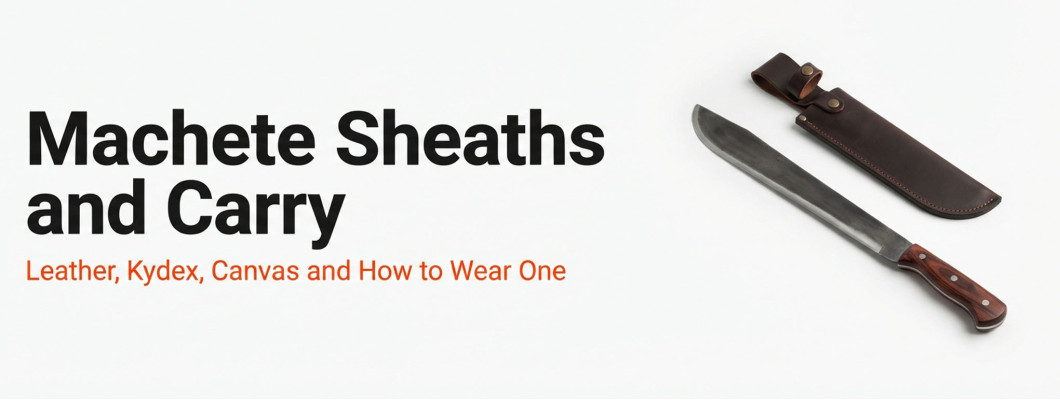
Sheath strategy: Leather for travel, but not for storage. Use fabric or wooden covers instead.
Check monthly: Regular inspection helps catch early signs of rust before they spread.
FAQs
Q: I received my sword or kukri and it’s oily. Why?
A: Every Everest Forge blade is made from high-carbon steel, which can rust easily if left bare. We apply a protective layer of oil before shipping to prevent corrosion during transit. When you receive your blade, simply wipe it with a clean, dry cloth. Keep a light coat of oil afterward to maintain protection.
Q: How often should I oil my blade?
A: Working blades should be oiled after every use. For decorative or display pieces, oil them once every few weeks or more often if you live in a humid area.
Q: Can I use cooking oil on my blade?
A: Avoid cooking oils because they can turn sticky or rancid. Use mineral oil, camellia oil, or WD-40 for long-term protection and a clean finish.
Q: Can I store my blade in its leather sheath?
A: Leather sheaths are great for carrying but not for storage. Leather traps moisture and can cause hidden rust. For long-term storage, remove the blade, wipe it clean, apply oil, and wrap it in soft cotton.
Q: What should I do if my blade already has rust?
A: Don’t worry—light rust can be removed easily. Use fine steel wool or a polishing cloth with a little oil. Rub gently along the blade, dry thoroughly, and reapply oil to protect it.
Q: Does stainless steel rust?
A: Yes, even stainless steel can rust under certain conditions, especially in salty or humid environments. It resists corrosion better than carbon steel but still benefits from cleaning and oiling.
Q: Can rust reduce a sword’s strength?
A: Yes, over time rust can weaken the steel. While light surface rust is mostly cosmetic, deeper corrosion eats into the metal structure and can cause small pits or cracks. If left untreated, it can reduce a sword’s durability, balance, and even make the blade unsafe for use. Regular cleaning and oiling stop rust before it reaches that stage.
Final Thoughts
Simple care goes a long way: Keep your blade clean, dry, and oiled, and it will last for generations. Every Everest Forge blade is hand-forged and oil-tempered for real performance, but its longevity depends on your care. Protect it well, and it will serve you faithfully for a lifetime.