Understanding Arming Swords and Short Swords
Throughout history, swords have developed in many different shapes and sizes depending on the needs of the warriors who carried them. Two terms that often create confusion are the arming sword and the short sword. At first glance, both may appear similar because they are commonly one-handed weapons and smaller than large two-handed battlefield swords.
However, these two weapons represent very different classifications. The arming sword is a specific medieval European weapon strongly associated with knights and shield combat. The short sword, on the other hand, is a broader term used to describe many compact blades from different cultures and time periods.
Understanding how these swords differ helps clarify how weapons evolved across civilizations and how different combat styles shaped blade design.
Blade Design and Structure
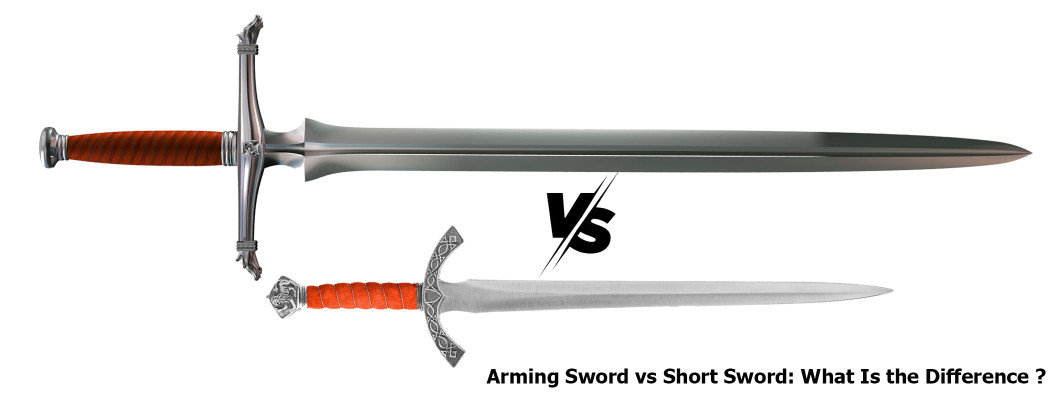
The blade is one of the most noticeable differences between an arming sword and a short sword. An arming sword typically features a straight double-edged blade designed for both cutting and thrusting attacks. The blade length generally ranges between 28 and 32 inches, providing a good balance between reach and maneuverability.
A short sword is usually much shorter. Most short swords have blades measuring around 12 to 24 inches. Because these swords were used in many cultures, their blade shapes vary widely. Some are straight and narrow, while others are leaf-shaped or single-edged.
The longer blade of the arming sword allowed knights to maintain better distance during combat, while the shorter blades of short swords made them extremely effective in tight or crowded fighting conditions.
Handle and Guard Construction
The hilt of an arming sword follows a very recognizable medieval design. It normally includes a cruciform crossguard, a grip sized for one-handed use, and a rounded or wheel-shaped pommel that balances the blade.
This design protected the hand and helped control an opponent’s blade during combat. The pommel also served as a counterweight, making the sword feel balanced in the hand.
Short swords do not follow a single hilt style. Because they developed in many cultures, their handles vary widely. Some have minimal guards or simple grips, while others may include decorative fittings or unique shapes depending on regional design traditions.
Scabbard and Carry Method
Arming swords were typically carried in leather-covered wooden scabbards attached to a belt or sword hanger. Knights wore these swords at their side as part of their everyday martial equipment.
The scabbard protected the blade from damage and allowed the sword to be drawn quickly when needed.
Short swords also had scabbards or sheaths, but their designs varied depending on the culture and era. Some were simple leather covers, while others used wooden cores or decorative metal fittings.
Dimensions and Weight Balance
The arming sword is generally longer and slightly heavier than most short swords. Its length provided a balance between reach and control, making it an effective primary sidearm for knights and soldiers.
Short swords are typically more compact and lighter. Their smaller size made them easier to maneuver in confined spaces such as narrow streets, ship decks, or dense infantry formations.
| Feature | Arming Sword | Short Sword |
|---|---|---|
| Blade Length | 28–32 inches | 12–24 inches |
| Primary Region | Medieval Europe | Various cultures worldwide |
| Weapon Type | Specific knightly sword | General sword category |
| Typical Use | Used with shield in medieval combat | Close-quarters fighting weapon |
Historical Role and Cultural Importance
The arming sword is strongly connected to the culture of medieval knighthood. It was the standard weapon of knights and played a central role in medieval warfare, crusades, and duels.
Short swords have a much broader historical presence. They appeared in ancient civilizations long before the medieval period and continued to exist in different forms across cultures.
From the Roman gladius to the Japanese wakizashi, short swords served many purposes depending on the needs of the warriors who used them.
Battlefield Use and Fighting Style
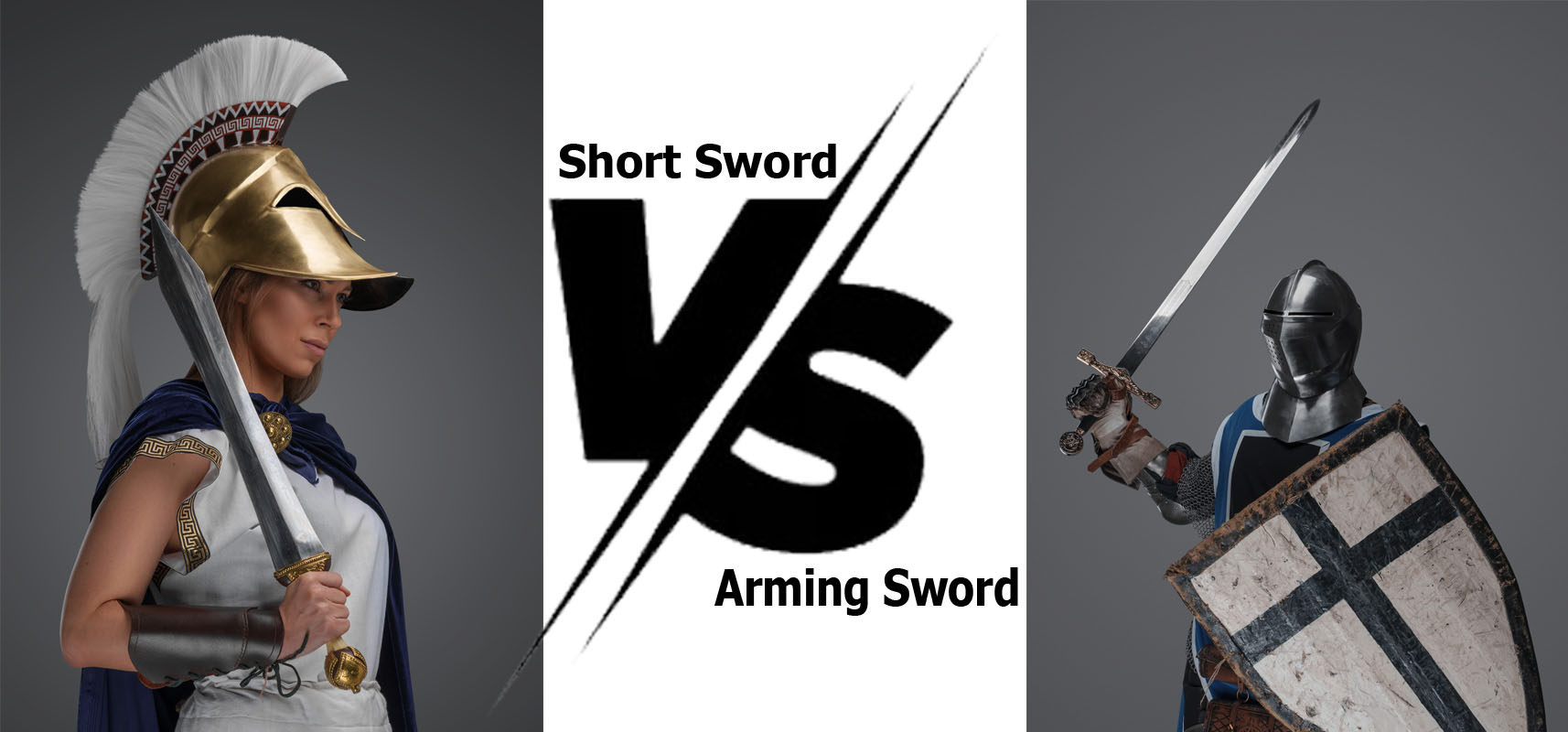
Arming swords were designed to work together with shields. Knights used them in both mounted and foot combat. Their length allowed for powerful cuts and effective thrusts while still maintaining quick control.
Short swords were often used in situations where compact weapons had an advantage. Roman legionaries, for example, used short stabbing swords effectively in tight formations. Other cultures used short swords indoors, on ships, or as backup weapons when longer arms were unavailable.
Inspired by Historical Sword Designs?
Many enthusiasts who study historical weapons eventually want a blade inspired by the legendary swords of the past. Whether you prefer the classic proportions of a medieval arming sword or the compact power of ancient short swords, custom forging allows you to bring your own vision to life.
At Everest Forge, blades are hand forged using traditional methods. Collectors and enthusiasts can request custom swords inspired by historical designs or create completely unique blade concepts tailored to their preferences.
Similar in Appearance, Different in History
Although the arming sword and the short sword may look similar at first glance, they represent two different ways of understanding sword design. The arming sword is a specific medieval European weapon closely tied to knights and shield combat.
The short sword, by contrast, is a broader category that includes many smaller blades developed across different cultures and centuries.
Recognizing these distinctions helps reveal how weapons evolved to suit different fighting styles and historical conditions, showing the remarkable diversity of swords throughout human history.
Frequently Asked Questions
What is the main difference between an arming sword and a short sword?
The main difference is classification. An arming sword is a specific medieval European sword used by knights, while a short sword is a general term used for many shorter blades from different cultures and historical periods.
Is an arming sword considered a short sword?
No, an arming sword is usually longer than what historians consider a short sword. Although it is a one-handed weapon, its blade length is typically around 28–32 inches, which is longer than most short swords.
How long is an arming sword compared to a short sword?
An arming sword usually has a blade length between 28 and 32 inches. Short swords generally have blades between 12 and 24 inches, making them more compact weapons.
Which sword was used by medieval knights?
The arming sword was the classic weapon carried by medieval knights. It was commonly paired with a shield and used during the High Middle Ages in battles, duels, and personal defense.
What are examples of historical short swords?
Famous examples of short swords include the Roman gladius, the Greek xiphos, the Viking seax, and the Japanese wakizashi. These weapons were designed for close combat and quick movements.
Why were short swords popular in ancient warfare?
Short swords were popular because they were easy to use in tight formations and confined spaces. Soldiers could fight effectively in close quarters where longer weapons would be harder to maneuver.
Which sword has better reach?
The arming sword has better reach because of its longer blade. This made it more suitable for medieval combat where maintaining distance from an opponent could be an advantage.
Can you still get an arming sword or short sword today?
Yes. Many modern bladesmiths still forge swords inspired by historical designs. Collectors, reenactors, and enthusiasts often commission custom forged swords based on medieval or ancient weapon styles.