KA-BAR Kukri vs Everest Forge Kukri: Which Should You Buy?
The term “kukri” covers a wide range—from mass-produced machetes to hand-forged, field-ready blades. This guide compares the popular KA-BAR Kukri Machete with Everest Forge hand-forged kukri options so you can choose the right tool for bushcraft, camp work, or collection.
Quick Take
- KA-BAR Kukri Machete: budget-friendly, tough, easy to maintain, great for clearing brush and light chopping.
- Everest Forge Kukri: hand-forged 5160 options, traditional geometry, full-tang builds, tuned heat-treat—better for balanced chopping, durability, and authenticity.
Specs & Build: Side-by-Side
| Feature | KA-BAR Kukri Machete (Model 1249) | Everest Forge Kukri (Range) |
|---|---|---|
| Steel | Commonly listed as SK5 (older retailer pages may cite 1085). | Typically 5160 spring steel (hand-forged; heat-treated and tempered). |
| Blade length / OAL | ~11.5" blade / ~17" overall; ~0.165" thick. | Multiple lengths and thicknesses available (utility to heavy-duty). |
| Tang & Handle | Full-tang with TPR/Kraton-style grip; strong and grippy. | Offered in both full-tang (Panawal) and rat-tail (Parowala) builds; handles made from rosewood, whitewood, horn, or bone (model-dependent). |
| Scabbard / Sheath | Leather/Cordura-style sheath included. | Handmade leather scabbards (traditional patterns; yak/buffalo leather options on many models). |
| Karda & Chakmak | Not part of the traditional machete kit. | Often included with traditional Everest Forge kukri sets (small utility knife and honing tool). |
| Made in | Taiwan (for KA-BAR 1249). | Hand-forged in Nepal by skilled smiths. |
Note: Manufacturer and retailer listings can vary; always check the current product page for final specs.
How They Feel in Hand
KA-BAR Kukri Machete: favors forward-weighted chopping with a resilient, grippy synthetic handle; excellent for fast brush clearing and camp chores.
Everest Forge: hand-forged geometry (e.g., Sirupate, Angkhola, Chitlange) and tuned heat-treat on 5160 are designed to balance chop power with edge stability. Full-tang Panawal builds feel rigid and confidence-inspiring; traditional rat-tail options keep weight lower for lighter tasks. Wood, horn, bone, and whitewood handle choices let you match grip feel and look.
Use Cases: Which One Suits You?
- Land clearing / rough work / budget-first: KA-BAR’s kukri machete is purpose-built for brush, vines, and small limbs—tough, affordable, easy to maintain.
- Field knife with tradition & durability: Everest Forge options emphasize hand-forged 5160, traditional balance, multiple tang types, and scabbard craftsmanship—ideal if you want a long-lived tool with authentic build.
Pros & Cons
KA-BAR Kukri Machete
- Pros: great value; tough coated blade; secure synthetic grip; includes sheath; widely available.
- Cons: machete geometry (less traditional kukri nuance); specs can differ across retailer pages; made for utility more than craftsmanship.
Everest Forge Kukri
- Pros: hand-forged 5160 options; full-tang or rat-tail builds; traditional leather scabbards; choice of rosewood/whitewood/horn/bone handles; many models include karda & chakmak .
- Cons: higher price than budget machetes; handmade variation requires proper care and oiling.
FAQs
Is the KA-BAR Kukri full-tang?
Yes—current listings describe a full-tang build with a TPR/Kraton-style handle for a non-slip grip.
What steel does KA-BAR use on the 1249?
Many current listings cite SK5 steel; some older retailer pages reference 1085. Check the latest KA-BAR product page for confirmation.
Why choose a hand-forged 5160 kukri?
Properly heat-treated 5160 spring steel offers excellent toughness and resilience for chopping, making it a strong choice for hard-use kukri knives.
Legal & Trademark Notice
KA-BAR is a registered trademark of KA-BAR Knives, Inc. This independent comparison is for editorial and informational purposes only. We are not affiliated with, sponsored by, or endorsed by KA-BAR. Product names are used under nominative fair use solely to identify the items being compared.
All specifications and statements are based on publicly available information and may change. Nothing here is intended to disparage KA-BAR or mislead consumers. If any detail is inaccurate, please contact [email protected] for prompt correction or removal.
This content is provided for general information and does not constitute legal advice.
Explore More: Khukuri from Nepal – Who Forges the Best Kukri
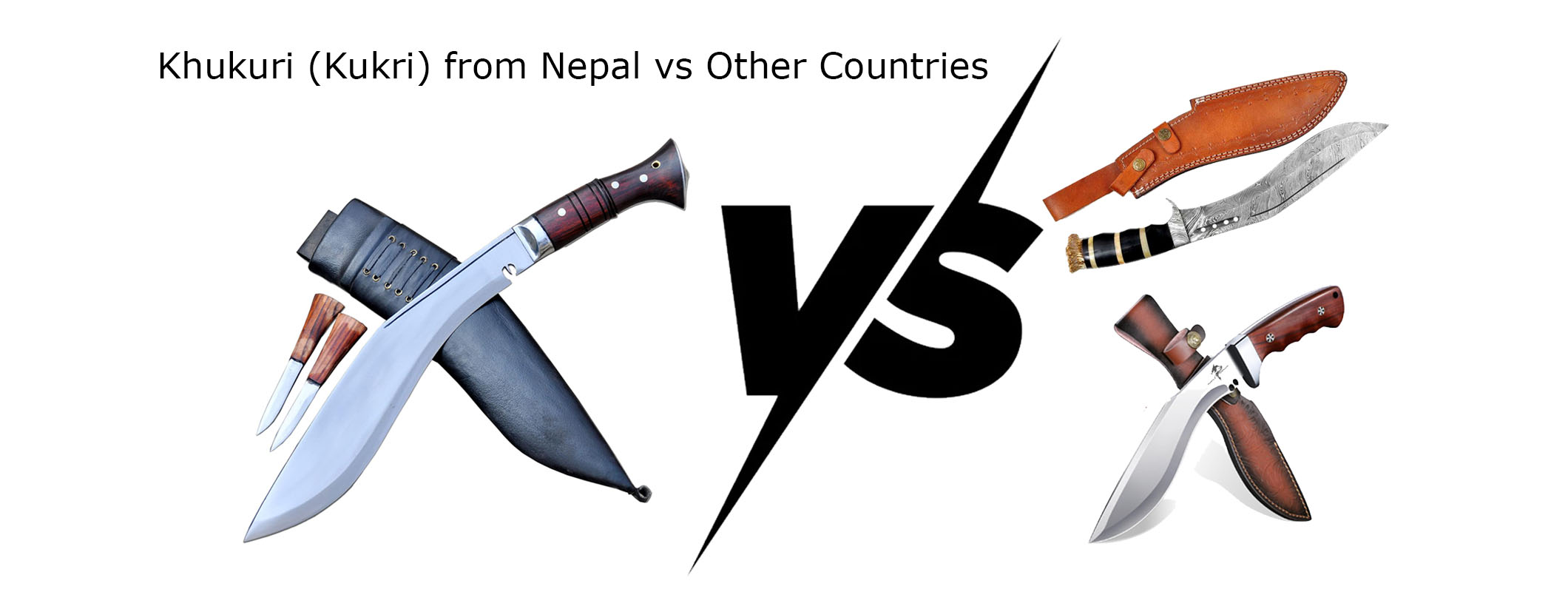
Discover how khukuris made in Nepal stand apart from foreign kukris. Learn who forges the best khukuri and why Nepalese craftsmanship continues to define blade-making excellence.
Read the full article →