The Ever-Growing Role of the Machete
Throughout the years, there have been many timeless pieces which has captured the history of many weapons. A lot of the weapons have both history and practical value. The machete is still one of those weapons that not only has a strong cultural background but is also very much used in everyday life. The machete has been the most versatile blade for its durability all over the world and even beyond the time span of a human life.
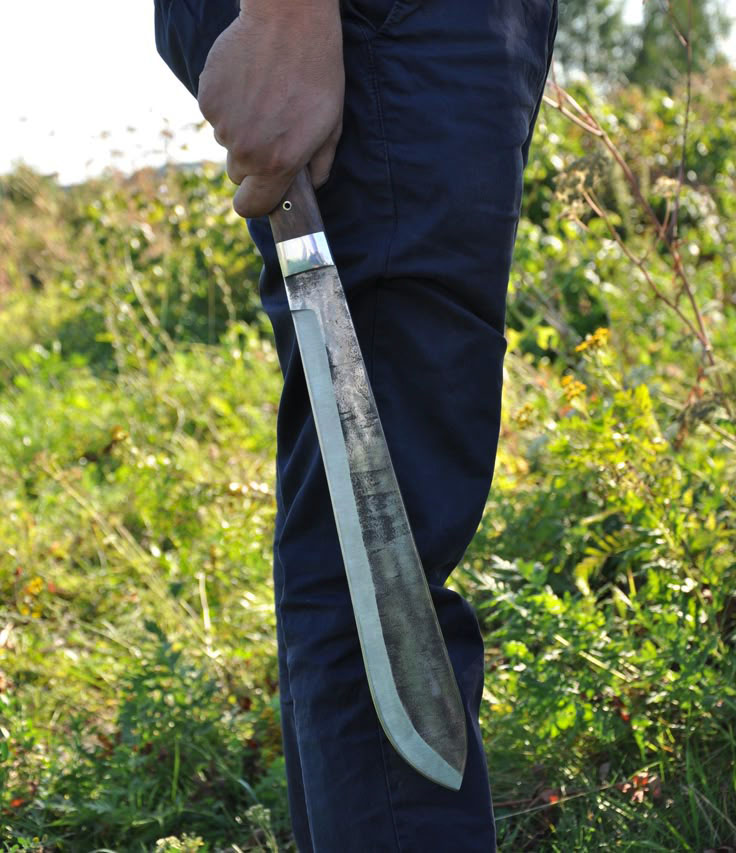
The machete has made history with its use in the wilderness of the Amazon and in the rice paddies of the Far East. It has been a humble farming campaign and the best everyday weapon, a blade rooted in global cultures. In Africa, the machete is a well-known weapon. It has been known by many local names and has long been used as a farming tool. Its role extends beyond agriculture. During times of conflict, African warriors wielded machetes as a weapon of defense. Machete provided a ready-to-battle blade that was perfect for the field.
Machete: A Globally Renowned Piece
South America, Brazil, and Colombia, in particular, were the places where the machete had been a tool of the most essential kind for the people to survive. The farmers worked with the pitch blade of it as the adventurers and the tourists cut their way through the dense forests by using it. In Asia, the machete evolved into various forms. In Nepal, the Dao machete was popular, whereas India and surrounding regions also adopted two different kinds of machetes. The machete blended the roles of farming tool and combat blade. These examples show how the machete's significance crossed borders. It adapted to the needs of each culture while carrying the same spirit of a survival blade.
Dual Purpose: A Weapon and a Tool
What makes the machete stand out is its dual purpose. It is a weapon that is not just solely designed for battle. In peace times, the machete is a tool of creation. It can be used in chopping, clearing, and harvesting. In dangerous times, it transforms into a reliable weapon. It is capable of protecting anyone in close combat.
Everest Forge: Honoring the Tradition
The machete carries traditional importance. In today's world, where many blades are mass-produced, Everest Forge carries the true spirit of the machete. Everest Forge is the modern guardian of the traditional methods used to make the machete. All the weapons and tools are made by skilled blacksmiths who hand-forge machetes with the same care and precision. By blending heritage and innovation, Everest Forge ensures machetes remain more than just a historical artifact.
Custom Forged Machetes
Machetes are more than tools — they’re personal companions forged for real use. Each design reflects the user’s unique preferences for balance, grip, and purpose. Whether you’re seeking a bushcraft, tactical, or jungle machete, our smiths craft each blade to fit your individual needs.
Because a true working machete depends on personal comfort and selection, we invite you to bring your vision to life with a fully customized forge experience.
Request Your Custom Forge TodayPreserving Heritage While Moving Forward
The machete's journey has been a timeless period of evolution. Its story continues as new generations recognize its role. It is a survival, cultural, and craftsmanship creativity. By maintaining traditional forging techniques while introducing modern designs, Everest Forge is helping to keep the art alive.
The Evolution of Forging Techniques
Forging is one of the oldest metalworking methods. It has been used to create perfect metal shapes and has been passed down from generation to generation. Forging is a pure art that requires skilled blacksmiths and traditional methods. These blacksmiths often work with basic tools and techniques. They shape the iron and steel into perfect blades. The machete has become not just a survival tool due to its unique forging techniques.
Traditional Blacksmithing in Nepal
In Nepal, the forging technique has been passed down from generation to generation. In the past, forging was done almost entirely by hand. Every strike of the hammer used in the blade was from the skilled blacksmiths and their instincts. These smiths relied on their experience to judge the right temperature and thickness. They didn't have perfect modern measuring tools. With this technique, no two machetes looked similar. They carried the same strength but different personalities.
The Transition to Modern Forging
Basically, the field of metallurgy has been affected by the rise of different kinds of technology. Today, the use of different modern methods has opened the door to the production of blades with a longer duration, sharper, and of greater quality. The manufacturing of a high-quality blade involves accurate heating, rapid cooling, and tempering. This thrift doesn't erase the old ways that strengthen the blade. While fractures may produce blades quickly and cheaply, the traditional forging method adds a different level of detail and spirit to the blade.
Everest Forge: Blending Heritage with Technology
At Everest Forge, creating a piece of weaponry is about perfecting the blade. Everest Forge stands out at this crossroads. Based in Nepal, it takes the wisdom of traditional blacksmiths and combines it with modern metallurgy. We create machetes that look both timeless and reliable.
To adjust to the needs and demands of modern users, Everest Forge strengthens key areas of Blade. We reinforce tips that provide durability. This ensures every machete is not only a heritage piece but also a dependable survival tool.
Hand-Forged vs Factory-Made
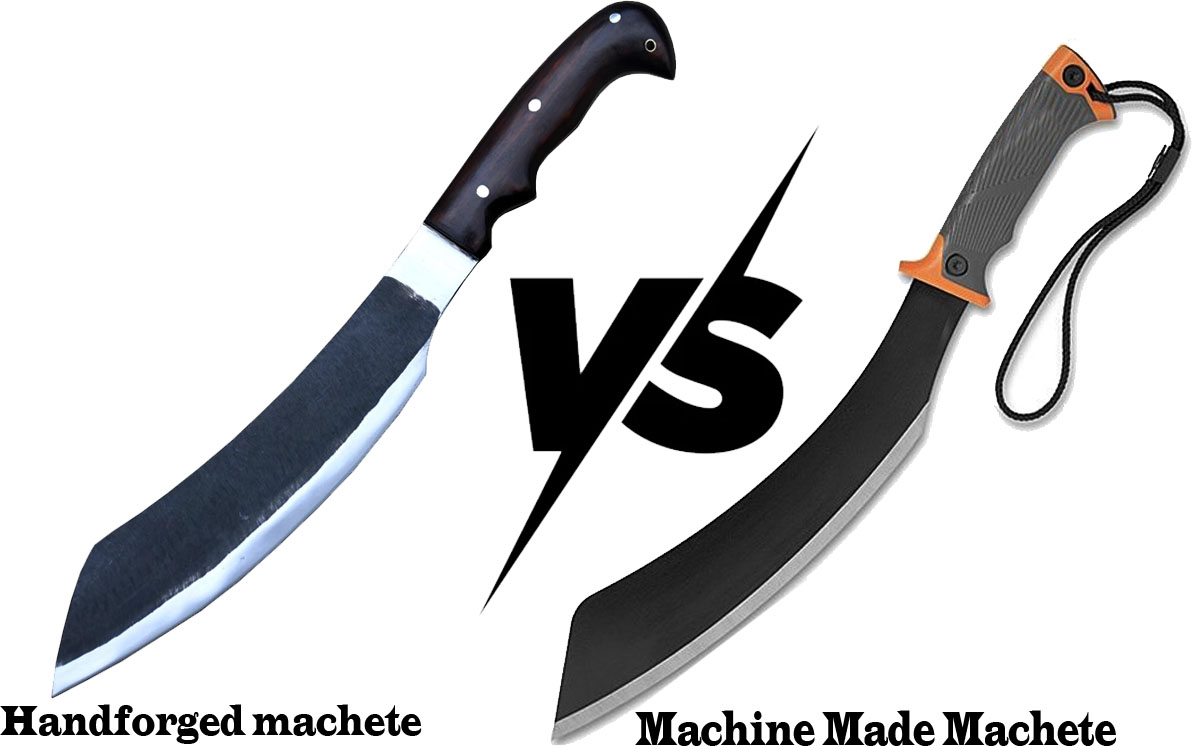
Hand-forged and factory-made machetes are different. The quality and the character of these machetes speak about their journey to become a perfect weapon. Factory-made blades may look uniform, but lack the strength. A hand-forged machete carries layers of skill, attention, and tradition. It is built to last longer and has comfortable handles made for heavy use. It carries a story of a blacksmith who has shaped the machete with perfect ends.
Why Hand-Forged Blades Stand Apart
The world is full of mass production dominance. The hand-forged blades continue to hold a special place. They are works of craftsmanship. It is designed and shaped with skill and passion. A hand-forged machete carries qualities that factory-made blades do not. It has different levels of strength and balance. This is why survivalist collectors and outdoor professionals prefer hand-forged blades.
Superior Durability and Strength
Hand-forged blades are resistant and durable. When a blacksmith strikes and hammers a piece of steel, they produce a unique piece. The metal is aligned with the structure to the minimum necessary for better toughness. By this, a hand-forged machete can be used, but it won't be bent or broken. Blades from the factory are frequently of a lower quality and are even brittle. They can get small cracks, fractures, and even become worn out faster than usual under pressure. A hand-forged machete is designed to be highly durable, and therefore, it is a trustworthy tool that won't let you down.
Perfect Balance and Edge Retention
Balance is one more characteristic that sets hand-forged machetes and blades apart. Talented blacksmiths take note of the distribution of weight when they are molding the blade. It is an assurance that the machete is pleasant to hold. A well-balanced blade allows smoother control. Similarly, with the edge of retention, hand-forged machetes have sharper edges for a longer period. The forging process strengthens the steel at the cutting surface. For professionals and adventurers, this difference creates a huge impact on creating a perfect machete.
Everest Forge: Precision in Every Blade
At Everest Forge, the traditional craft is what makes it different from others. Each machete is individually forged by hand. Skilled smiths carefully heat high-carbon steel. They hammer it and refine every single detail. From the blade spine to its edge, the entire forging process is designed to maximize strength. This personal attention to each blade guarantees consistent quality. While machines produce identical-looking machetes, they often lack precision and care.
Hand-Forged: Built to Last
A hand-forged machete is more than just a cutting tool. It is built to last: A hand-forged machete is more than just a cutting tool. It is built to be durable and last with pride. It represents centuries of traditions combined with the precision of skilled craftsmanship. At Everest Forge, we keep this heritage alive. We ensure every blade meets modern needs. We create stronger, sharper, and reliable hand-forged machetes that stand apart from the rest.
Reinventing the Classic Machete Design
Machete is one of the most adoptable blades ever created. Even though it has a classical design from the past, it has evolved with time. At Everest Forge, the machete has been created not just to preserve the heritage but also to meet the needs of modern users. Everest Forge has given this timeless tool new life with smart innovations. Each blade is designed to keep its cultural essence while offering strength and style.
Straight Machetes: Precision and Utility
Straight-bladed machetes are one of the most reliable designs. It is known for its accuracy. These blades excel at precision chopping and light utility tasks. It makes the job of slicing much easier. Everest Forge hand-forges these machetes to feel light in the hand, yet durable enough. Their balance makes them perfect companions for farmers, explorers, and campers.
Curved Machetes: Speed and Strength
Curved Machetes are built for speed and power. They have a sweeping edge and a curved shape. This design is ideal for fast slashing and clearing jungle vegetation. Historically, curved machetes also served combat purposes. It gave warriors the ability to strike quickly in fluid motion. Everest Forge continues this tradition by crafting curved machetes with optimized curvature.
Smart Blade Enhancements
At Everest Forge, we focus on preserving the core design while introducing modern enhancements. This improves performance, design, and durability.
- Reinforced tips add strength. The blade endures the most impact, reducing the risk of breakage.
- Ergonomic handles are shaped for comfort. It ensures a secure grip.
- Optimized curvature increases cutting efficiency. It reduces fatigue for the user.
Aesthetic Upgrades for Collectors
At Everest Forge, we meet the vision and demands of the collectors. For those who admire blades as cultural artifacts, Everest Forge offers aesthetic upgrades. This makes the machete unique and timeless.
- Engraved patterns highlight artistry rooted in heritage.
- Custom finishes enhance both appearance and protection. It adds a personal touch.
- Personalized handle materials give each blade its own individuality. You can always choose between hardwood, bone, or horn.
High Carbon Steel: The Heart of Strength
The durability of the Everest Forge machete lies in the quality of the steel. At Everest Forge, we use high-carbon steel and 5160 carbon steel to create perfect machete blades. With this, it has a perfect balance of strength and longevity. It withstands repeated strikes and resists wear even under tough conditions. By combining premium material with hand-forged precision, Everest Forge ensures every blade delivers unmatched reliability.
A Blade for Every Application
What makes Machete truly remarkable is its wide uses.
- It can be used in jungle work to clear paths.
- It can be used in camping and survival.
- It makes it easier to chop wood and provide protection in emergencies.
- It can be used in ceremonies. It honors the traditions where it symbolizes strength and heritage.
Personalization for Every User with Custom Forged Machetes
Personalized Hand-Forged Machetes
Every machete at Everest Forge is more than just a blade — it’s a personal statement. Each piece is hand-forged to match your comfort, balance, and purpose, whether it’s for bushcraft, survival, or everyday field use. Experience the difference of owning a blade made for you.
From jungle parangs to tactical choppers, our machetes are built for real work and lasting performance — each one shaped by skilled hands, not machines.
Explore the Machete CollectionIn recent years, the demand for custom forged machetes has grown. Collectors, survivalists, and outdoor professionals look for machetes that truly reflect their personality, style, and specific needs. The rise in personalization shows that the machete is more than just a cutting tool. It is the extension of users' identity.
There are various options available today that make customization exciting:
- Users can choose from different blade shapes. They can choose a straight blade for precision, a curved blade for slashing, or a hybrid design to combine the power of both. They can also choose the quality of the blade they want.
- Users can look for different varieties of handle materials. It ranges from durable hardwood to bone, horn, or modern composites. You can choose the quality for extra comfort and grip.
- For those who value artistry in engravings and patterns, a functional machete can be turned into the art of craftsmen. You can add different designs to add your personal touch to the machete.
At Everest Forged, this spirit of customization is taken to heart. We create machetes according to the needs and demands of the users. Customers are given the freedom to personalize their blade from start to finish. With this, every customer can create a personal statement built to serve and last.
Beyond Utility: Machete's True Identity
A machete has always been a versatile tool. Its sharp edge and design allow it to be a perfect weapon in farming, fighting, ritual, and survival. Across the nations, it carries symbolic meaning.
1. Symbol of Culture and Identity
The machete has been a globally recognized tool. In Africa, the machete has long symbolized resilience. Beyond its agricultural use, it stood as a marker of strength and authority. In celebrations, machetes are occasionally showcased as an emblem of power or fighting spirit. In South America, machetes have been a part of the culture. It can be most particularly observed in the countries of Brazil, Colombia, and the Caribbean. Even now, the machete is seen through dances, songs, and folklore as a weapon of survival.
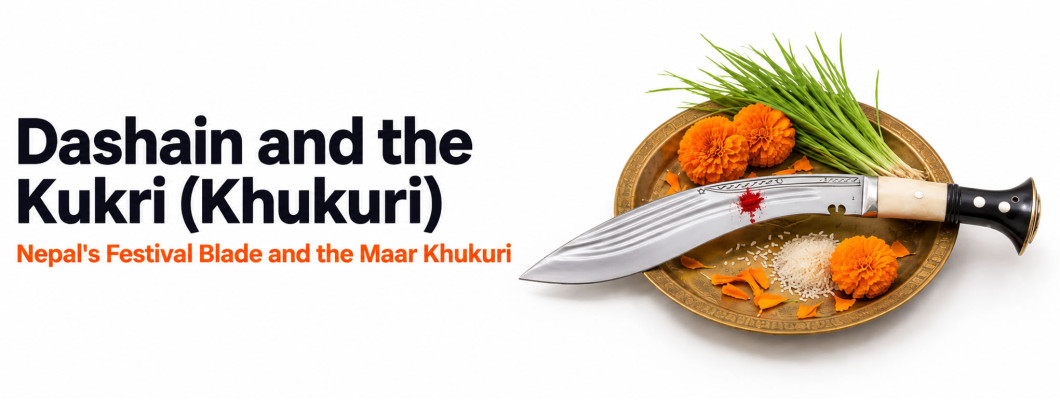
In Asia, machete-style blades can be seen across nations. The Dao machete, or the Nepali khukuri, represents heritage and honor. It was used in the field for defense. Now, it has been a part of family heirlooms passed down from one generation to the next.
2. The Blade in Combat and Exploration
Historically, machetes played an important role in military campaigns. It was used in survival expeditions. In wartime, they provided soldiers with a reliable weapon to navigate the dense jungles and fight against enemies. Their ability to serve both as a weapon and a survival instrument made them the best weapon in hostile environments. Even today, martial arts in regions like the Philippines use machete-style blades in practice. These traditions preserve the fighting techniques that highlight the machete's role.
3. Collector-Worthy Heirlooms
Beyond farming and combat, machetes now hold value as a collector's item. Enthusiasts appreciate the machete for its cultural depth and artistic value. Everest Forest has tapped into this legacy, creating hand-forged machetes that combine durability with craftsmanship. Owning such a machete is holding a piece of history. It has become an heirloom to be passed down. It represents both tradition and individuality.
4. Ceremonial, Martial, and Survival Use
Today, machetes appear in diverse roles beyond the field. It is known for mainly three reasons in the modern era:
- Ceremonial use: In many communities, machetes are displayed during rituals. It is highly used during weddings and festivals. It is seen as a symbol of protection and prosperity.
- Martial arts practice: Today, the training of martial arts is done with machete-style blades. This keeps alive the techniques of combat while teaching discipline and respect.
- Survival tools: For campers, hikers, and travelers, a machete remains an essential tool. It is best for clearing terrain, preparing shelter, and ensuring safety in the wild.
A machete is a blade that lives beyond its age. From cultural symbolism to military campaigns, the machete has been more than a steel tool. It is known from rituals to a collector's piece.
Future of Forging: Meeting Tradition with Technology
Forging has not just been a traditional metal shaping method. In today's world, it is more than hammer and fire. The future of the machete lies in a careful blend of traditional craftsmanship with modern technology. These blades are made to retain their cultural roots while gaining the benefits of modern technology.
Advanced Metallurgy and Stronger Alloys
A significant innovation in the forging field that has garnered considerable attention is the application of sophisticated metallurgy. Whereas the older style carbon steel-based machetes were the only option, contemporary smiths are trying out several new alloys. They are searching for metals that have high strength, long service life, and are less vulnerable to oxidation. It is feasible to make machetes endure very rough environments if one changes the carbon content or if one uses stainless steel with chromium or some other such element. On Everest Forge, high-carbon steel is the foundation of the machete. It is treated with improved heating and tampering methods.
Eco-Friendly Forging
Another key focus for the future is sustainability. Forging is energy-intensive. It often relies on coal or charcoal. This highly impacts the environment. In Nepal, a shift is happening towards eco-friendly forging methods. Everest Forge is committed to carrying forward the eco-conscious approach. We are increasingly adopting cleaner fuel sources, efficient furnaces, and recycling practices. By combining local tradition with responsible practices, it ensures the art of forging can continue without harming the environment.

Eco-Friendly Forging with Carbon Steel
At Everest Forge, sustainability begins at the forge. Our use of recycled 5160 carbon steel minimizes waste and reduces environmental impact while producing high-performance machetes, kukris, and swords that last for generations.
Read in DetailEverest Forge: Guardians of Craft and Innovation
Everest Forge is innovative and believes in craftsmanship. Every blade is carefully made by blacksmiths who craft with care and precision. We keep alive the ancestral artistry of hammer and vial and fire. Alongside the modern tools and metallurgy, we ensure greater precision and reliability. This balance makes the Everest Forge stand apart. We do not abandon tradition for technology, nor do we ignore innovation for the sake of heritage.
Looking ahead, machetes will remain central in many areas of life. It will be heavily used as a survival gear for outdoor exploration and in martial arts. If people will still cherish the qualities of tenacity and custom, the machete will always have a place in history. Moreover, the improvements in the processes will bring back the old days when cutting utensils will be tougher, sharper, and of higher quality.
A Closer Look at Everest Forge's Machete Collection
Everest Forge has reimagined the machete. We honor centuries of tradition while introducing modern precision and artistry. Each design in our collection reflects both cultural heritage and practical utility. They are crafted with high-carbon steel and perfected through hand forging. You can find variations of the machete with their own story, style, and purpose.
1. The Kingfisher Machete
The Kingfisher Machete is a compact powerhouse. It is built for speed and light utility. The compact and lightweight item provides accurate cutting of small portions. Due to its symmetric design, it is an excellent option for those who like to spend time in the mountains or do some traveling. Everest Forge not only returns the user comfort but also sharpens the blade to a razor-sharp edge.
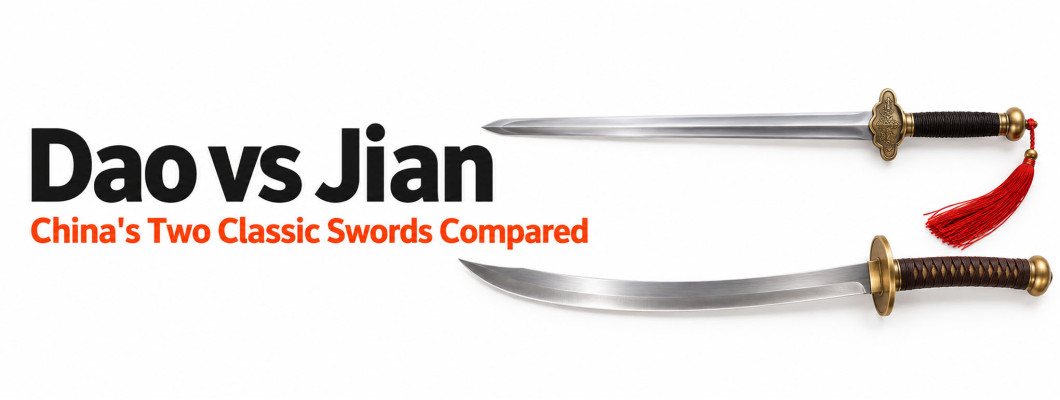
2. Dao Machete: The Heavy Heater
The Doa Machete draws inspiration from traditional Asian broad blades. It has a wide blade with a wide forward profile. It is built for heavy-duty survival work and combat applications. A machete is perfect for splitting thick vegetation or delivering powerful strikes. Everest Forge reinforces its steep and balanced. It makes it a dependable weapon in demanding environments.
3. African Machete: Versatile Heritage Blade
The African Machete is a multi-purpose jungle tool. It is rooted in African tradition. It has a straightforward blade with an effective design that has been trusted for centuries. African machetes are mainly used to farm, build, and defend. Everest Forge pays tribute to this history by making the blade with high-carbon durability and customizable finishes.
4. Parang Machete: Master of the Jungle
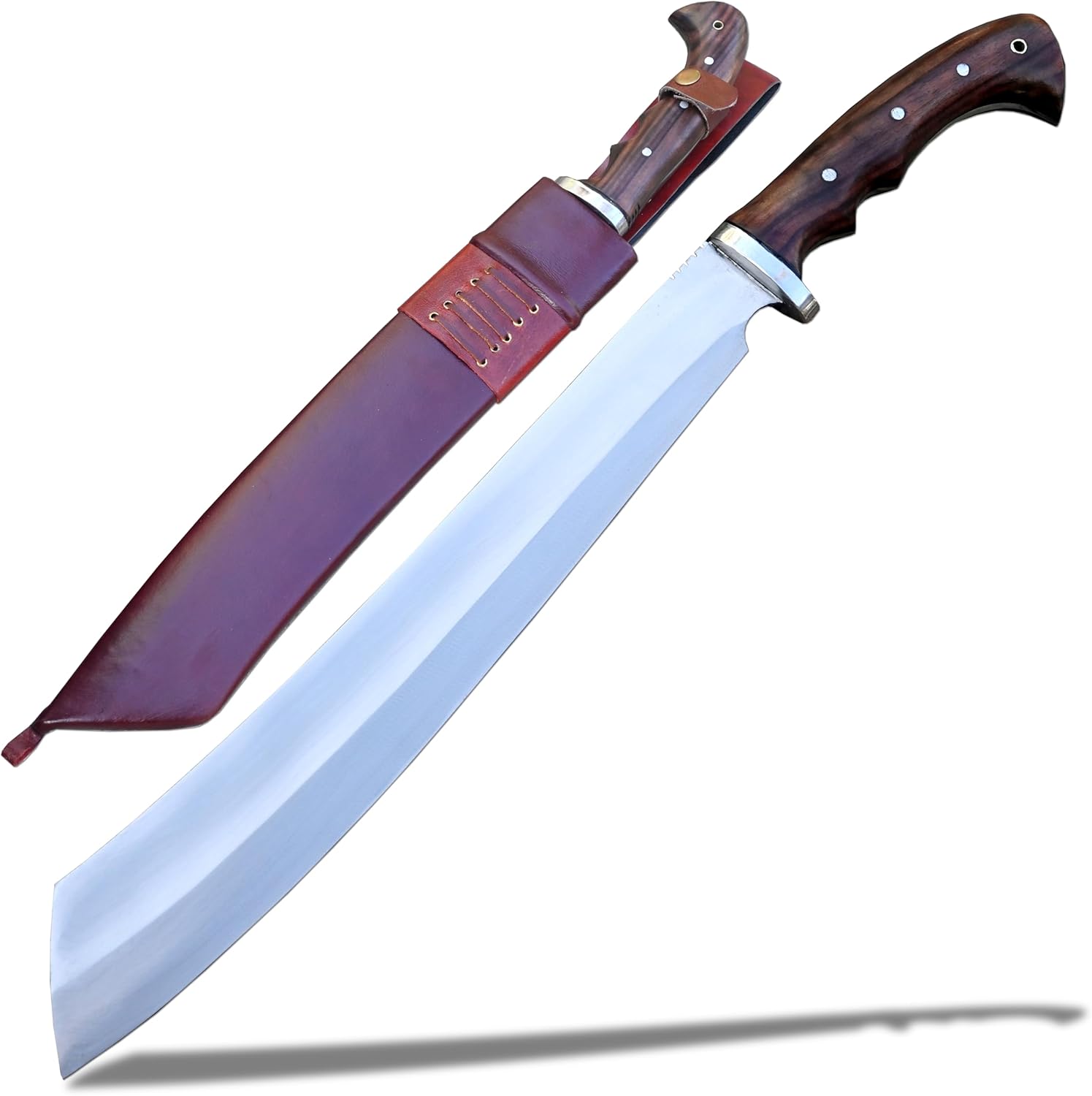
Malay Parang Hand-Forged Jungle Machete
A traditional Malay-style parang machete, hand-forged for real outdoor work — ideal for jungle clearing, camping, and survival.
Buy NowThe Parang machete is a Southeast Asian classic. It is known for its curved blade and slashing power. Built to slice through dense, it is the ultimate jungle clearer. Everest Forge perfects its curvature for efficiency. We ensure that swing from Parang Machete carries maximum momentum with minimal fatigue.
5. Khopesh Machete: Ceremonial Warrior's Blade
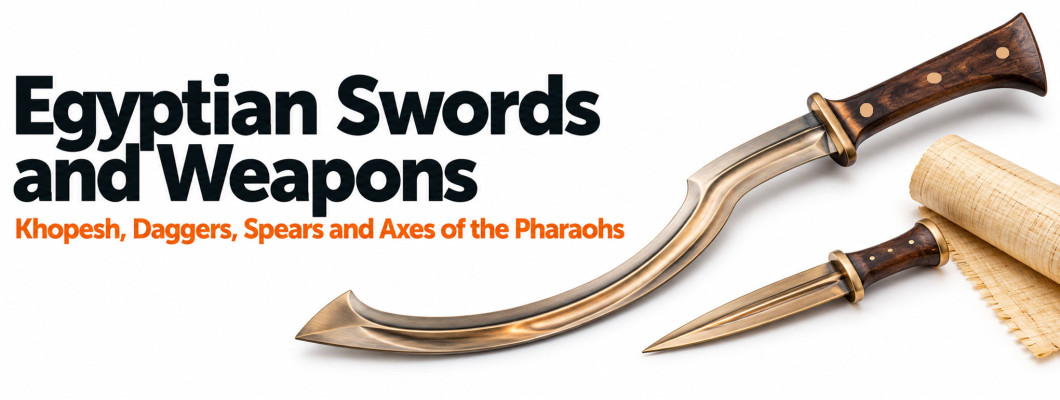
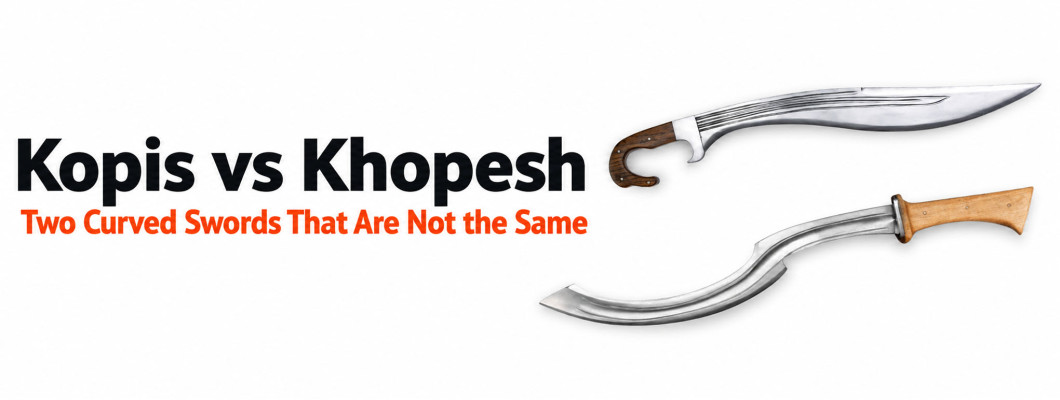
Khopesh Machete is inspired by the ancient Indian sword of the Parang. Khopesh Machete is inspired by the ancient Egyptian Khopesh. The machete carries both ceremonial and martial weight. It has a distinctive sickle-like curve. This makes it visibly striking while also practical in combat technique. At Everest Forge, the Khopesh Machete blends ancient symbolism with modern steel. It is made with a water-tampering method, making it a functional and collector's piece.
6. Konda Machete: Combat-Ready Precision
The Konda Machete is inspired by African warrior blades. It is designed with compact readiness at its core. It has a sleek yet aggressive silhouette. With this, it balances speed and striking power. Everest Forge emphasizes precision forging. With this, it has the resilience required for tactical use. Today, it is widely used by martial artists and enthusiasts of traditions.
7. Jungle Machete: Rugged Survival Giant
The Jungle Machete is an Everest Forge oversized survival-focused blade. It delivers maximum power. It is designed for clearing massive bush, chopping logs, and handling wilderness challenges. It has sheer size, which doesn't compromise handling. Everest Forge carefully balances the weight for controlled swings, making it a favorite among all.
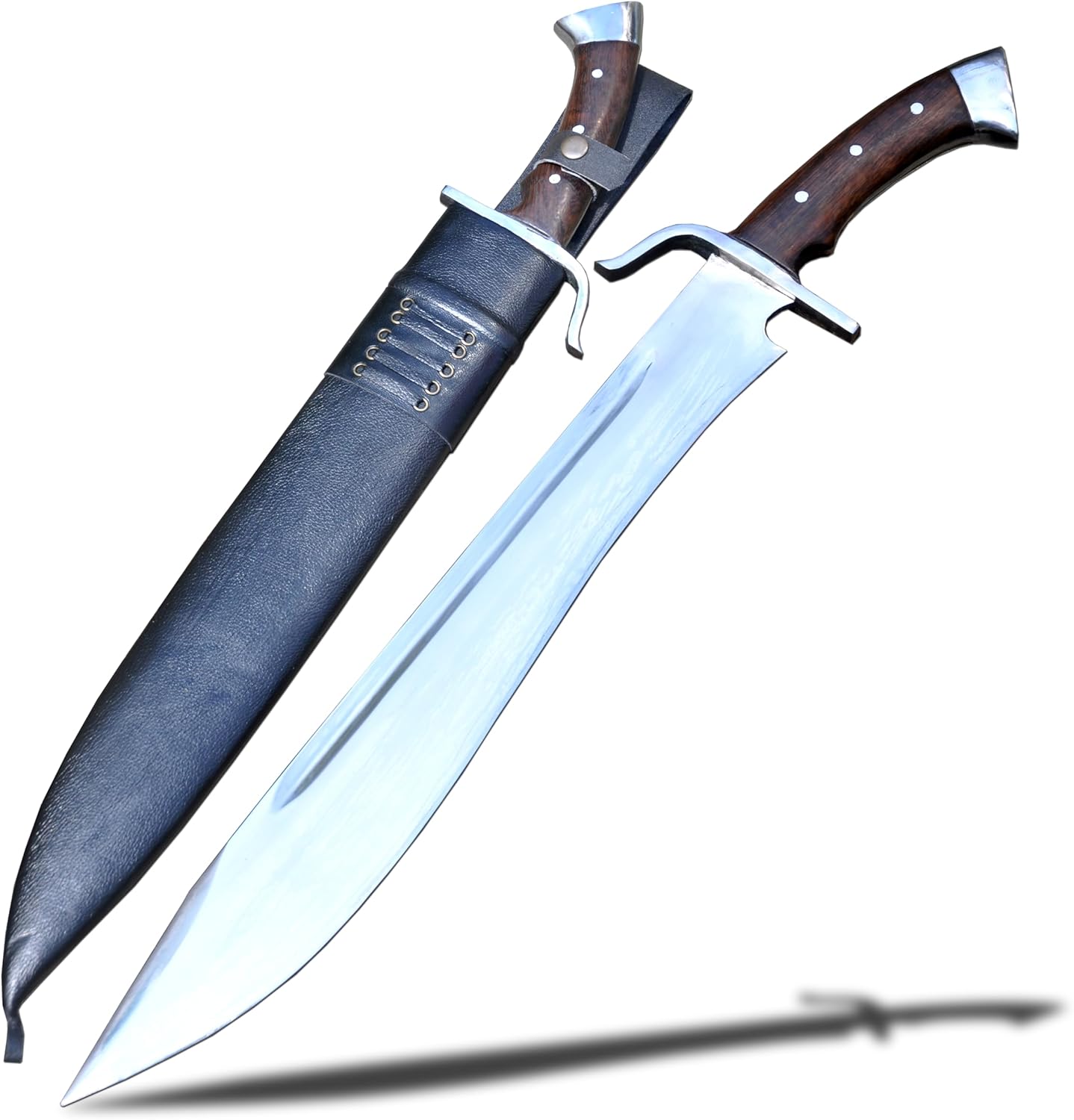
Dao Machete – Hand-Forged by Everest Forge
A traditional Dao-style machete hand-forged for performance, strength, and balance. Designed for real jungle and survival work — made with precision by Everest Forge.
Buy NowWhy Choose Everest Forge?
For all kinds of machete designs, the Everest Forge machete is the one that conveys the mastery of the highest quality, which is not matched by any other. Each blade is made by hand, single testing is conducted, and the design is passed down from ancestors. Collectors trust Everest Forge for its authenticity. Outdoorsmen rely on Everest Forge for survival. Everest Forge doesn't just make machetes. It keeps alive a legacy of blades that balance tradition, innovation, and personal identity.
The Nepali Blacksmithing Tradition Behind Everest Forge
The hills of Nepal echo with the sound of a hammer striking the steel. For centuries, this sound has created a living tradition. Now it is passed carefully from one generation to the next. Nepali bladesmiths are known for their mastery of fire and hammer. They shape raw metal into tools with strength and precision. Their skill has been refined over the years and has made Nepali blades a globally renowned piece.
Traditional bladesmiths never saw a blade as just a tool. Each piece carried cultural artistry and symbolic value. Handles were carved with care. Blades were forged for balance. Everest's strike of the hammer reflected both necessity and pride. Everest Forge draws directly from this lineage of craftsmanship. By working with master bladesmiths, we look to preserve the artistry of traditional forging. While answering the needs of modern survivalists, we look to create a perfect piece for everyone.
With high-carbon steel, reinforced edges, and ergonomic designs, we try to reflect the demands of today by honoring the cultural roots of Nepal. We work on engraving finishes, personalized handles, and carefully hand-forged techniques. In this way, Everest Forge acts as a bridge between the past and the future. We ensure that Nepali blacksmiths do not fade into history, but instead shine on the global stage.
Conclusion: Why Does Everest Forge Define the Future of Forging?
The story of Everest Forge is one that talks about the centuries-old tradition with today's modern innovation. Forging in Nepal has always been about more than fire and steel. It has been about identity, resilience, and survival. Today, Everest Forge carries the same spirit forward while embracing advanced metallurgy. We work on eco-friendly practices and design enhancement. Each machete reflects a cultural legacy that continues to thrive in the modern world.
What sets Everest Forge apart is the work that goes into making each piece. They assemble it in a shape and fix each and every detail. From the blade spine to the edge, the entire forging process is a layout to be the strongest, most durable, and sharpest of the blade. This machine-free style of production is the guarantee of the quality that is the same for every single one. While machines make identical-looking machetes, they are often less accurate and lack the necessary care.
Every piece is made with perfect craftsmanship. We are motivated to produce the durable pieces that are well-balanced and have a perfect edge. These are the blades that reflect the manufacturer's character and precision. The method they are forged with allows them to be strong enough to endure the toughest conditions and still have a unique aesthetic. Be it a versatile parang or the power of the dao, Everest Forge machetes are the ones that are made for function and heritage.
A tradition that is slowly being overshadowed by technology is the time when Everest Forge shows that both can coexist and thrive. These machetes are not only made for survivalists or collectors. They are for anyone who values strength and artistry. Explore the Everest Forge machete collection today and find your perfect hand-forced blade. Look at the pieces that carry the soul of Nepali blacksmithing in your hands and into your future.
FAQ
- What is it that sets a custom forged machete apart from a normal one?
A custom-made machete is made with precision and attention to detail. Factory-made machetes are lacking in this point. The regular machetes are sometimes even designed with the sacrifice of all the features. The custom forging allows personalization of the blade, which is a perfect fit for the user's needs and requirements. At Everest Forge, every single machete is culturally artistic and precise. - Can I choose the blade shape and handle style for a custom machete?
Yes. Customization can be easily done for your machete. At Everest Forge, you can select the blade shape, handle material, and design for your machete. You can choose from different designs of the machete. You can also choose a handle carved from wood, iron, or modern composites. This ensures your machete reflects your personal style and identity. - Why is hand-forging better than machine production for machetes?
Hand forging is the oldest metalwork method. It ensures the machetes have the correct level of strength and durability. With the hand forging method, perfect balance and edge retention are provided in the machete. Machine production often results in blades lacking the character of a genuine machete. It can wear out faster under pressure and can break or crack with time. - What types of steel are used in Everest Forge's custom machetes?
At Everest Forge, high-quality steel is used. We primarily use high-carbon steel. It is known for toughness, sharpness, and resilience. Depending on design, blades may be crafted with specific alloy enhancement. These alloys are made with added chromium for rust resistance or manganese for extra durability. This steel gives the blade a perfect mix of strength and flexibility. - Are custom-forged machetes suitable for jungle and survival use?
The custom-forged machetes are absolutely suitable for jungle and survival use. Custom-forged machetes are designed with real-world survival in mind. They are made by hand, and the blade is tailored for heavy chopping, brass clearing, or fine cutting. These custom-forged machetes are made to be durable, well-balanced, and have the perfect strength. With this, it will be a reliable companion for outdoor challenges. - How does Everest Forge ensure quality and durability in each blade?
Everest Forge starts the process of quality with the highest level of skilled craftsmanship. By hand forging the blade of every one of our products, they are unique. In the same way, heat treating and precise tempering of the blade are done. The blacksmiths check the equilibrium and the sharpness. This commitment is what makes every machete last and of high quality.