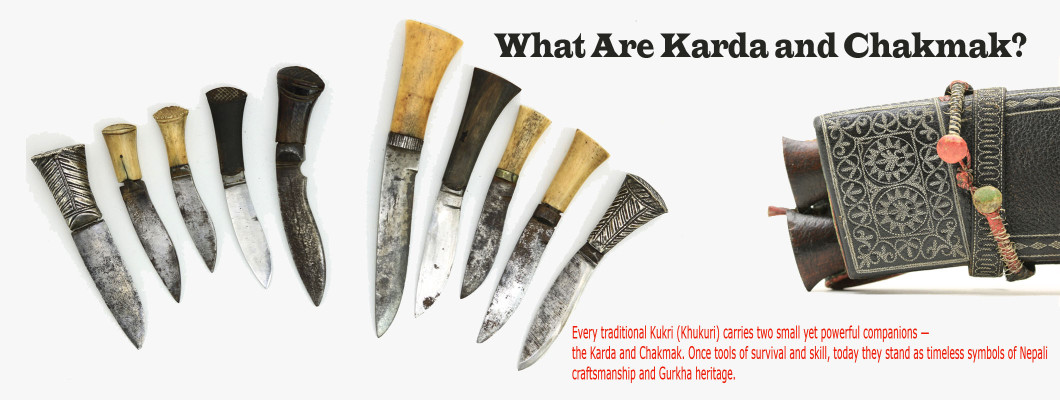
The Mystery Behind the Two Small Knives on a Kukri (Khukuri): Karda and Chakmak Explained
If you’ve ever held a traditional Nepali Kukri, you might have noticed two small knives tucked neatly behind its sheath. Many people are curious about these tiny companions and what purpose they serve. These blades — known as the Karda and Chakmak — are more than just accessories. They are essential parts of the Khukuri, symbolizing both function and heritage.
Over time, Karda and Chakmak — often abbreviated as K&C — have become famous among collectors and enthusiasts around the world. Whether displayed in museums, military collections, or outdoor gear showcases, the presence of K&C instantly marks a blade as a true traditional Kukri.
What Are Karda and Chakmak?
A complete Kukri (Khukuri) set traditionally includes three blades. The main curved Kukri blade is used for chopping, combat, and heavy-duty tasks. The Karda is a small, sharp utility knife for fine cutting and carving, while the Chakmak is a blunt-edged steel tool used for sharpening the Kukri and starting fires. Together, these three form a practical trio that reflects the Kukri’s reputation as both a weapon and a survival tool.
The Karda and Chakmak fit neatly into small leather pouches at the back of the sheath, completing the traditional set that every Gurkha carried. Their inclusion shows that the Khukuri was always designed for versatility — not just combat.
The Karda: The Hand’s Helper
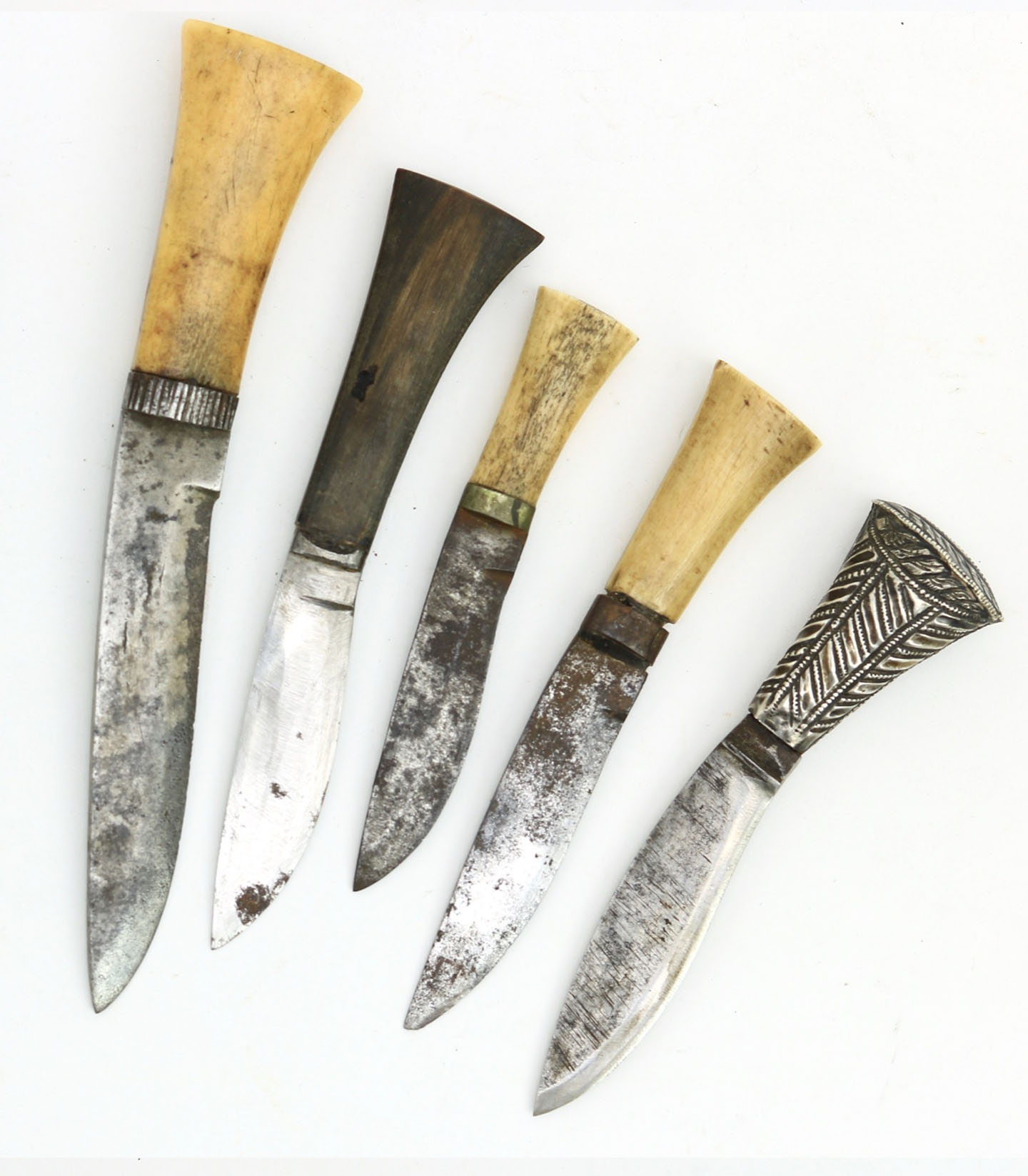 The Karda is the smaller of the two and acts as a compact utility knife. In rural Nepal and among Gurkha soldiers, it was used for everyday tasks like skinning animals, cleaning fish, slicing vegetables, or carving wood. Its size makes it perfect for detailed work that the large Kukri blade would be too large for.
Even today, many people appreciate the Karda for its practicality. It’s a reminder that precision and patience are as important as strength — a balance that defines the spirit of Nepali craftsmanship.
The Chakmak: The Blade’s Keeper
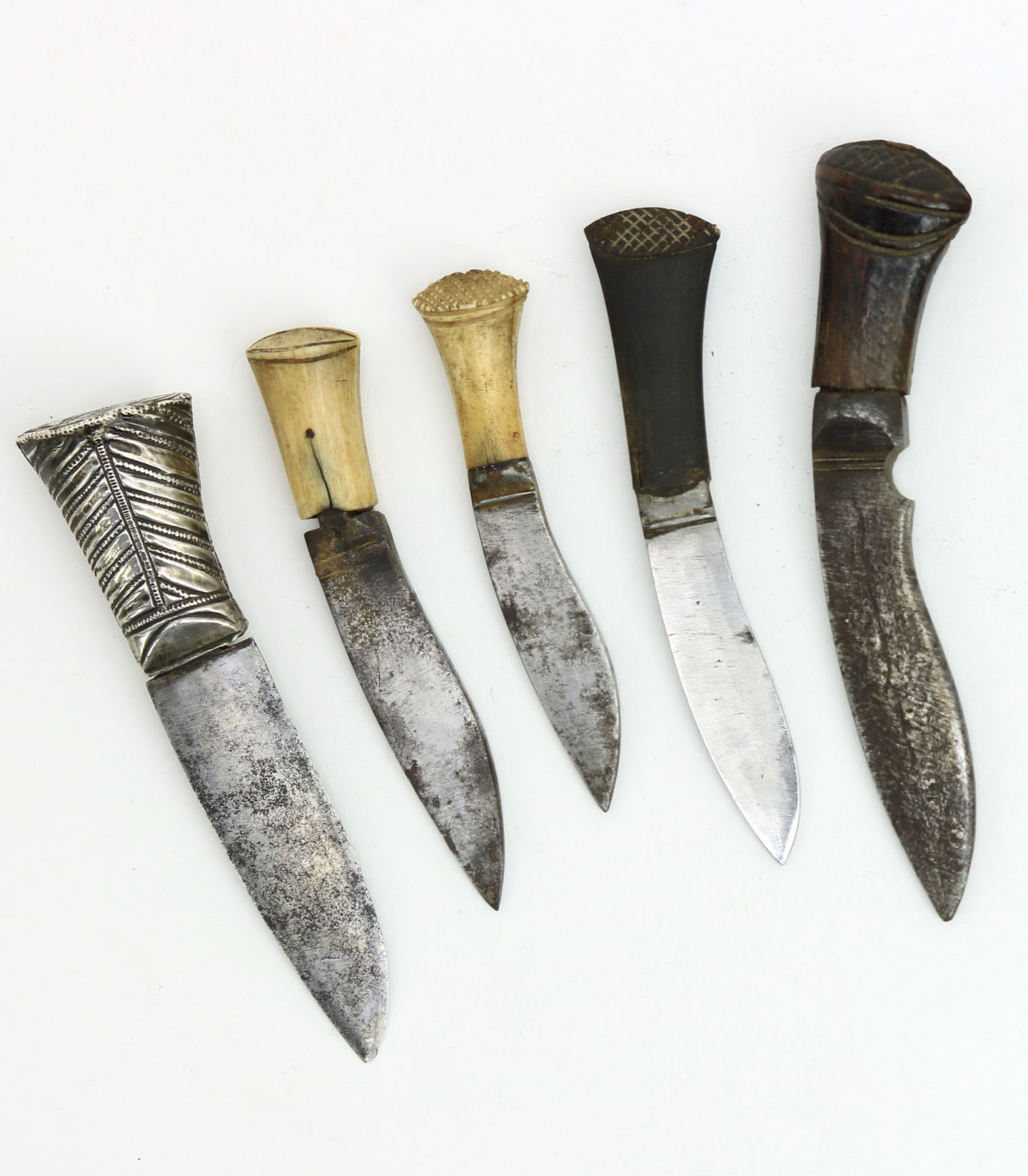 While the Karda serves the hand, the Chakmak serves the blade. Unlike the Karda, it has a blunt, polished edge. Traditionally, the Chakmak was used to hone and maintain the Kukri after use, much like a modern steel rod. Its second purpose is equally important — starting fire. When struck against flint, the Chakmak creates sparks that can ignite tinder, making it a life-saving tool for soldiers and travelers in the Himalayas.
Though modern lighters and sharpeners have replaced it for many users, the Chakmak remains a symbol of preparedness and survival — one that keeps the Khukuri’s heritage alive.
Symbolism of Karda and Chakmak
Beyond their functional use, the Karda and Chakmak hold deep symbolic meaning in Nepali culture. The Kukri (Khukuri) itself represents bravery and honor, while the two smaller knives symbolize discipline and self-reliance — traits that have long defined the Gurkhas.
In many traditional sets, all three blades — the Kukri, Karda, and Chakmak — were forged from the same piece of steel, symbolizing unity in purpose. Their matching handles, often made of wood, bone, or horn, complete the harmony of design and spirit.
Today, Karda and Chakmak (K&C) are recognized worldwide as iconic parts of the Gurkha tradition, admired for their practicality and the story they carry.
Karda and Chakmak in Modern Khukuris
Even as knife technology evolves, traditional Khukuri makers like Everest Forge continue to include Karda and Chakmak with every authentic Kukri. For us, they are not just decorative additions — they are an integral part of the design that connects modern craftsmanship with ancient wisdom.
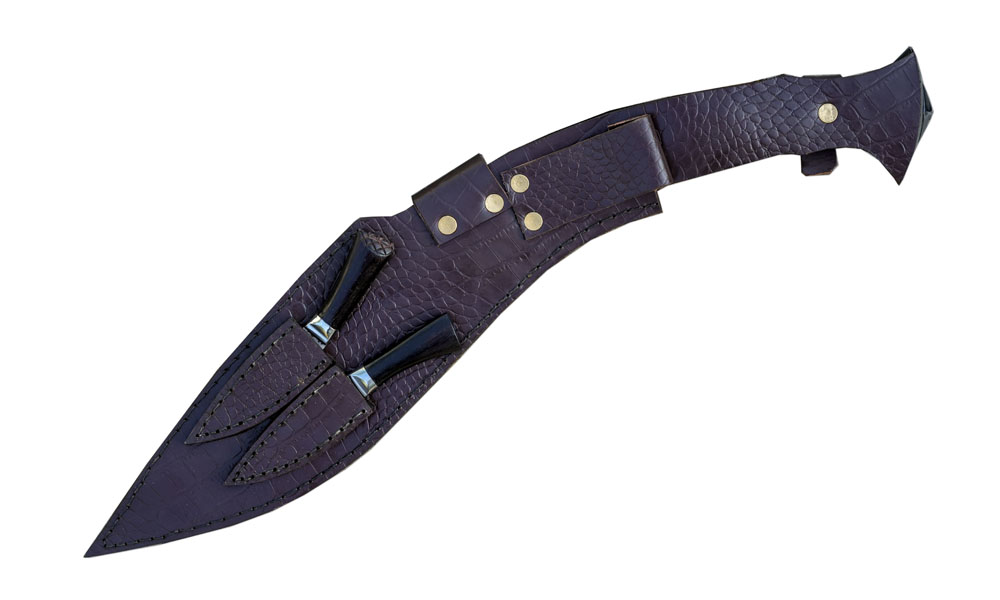
Many modern collectors, bushcrafters, and adventurers now recognize the value of the complete Kukri set. The Karda still serves for fine cutting and camp tasks, while the Chakmak maintains its role in blade care and fire-starting. Together, they make the Khukuri one of the most versatile knives ever created.
As Karda and Chakmak (K&C) gain fame globally, they have become proud symbols of Nepal’s forging legacy — admired for both their practicality and heritage.
Conclusion
So, the next time you see a Kukri (Khukuri) with two small knives tucked into its sheath, remember — they’re not ornaments. The Karda serves the hand, and the Chakmak serves the blade. Together, they complete the Kukri’s identity and honor the ingenuity of Nepali craftsmanship.
As Karda and Chakmak (K&C) continue to gain popularity around the world, they remind us that even the smallest tools can hold great meaning — carrying forward the spirit of the Gurkhas and the artistry of Nepal’s forgers.
Frequently Asked Questions
Q1: What are the two small knives on a Kukri (Khukuri)?
They are called the Karda and Chakmak. The Karda is a small utility knife for fine cutting, and the Chakmak is a blunt steel tool for sharpening the Kukri and for striking sparks with flint.
Q2: Are Karda and Chakmak still used today?
Yes. Many traditional and modern Kukris still include them. The Karda is handy for camp and bushcraft tasks, while the Chakmak helps maintain the blade and can start a fire.
Q3: Why are Karda and Chakmak included with the Kukri?
They complete the Kukri set, reflecting readiness and self-reliance. The large blade handles heavy work, while the two small tools cover precision cutting and maintenance.
Q4: Are Karda and Chakmak functional or just decorative?
In authentic hand-forged Kukris, both tools are functional. Some souvenir versions may include non-functional replicas intended for display.
Q5: Why is one of the small knives on a Kukri blunt?
One of the knives, called the Chakmak, is intentionally blunt. It isn’t meant for cutting but for maintaining the Kukri’s edge and striking flint to start a fire. Its polished surface helps realign the blade’s edge after use, keeping the Kukri sharp and ready without needing a full resharpening.