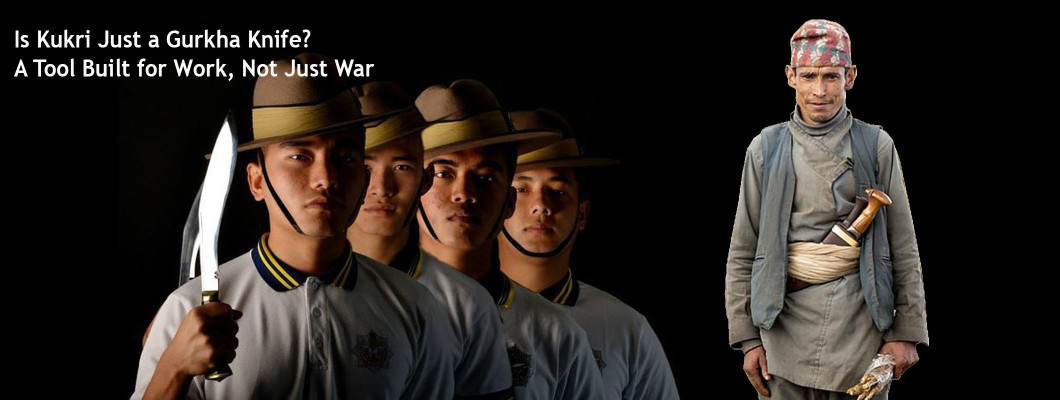
Is Kukri Just a Gurkha Knife? A Tool Built for Work, Not Just War
The kukri—also spelled khukuri—is one of the most misunderstood blades in the world. Outside Nepal, many people know it only as the “Gurkha knife,” a blade linked with fearless soldiers and battlefield stories. While that reputation is real, it represents only one category of kukri, not the full identity of the blade.
In reality, the kukri or khukuri is a broad family of traditional Nepalese knives. The Gurkha knife is simply one type of kukri—used by Gurkha soldiers in different wars—while the kukri itself exists in many forms, each designed for different people, tasks, and environments.
Understanding the Difference: Kukri vs Gurkha Knife
This distinction is critical. A Gurkha knife refers specifically to the kukri patterns carried and used by Gurkha soldiers during military service. These kukris were selected and standardized for combat, survival, and field use in wartime conditions.
A kukri (khukuri), on the other hand, is the larger category. It includes military kukris, but also farming kukris, household kukris, ceremonial kukris, hunting kukris, and modern utility designs. In simple terms:
- All Gurkha knives are kukris
- But not all kukris are Gurkha knives
Why Many People Think Kukri Is Only a Gurkha Knife
The belief that the kukri is only a Gurkha knife comes from history, exposure, and modern marketing. When Gurkha soldiers entered British military service in the 19th century, they carried the khukuri as part of their standard equipment. Their courage and battlefield success made the blade famous worldwide.
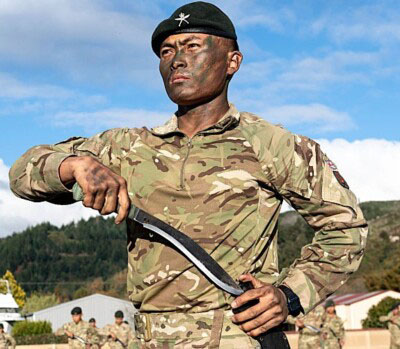
As a result, international audiences encountered the kukri almost exclusively through military stories, films, and war history. This overshadowed the fact that the kukri had already been a civilian working tool in Nepal for centuries.
Kukri Existed Before Gurkhas Became Soldiers
The kukri or khukuri did not originate in the army. It existed long before modern Gurkha regiments were formed. In Nepalese society, kukris were already everyday tools passed down through families and villages.
They were used for clearing land, chopping wood, preparing food, tending animals, and general survival. The Gurkhas did not create the kukri—they adopted an already perfected tool and carried it into military service.
Kukri as a Daily Working Tool in Nepal
For ordinary people in Nepal, the kukri or khukuri has always been part of daily life. Common traditional uses include:
- Clearing bushes and vegetation
- Chopping firewood
- Preparing animal feed
- Butchering meat and food preparation
- Outdoor chores and household work
This wide range of uses explains why the kukri developed into multiple forms and sizes rather than a single standardized blade.
Main Kukri / Khukuri Categories
Over centuries, the kukri evolved into different categories based on purpose, region, and user. Below are some of the main kukri categories, all of which fall under the broader kukri or khukuri tradition:
- Gurkha Military Kukri – Kukris carried by Gurkha soldiers in different wars, designed for durability, combat readiness, and survival.
- Service Kukri – Issued or inspired by official military and police patterns, often balanced between utility and discipline use.
- Farming & Utility Kukri – Used by villagers and farmers for daily work such as chopping wood, clearing land, and agriculture.
- Hunting Kukri – Designed for field dressing, processing game, and outdoor use.
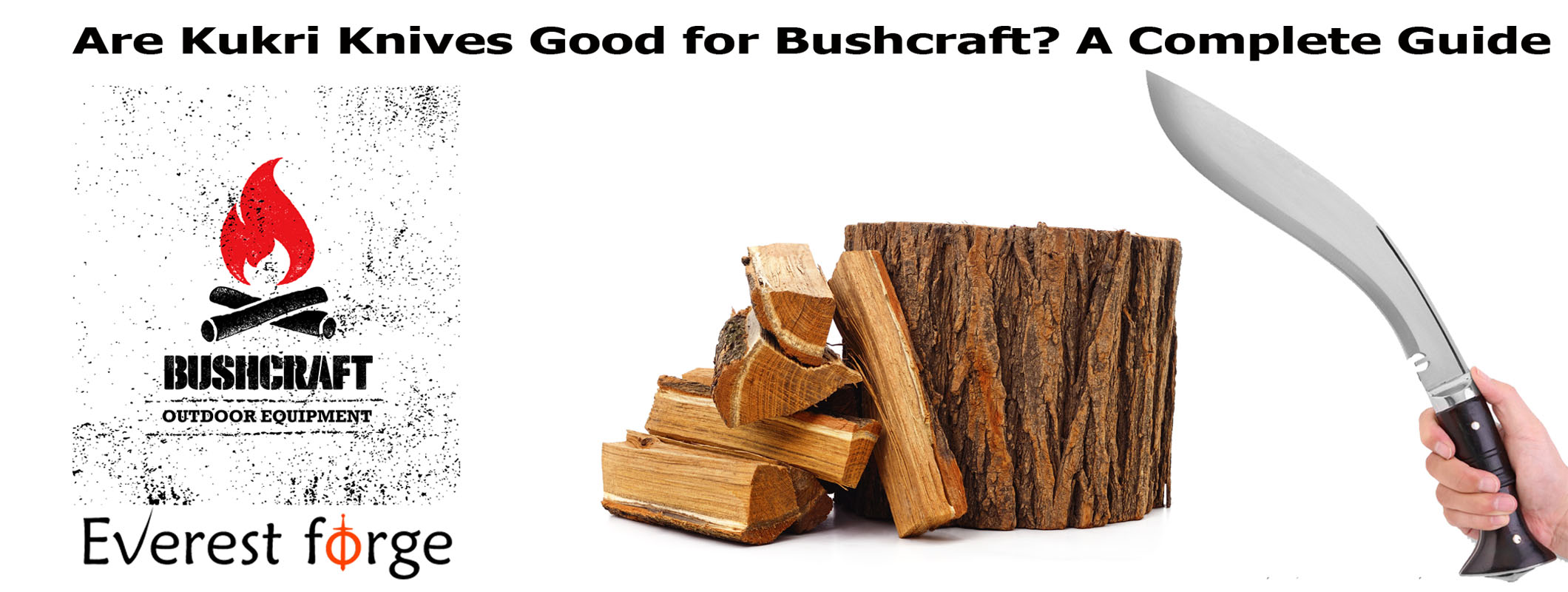
- Survival & Bushcraft Kukri – Modern adaptations focused on camping, wilderness survival, and rugged outdoor tasks.
- Ceremonial Kukri – Used in rituals, cultural events, and traditional ceremonies rather than heavy work.
- Collector & Heritage Kukri – Made to preserve traditional shapes, styles, and regional identities.
The Gurkha knife sits within this list as one respected category, not the definition of all kukris.
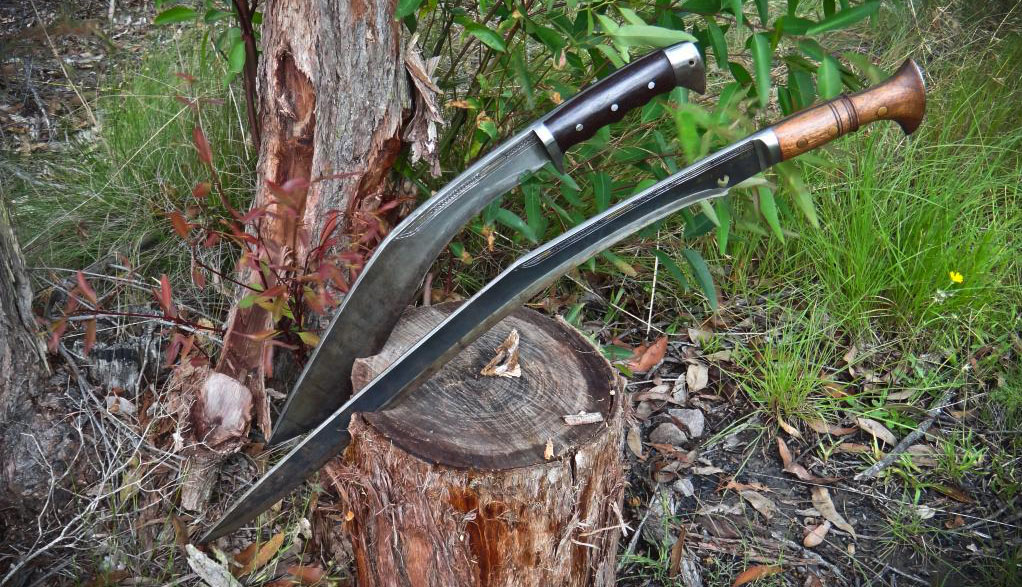
One Blade, Many Tasks: Why the Kukri/Khukuri Design Works
The forward-curved shape of the kukri is functional engineering. The curve shifts weight toward the front, increasing chopping power while reducing effort. The thick spine adds durability, making the kukri suitable for heavy, repeated work.
This is why the same basic blade form can serve soldiers, farmers, campers, and craftsmen alike.
Modern Kukri Uses Beyond the Battlefield
Today, kukris and khukuris are used worldwide for camping, bushcraft, outdoor survival, hunting, collection, and cultural appreciation. Modern makers continue to adapt kukri designs while respecting traditional geometry.
Why Calling Kukri “Only a Gurkha Knife” Is Incomplete
Calling the kukri only a Gurkha knife reduces a complex tradition into a single military image. It overlooks civilian life, regional diversity, and the blade’s role as an everyday working tool.
The kukri is better understood as a family of blades, with the Gurkha knife being one famous branch.
Everest Forge and the Kukri Category Tradition
At Everest Forge, kukris are treated as a diverse tradition, not a single stereotype. Each khukuri is hand forged with a specific purpose in mind—whether for utility, survival, heritage, or historical inspiration.
This approach honors both the Gurkha legacy and the broader Nepalese kukri tradition.
Key takeaway: The Gurkha knife is one category of kukri. The kukri / khukuri itself is a broad family of blades created for different people, different tasks, and different ways of life.
So, is the kukri just a Gurkha knife? No.
It is a tool built for work, not just war—a versatile Nepalese blade that has served soldiers, farmers, and everyday people for generations.