
Customization Options Explained — Build Your Blade Your Way
Every blade that leaves Everest Forge is forged to order. Nothing is pulled from a warehouse shelf — when you place an order, our blacksmiths in Kathmandu build that exact blade to the choices you make on the product page. That is why most of our swords, kukris, daggers and machetes carry a set of options in the customization section below the price. This page explains every one of those options in plain words — what it means, what choices you have, and how to pick — so you can order with confidence instead of guessing. The exact choices vary from product to product, so always check the dropdowns on the specific product page, but the meaning of each option is the same everywhere, and that is what this guide covers.
There are nine option groups in total: Blade Finishing, Blade Length, Handle Material, Handle Type, Handle Wrap, Scabbard, Chappe, Personalise Your Blade, and Custom Logo & Photo Engraving. Each one is covered in full below.
Everest Forge — Forged to Order
Every Way to Make a Blade Yours
Finish, length, handle, scabbard, wrap, chappe and engraving — every choice is explained below. Want something completely one of a kind that no dropdown can cover? Our Custom Forge service builds a blade from scratch to your exact design.
1. Blade Finishing — Satin, Polished, Black & Raw
The finish is the surface treatment of the steel. It changes how the blade looks, how much it shines, and how it ages — but not how it cuts. This is the option buyers ask about most, so here is exactly what each of the four finishes means, with an image of each.
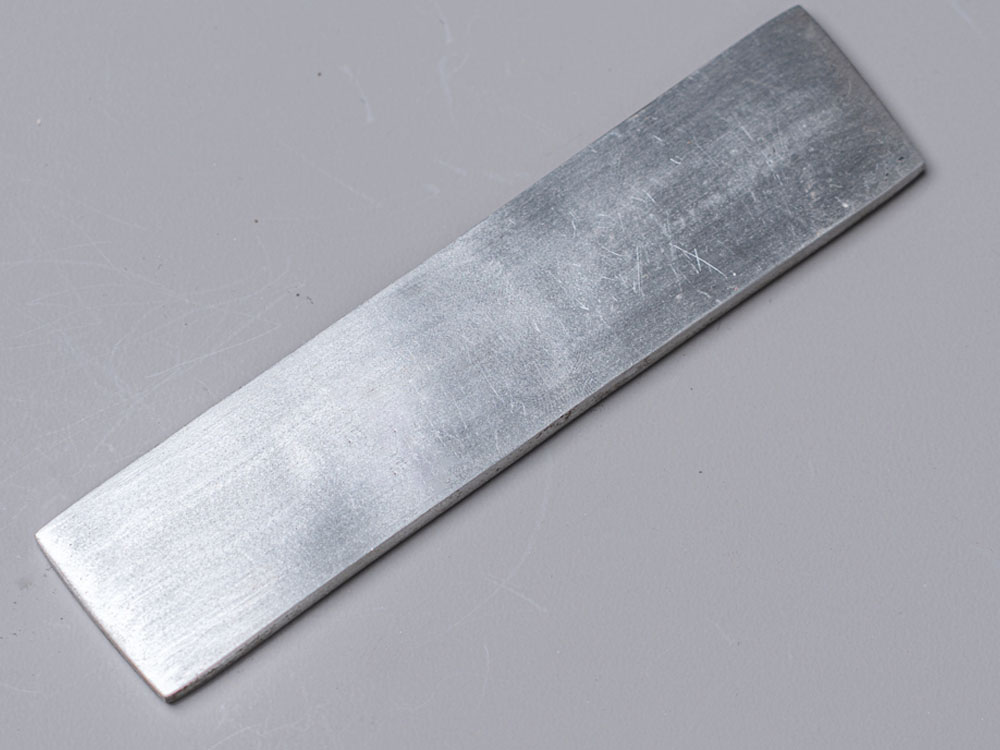
Satin Finish is a soft, brushed surface with a low, even sheen. Fine parallel lines run along the blade, catching light gently rather than throwing a hard reflection. It is the practical all-rounder — understated, low-glare and forgiving. Minor handling marks and light scratches blend into the brushed texture instead of standing out, which makes it the easiest finish to live with day to day. If you are unsure which to pick, satin is the safe choice.
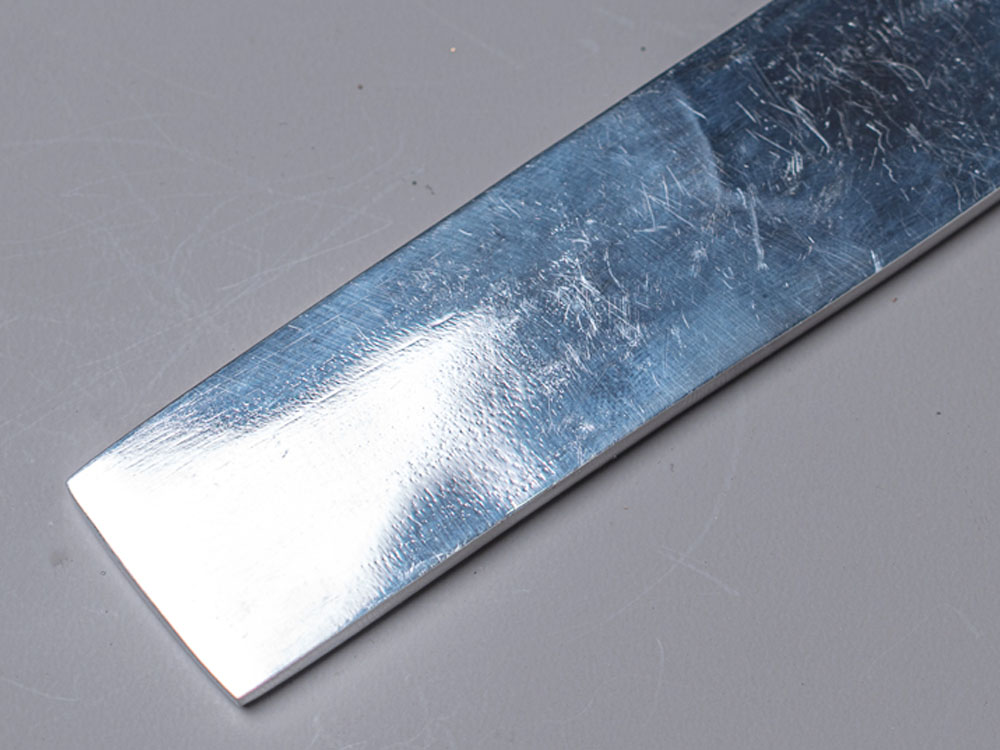
Polished Finish is a bright, highly reflective surface, polished until the steel shines like a mirror. It is the display-grade look — it shows off the blade's geometry and the quality of the steel, and it photographs beautifully. The trade-off is upkeep: a polished surface shows every fingerprint, smudge and fine scratch, so it rewards careful handling and regular wiping. Choose polished when the blade is mainly for display, presentation, or a gift that needs to make an impression.
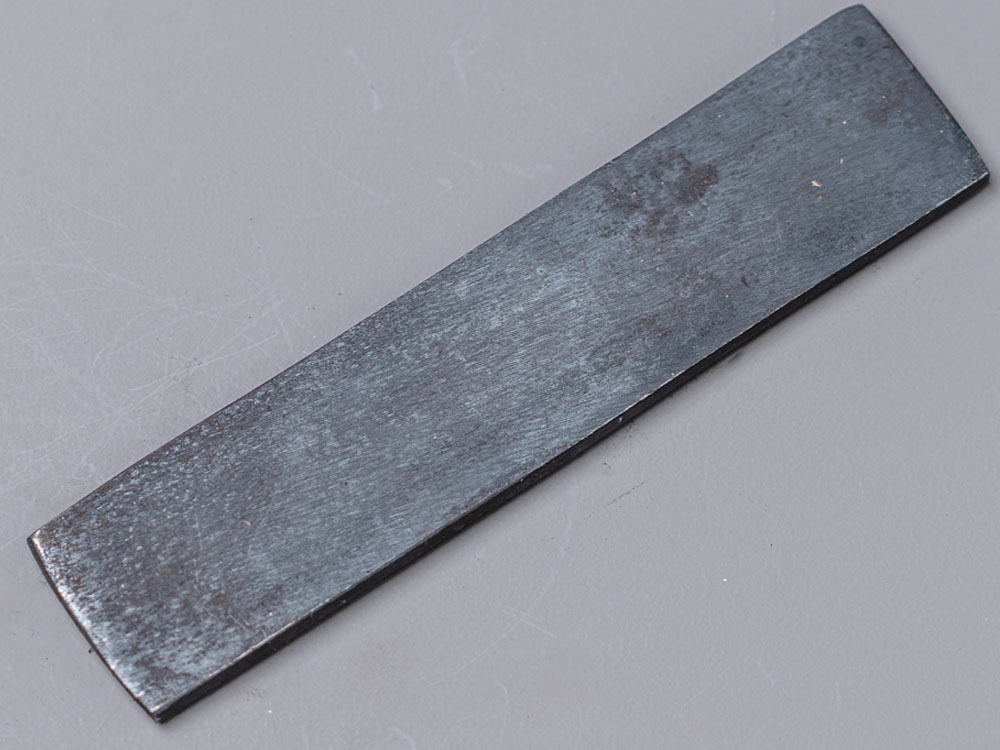
Black Finish is a matte black surface applied over the steel. It has very low reflectivity for a stealthy, modern, tactical look, and the dark surface adds a layer of protection against surface corrosion. It is low-maintenance in normal handling. Note that on a sharpened, working blade the black surface can show wear right at the cutting edge over time, which is normal for any blackened blade. Choose black for a modern, tactical aesthetic.
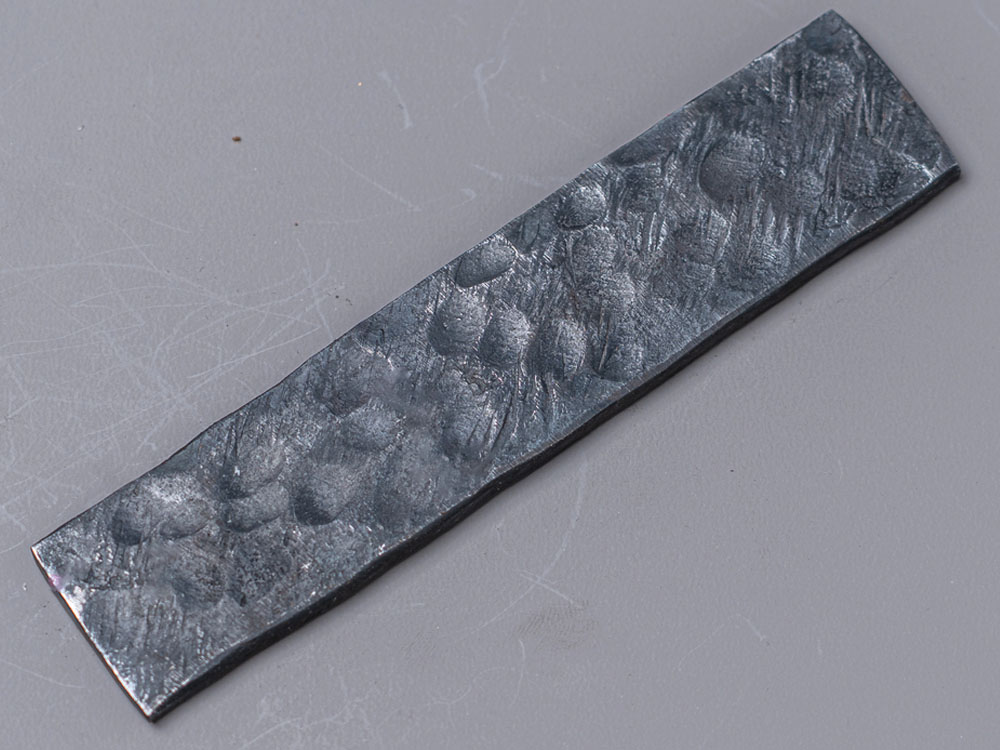
Raw Finish keeps the dark, textured surface the blade has as it comes off the anvil — forge scale, hammer marks and the natural variation of hand-work all left in place. It is the most rustic and authentic look, with real character and no two pieces ever identical. Reflectivity is low and the surface hides marks well. Choose raw when you want a primal, historical, hand-made aesthetic rather than a clean modern shine.
One note that applies to every finish: our blades are high-carbon steel, which means they can develop surface rust if neglected, whatever the finish. A light wipe of oil now and then keeps any of them in good condition. Satin and raw hide marks best, polished shows the most, and black needs the least day-to-day attention.
| Finish | Look | Reflectivity | Best For |
|---|---|---|---|
| Satin | Soft brushed lines | Low glare | Everyday all-rounder |
| Polished | Bright, mirror-like | High shine | Display & gifts |
| Black | Matte black surface | Very low | Modern tactical look |
| Raw | Dark, hammered texture | Matte, rustic | Historical, authentic look |
2. Blade Length — How We Measure
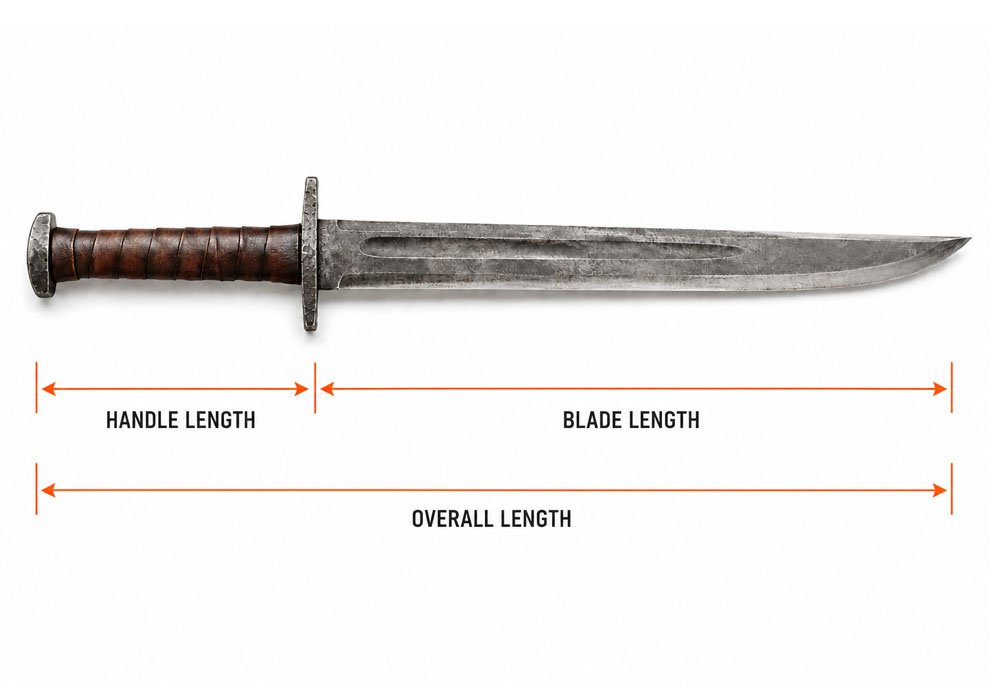
All Everest Forge blades are measured in inches, and we list three separate measurements for every piece so you know exactly what you are getting.
Blade length is the cutting steel, from the tip to where the blade meets the handle or guard. Handle length is the grip section, from the guard to the end of the handle. Overall length is the full piece, blade and handle combined — the total footprint you need for display or storage.
Longer blades add reach and visual presence but carry more weight forward; shorter blades are lighter and easier to handle and display. Where a product offers a choice of lengths, the options appear in the dropdown, and any effect on price is shown there too. If you need a length outside what is listed, that is exactly what our Custom Forge service is for.
3. Handle Material — Grip, Grain & Character
The handle is what you actually hold, so its material affects grip, weight and look. We work in traditional materials — hardwoods, horn, bone and brass — and we also combine them for two-tone and banded handles. Here is every option, with an image of each. The choices for any given blade appear in the Handle Material dropdown on the product page.
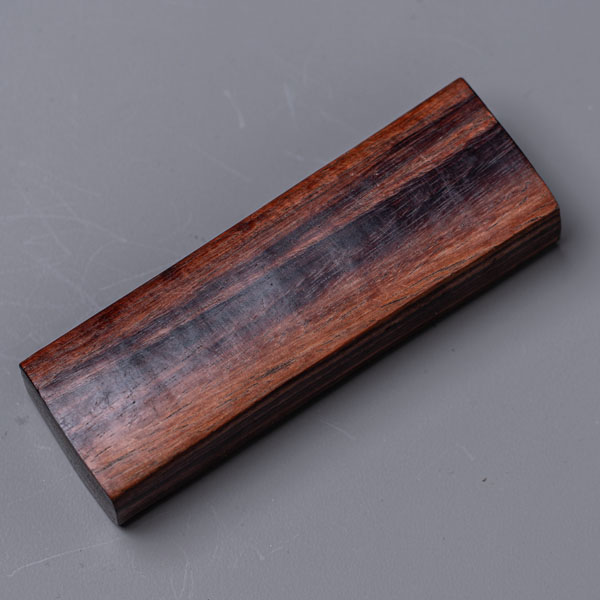
Rosewood
Dense, dark-grained hardwood. The classic choice — durable and ages beautifully.
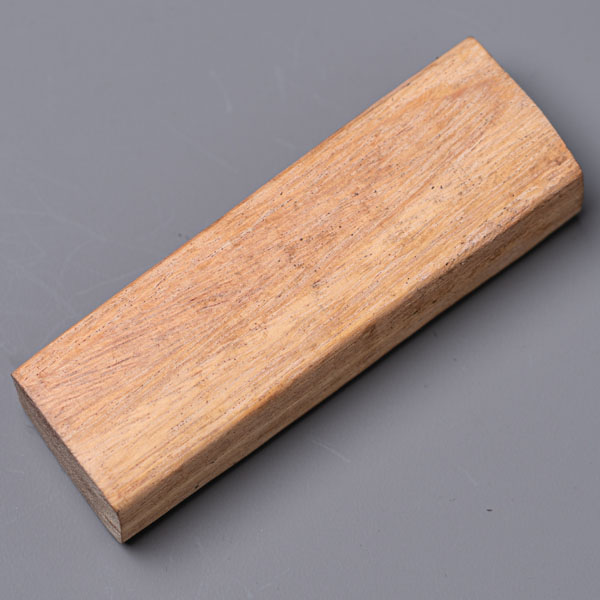
Whitewood
A lighter, pale-grained hardwood. A lighter, brighter, contrasting handle.
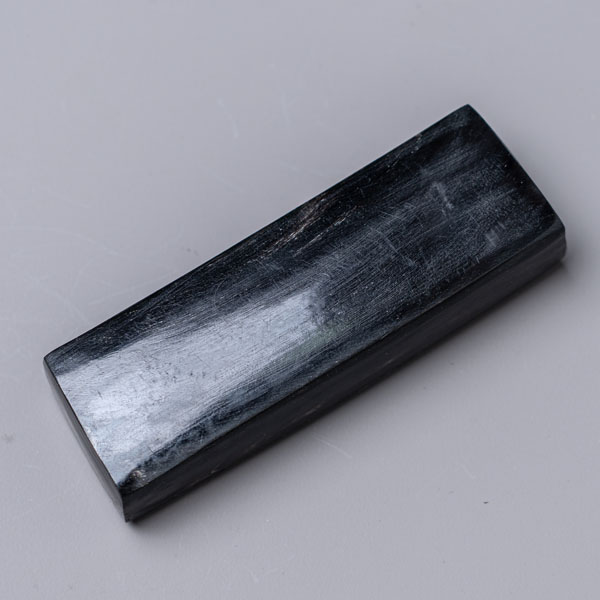
Horn
Natural buffalo horn. Smooth and premium, with unique colour variation in every piece.
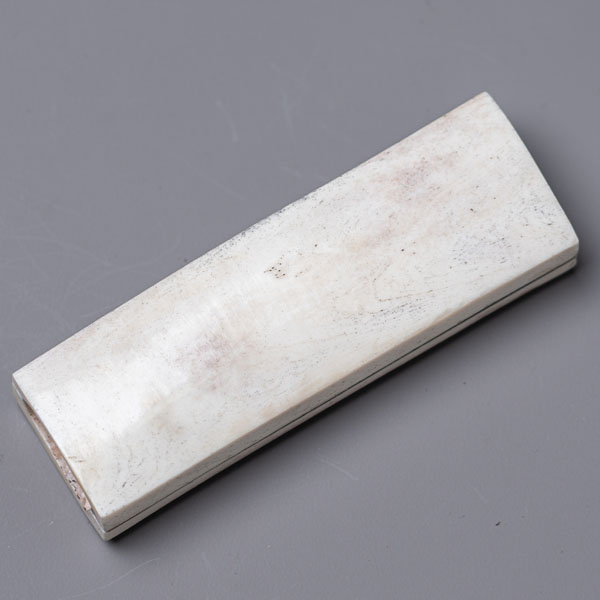
Bone
Pale, smooth and traditional. Distinctive, takes detail well, and light-toned.
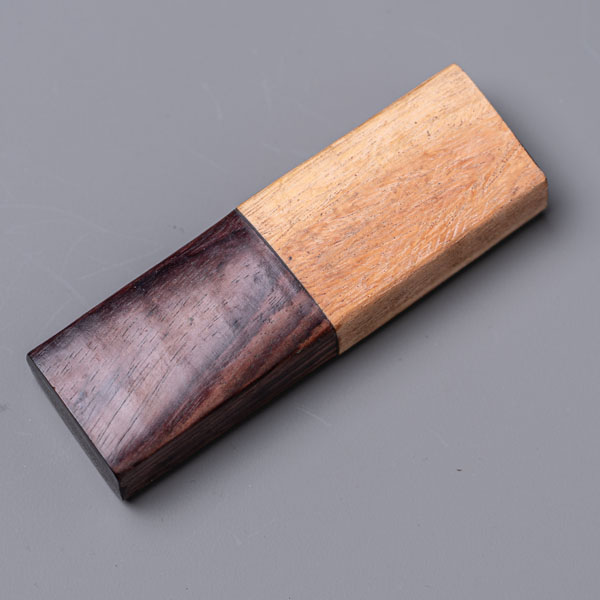
Rosewood + Whitewood
Dark and light hardwoods banded together for a two-tone handle.
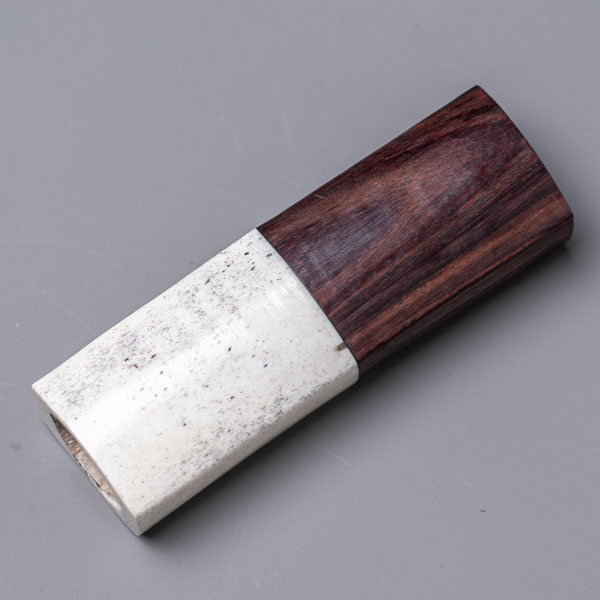
Rosewood + Bone
Dark rosewood with pale bone accents — strong contrast, ornamental.
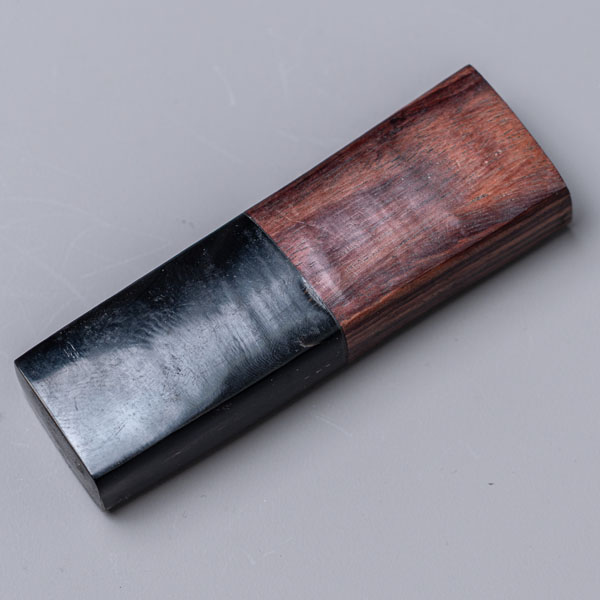
Horn + Rosewood
Horn paired with dark wood — a layered, premium traditional look.
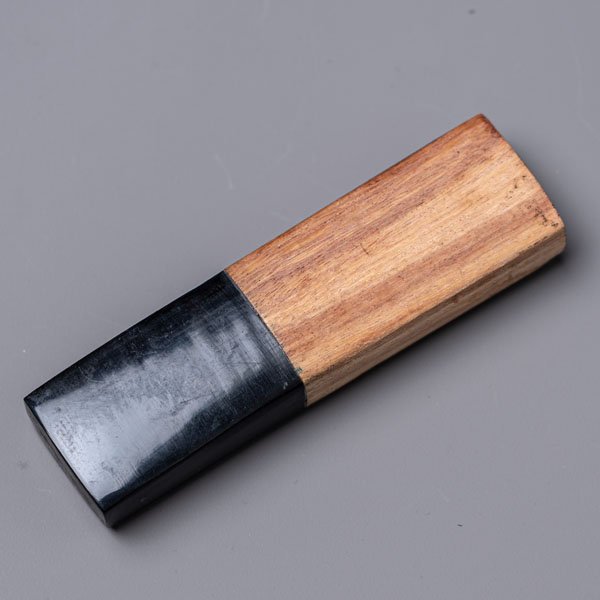
Horn + Whitewood
Horn paired with pale wood for a lighter, contrasting layered handle.
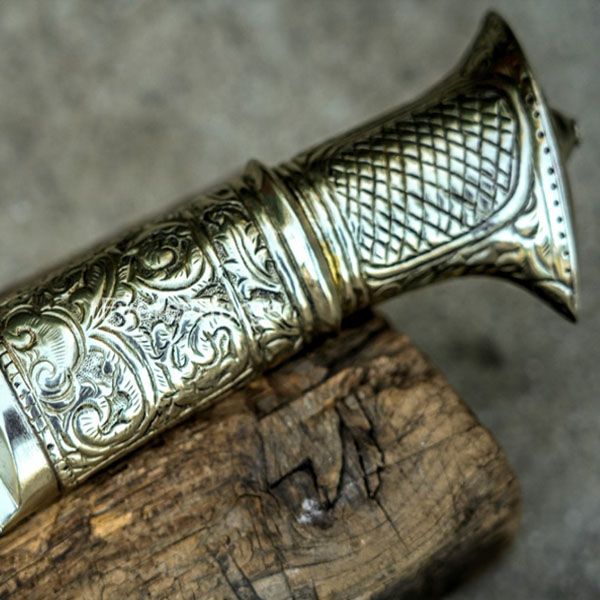
Brass Handle
Solid metal — heavier and very durable, with a bright golden, ornamental finish.
The combination handles (such as rosewood with bone, or horn with wood) are built up in bands, so each one is a little different. Every handle is full-tang and hand-riveted at our workshop in Nepal, whatever material you choose.
4. Handle Type — Full Tang & Rat-Tail Tang
The tang is the part of the blade that extends into the handle, and it decides how the handle is built. Full tang means the steel runs the full length of the handle and is riveted in place — the strongest construction, and the right choice for a blade meant for real use or cutting. Rat-tail tang is a narrower tang that runs into the handle, making for a lighter piece that is well suited to display and wall-mounted swords. Both are built and finished by hand in our workshop.
For a full explanation of each type, how they are made, and which to choose, see our Handle Type guide.
5. Handle Wrap — Added Grip & Detail
Some blades offer a handle wrap — a cord or leather wrapping applied over the handle. A wrap does two things: it improves grip, giving a more secure and comfortable hold, and it changes the look, adding texture and detail to the handle. It is an aesthetic and practical option rather than a structural one, so it comes down to the feel and style you want. Where a wrap is available, the choices appear in the dropdown on the product page. If you would like a wrap, colour or pattern that is not listed, mention it in your order notes or ask us before forging begins.
6. Scabbard — Two Types & Eight Colours

Leather Flexible Scabbard
Leather without a rigid core — lighter, slim and flexible. The traditional style for many kukris and working blades, easy to carry and quick to draw from.

Wood Inside, Leather Covered
Built around a solid wooden core wrapped and stitched in leather — more rigid and protective, with a substantial feel. A good choice for display pieces and longer blades.
Leather colours. Where a product offers a choice, the available colours are Black, Brown, Blue, Red, Green and Yellow, plus two natural, undyed leather tones — Natural (Red), a warm reddish-tan, and Natural (White), a pale untreated finish. The dyed colours are bold and even; the natural tones keep the leather's own grain and character. Black and brown are the traditional, understated picks, while the colours and naturals stand out or match a collection. The dropdown on the product page shows exactly which colours that blade offers.

7. Chappe — Plain or Decorated
A chappe (also called a rain guard) is a small leather piece fitted at the base of the blade, where it meets the guard. Traditionally it sat over the mouth of the scabbard to keep rain and dust out; today it is a traditional finishing detail that frames the base of the blade. We offer two styles, and a chappe can be added free of charge.
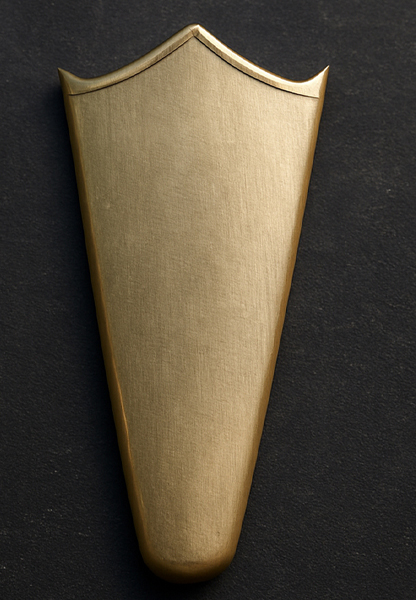
Plain
Clean, simple leather — an understated finish at the base of the blade.
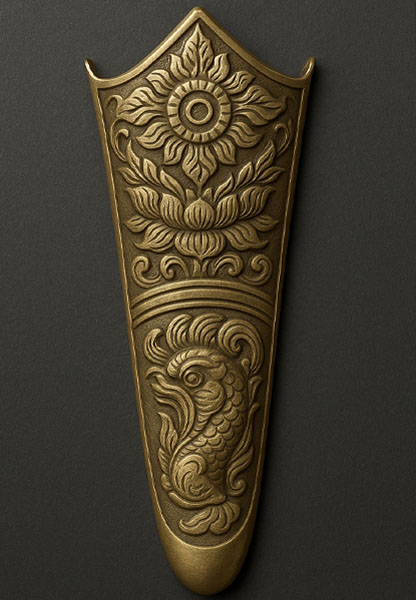
Decorated
Tooled and patterned leather for an ornamental, detailed finish.
To add a chappe, simply note plain or decorated in your order notes at checkout — there is no extra charge.
8. Personalise Your Blade — Free Text Engraving
Personalise Your Blade is the free text engraving option. Add a name, initials, a date, a short message or a motto, and our engravers hand-apply it to the blade during the finishing stage. It is the simplest way to turn a blade into a personal piece — ideal for a commemorative gift, a milestone marker, a wedding or retirement present, or simply making a collection piece your own. Just type your text into the field on the product page when you order. There is no extra charge for text engraving.
9. Custom Logo & Photo Engraving — Upload Your Own
Custom Logo & Photo Engraving lets you put your own image on the blade — a family crest, a unit or club badge, a brand logo, original artwork, or a photo. Like text engraving, it is hand-applied during finishing, and it is free.
There are two easy ways to send your image: upload it directly on the product page while ordering, or email it after you receive your order confirmation by replying with the file attached. Either way is included at no extra cost. For the best result, send the clearest, highest-resolution image you have — simple, high-contrast logos and crests engrave especially well.
To see examples of past engraving work, visit our personalised blades page.
Beyond the Options — A Completely Bespoke Blade
The options on a product page let you configure an existing design. If you want something the dropdowns cannot cover — a different blade shape, a design of your own, a piece built to specific dimensions, or a one-of-a-kind commission — that is what our Custom Forge service is for. You describe what you want, we confirm the specification, and a master blacksmith forges it by hand from scratch.
Everest Forge — Custom Forging
Your Design, Forged by Hand
Submit a sketch, a reference image, or a written description. We confirm length, steel, handle, scabbard and engraving before any hammer falls. Hand-forged in Kathmandu, Nepal, and shipped worldwide.
How to Choose — A Quick Summary
Finish — satin for an easy, understated all-rounder, polished for display and gifts, black for a modern tactical feel, raw for a rustic historical look. Length — remember blade, handle and overall are measured separately in inches; longer for reach and presence, shorter for an easy-to-handle piece. Handle material — rosewood for the classic dark grain, whitewood for a lighter look, horn or bone for a premium traditional finish, combinations for two-tone character, brass for an ornamental metal handle. Handle type — full tang for strength and real use, rat-tail for lighter display pieces. Scabbard — flexible leather for a light, traditional carry, wood-core leather for firm protection, in any of eight colours. Wrap — add one for extra grip and detail. Chappe — add a plain or decorated leather guard free of charge in your order notes. Engraving — free text for names and messages, the free upload option for logos, crests and photos. And if none of it fits exactly what you have in mind, the Custom Forge is always open.
Explore More About Everest Forge
> Request Custom Forge | Build Your Blade From Scratch
> Handle Type | Full Tang vs Rat-Tail Tang Explained
> Personalised Blades | Engraving & Custom Work Examples
> Our Craftsmanship | The Art of Hand-Forged Blades
> The Making | How Every Blade is Hand-Forged in Nepal
> Meet the Maker | The Blacksmiths of Everest Forge
> Our Promise | Guarantee, Warranty & Returns
Frequently Asked Questions
What is the difference between satin, polished, black and raw finish?
Satin is a soft brushed surface with low glare — the easy all-rounder. Polished is bright and mirror-like, best for display and gifts but shows fingerprints. Black is a matte dark surface with a modern tactical look and low maintenance. Raw keeps the dark, hammered, as-forged texture for the most rustic, authentic character. All four cut the same; the difference is purely in look, shine and upkeep.
How do you measure blade length?
In inches, and we list three measurements. Blade length is the cutting steel from tip to guard. Handle length is the grip section. Overall length is the full piece, blade and handle combined, from tip to the end of the handle. Check all three against the space you have for display or carry.
What handle materials do you offer?
Rosewood, whitewood, horn, bone and a solid brass handle, plus combinations: rosewood with whitewood, rosewood with bone, horn with rosewood, and horn with whitewood. Woods give a classic feel, horn and bone a premium traditional look, brass an ornamental metal handle, and the combinations a two-tone banded effect. Available choices vary by product.
What is the difference between full tang and rat-tail tang?
Full tang means the steel runs the full length of the handle and is riveted in place — the strongest construction, best for blades meant for real use or cutting. Rat-tail tang is a narrower tang running into the handle, lighter and well suited to display and wall-mounted pieces. See our Handle Type guide for the full explanation.
What is a chappe, and is it free?
A chappe (rain guard) is a small leather piece fitted at the base of the blade by the guard. It is a traditional finishing detail, offered in plain or decorated styles. It can be added free of charge — just request plain or decorated in your order notes.
What is the difference between the two scabbard types?
The leather flexible scabbard has no rigid core — it is light, slim and traditional. The wood-inside type is built around a solid wooden core wrapped in leather, so it is firmer and more protective, which suits longer blades and display pieces. Both are hand-stitched.
What leather colours are available, and what does "Natural" mean?
Black, brown, blue, red, green and yellow, plus two natural undyed tones — Natural (Red), a warm reddish-tan, and Natural (White), a pale untreated finish. The dyed colours are bold and even; the natural tones keep the leather's own grain and character.
What is a handle wrap?
A cord or leather wrapping applied over the handle. It improves grip and adds texture and detail to the look. It is an optional finishing touch rather than a structural change, so choose it for the feel and style you want. Where offered, the options appear in the product dropdown.
Is engraving free, and how do I send my logo or photo?
Yes — both text engraving and custom logo or photo engraving are free. For text, type it into the field on the product page. For a logo or photo, either upload it directly on the product page when ordering, or email it to us after you receive your order confirmation email by replying with the image attached. Send the highest-resolution image you have for the best result.
Do all products offer all of these options?
No. The options vary by product depending on the design and tradition behind each blade. Always check the customization section below the price on the specific product page to see exactly which finishes, handles, scabbards and other options that blade offers.
Will choosing different options change the price?
Some options can adjust the price up or down — for example a longer blade or a brass handle may add to the price. Any change is shown right inside the dropdown next to the option, so you always see the effect before adding to cart. Text and logo engraving are free.
What if I want an option that is not listed?
That is what our Custom Forge service is for. If you want a blade shape, length, handle, scabbard or design that the product options do not cover, submit your idea through the Custom Forge and we build it to your specification from scratch.