Yemeni Jambiya: A Symbol of Identity
The Yemeni Jambiya dagger is more than just a weapon. It is a symbol of identity and pride. Worn by men across Yemen, it signifies status and heritage, forming an integral part of traditional attire. Its curved blade and ornate sheath make it distinct, with each Jambiya telling a story of craftsmanship and culture.
The history of the Jambiya dagger in Yemen spans centuries, deeply rooted in Yemeni culture and traditions. Unlike other Middle Eastern daggers, the Jambiya has unique features that set it apart from the Khanjar. Collectors and cultural enthusiasts value it for its beauty and significance, making it a prized piece in any dagger collection.

Understanding the Jambiya's role in Yemeni life enhances appreciation. It is not just a dagger but a cultural artifact. This article explores the Jambiya's history, craftsmanship, and cultural importance, and why it remains a cherished symbol today.
The Origins and History of the Jambiya Dagger in Yemen

The Jambiya's origin is steeped in Yemen's rich history as an emblem of tradition and culture. Dating back centuries, it played a vital role in Yemeni society, noted in historical texts and artifacts. Traditionally part of a man's ensemble, it signified maturity and readiness for responsibility. Over time, it evolved from a practical tool to a symbol of social status and tribal affiliations.
- Worn in Battles: Used for self-defense and survival in harsh terrains.
- Indicator of Status: Its design often reflected the wearer’s social rank.
- Cultural Symbol: Appeared in festivals and ceremonies.
- Inheritance: Passed down as family heirlooms.
- Artisan Craft: Made by skilled artisans preserving age-old techniques.
Cultural Significance: The Jambiya as a Symbol of Yemeni Identity
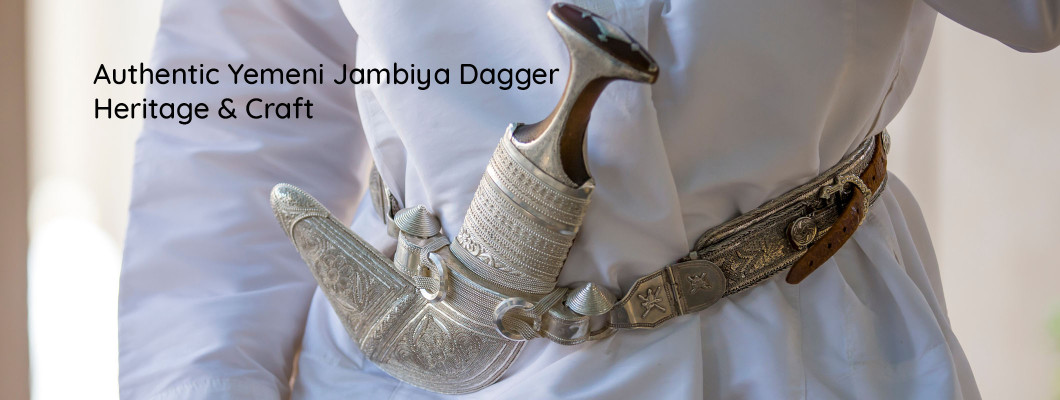
The Jambiya is more than a dagger in Yemen — it is a profound cultural symbol. Worn with dignity on a belt called a Hizam, it represents manhood and social status. Boys receive their first Jambiya as a rite of passage into adulthood. Today, its role is primarily ceremonial, seen in weddings, dances, and significant gatherings.
- Traditional Attire: Integral to the Yemeni male costume.
- Status Indicator: Reflects wealth and prestige.
- Ceremonial Role: Used in dances and public events.
- Heirlooms: Passed across generations.
- Regional Identity: Distinct styles signify tribal connections.
Anatomy of the Yemeni Jambiya Dagger
The Yemeni Jambiya has three main parts: the blade, the handle, and the sheath. Each element serves both functional and artistic purposes.
- Blade: Curved, meticulously crafted for beauty and function.
- Handle: Made from varied materials reflecting personal and regional styles.
- Sheath: Ornate, showcasing detailed artisan work.
The Blade: Craftsmanship and Materials

Each blade is expertly curved and hand-forged from durable metals like iron or steel. The curved design aids in both combat and ceremonial display. Traditional techniques ensure sharpness, strength, and cultural authenticity.
The Handle: Styles and Symbolism
Handles are crafted from wood, horn, or metals, each carrying cultural meaning. Decorations often symbolize rank or tribal identity. Styles range from simple to highly elaborate, reflecting the owner’s status.
The Sheath: Ornate Designs and Decoration
The sheath protects the blade while serving as a decorative canvas. Crafted from leather, wood, or metal, it often features intricate patterns and inlays that reveal regional origins and cultural stories.
Jambiya vs. Khanjar: Key Differences
- Blade Curvature: Jambiya has a sharper curve; Khanjar’s is more subtle.
- Cultural Roles: Jambiya is tied to Yemeni identity; Khanjar is broader in Arab culture.
- Design Elements: Jambiya handles are contoured; Khanjar handles are typically T-shaped.
Regional Variations: Styles Across Yemen
- Northern Yemen: Intricate designs, bold curves.
- Southern Yemen: Streamlined and practical.
- Eastern Yemen: Balanced proportions with historical motifs.
The Role of the Jambiya in Ceremonies and Daily Life
- Ceremonial Wear: Essential for cultural events.
- Symbol of Manhood: Gifted at important life stages.
- Daily Accessory: Part of everyday attire.
The Art of Making a Jambiya
- Forging the Blade: Using traditional or modern tools.
- Designing the Handle: Selecting materials and decorative elements.
- Crafting the Sheath: Adding ornamental patterns and inlays.
Collecting Yemeni Jambiya Daggers
- Authenticity: Verify origin and history.
- Condition: Assess preservation and repairs.
- Craftsmanship: Look for intricate detailing.
How to Buy an Authentic Yemeni Jambiya
- Seller’s Reputation: Verified and reviewed.
- Craftsmanship: Quality artistry and materials.
- Documentation: Proven authenticity.
Price Guide: Factors That Determine Value
- Material Quality: Precious or rare materials.
- Craftsmanship: Complexity and precision.
- Age and Provenance: Historical and authentic origin.
- Condition: Well-preserved pieces fetch higher prices.
Where to Buy
- Online Marketplaces: eBay, Etsy.
- Specialty Auctions: Bonhams, Heritage Auctions.
- Traditional Bazaars: Middle Eastern markets.
Ready to Own an Authentic Yemeni Jambiya?
Buy Our Yemeni DaggerCaring for and Displaying Your Jambiya
- Use a soft cloth to clean the blade.
- Store in a dry, sun-protected area.
- Regularly inspect for rust or damage.
The Jambiya in Modern Yemeni Culture and Global Recognition
- Integral part of Yemeni ceremonies today.
- Rising interest among international collectors.
- Featured in global cultural exhibitions.
Conclusion: The Enduring Legacy of the Yemeni Jambiya
The Yemeni Jambiya dagger remains a living emblem of Yemeni pride, tradition, and artistry. Its journey from a practical weapon to a ceremonial icon reflects the rich heritage of Yemen. Whether collected, worn, or displayed, it stands as a timeless cultural treasure.