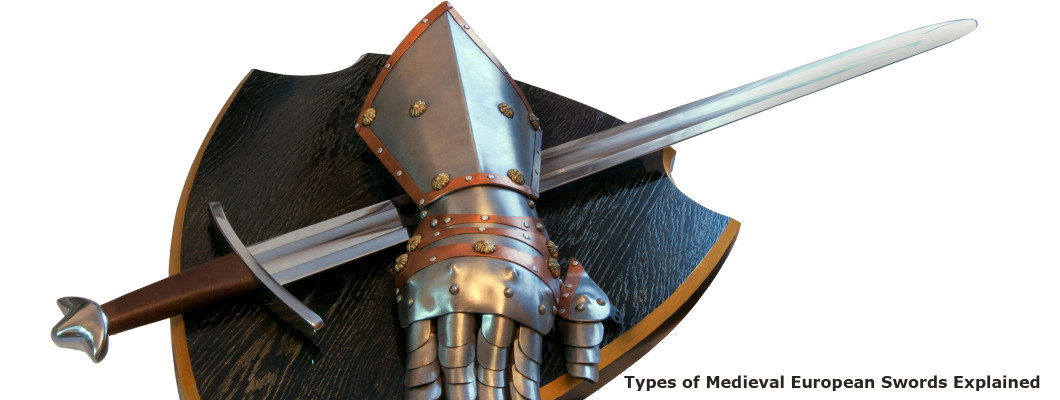
Types of Medieval European Swords Explained: From Great Blade to Arming Blade
The medieval European sword is more than just steel — it is a reflection of warfare, craftsmanship, and identity. Across centuries, blades evolved to meet changing combat needs, from crushing through chainmail to piercing refined plate armor. Each design tells a story of adaptation, skill, and the relentless pursuit of balance between strength and precision.
In this guide, we explore five essential sword types that shaped European history: the Great Blade, Long Blade, Broad Blade, Arming Blade, and Doge Blade. These are not just historical forms — they are the foundation of modern sword appreciation, collecting, and functional blade design.
Great Blade – The Battlefield Giant
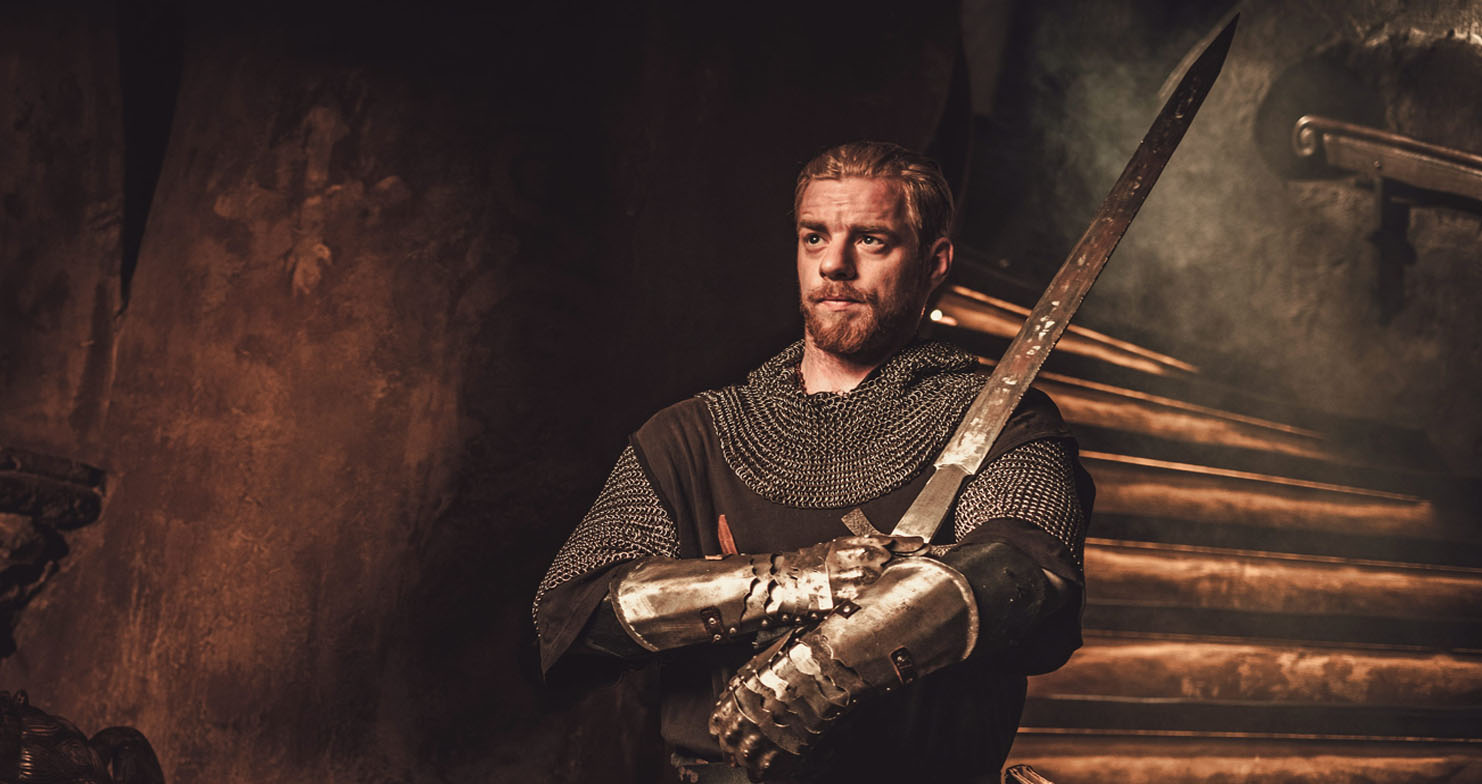
The Great Blade, often referred to as the Greatsword or Zweihänder, was built for dominance. Measuring up to 70 inches, this massive two-handed sword was designed to control space on the battlefield. Despite its size, it was not clumsy — skilled warriors could wield it with surprising precision and fluidity.
Used by elite soldiers such as the Landsknechts, the Great Blade was effective against pike formations and dense infantry lines. Its long reach and weight allowed powerful sweeping strikes, while the ricasso enabled half-sword techniques for better control in close combat.
Modern reproductions focus on balance and durability, using high carbon steel and proper oil tempering — ensuring that even a large blade remains functional, not just decorative.
Explore hand forged, battle-ready swords built for strength and performance:
View Everest Forge Sword Collection →
Long Blade – The Perfect Balance of Power and Control
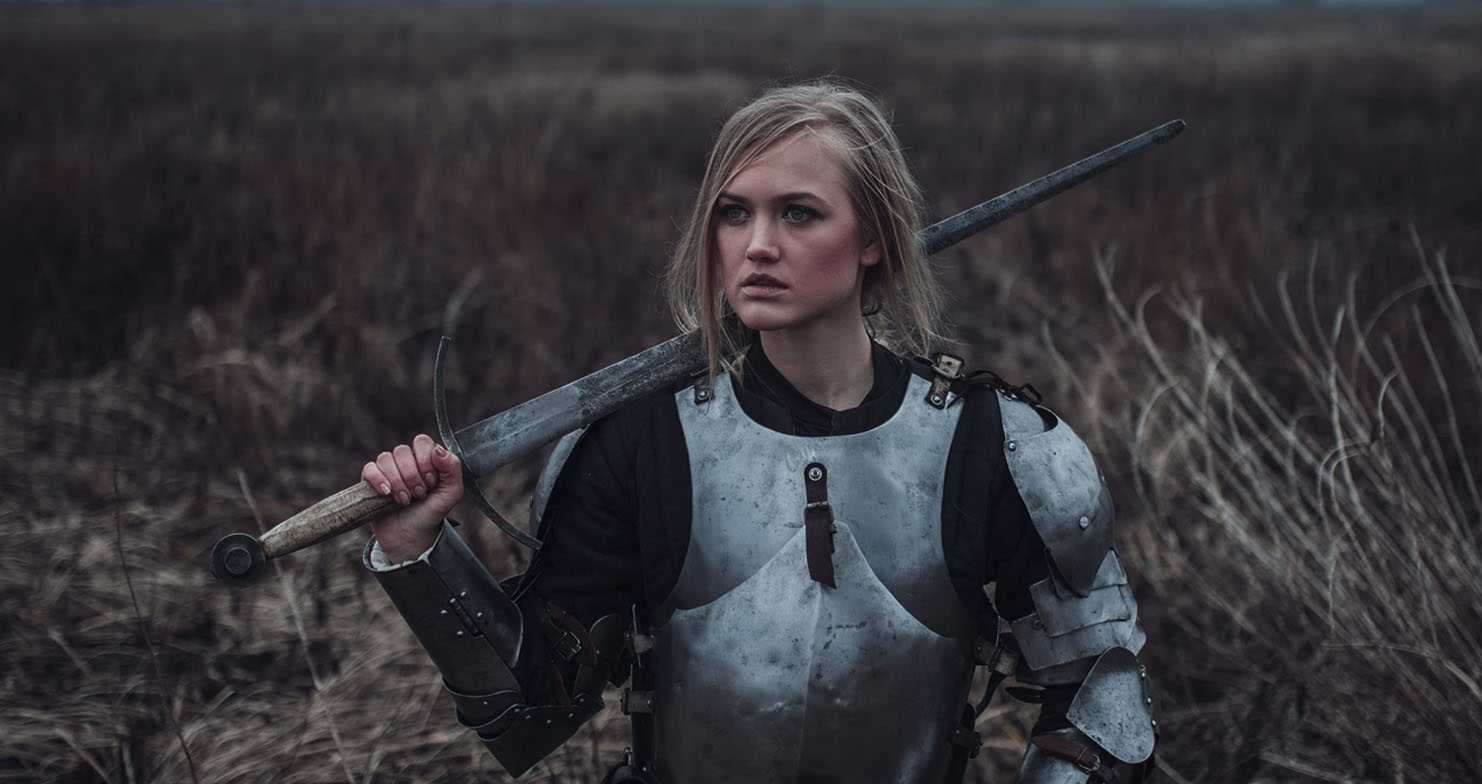
The Long Blade, commonly known as the longsword, represents one of the most refined weapons of medieval Europe. With a blade length of 36–43 inches, it offered versatility — usable with one hand or two depending on the situation.
This sword became central to knightly combat, especially during the 14th and 15th centuries. Its design allowed both powerful cuts and precise thrusts, making it effective against evolving armor types.
What truly defined the longsword was technique. Historical masters such as Liechtenauer and Fiore dei Liberi developed entire systems of combat around it, focusing on timing, leverage, and control rather than brute strength.
Today, the Long Blade remains one of the most popular functional swords for collectors and practitioners of Historical European Martial Arts.
Broad Blade – The Early Medieval Cutter

The Broad Blade belongs to an earlier period of warfare, where cutting power was essential. Designed with a wide profile and weight-forward balance, it excelled at delivering strong chopping blows.
During a time when chainmail was the primary defense, blunt force and cutting efficiency mattered more than precise thrusting. The Broad Blade delivered both — capable of inflicting serious damage even through armor.
Its fuller helped reduce weight while maintaining strength, proving that even early swordsmiths understood advanced structural design. This type of sword laid the foundation for later developments, gradually evolving into more balanced and versatile blades.
Arming Blade – The Knight’s Everyday Sword
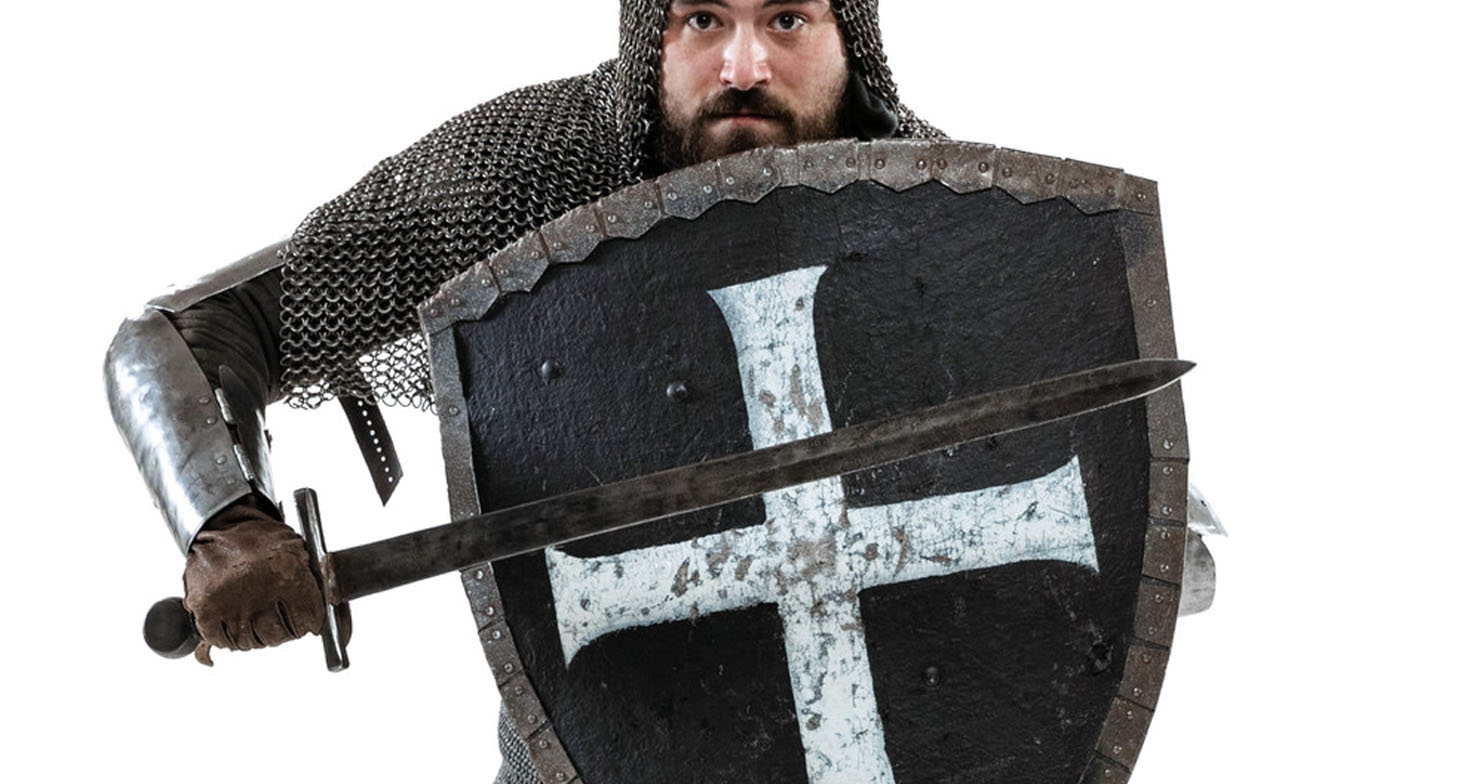
The Arming Blade, or arming sword, was the constant companion of medieval knights. Worn at the hip, it served as a reliable sidearm in both battle and daily life.
Typically measuring 30–35 inches, it was light, fast, and highly maneuverable. It paired well with shields or bucklers, making it ideal for close combat situations.
Beyond its function, the arming sword carried deep symbolic meaning. Many blades featured religious engravings, reflecting the knight’s oath and connection to faith. It was not just a tool — it was a representation of honor and duty.
At Everest Forge, you can request a fully custom build — from blade length to engraving and balance.
Request a Custom Forge →
Doge Blade – The Rise of Elegance and Precision

The Doge Blade represents the transition from battlefield weapon to refined dueling sword. Inspired by the noble courts of Renaissance Italy, it focused on speed, agility, and precision.
Unlike earlier blades, this design emphasized thrusting over cutting. Its slender profile and complex hilt allowed greater control and hand protection, paving the way for the development of the rapier.
This was not a weapon for war — it was a symbol of status, education, and personal skill. The Doge Blade reflects a time when combat became more individual, more technical, and more artistic.
The Evolution of Swordmaking in Medieval Europe
European sword smithing evolved through constant experimentation and refinement. Techniques such as differential tempering allowed blades to maintain a hard edge while keeping a flexible spine — preventing breakage during impact.
The introduction of oil tempering gave smiths even greater control over hardness and durability, resulting in stronger, more reliable blades.
Design elements like blade geometry, balance point, and center of percussion became increasingly important. Sword making was no longer just forging metal — it was engineering performance.
These same principles are still applied today in high-quality hand forged swords.
How Everest Forge Keeps the Tradition Alive
At Everest Forge, we continue the legacy of traditional sword making using time-tested forging methods. Every sword is hand forged and oil tempered, ensuring strength, flexibility, and real-world functionality.
Our focus is not just on appearance, but on performance — creating blades that feel alive in hand, balanced, and ready for use. Whether you’re a collector, practitioner, or enthusiast, our goal is to deliver authentic, working swords inspired by history.
Why These Medieval Sword Types Still Matter Today
The Great Blade, Long Blade, Broad Blade, Arming Blade, and Doge Blade are more than historical categories — they represent the evolution of combat, craftsmanship, and human ingenuity.
Each sword reflects a different need, a different era, and a different philosophy of fighting. From raw battlefield power to refined dueling precision, these blades continue to inspire modern sword design and appreciation.
Owning or studying these swords is not just about the past — it is about understanding how form, function, and craftsmanship come together in a single piece of steel.