


Introduction to the World of Single-Edge Swords
Single-edge swords are some of the most influential weapons ever created. Designed primarily for powerful slashing and decisive chopping, these blades shaped the military traditions of countless civilizations. Whether used in lightning-fast cavalry charges, disciplined infantry formations, or rugged mountain warfare, their sharpened cutting edge and reinforced spine made them unmatched tools of battle.
In this guide, we explore the 12 most iconic single-edge swords in world history — legendary blades that defined cultures, inspired warriors, and set the standard for craftsmanship for centuries.
1. Katana (Japan)
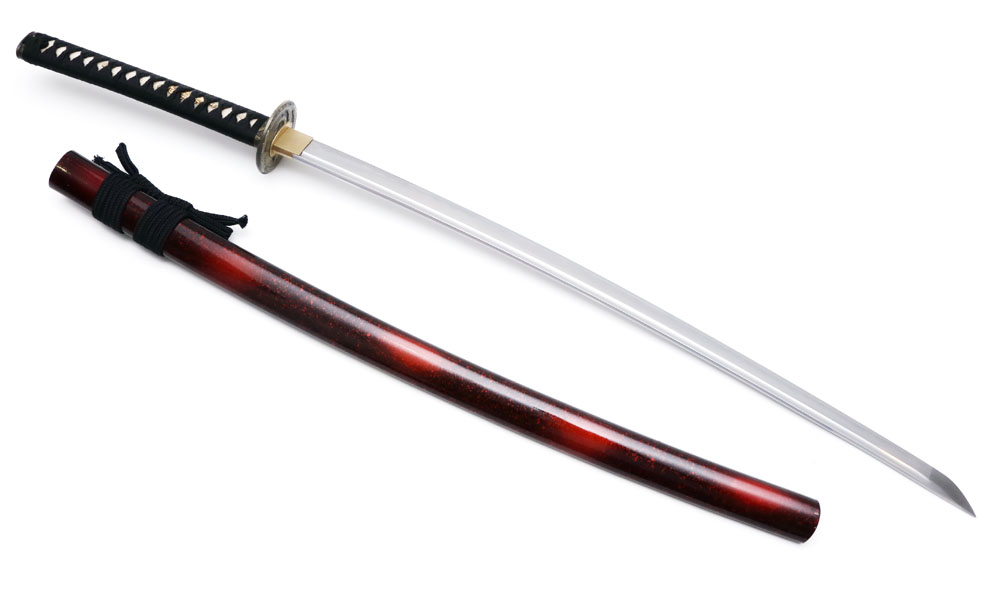
The Japanese katana is arguably the most famous single-edge sword ever forged. Known for its graceful curve and exceptional sharpness, it became the soul of the samurai. Through differential hardening, the katana achieved a razor edge supported by a resilient spine — a combination that allowed devastating cuts without compromising durability.
- Curved single-edge blade for swift, fluid slicing
- Two-handed grip offering precision and control
- Symbol of samurai honor and discipline
2. Sabre (Europe & Global Cavalry)
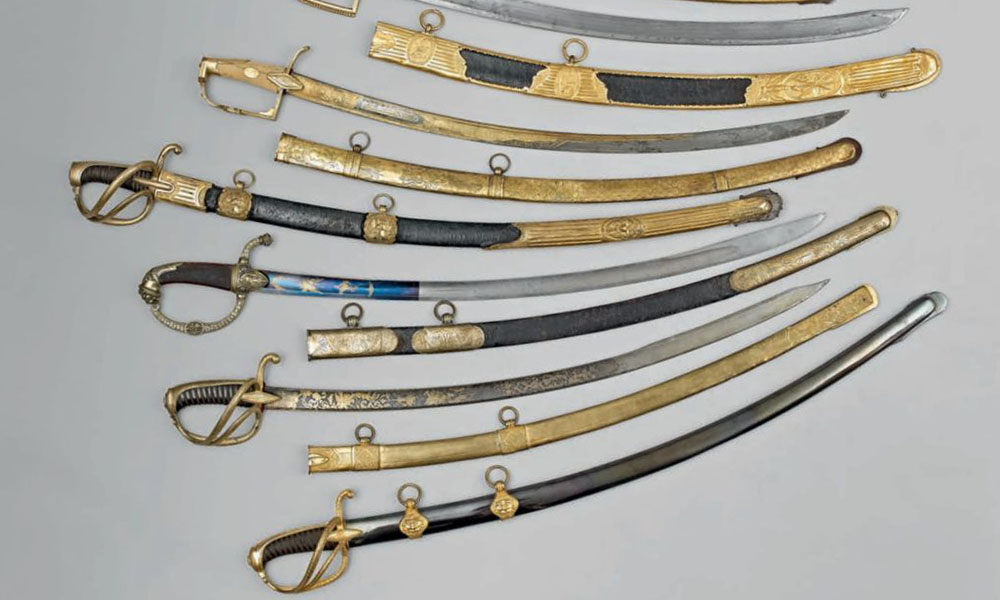
The sabre dominated cavalry warfare across Europe, Russia, and Central Asia. Its long, sweeping curve allowed mounted soldiers to deliver powerful slashes while riding at full speed, making it the preferred blade from the 17th to 19th centuries.
- Highly curved blade ideal for horseback combat
- Used by European, Russian, and Ottoman forces
- Essential weapon of early-modern militaries
3. Scimitar (Middle East & Islamic World)

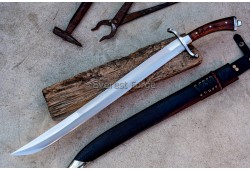
The term “scimitar” refers to the dramatically curved swords of the Islamic world — including the Persian shamshir, Ottoman kilij, and Arabian cavalry blades. These elegant weapons delivered deep, slicing cuts and became symbols of power and prestige.
- Pronounced curvature for fast, deadly slashes
- Favored by Persian, Turkish, and Arab warriors
- Highly symbolic in Middle Eastern martial history
4. Dao (China)

Often called “The General of All Weapons,” the Chinese dao served as the backbone of ancient and medieval armies. Its slightly curved blade and thick spine made it incredibly durable, suitable for both infantry skirmishes and cavalry charges.
- Main military saber of imperial China
- Reinforced spine for powerful chopping
- Includes variants like the broadsword and cavalry dao
5. Kopis (Ancient Greece)

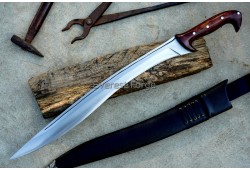
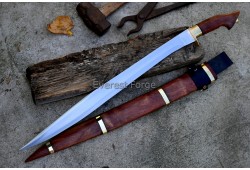
The Greek kopis is a forward-leaning chopping sword designed for delivering heavy, bone-crushing strikes. Its weight-forward profile made it exceptionally strong in mounted combat, influencing many later single-edge weapons.
- Forward-curved blade for immense chopping force
- Favored by Greek cavalry and officers
- Predecessor to later curved chopping swords
6. Khopesh (Ancient Egypt)

The khopesh is one of humanity’s earliest curved swords, transitioning from a battle axe to a hooked bronze weapon. Its sickle-like shape allowed warriors to catch shields, disarm opponents, and strike around armor.
- Sickle-shaped bronze or iron blade
- Used by pharaohs and Egyptian infantry
- Effective for pulling, hooking, and cutting
7. Kukri / Khukuri (Nepal)

The Nepalese kukri is one of the most powerful single-edge blades relative to its size. With its iconic inward curve, it generates devastating chopping force while remaining compact enough for daily use. It remains the legendary weapon of the Gurkhas — soldiers renowned for their bravery.
- Forward-curved design for unmatched chopping power
- Standard Gurkha military blade
- Used for combat, fieldcraft, and utility tasks
8. Kora (Nepal)

Before the kukri became Nepal’s primary weapon, the kora served as the fearsome sword of hill warriors and royal guards. Its flared, heavy tip created staggering impact, capable of breaking armor and delivering fatal blows.
- Heavy forward-flared blade
- Traditional weapon of Nepalese fighters
- Ceremonial symbol in Nepali culture
9. Talwar (India)

The Indian talwar is a deeply curved saber recognized by its distinctive disc pommel. Used by Mughal, Rajput, Sikh, and Maratha warriors, it excelled in fast, sweeping strikes from horseback or foot.
- Deep curvature optimized for cavalry attacks
- Disc pommel improving grip and wrist control
- Widely used across Indian kingdoms
10. Falchion (Medieval Europe)

The falchion blended the practicality of a sword with the brute cutting power of a chopping tool. With its wide single-edge blade, it was especially effective in close combat, even against armored foes.
- Wide, heavy blade for brutal chopping power
- Popular with medieval infantry
- Simple, rugged, and highly effective
11. Cutlass (Naval Europe & Caribbean)

Short, broad, and slightly curved, the cutlass became the quintessential naval sword. Sailors, marines, and pirates relied on it for boarding actions, where fast, powerful strikes in tight quarters were essential.
- Short curved blade perfect for cramped spaces
- Favored by pirates, sailors, and naval forces
- Influenced modern survival machetes
12. Backsword (Europe)

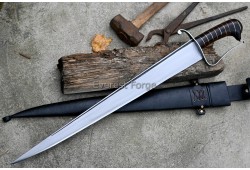
The backsword is a straight, single-edge blade known for its strength and reliability. With a thickened spine and reinforcing cross section, it was widely adopted for both cavalry and infantry use.
- Rigid spine for strong parries and counterstrikes
- Single sharpened edge for effective cutting
- Standard military blade from the 15th century onward
Conclusion
From the elegant precision of the katana to the unstoppable chopping force of the kukri, single-edge swords showcase humanity’s innovation in warfare and craftsmanship. These blades shaped empires, defined warrior cultures, and continue to inspire modern bladesmiths and collectors.
At Everest Forge, we honor these traditions through hand-forged craftsmanship — creating blades that reflect the heritage, skill, and spirit behind the world's greatest single-edge swords.