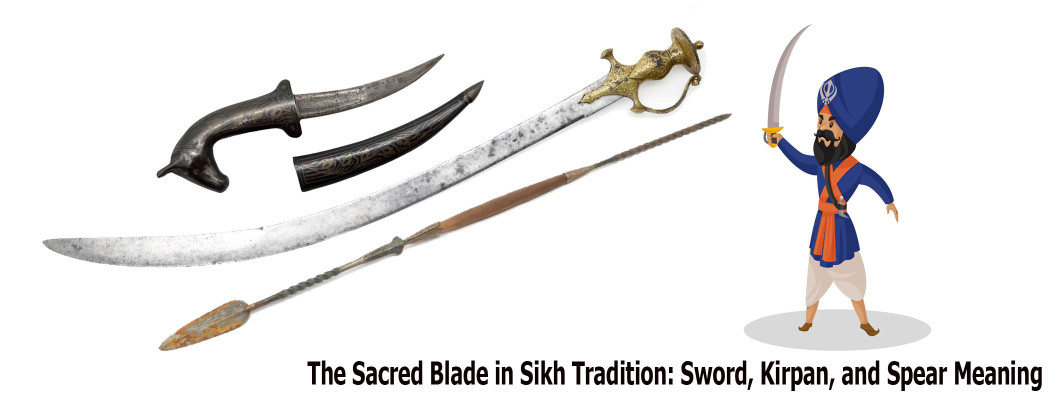
The Sacred Blade in Sikh Tradition: Sword, Kirpan, and Spear Meaning
Many people outside the Sikh faith see a blade and make a quick judgment. They notice steel, shape, and size, but they do not always understand the meaning behind it. In Sikh tradition, the kirpan, the sword, and the spear are not respected simply because they are weapons. They are respected because they represent responsibility, courage, discipline, and the duty to stand for what is right.
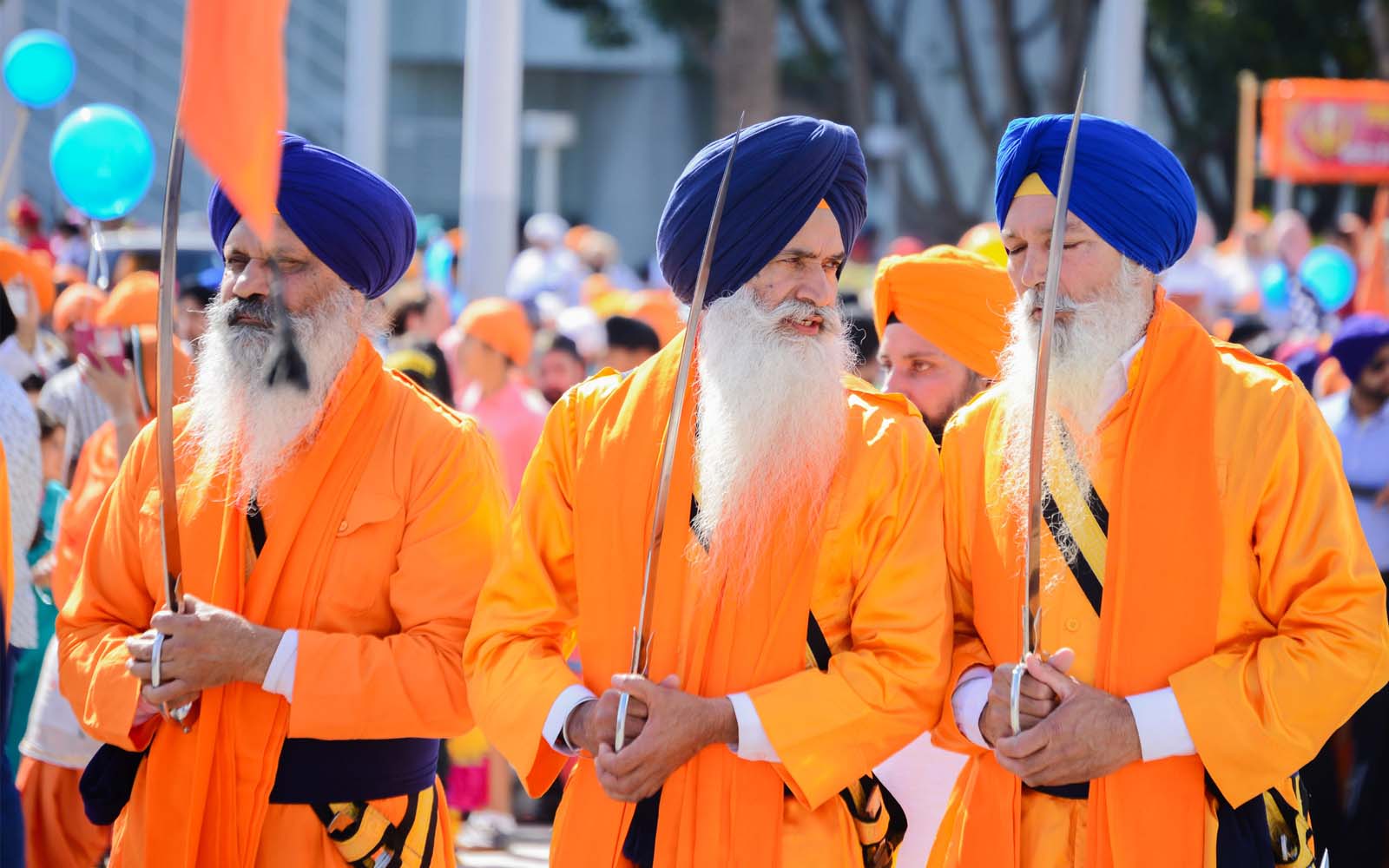
This difference is very important. A blade in Sikh tradition is not admired for violence. It is honored for what it stands for. It reminds the person carrying it that faith is not passive. A Sikh is expected to live with moral strength, protect the weak, stand against injustice, and act with restraint and purpose. That is why these traditional arms continue to hold deep meaning even today.
For readers looking to understand the Sikh connection to traditional blades, it is important to begin with respect. The kirpan, the sword, and the spear each carry their own role, but all three are connected by the same deeper idea: strength must always be guided by values.
The Kirpan: A Personal Reminder of Duty and Responsibility
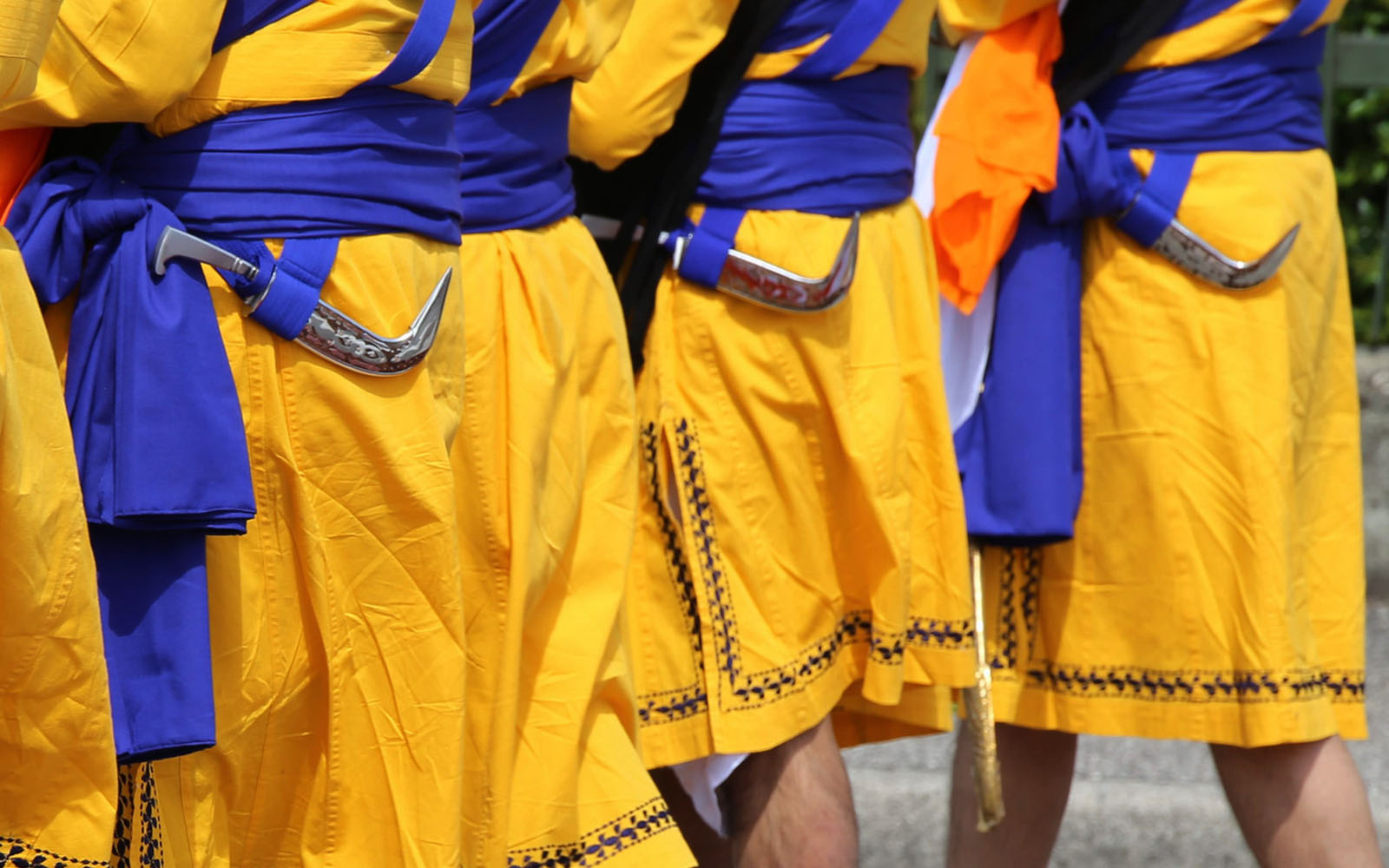
The kirpan is one of the Five Ks of Sikh identity and faith. It is often described as a dagger, but that simple definition does not fully explain its place in Sikh life. The kirpan is not just an object worn on the body. It is a daily reminder of duty. It reminds a Sikh to protect others, to resist injustice, and to live with courage and awareness.
Its importance does not come from size, decoration, or display. Even a small kirpan carries great meaning because the value is not in the steel alone. The meaning comes from what it represents. A Sikh who carries a kirpan carries a responsibility to stand for truth and to act with moral discipline. It is not something worn for aggression, pride, or intimidation.
That is what makes the kirpan different from an ordinary dagger . While it may physically resemble a traditional blade , its role in Sikh tradition is spiritual, ethical, and deeply personal. It represents action guided by conscience, not force guided by anger.
The Discipline of the Kirpan: Respect, Proper Carry, and Self-Control
The kirpan is not carried casually. It comes with discipline. Traditionally, it is kept in a sheath and worn close to the body, often with a strap known as a gatra. This itself reflects an important principle: control comes before strength. The kirpan is not meant to be handled carelessly or displayed for attention. It is carried with seriousness and respect.
In Sikh understanding, the kirpan must never be used in anger, ego, or pride. Its purpose is tied to protection, justice, and moral duty. That is why the kirpan is not simply about the right to carry a blade. It is also about the responsibility to carry it with the right mindset. A blade without discipline can become dangerous, but a blade guided by values becomes a symbol of higher purpose.
In the modern world, Sikhs also have to balance religious practice with local law. Rules can differ in airports, schools, courts, and public buildings. That makes awareness especially important today. Respecting the kirpan now includes both honoring Sikh tradition and understanding the responsibilities of public life.
The Sword in Sikh History: Strength Guided by Faith and Justice
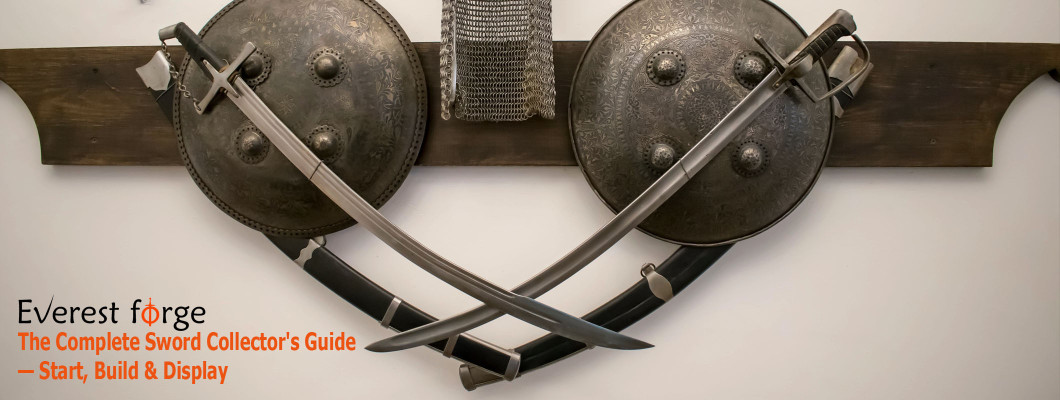
The sword holds a powerful place in Sikh history. It became especially important during the time of Guru Gobind Singh and the formation of the Khalsa. In that period, the Sikh community was not shaped only by devotion and prayer, but also by the responsibility to protect others and resist oppression. The sword came to represent justice, courage, and the willingness to stand firm when righteousness was under threat.
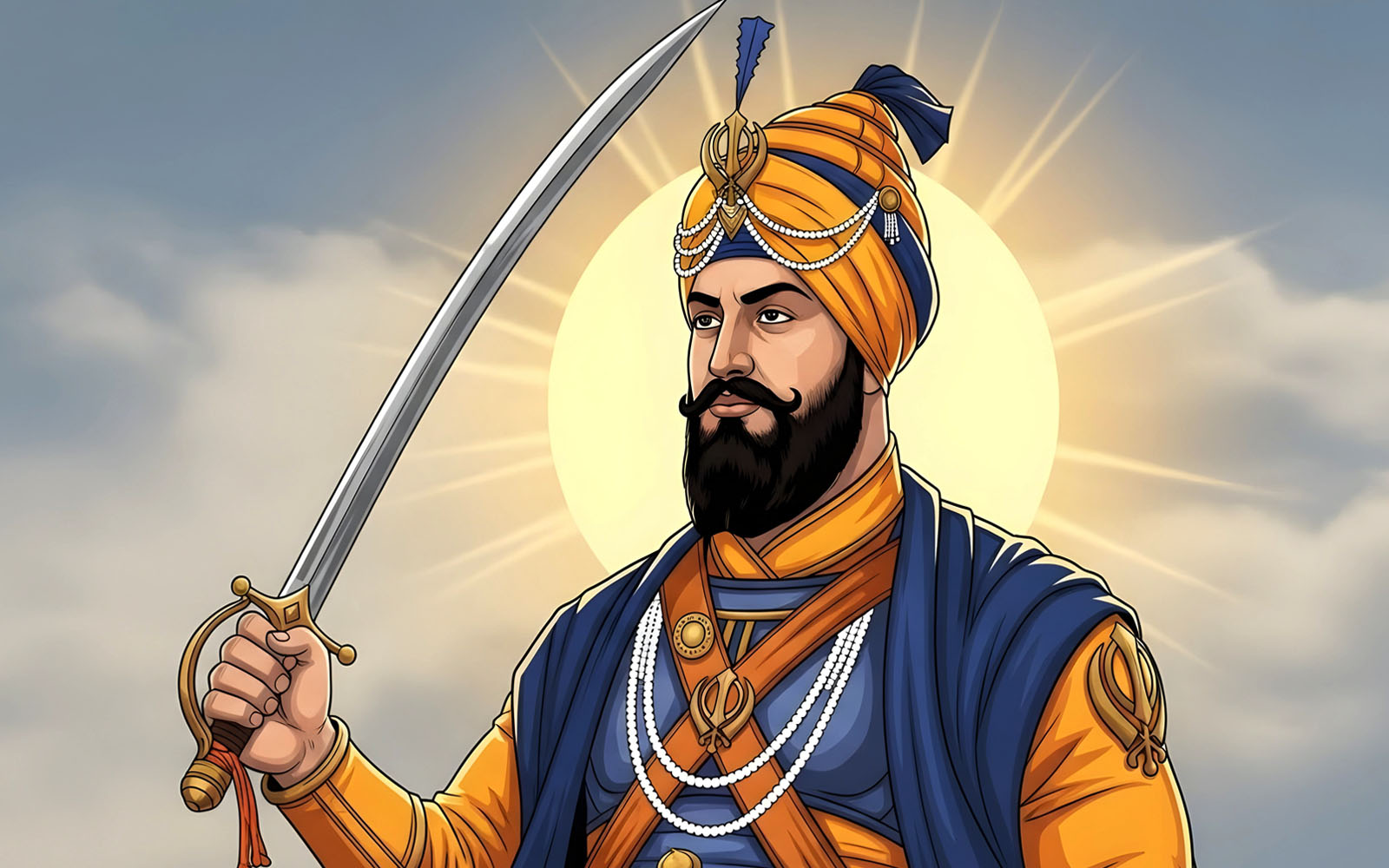
But even here, the meaning of the sword was never about domination. It was not a symbol of cruelty or uncontrolled power. The sword was respected because it stood for disciplined strength. It represented the idea that peaceful people must still be capable of defending truth when necessary. In Sikh history, the sword became a sign that faith and action are not separate. Strength without values is dangerous, but strength guided by justice becomes honorable.
This is why the sword still holds symbolic power today. For many Sikhs and for many people interested in Sikh martial tradition, the sword represents more than a historical weapon. It represents moral courage. It stands for the idea that one should not remain passive in the face of injustice. That deeper meaning is what keeps its legacy alive.
Explore Hand-Forged Swords Inspired by Tradition
Discover hand-forged swords crafted with strength, balance, and traditional character. Everest Forge creates meaningful blades for collectors, enthusiasts, and buyers who value heritage-inspired design.
The Spear in Sikh Tradition: Readiness, Reach, and Warrior Awareness
Alongside the kirpan and the sword, the spear also holds an important place in Sikh martial tradition. It may not always receive the same attention in modern discussion, but historically it was a respected part of Sikh warrior culture, especially among Nihang traditions. The spear represents a different kind of strength. Where the sword is direct and close, the spear reflects reach, timing, readiness, and awareness.
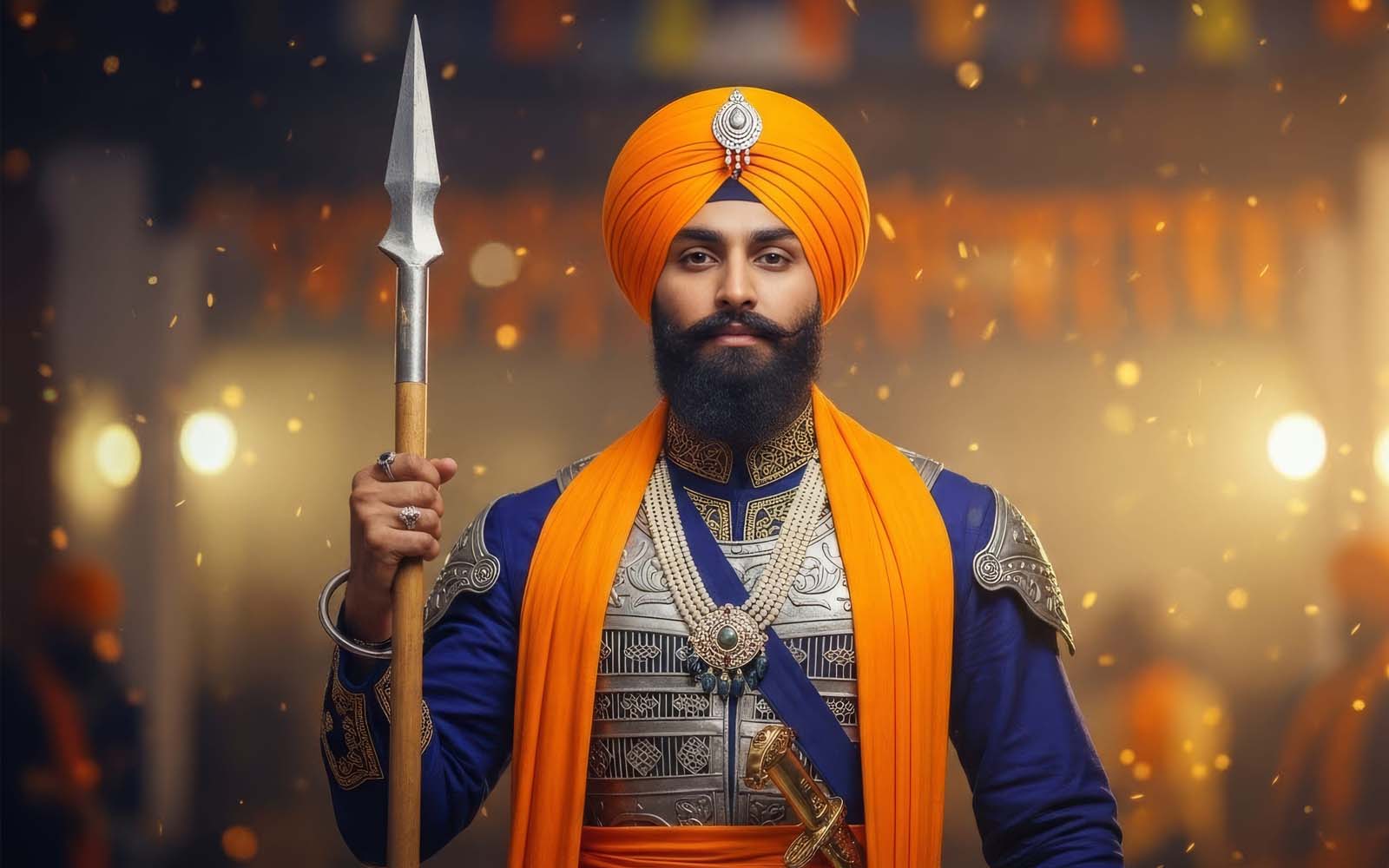
The spear demands control. Its use is connected not only to force, but also to judgment, balance, and discipline. In martial training traditions such as Gatka, the spear is not simply a tool of combat. It is also a way of developing movement, awareness, and self-control. This gives the spear a meaning that goes beyond its shape. It reflects preparedness before conflict, not desire for conflict.
That is why the spear belongs naturally beside the sword and kirpan in any serious discussion of Sikh martial identity. It completes the picture. The kirpan represents personal duty. The sword represents justice and courage. The spear represents awareness and disciplined readiness. Together, they show that Sikh martial symbolism is built on moral purpose, not aggression.
Browse Hand-Forged Spears with Traditional Presence
Explore handmade spears with strong form, traditional spirit, and functional character. Everest Forge offers heritage-inspired spears for collectors and buyers who appreciate long weapons with presence and meaning.
Kirpan, Sword, and Spear: Different Forms, One Shared Meaning
Although the kirpan, sword, and spear are different in form, they are connected by the same deeper purpose. None of them are respected simply because they are blades. They are respected because they stand for responsibility. The kirpan is personal and close to daily religious life. The sword carries historical and symbolic strength. The spear reflects alertness, timing, and disciplined reach. Together, they represent a complete martial philosophy rooted in ethics.
This is what many people miss when they look at Sikh traditional arms from the outside. They see objects, but they do not see the values attached to them. In Sikh tradition, strength is never meant to stand alone. It must always be governed by self-control, conscience, and justice. That is what gives these traditional arms lasting meaning beyond their material form.
Why This Tradition Still Matters Today
These meanings have not disappeared in the modern world. For many Sikhs, the kirpan and the memory of traditional arms still carry identity, duty, and historical connection. They remind a person of who they are, what they stand for, and how they are expected to act in difficult moments. In a world that often celebrates power without responsibility, this tradition offers a very different message.
It teaches that true strength is not loud. It is controlled. It is guided by values. It is willing to protect others rather than dominate them. That is why the kirpan, sword, and spear continue to matter. Their meaning is timeless because the principles behind them are timeless.
A blade by itself is only steel. But when it carries history, faith, discipline, and responsibility, it becomes something far greater. That is the real heart of Sikh traditional arms.
Choosing a Traditional Blade with Respect and Understanding
For buyers who are drawn to traditional Sikh-inspired blades , respect should come before appearance. A meaningful blade should not feel exaggerated, empty, or made only for display. It should feel balanced, dignified, and true to traditional character. Whether someone is interested in a sword, dagger, or spear, the piece should reflect seriousness of craft and respect for the tradition that inspires it.
That is where good forging matters. Shape, weight, finish, and overall form all influence whether a blade feels authentic or merely decorative. At Everest Forge, we understand that traditional blades carry more than visual appeal. They carry symbolism, history, and identity. That is why a well-crafted piece should be approached with care from both the maker and the buyer.
Looking for a Traditional Dagger or a Custom Blade?
Explore hand-forged daggers with traditional character, or request a custom sword, dagger, or spear designed to your own vision. Everest Forge builds blades with attention to form, purpose, and heritage-inspired detail.
Frequently Asked Questions
Do Sikhs worship the kirpan, sword, or spear?
No. In Sikh tradition, these are not objects of worship. They are respected as symbols of courage, justice, discipline, and responsibility.
Why do Sikhs carry a kirpan?
The kirpan is carried as a reminder to protect the weak, stand against injustice, and live with moral courage and self-control.
Is the kirpan just a dagger?
Physically it may resemble a dagger, but in Sikh tradition the kirpan has a much deeper meaning. It is a religious and moral symbol, not just an ordinary blade.
What does the sword represent in Sikh tradition?
The sword represents strength guided by faith, justice, and the responsibility to stand against oppression when necessary.
Does the spear also have meaning in Sikh martial tradition?
Yes. The spear represents readiness, awareness, discipline, and control. It holds an important place in Sikh warrior heritage.
Can I order a custom sword, dagger, or spear from Everest Forge?
Yes. Everest Forge offers custom forge requests for buyers who want a traditional blade made to a specific design, style, or vision.