The Sabre Sword: The Curved Legacy of Power, Precision, and Prestige
The sabre sword represents the timeless balance of grace and power. Its curved design, single-edged blade, and fluid motion made it one of history’s most iconic weapons — favored by cavalrymen, officers, and warriors across continents. From Persia to Europe, the sabre became a symbol of courage, speed, and precision.
At Everest Forge, we continue this legacy through hand-forged sabres and curved blades crafted with traditional techniques. In this article, we explore the history, design, and forging artistry behind the sabre — featuring three of our finest blades: the British Saber Sword, Hungarian Saber Sword, and the legendary Talwar.
Origins of the Curved Blade
The sabre’s story begins on the vast Central Asian steppes, where Turkic and Mongol horsemen used curved blades for swift slashing strikes from horseback. These lightweight weapons allowed devastating cuts while maintaining control during high-speed movement. As these nomads conquered new lands, their weapons influenced Persia, India, and eventually Europe — where the sabre evolved into the quintessential cavalry sword.
By the 16th century, the curved-blade tradition reached Hungary and Poland through the hussars — fierce light cavalry who fought with unparalleled speed and precision. Their sabres inspired European armies to adopt similar designs, setting the stage for centuries of innovation.
Design and Structure of the Sabre Sword

The sabre’s form follows its purpose — elegant yet deadly. Every element is crafted for balance, movement, and control:
- Curved Blade: Enhances slicing power while riding or dueling.
- Single Edge: Allows easier sharpening and stronger spine integrity.
- Guarded Hilt: Protects the wielder’s hand during combat.
- Fuller Groove: Reduces weight while maintaining strength.
- Light Balance: Makes it quick to maneuver, ideal for cavalry use.
The sabre’s curve isn’t just aesthetic — it represents efficiency, allowing clean cuts with minimal resistance.
Eastern Influences: Shamshir, Kilij, and Talwar
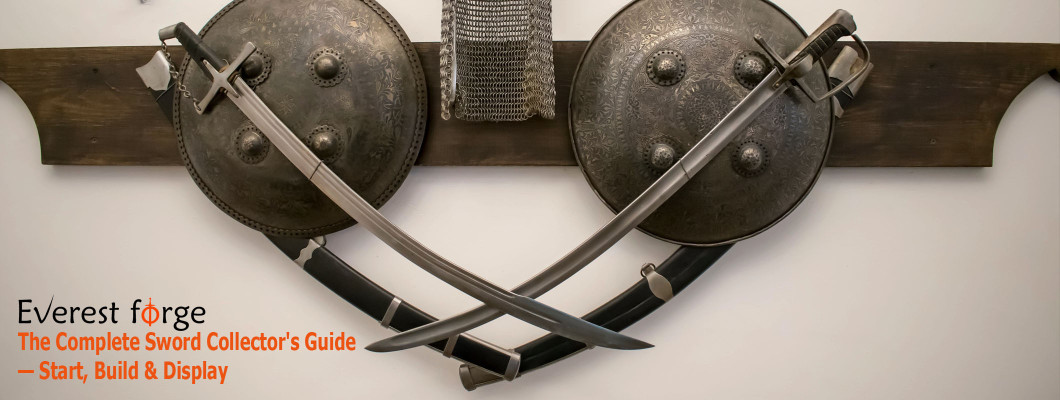
The sabre’s origins are deeply intertwined with Eastern craftsmanship. Persian and Indian blacksmiths perfected curved-blade forging centuries before the European adaptation. Among their greatest creations stands the Talwar — a sword revered for its beauty and balance.
The Talwar emerged during the Mughal and Rajput eras, becoming the preferred weapon of Indian warriors. Its blade, slightly curved with a broad belly near the tip, delivered powerful draw cuts. The distinctive disc-shaped pommel and guard gave stability, allowing fast, circular strikes in close combat. Decorated hilts, engravings, and silver inlays made it both weapon and heirloom — a mark of nobility and honor.
Today, the Talwar continues to inspire collectors and martial artists, standing as a symbol of craftsmanship and cultural pride.
European Evolution: The Age of the Cavalry Sabre
When curved blades reached Europe, they transformed the battlefield. Hungarian hussars and Polish light cavalry popularized the sabre, and soon it became a standard issue weapon for mounted units across Europe. By the Napoleonic era, the sabre was synonymous with valor and rank — an officer’s trusted companion both in battle and ceremony.
British and French armies refined their designs, creating variations that emphasized balance, speed, and cutting power. One of these innovations gave birth to the British 1796 Light Cavalry Sabre, renowned for its lethal efficiency and iconic shape — the inspiration for our own modern recreation.
British Saber Sword – 25 Inch Hand-Forged Functional Sword

The British Saber Sword from Everest Forge revives the glory of the traditional cavalry blade. Each 25-inch sword is hand-forged from 5160 high carbon spring steel and oil-tempered for strength and edge retention. Its curved blade delivers smooth, controlled cuts ideal for martial practice, reenactment, or display.
The rosewood handle, wrapped in genuine leather, ensures comfort and grip. A custom leather scabbard completes this classic piece — a fusion of functional performance and timeless military elegance.
Hungarian Saber Sword – 24 Inch Hand-Forged Functional Sword

The Hungarian Saber Sword embodies the original European design that revolutionized cavalry warfare. This 24-inch hand-forged blade is crafted from 5160 leaf spring steel and water-tempered for resilience and flexibility. Every blade undergoes a meticulous shaping and heat-treating process, resulting in a perfectly balanced, sharp, and functional sabre.
Its design mirrors the blades once carried by Hungarian hussars — fast, refined, and deadly precise. With its comfortable handle and elegant curve, it honors the weapon that inspired the European sabre tradition itself.
Forging Process: The Art Behind the Steel
Every sabre and talwar forged at Everest Forge carries the legacy of centuries-old craftsmanship. Skilled Nepalese smiths heat, hammer, and temper each piece by hand — controlling every stage to ensure perfect strength and flexibility. Forging a curved blade requires experience and instinct: the curve must form naturally through heat and hammering, not force.
Each blade is:
- Hand-forged from 5160 high carbon steel
- Tempered through oil or water quenching
- Sharpened for real cutting performance
- Mounted with full-tang construction and ergonomic grips
This dedication to authenticity ensures that every sabre from Everest Forge is not just beautiful — it’s fully functional.
Symbolism and Honor of the Sabre
In both East and West, curved swords have long symbolized discipline, authority, and bravery. Officers carried sabres as badges of command, while nobles and warriors displayed them as marks of prestige. In India, the Talwar represented spiritual power and valor; in Europe, the sabre signified leadership and nobility.
Even today, sabres are used in military ceremonies, weddings, and honor guards — a tradition that transcends their battlefield origins to embody timeless values of courage and respect.
Everest Forge: Preserving the Legacy
At Everest Forge, each sabre — whether British, Hungarian, or Indian — is made using authentic forging methods passed down through generations of Nepalese blacksmiths. Every sword is individually shaped, balanced, and sharpened, reflecting the soul of traditional craftsmanship. These are not mass-produced replicas; they are heirloom-quality blades forged to last for generations.
Explore our finest examples of hand-forged sabres:
- British Saber Sword – 25 Inch Functional Curved Blade
- Hungarian Saber Sword – 24 Inch Hand-Forged Functional Blade
- Talwar – Nepalese / Indian Curved Sword
Each represents the mastery of motion, balance, and history — forged not just as weapons, but as works of living art.
Request Your Custom Saber
Have a design in mind? Everest Forge can hand-forge a custom saber to your exact specifications — from blade shape and guard style to handle design and engravings.
Request Now
Everything You Need to Know About the Kilij Sword
Discover the origins, evolution, and unique characteristics of the Ottoman Kilij sword — from its curved blade design to its role in history. Read in detail →