Understanding Authenticity in Khukuri Craftsmanship
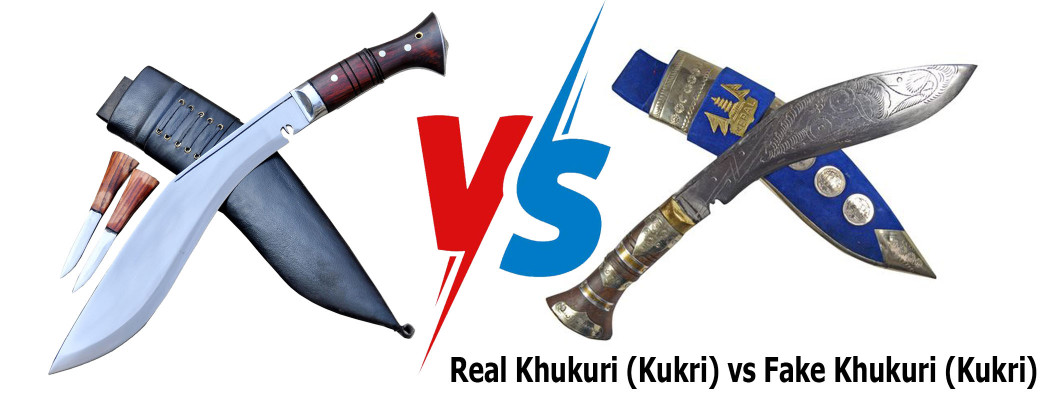
A khukuri (kukri) is not defined by shine, engraving, or dramatic appearance. A real khukuri is defined by how it is forged, heat treated, tempered, balanced, and assembled as a working tool. While many imitation kukris copy the outward curve, they often lack the internal structure and functional qualities that make a blade reliable and safe.
With some knowledge, careful observation, and experience, it becomes possible to identify whether a khukuri is a genuine working blade or a decorative imitation.
Why Knowing the Difference Matters
The difference between a real and fake khukuri goes beyond value or tradition—it directly affects safety and performance. Poor steel, incorrect heat treatment, improper tempering, weak tang construction, or loose handles can cause blades to chip, bend, or fail during use.
A genuine khukuri is designed to withstand repeated impact, absorb shock, and maintain control during chopping and utility work.
What Defines a Real Khukuri
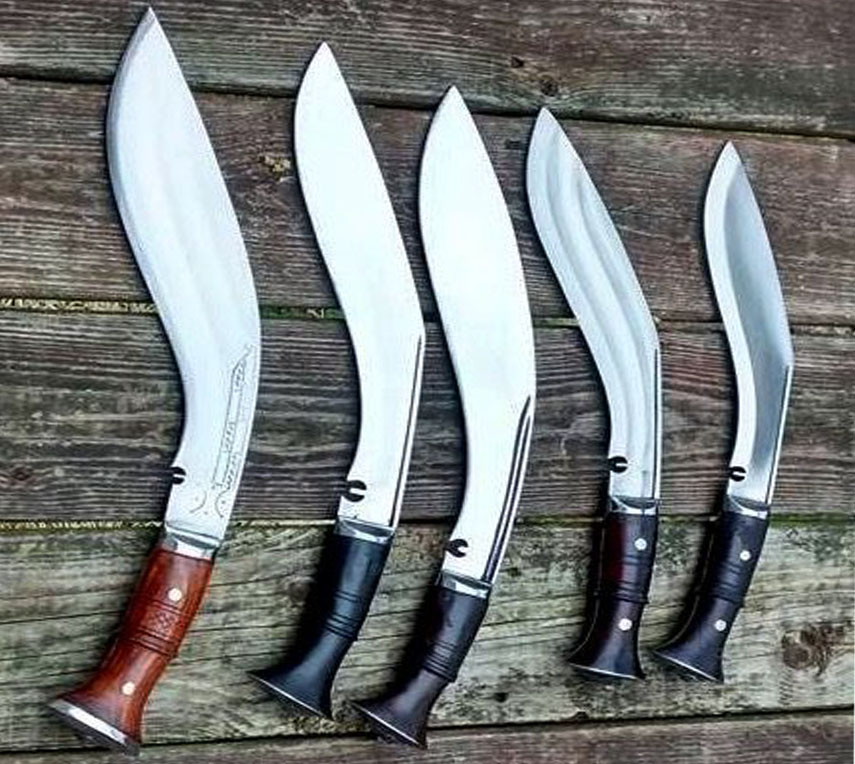
Although khukuri styles vary by region and purpose, authentic working blades share a consistent foundation built around function:
- Purpose-driven blade geometry designed for cutting and chopping
- Correct spine thickness with gradual distal taper
- High-carbon steel capable of proper hardening
- Careful tempering to balance hardness and toughness
- Secure handle construction aligned with the blade spine
- Balanced weight distribution that feels natural in hand
Why Fake Kukris Often Look More Fancy
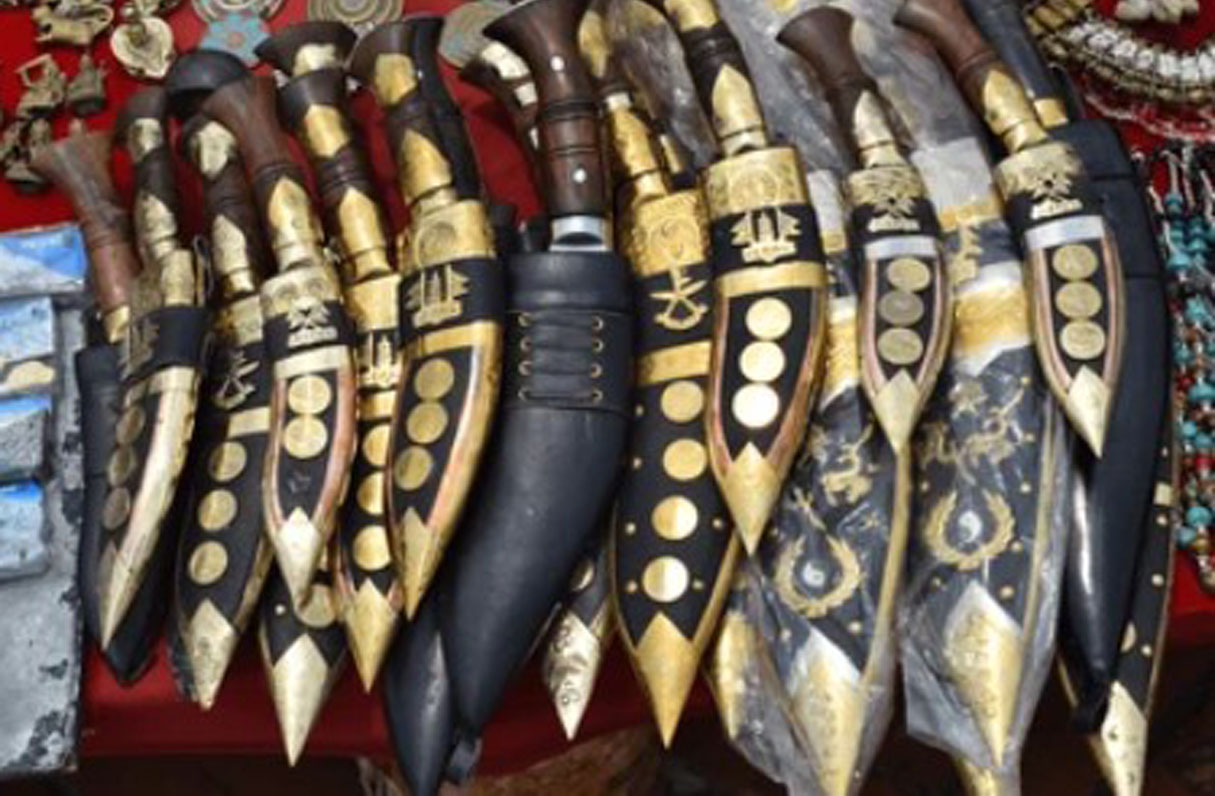
One of the biggest traps for buyers is visual appeal. Fake kukris often look more attractive at first glance because they focus heavily on decoration—mirror polishing, deep engravings, oversized guards, dramatic notches, and perfect symmetry.
These features photograph well and appeal to inexperienced buyers, but they often hide poor steel quality, lack of real heat treatment, and no proper tempering. In many cases, appearance is used to compensate for weak performance.
Real working khukuris are usually simpler in appearance. Their finish prioritizes grip, balance, and durability rather than shine. Minor forging marks or restrained finishes are not flaws—they are signs of honest craftsmanship.
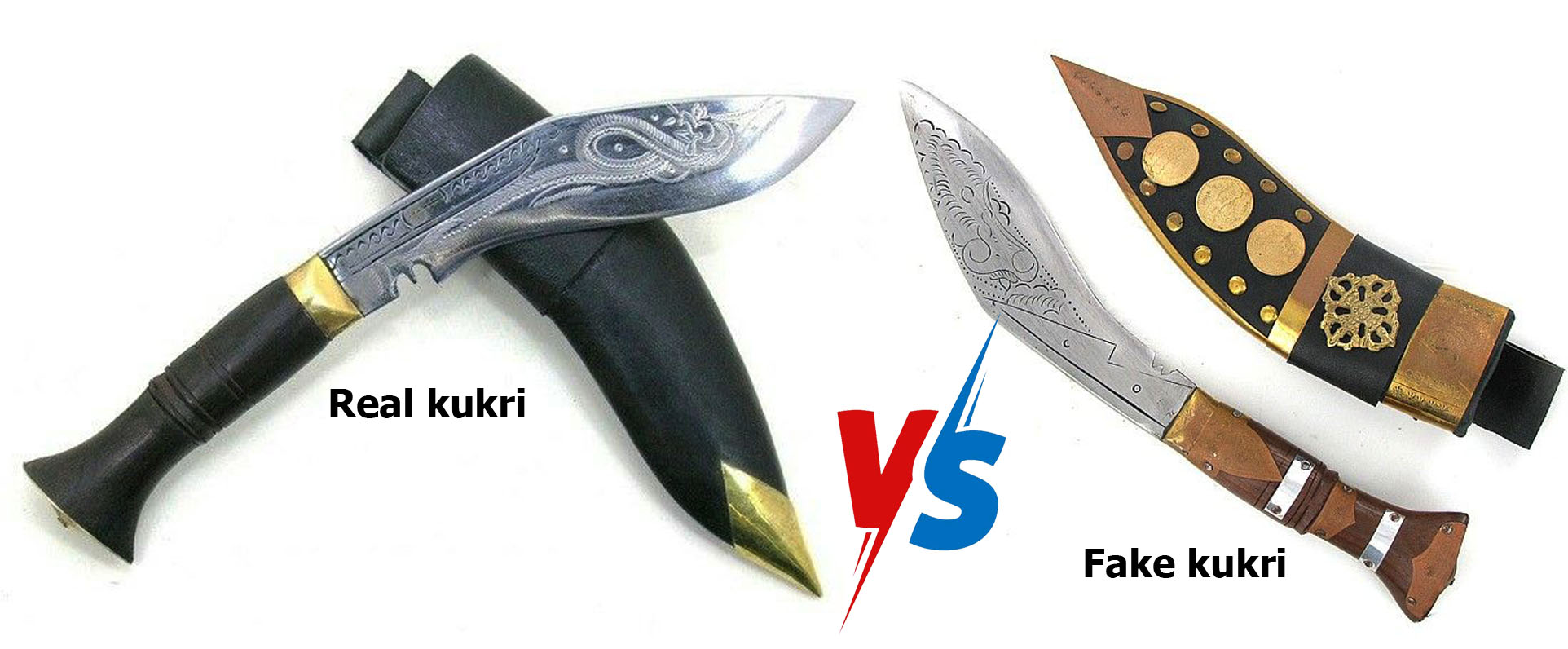
Real Khukuri vs Fake Kukri: Side-by-Side Comparison
| Feature | Real Khukuri (Kukri) | Fake / Imitation Kukri |
|---|---|---|
| Primary Purpose | Functional tool for real chopping and utility work | Decorative or display-focused |
| Steel Type | High-carbon steel suitable for hardening and tempering | Mild steel or unknown low-grade stainless |
| Heat Treatment | Properly hardened and tempered | Little or no real heat treatment |
| Edge Performance | Holds an edge and resists damage | Rolls, dents, or chips easily |
| Blade Geometry | Correct spine thickness with distal taper | Uniform or poorly shaped thickness |
| Finish | Functional finish, may show forge character | Overly polished or flashy |
| Notch (Cho / Kaudi) | Clean, deliberate, traditionally shaped | Messy, exaggerated, or purely decorative |
| Handle Construction | Secure, aligned, and structurally sound | Loose, misaligned, or weak tang |
| Balance & Feel | Lively, controlled, and forward-balanced | Feels dead, awkward, or overly heavy |
Carbon Steel, Heat Treatment, and Tempering
The combination of steel choice, hardening, and tempering is one of the clearest indicators of a genuine khukuri.
Carbon Steel in Genuine Khukuris
Most real khukuris are forged from carbon steel because it responds well to controlled heat treatment. After hardening, the blade is tempered to reduce brittleness while maintaining edge strength.
- Hardened edge for effective cutting
- Tempered body to absorb shock
- Reduced risk of cracking or chipping
- Predictable sharpening and maintenance
Low-Grade or “Normal” Steel in Fake Kukris
Imitation kukris often use soft mild steel or unknown stainless alloys. These blades are either not hardened at all or hardened without proper tempering.
- Edges bend or roll easily
- Over-hardened blades chip due to lack of tempering
- Marketing terms replace real metallurgical practice
Blade Geometry and Spine Thickness
A khukuri’s power comes from geometry, not just sharpness. Authentic blades feature thickness near the base and a gradual taper toward the tip.
- Strong spine supports chopping force
- Distal taper improves balance and control
- Consistent grinds reflect careful forging
Edge Line, Warp, and Overall Straightness
Hand-forged does not mean careless. Minor handmade character is normal, but excessive warping, uneven edges, or twisted blades indicate poor forging or improper heat treatment.
The Notch (Cho / Kaudi): Shape and Purpose
The notch near the base of the blade varies by tradition, but in real khukuris it is shaped deliberately and cleanly. Sloppy or exaggerated notches are common in decorative imitations.
Handle Construction and Alignment
A real khukuri should feel like a single, solid unit. The handle must align correctly with the blade spine and remain secure under use.
- No visible gaps at the bolster
- No movement or twisting
- Comfortable grip that supports control
Fixture Quality: Guard, Pommel, and Rivets
Functional fittings are tight and purposeful. Loose guards, thin pommels, or poorly finished rivets often indicate shortcuts throughout the build.
Weight, Balance, and Feel
Experienced users can often tell with a single lift. A real khukuri feels lively and controlled, with forward presence that supports cutting without feeling awkward.
Common Signs of Fake or Imitation Kukris
- Overly shiny or decorative appearance
- No explanation of heat treatment or tempering
- Soft or brittle edges
- Loose handles or fittings
- Focus on looks rather than function
Traditional Tests and Misconceptions
Rough tests such as throwing a kukri handle-first onto hard surfaces are unsafe and unreliable. Careful visual inspection, balance assessment, and understanding of tempering provide far better insight into blade quality.
Final Thoughts: Choosing a Khukuri You Can Trust
A real khukuri does not need to look fancy to prove its worth. Its quality is found in steel selection, proper hardening and tempering, correct geometry, and solid construction. Understanding these fundamentals allows buyers to avoid decorative imitations and choose blades built with honesty, skill, and purpose.