 Personalization on Forged Blades: How Engraving Adds Meaning to Blades
A forged blade is already a powerful creation of fire, steel, and craftsmanship. But when a sword, kukri, machete, or knife is personalized through engraving or etching, it becomes much more than a tool or collectible. Personalization transforms a blade into a story, a symbol, and a memory. From adding a name to engraving traditional motifs, every mark creates a lasting connection between the blade and its owner.
The History of Personalizing Blades
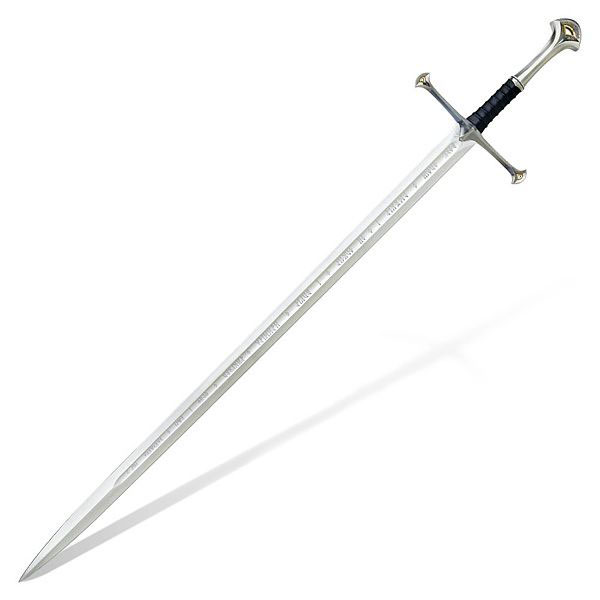
Personalization on blades is not a modern concept. Across cultures and centuries, warriors, leaders, and craftsmen have engraved their weapons for both symbolic and practical reasons. Medieval knights often had mottos or family crests etched on their swords, representing loyalty and heritage. In Nepal, kukris were sometimes engraved with traditional patterns or sacred symbols to invoke protection. Even simple knives carried the initials of their owners, ensuring identification in times of war or trade. These traditions reveal how personalization has always been about identity, pride, and meaning.
Why Personalization Matters
- Identity: Engravings such as names, initials, or dates establish ownership and personal connection.
- Symbolism: Motifs like flowers, religious signs, or cultural emblems add deeper layers of meaning.
- Memory: A personalized blade can commemorate milestones like weddings, retirements, or military service.
- Heirloom Value: Adding personalization ensures the blade can be passed down as a family treasure.
Types of Blades Commonly Personalized
Different forged blades carry unique cultural and practical significance, and personalization enhances each one:
- Swords: Often engraved with names, mottos, or ceremonial details, swords represent honor and leadership. A personalized sword can mark achievements or family heritage.
- Kukris: Nepal’s national blade, the kukri is both a warrior’s weapon and a cultural tool. Personalizing a kukri with patterns, war cries, or dates makes it a meaningful keepsake.
- Machetes: Known for their practicality, machetes are increasingly personalized for survivalists and collectors. Engravings add uniqueness to a blade built for heavy use.
- Knives: From hunting knives to bowies and chef knives, personalization transforms them from everyday tools into thoughtful gifts and heirlooms.
Methods of Personalization
Personalization can be done in several ways, each producing a different style and depth of meaning:
- Hand Engraving: Traditional and unique, done manually with precision tools. Each stroke reflects the smith’s craftsmanship.
- Etching: Acid or laser etching creates detailed designs, patterns, or texts on the blade’s surface.
- Stamping: Hot or cold stamping presses marks into the steel, often used for initials or maker’s marks.
- Decorative Inlays: Some blades feature personalized metal inlays of brass, copper, or silver, giving them ornamental value.
Cultural and Symbolic Engravings
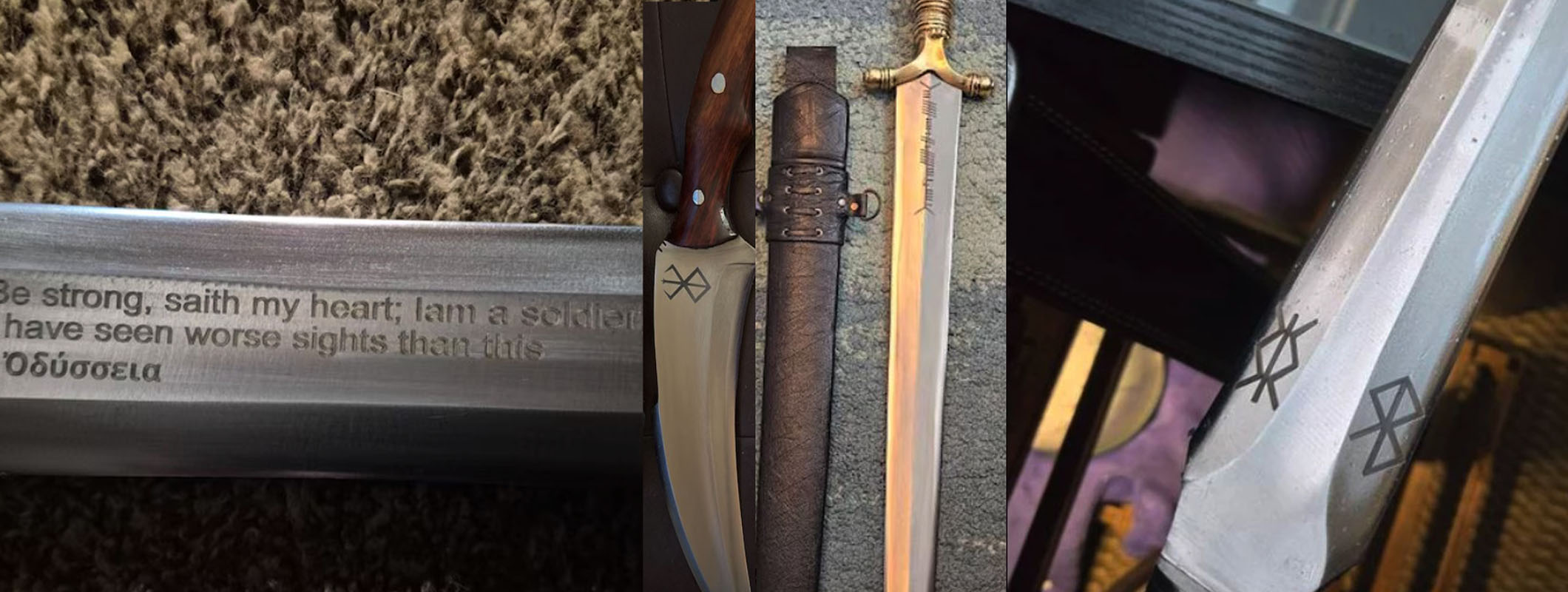
Personalization often reflects culture and tradition. In Nepal, kukris may feature the Gurkha war cry “Aayo Gorkhali,” or proverbs such as “It is better to die than be a coward.” European swords may carry mottos or religious inscriptions. Knives gifted at ceremonies may feature floral patterns or symbolic dates. These engravings are more than decoration—they represent values, blessings, and identity carried in steel.
Personalization as a Gift
A personalized blade makes a powerful gift. Whether it is a wedding, graduation, or retirement, adding a name or engraving ensures the gift is one-of-a-kind. Swords symbolize prestige, kukris carry cultural honor, machetes highlight utility, and knives represent practicality. Personalization adds emotional value, turning a forged blade into a lifelong reminder of the giver’s respect and thoughtfulness.
Modern Uses of Personalization
In today’s world, personalization extends beyond tradition. Collectors often request unique designs inspired by movies or fantasy. Survivalists ask for mottos or coordinates etched on machetes. Hunters prefer knives engraved with their names or family crests. Chefs may use personalized kitchen knives with etched logos. These modern uses show how personalization bridges heritage and contemporary lifestyles.
Advantages of Personalizing Forged Blades
- Uniqueness: No two personalized blades are alike.
- Gift Appeal: A personalized blade makes a memorable, thoughtful present.
- Heritage: Personalization ensures the blade remains a family heirloom.
- Value: Engravings and etchings enhance the cultural and financial value of forged blades.
Personalization Options on Everest Forge Products
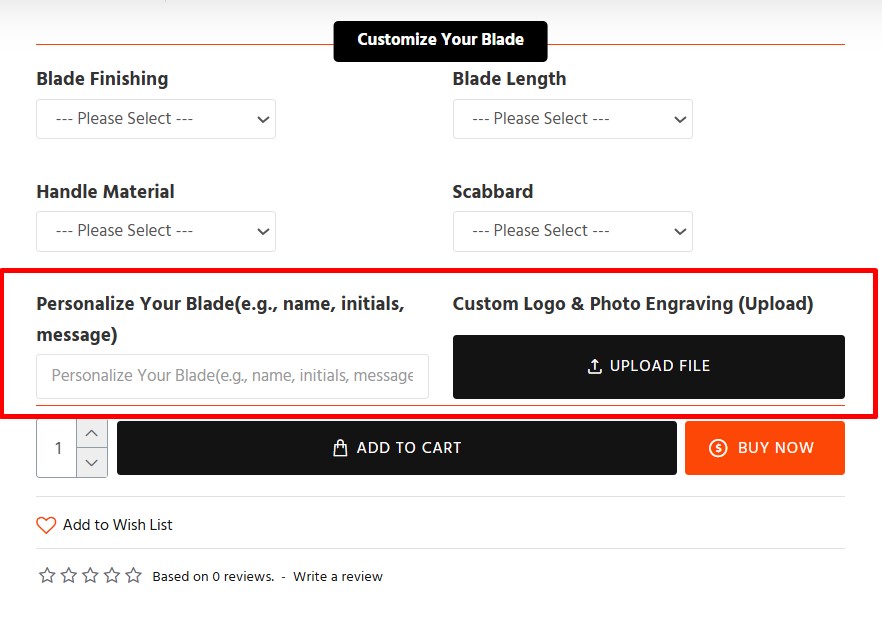
Every product page on Everest Forge includes an option for personalization or logo engraving. Customers can request any kind of customization on the blade, scabbard, or handle. Whether it is text, initials, quotes, or even a logo, engraving fields are available to ensure your blade is crafted exactly the way you want it. This feature makes each sword, kukri, knife, or machete not just a forged product, but a reflection of personal identity and style.
Buyer’s Guide to Personalizing a Blade
When planning personalization, consider these points:
- Purpose: Is the blade for display, practical use, or a ceremonial gift?
- Style of Engraving: Choose between hand engraving, etching, or stamping depending on detail and budget.
- Design: Decide on names, quotes, proverbs, dates, or cultural motifs.
- Placement: Engravings can be done on the blade, guard, handle, or even the scabbard.
- Material: High-carbon steels like 5160 respond well to etching and engraving, holding detail for years.
Why Personalization Enhances Forged Blades
A forged blade already carries the uniqueness of hand craftsmanship. Personalization deepens that uniqueness by making the blade part of an individual’s life story. It is the difference between owning a sword and owning your sword. It turns a kukri into a family legacy, a machete into a statement of resilience, and a knife into a personal symbol. By engraving, etching, or stamping, a forged blade evolves from steel into a piece of living history.
Conclusion
Personalization on forged blades is more than an art—it is a tradition that gives meaning to steel. From ancient warriors engraving mottos on their swords to modern collectors etching designs on kukris and knives, personalization ensures that blades are not just weapons or tools, but living symbols of honor, memory, and identity. With Everest Forge offering personalization and logo engraving on every product page, customers can request text, names, or even logos on blades, scabbards, or handles—turning every order into something truly unique.
Frequently Asked Questions
What types of blades can be personalized?
Swords, kukris, machetes, knives, and bowies can all be personalized through engraving, etching, or stamping.
Is personalization only decorative?
No. While personalization adds beauty, it also carries symbolic, cultural, and heirloom value, making blades more meaningful.
Can I engrave cultural or religious symbols on a blade?
Yes. Many blades are personalized with cultural motifs, family crests, or sacred symbols, honoring tradition and identity.
Does personalization affect blade strength?
When done properly, engraving or etching does not compromise the blade’s strength or functionality.
Does Everest Forge offer personalization?
Yes. Every product page on Everest Forge has a personalization option. You can request engraving on blades, scabbards, or handles, including text, initials, or logos.