The Role of Daggers in Medieval Warfare
During the Middle Ages, daggers were among the most important personal weapons carried by soldiers, knights, and civilians. From the 13th to the 16th centuries, these compact blades served as reliable sidearms when longer weapons such as swords, spears, or polearms became difficult to use in close combat.
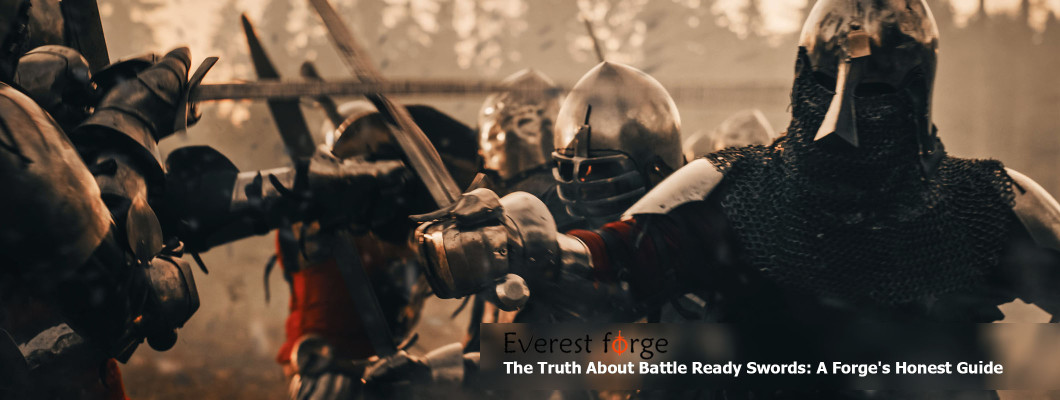
On the battlefield, the dagger often became the weapon of last resort. When fighters closed distance or grappled while wearing armor, a dagger allowed warriors to target vulnerable gaps such as the visor, armpits, joints, or neck openings. Because cutting through plate armor was nearly impossible, medieval daggers were designed primarily for strong thrusting attacks.
Beyond warfare, daggers were also commonly worn on the belt for everyday protection. Merchants, travelers, and townspeople carried them as practical tools and as personal defense weapons.
Key Features of Medieval Arming Daggers
Blade Design
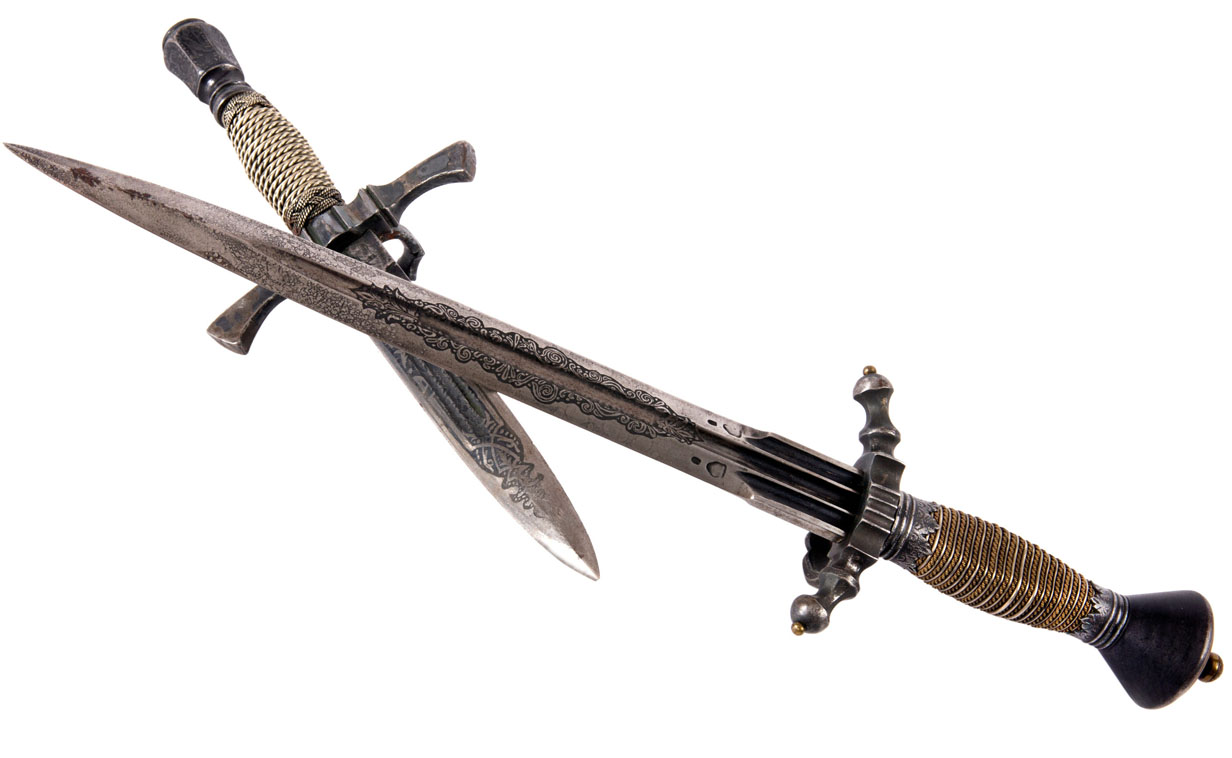
Medieval arming dagger blades were typically narrow, rigid, and sharply tapered. Most blades ranged from about 7 to 12 inches in length and were reinforced to withstand powerful thrusting attacks.
Common blade cross-sections included diamond, triangular, or reinforced central ridges. These shapes increased rigidity and allowed the blade to penetrate small openings in armor without bending.
Hilt and Guard
The hilt of a medieval dagger was designed for control and safety. Many daggers included straight or slightly curved crossguards, known as quillons, which protected the user's hand during combat.
Handles were commonly made from hardwood, horn, bone, or leather-wrapped grips. These materials provided durability and a secure hold even during intense fighting.
Pommel
The pommel balanced the dagger and secured the tang within the handle. Common designs included disc-shaped pommels, scent-stopper forms, and rounded metal caps. Some daggers also featured decorative elements reflecting the owner's status or wealth.
Famous Medieval Daggers
Across Europe and neighboring regions, different cultures developed distinctive dagger styles. Some were designed specifically for armored combat, while others served both military and everyday purposes.
Rondel Dagger
The Rondel Dagger is one of the most iconic daggers of the late medieval period, widely used during the 14th and 15th centuries. Its name comes from the distinctive round discs used for both the guard and pommel.
This design secured the hand during powerful thrusting attacks and prevented slipping. Rondel daggers were specifically designed to penetrate armor gaps, making them a favored weapon among knights and armored soldiers.
German SA Dagger
The German SA Dagger appeared much later in history but is frequently included in collections of historical daggers. It typically features a double-edged blade, straight crossguard, and wooden grip with metal fittings.
Unlike medieval combat daggers, this blade was largely ceremonial and symbolic. Many original examples contain inscriptions on the blade, making them historically significant artifacts.
Scottish Dirk
The Scottish Dirk is closely associated with the warriors of the Scottish Highlands. Though its most recognizable forms appeared in the 17th and 18th centuries, its design evolved from earlier medieval dagger traditions.
Scottish dirks feature long single-edged blades and elaborately carved wooden grips with decorative fittings. These daggers were capable of both cutting and thrusting, making them versatile close-combat weapons.
Baselard Medieval Dagger
The Baselard Dagger was widely carried across Europe between the 13th and 15th centuries. It is easily recognized by its distinctive H-shaped hilt created by the wide guard and pommel.
Baselard daggers were used by both soldiers and civilians. Their blade design allowed both cutting and thrusting, making them practical tools as well as effective weapons.
Bollock Dagger
The Bollock Dagger, sometimes called the Kidney Dagger, was widely used in England and northern Europe between the 13th and 16th centuries.
Its distinctive grip features two rounded lobes at the base of the blade. Although the shape appears unusual, it provides a secure grip and comfortable handling, making the dagger practical for both combat and everyday tasks.
Request a Custom Forged Arming Dagger
At Everest Forge, we specialize in creating hand forged blades inspired by historical weapons. If you are looking for a custom medieval arming dagger built to your specifications, our craftsmen can forge a unique blade tailored to your design.
You can request custom features such as blade length, fuller design, engraving, handle materials, guards, and scabbard styles. Each dagger is individually forged to ensure strength, balance, and historical character.
Request Custom ForgeThe Legacy of Medieval Daggers
Medieval daggers played a crucial role in both warfare and everyday life. Though smaller than swords, they were extremely effective weapons when combat moved into close quarters.
Today, historical dagger designs such as the rondel dagger, baselard dagger, and bollock dagger continue to inspire collectors, reenactors, and bladesmiths. Their practical design and historical significance make them some of the most fascinating blades of the medieval world.
For enthusiasts interested in historical weapons and custom craftsmanship, the medieval arming dagger remains a powerful symbol of skill, practicality, and the warrior culture of the Middle Ages.