Legendary Swords of Islamic History
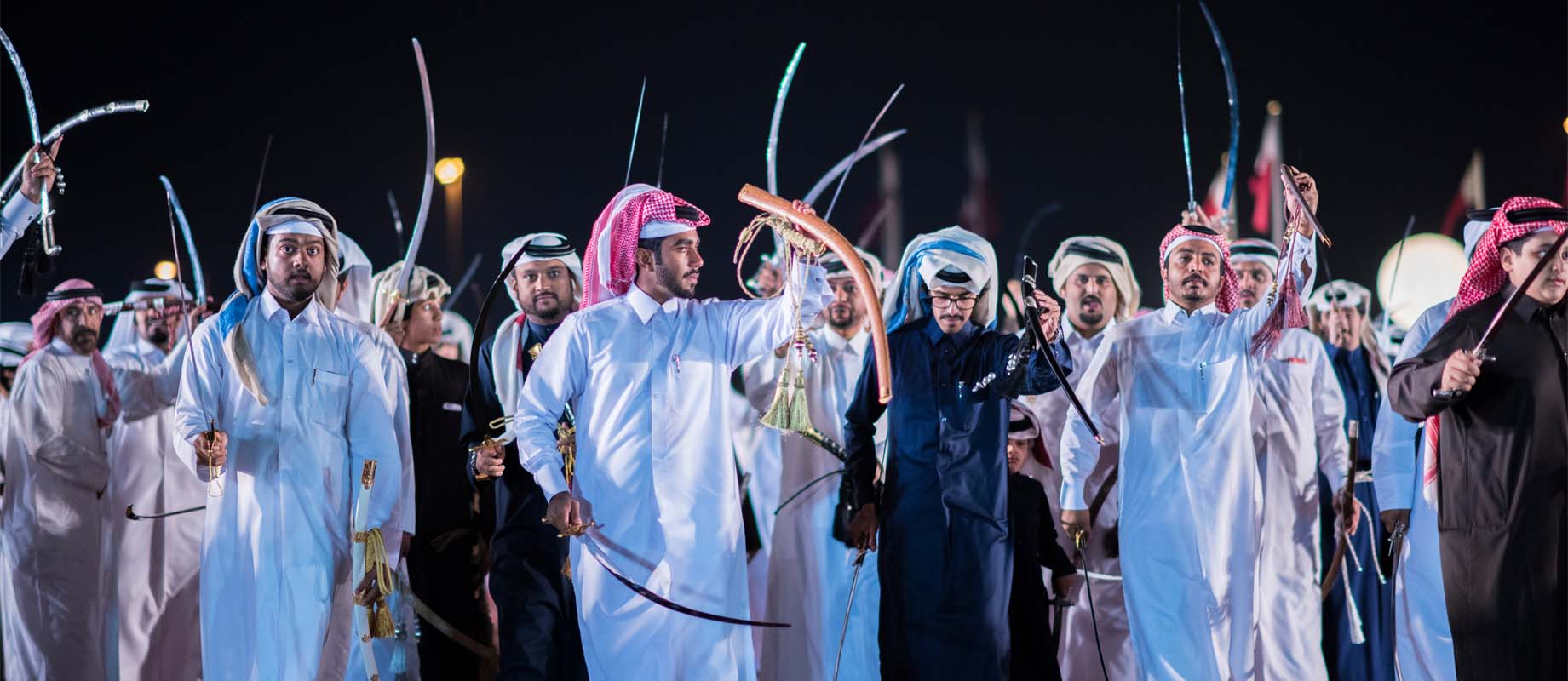
Throughout Islamic history, swords have held a place far beyond their role as battlefield weapons. In the early centuries of Islam, a sword symbolized courage, leadership, protection of the community, and the responsibility carried by warriors and rulers. Many swords became legendary because of the individuals who carried them and the historic events they were connected to.
Several famous swords are traditionally associated with Prophet Muhammad and the earliest Muslim community. Historical texts preserved the names of these blades, and later Islamic dynasties safeguarded them as relics of great cultural and spiritual significance. Other swords became powerful symbols of imperial authority during the rise of Islamic empires such as the Ottomans.
For historians and collectors today, these swords provide valuable insight into the martial traditions of the Islamic world and the evolution of sword craftsmanship in the Middle East. Below are ten of the most legendary swords remembered in Islamic history.
Zulfiqar Sword (Dhu al-Faqar)
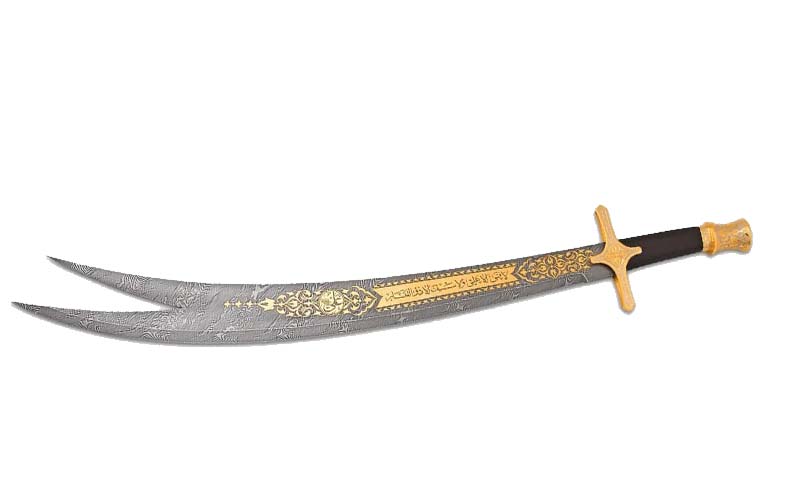
The Zulfiqar Sword is the most famous blade associated with Islamic history and is closely linked with Ali ibn Abi Talib, the cousin and son-in-law of Prophet Muhammad. According to traditional accounts, the sword originally belonged to the Prophet and was later given to Ali during the Battle of Uhud. Ali’s courage and battlefield leadership soon made the weapon legendary.
The sword is widely depicted with a distinctive forked or split tip. While historians debate whether the original blade truly had this shape, the design became deeply rooted in Islamic art, calligraphy, and symbolism. The image of Zulfiqar appears in many historical manuscripts and cultural representations of Islamic warriors.
A famous phrase connected to the sword states: “There is no hero except Ali, and there is no sword except Zulfiqar.” Over centuries, this weapon came to represent justice, strength, and the moral courage expected of a warrior.
Al-Ma'thur Sword
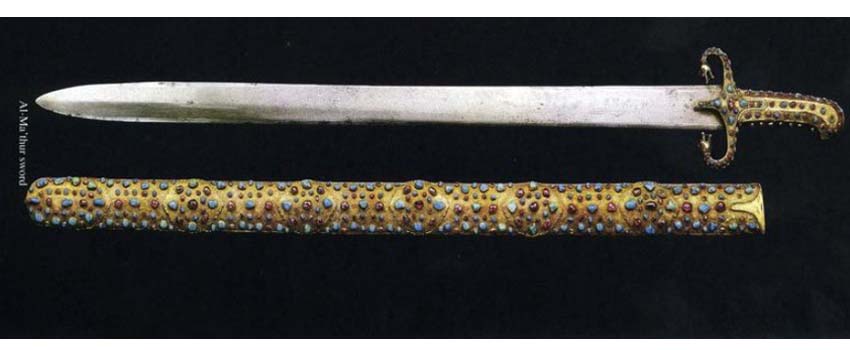
The Al-Ma'thur Sword is believed to be the earliest sword owned by Prophet Muhammad. Historical tradition suggests the blade was inherited from his father Abdullah before the beginning of the Prophet’s mission. Because of this connection, the weapon is often associated with the Prophet’s early life in Mecca.
The sword likely resembled typical Arabian blades of the period. Early Middle Eastern swords were generally straight, double-edged weapons designed for both cutting and thrusting. These blades were practical and durable tools used by tribal warriors throughout the Arabian Peninsula.
Some historical sources mention inscriptions engraved on the blade, although the exact details differ among accounts. Regardless of its exact appearance, Al-Ma'thur remains an important sword in Islamic historical tradition.
Al-Battar Sword
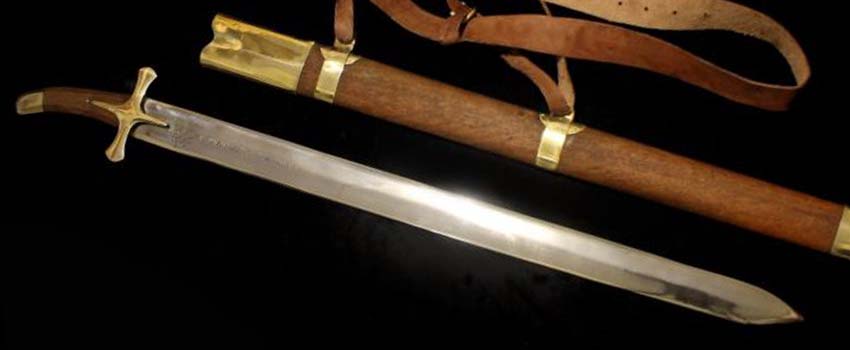
The Al-Battar Sword is another weapon traditionally associated with Prophet Muhammad. Its name is sometimes translated as “The Chopper,” suggesting a blade designed for powerful cutting strikes. Historical tradition links the sword to events in Medina during the early development of the Muslim community.
Legends surrounding the Al-Battar Sword grew over time. Some traditions claim the blade carried engravings of the names of earlier prophets such as David, Moses, and Solomon. Because of these stories, it was occasionally called the “Sword of the Prophets.”
Although historians cannot verify every detail connected with the sword, it remains one of the most frequently mentioned weapons in lists describing the Prophet’s armory.
Al-Adb Sword
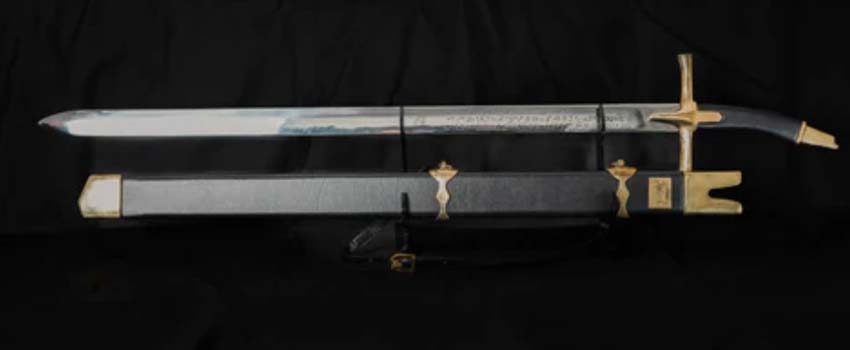
The Al-Adb Sword, meaning “The Sharp,” was reportedly a blade gifted to Prophet Muhammad. Historical sources sometimes connect the sword with the time surrounding the Battle of Badr, one of the earliest and most decisive victories for the Muslim community.
Swords used in seventh-century Arabia were generally straightforward in design. They prioritized strength, balance, and reliability rather than elaborate decoration. A blade such as Al-Adb would have been carried for real combat rather than ceremony.
Because of its connection with the early battles of Islam, the Al-Adb Sword remains an important part of the historical record describing the weapons of the Prophet.
Ar-Rasub Sword
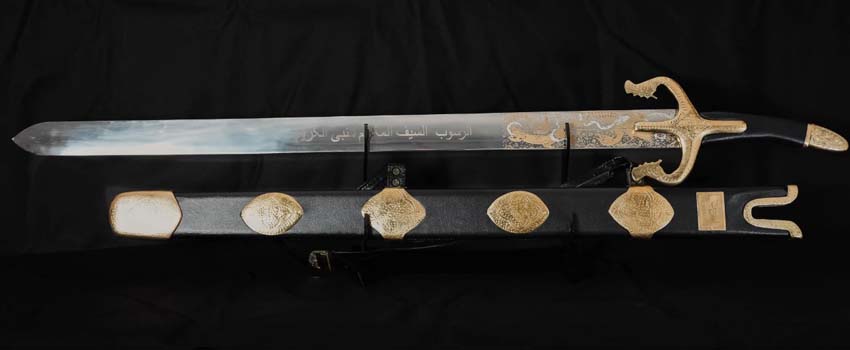
The Ar-Rasub Sword appears in classical Islamic lists describing the weapons attributed to Prophet Muhammad. Compared with more famous blades like Zulfiqar, fewer details about this sword survive in historical texts.
Despite the limited descriptions, Ar-Rasub is important because it demonstrates that several named swords were preserved in Islamic historical memory. Early historians carefully recorded these names to maintain a connection with the formative period of Islam.
As a result, the Ar-Rasub Sword remains part of the traditional record of prophetic weapons and contributes to the broader understanding of early Islamic military culture.
Hatf Sword
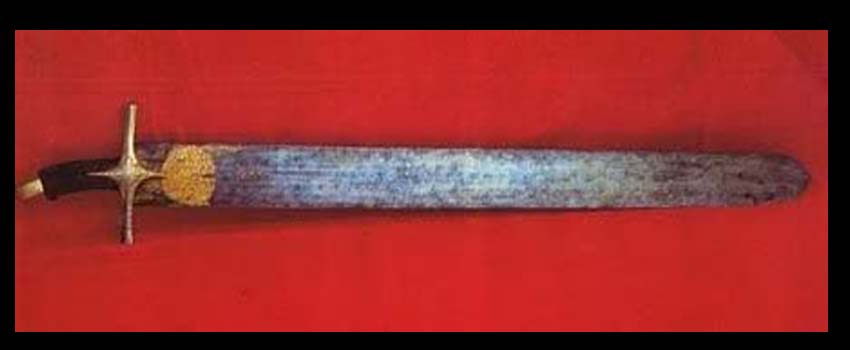
The Hatf Sword is another blade traditionally associated with Prophet Muhammad. Some historical sources suggest the weapon may have been connected symbolically with the famous Zulfiqar Sword, although scholars debate the exact relationship.
Like several swords mentioned in early Islamic texts, Hatf later became part of relic collections preserved by Islamic rulers. These weapons were treated with great respect and often safeguarded as important historical artifacts.
Even though detailed descriptions of the blade are rare, Hatf remains part of the legendary group of swords remembered in Islamic tradition.
Qal'i Sword
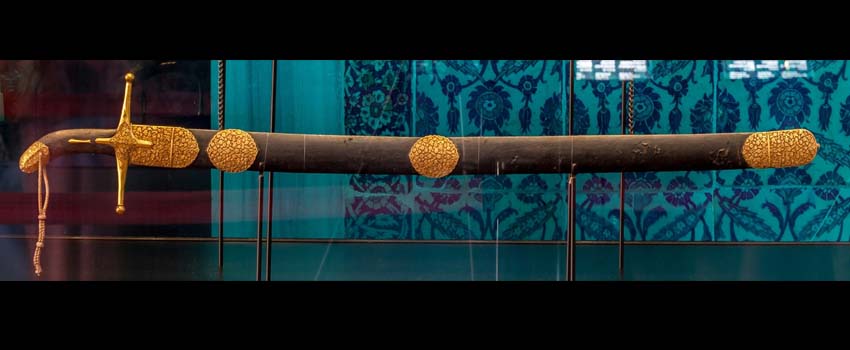
The Qal'i Sword is believed to have been named after the region where it was forged. Some historians suggest the name refers to an area known for producing high-quality metalwork and blades.
Early Arabian swords such as Qal'i were typically designed for practical battlefield use. Straight blades allowed warriors to both slash and thrust effectively during combat. These weapons were widely used throughout the Middle East during the early Islamic period.
Although detailed historical descriptions are limited, Qal'i continues to appear in lists of swords traditionally attributed to Prophet Muhammad.
Al-Mikhdham Sword
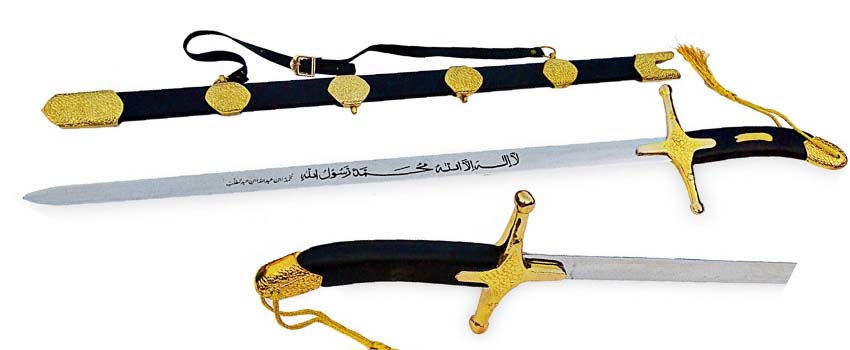
The Al-Mikhdham Sword is another blade associated with Prophet Muhammad in classical Islamic texts. Like several other swords on this list, it appears in historical records cataloging the weapons believed to have belonged to the Prophet.
Historians generally assume the blade would have resembled other practical Arabian swords of the seventh century. These weapons were forged primarily for durability and balance, allowing warriors to rely on them during prolonged campaigns.
Although the details of its appearance remain uncertain, the Al-Mikhdham Sword remains an important part of the historical tradition surrounding early Islamic arms.
Al-Qadib Sword
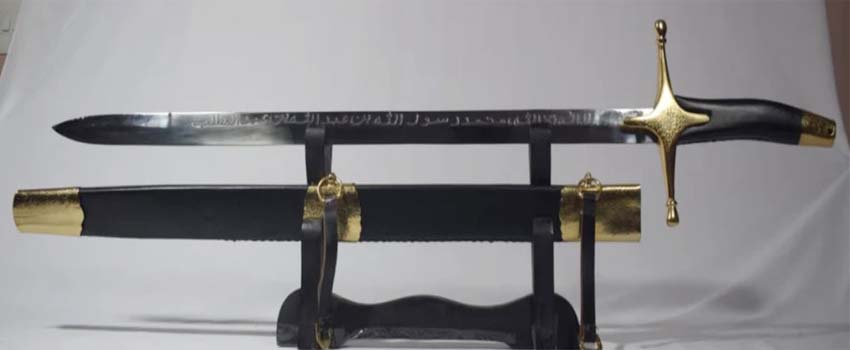
The Al-Qadib Sword is described in historical sources as a slender and lightweight blade. Unlike heavier battlefield weapons, it may have served as a personal sidearm or ceremonial weapon carried by the Prophet.
Lightweight swords were easier to carry during travel and daily life while still providing protection if needed. These blades often reflected a simpler style consistent with early Arabian sword traditions.
Although smaller than many other swords in Islamic historical records, Al-Qadib remains part of the traditional list of prophetic weapons.
Sword of Osman
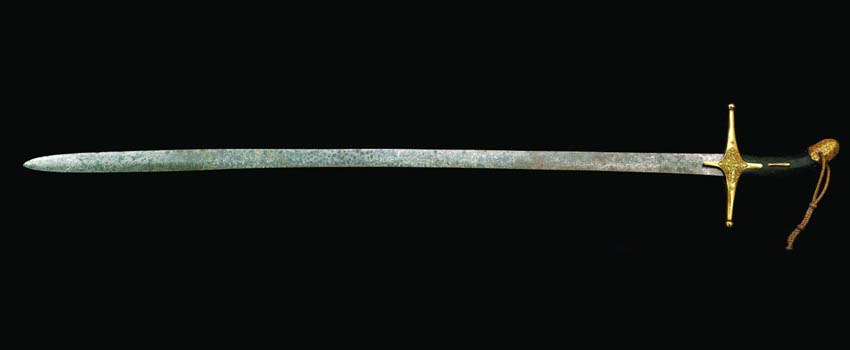
The Sword of Osman represents a later period of Islamic history. It is associated with Osman I, the founder of the Ottoman Empire, and became a powerful symbol of Ottoman sovereignty.
During the coronation ceremony of Ottoman sultans, the new ruler would be girded with the Sword of Osman. This ritual symbolized authority, legitimacy, and the continuation of the Ottoman dynasty. The ceremony was comparable in importance to the crowning of European monarchs.
For centuries the sword remained one of the most important ceremonial objects in the Ottoman Empire and a symbol of imperial power.
The Historical Legacy of Islamic Swords
Legendary swords occupy a special place in Islamic history and cultural heritage. They symbolize courage, leadership, and the martial traditions that shaped the early Muslim world. Some of these swords are believed to survive today in museum collections, while others are remembered through historical texts and cultural tradition.
For historians, collectors, and modern bladesmiths, these weapons represent a connection to the past. Their stories continue to inspire the study of historical sword design and the preservation of traditional craftsmanship throughout the world.
Request a Custom Replica Islamic Sword
Many legendary Islamic swords such as Zulfiqar, Al-Battar, and Al-Adb are remembered through history and tradition. At Everest Forge, we specialize in crafting hand-forged historical blades inspired by legendary weapons from different cultures and eras.
If you are looking for a custom replica Islamic sword, our bladesmiths can forge a piece based on historical inspiration or your own design specifications. Each sword is carefully crafted using traditional forging techniques and durable high-carbon steel.
20 Legendary Royal Swords in History and Mythology
Throughout history, swords have symbolized power, leadership, and destiny. From the legendary Excalibur of King Arthur to the imperial sword of Charlemagne and the sacred blades of ancient empires, royal swords have played an important role in the stories of kings and heroes.
In this detailed guide, explore twenty of the most famous swords connected to rulers, mythology, and historic empires across the world.