
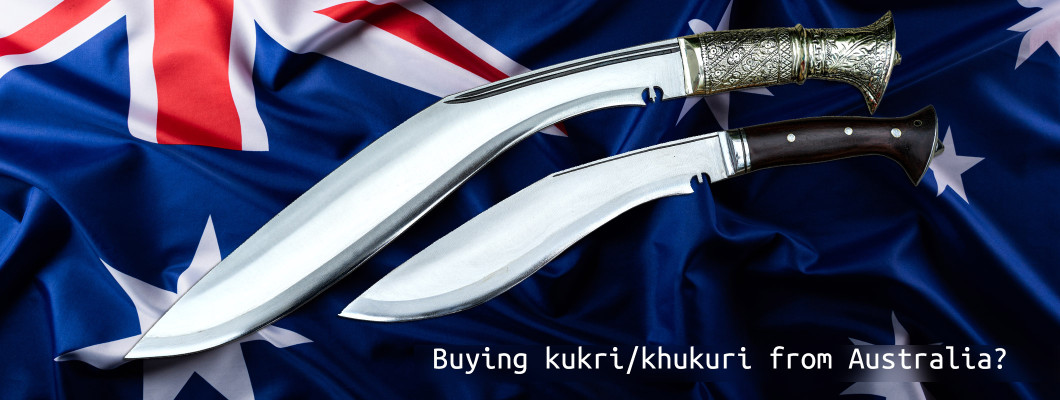
Kukri Buying Guide for Australian Enthusiasts
The kukri or khukuri is one of the most iconic and versatile knives in the world. Known for its distinctive inward-curved blade, this traditional Nepalese blade is famous for its use by the Gurkhas. For Australians who enjoy bushcraft, outdoor tools, or knife collecting, the kukri is a powerful and historically rich option worth considering. This guide covers everything you need to know before buying a kukri in Australia, including design, use, craftsmanship, legal considerations, and maintenance.
What is a Kukri
The kukri is a curved blade knife used both as a weapon and a utility tool. It is widely recognized for its chopping ability and cultural significance in Nepal. The shape allows for powerful cuts with minimal force, making it ideal for clearing brush, chopping wood, and other outdoor tasks. It is also a respected symbol in Nepalese culture and tradition. Learn more about kukri history, types, and design →
History and Cultural Significance
The kukri has deep cultural roots in Nepal, especially among the Gurkha soldiers. It represents courage, loyalty, and honor. Historically, it served both as a weapon in battle and as a tool in everyday life. Today, it remains a national symbol of Nepal and is often used in rituals, ceremonies, and as a symbol of protection.
Understanding the Kukri's Design
Blade
The blade has a signature inward curve and varies in size depending on the intended use. Common blade lengths range from 10 to 15 inches. Some larger versions are ceremonial, while others are practical tools.
Handle
Handles are usually made from hardwood or buffalo horn. Modern kukris may also use bone, micarta, or composite materials. A full tang handle provides better balance and strength for heavy-duty use.
Sheath
Traditional sheaths are wooden cores wrapped in leather and often include two smaller tools — the karda (small utility knife) and chakmak (sharpening tool). A well-fitted sheath is important for safe storage and carrying.
Why Australians Buy Kukris
Australians appreciate kukris for their strength and functionality. Whether for bushcraft, survival, camping, or collecting, kukris offer a blend of craftsmanship and performance. Their uniqueness also makes them attractive for collectors and enthusiasts interested in blades with a story and history.
Choosing the Right Kukri
Define Your Purpose
For outdoor use, look for a full-tang, forged blade with a durable sheath. If you're buying for collection, focus on design details, authenticity, and origin.
Blade Length
Smaller blades (10 to 12 inches) are good for general utility. Medium blades (13 to 15 inches) are better for heavy chopping. Longer blades (16 inches or more) are often ceremonial or used for heavy-duty tasks.
Materials and Build Quality
High carbon steel such as 5160 spring steel is preferred for its toughness and edge retention. Choose a comfortable, well-shaped handle and a quality sheath for long-term use.
Customization Options
Many sellers offer engraving, modified guards, or custom handle materials. Custom kukris are great for gifts or personal collections.
Shop Hand-Forged Kukris by Use Case
Every kukri at Everest Forge is hand-forged in Kathmandu by our team of Kami blacksmiths using 5160 high-carbon spring steel. We ship to Australia via DDP service — local Australian carrier tracking, no GST surprises, no customs hassle. Every blade is forged to your specification with free personalisation included.
Are Kukris Legal in Australia
Ownership
Yes, owning a kukri is legal in all Australian states and territories if kept for lawful purposes such as collecting, camping, or display at home.
Carrying in Public
You are not allowed to carry a kukri or any fixed-blade knife in public without a lawful excuse. Acceptable reasons may include bushwalking, working on a farm, or participating in a cultural event. Always carry proof of purpose when traveling with your kukri.
State-by-State Laws
Laws vary by state. New South Wales, Victoria, Queensland, and others generally allow ownership but prohibit public carrying without justification. Check your local laws for specific conditions and exemptions.
Importing a Kukri
Importing kukris into Australia is allowed as long as the knife is not disguised or spring-loaded. Buy only from reputable sources that comply with Australian customs regulations. Everest Forge ships to Australia using DDP (Delivered Duty Paid) service — we handle all customs clearance and import duties on your behalf, so there are no surprises at the door.
Where to Buy Kukris in Australia
Direct from a Nepalese Forge — Made-to-Order with Personalisation
For genuine hand-forged kukris with your own personalisation and full control over the specification, the best option is to order direct from a Nepalese forge that ships to Australia. Everest Forge is owned by Deepak Sunar — a member of the Kami caste, the hereditary blacksmithing caste of Nepal — and our kukris have been supplied to the British Gurkha Army, the Nepal Army, and Nepal Police. Every blade is hand-forged to order in Kathmandu using 5160 high-carbon spring steel, with free personalisation on every blade and photo approval before shipping so you see your finished kukri before it leaves the workshop. Orders ship to Australia via DDP (Delivered Duty Paid) service — all GST and customs duties handled, local Australian carrier tracking, and Adelaide-based returns through our registered Australian business.
Australian Stock Depots
A small number of Nepalese forges operate ready-to-ship stock depots within Australia. These offer faster delivery on a limited inventory of pre-made blades — typically with no customisation, personalisation, or modification available. They suit buyers who want a stock-standard kukri quickly and don't need their own engraving or specification.
Marketplace Platforms
Amazon and eBay list kukris from various sellers, but quality and authenticity vary widely. Many listed kukris are mass-produced replicas with stainless steel blades and rat-tail tangs that fail under real use. Always check reviews, country of origin, and steel specifications before purchasing.
Physical Knife Stores
Some specialty knife stores in Australia carry kukris. Visiting in person allows you to inspect the build, balance, and fit before buying — though selection is usually limited and rarely includes traditional Nepalese hand-forged designs.
Knife Expos and Trade Shows
Events like knife shows or survival expos are useful for meeting blade makers, viewing different models, and learning more from experts. They occasionally offer limited edition or custom kukris.
How to Care for Your Kukri
Cleaning
After use, wipe the blade with a dry cloth. Apply a light coat of oil to prevent rust. Avoid leaving it wet or dirty for long periods.
Sharpening
Use a sharpening stone and maintain the blade's original angle. Regular sharpening improves performance and prolongs the life of the edge.
Storage
Store your kukri in its sheath in a dry place. Avoid humidity and moisture, which can lead to corrosion. Consider using a silica pack or dehumidifier in your storage area.
Collecting Kukris in Australia
What to Look For
Collectors often look for antique kukris, military models, or those with historical inscriptions. Authenticity is key, so choose blades with known provenance or marks from reputable forges.
Building a Collection
Some collectors focus on certain eras or regions. Others prefer ceremonial kukris or battle-used models. Forums, communities, and knife expos can help you expand your knowledge and find rare pieces.
Conclusion
The kukri is more than just a tool. It is a historical and cultural symbol with unmatched functionality. Whether you're an outdoor enthusiast, a martial arts practitioner, or a collector, the kukri offers lasting value. By understanding its features, uses, and legal guidelines in Australia, you can confidently choose a kukri that suits your needs. Always buy from trusted sources and follow proper safety and maintenance practices to enjoy your blade for years to come.
Browse the Full Everest Forge Kukri Range
Twelve kukri categories, every blade hand-forged in Kathmandu, every order shipped to Australia DDP with no GST surprises. From current-issue military khukuri to ceremonial Kothimora — the complete range of authentic Nepalese kukris.
Buying a Kukri in Australia — Frequently Asked Questions
Are kukris legal to own in Australia?
Yes. Owning a kukri is legal in all Australian states and territories for lawful purposes — collecting, camping, bushcraft, display, or cultural use. Public carry rules differ by state and require a lawful excuse, so check your local laws before carrying outside the home.
How do you ship kukris to Australia?
We ship to Australia using DDP (Delivered Duty Paid) service. This means all import duties, GST, and customs clearance are handled before your kukri is dispatched — you don't deal with customs, you don't pay surprise charges at the door, and you don't have packages held up at the border. You receive a local Australian carrier tracking number once the package transfers to the domestic carrier, so it tracks like any other Australian delivery.
Will I have to pay GST or customs charges separately?
No. With our DDP service, all GST, import duties, and customs charges are included in the price you pay at checkout. There are no extra fees on delivery and nothing additional to pay to Australian customs.
How long does delivery to Australia take?
Each kukri is hand-forged to order, not pulled from stock. Typical timeline: 5–7 days for forging in Kathmandu, plus 5–7 days for shipping and Australian local delivery. Total order-to-doorstep is usually around 10–14 days. The slightly longer timeline versus stock-depot shipping is the trade-off for getting a kukri forged to your specification with personalisation.
What if I'm not happy with my kukri or need to return it?
We offer a full refund if you're not happy. Photo approval before shipping is designed to prevent this from ever happening — but if something isn't right when it arrives, returns are easy because Everest Forge has a registered business in Adelaide, South Australia. Returns go to a local Australian address, not back to Nepal. Just contact us and we'll arrange it.
What is "photo approval before shipping"?
Once your kukri is fully forged and finished, we send you photos of the actual blade — your blade — before it ships. You see exactly what's been made, including any personalisation. Only after you confirm you're happy do we hand it to the shipping carrier. No surprises on delivery.
Can I personalise or engrave my kukri?
Yes — and personalisation is free on every kukri we forge. You can request a name, initials, date, regimental mark, or a short phrase. Just include your engraving request in the order notes. Because every kukri is forged to order, personalisation is built in from the start, not added later. For more elaborate decorative work, see our etched and engraved kukri collection.
What's the best kukri for Australian bushcraft and camping?
For Australian outdoor conditions — clearing scrub, light wood chopping, camp work — a full-tang 10–14" working kukri in 5160 carbon steel is the right choice. Browse our working khukuri collection or hybrid combat & survival kukris for the best bushcraft options.
Do you offer custom kukri forging for Australian customers?
Yes — we forge custom kukris to your exact specification: blade length, steel type, handle material, scabbard, engraving, and finish. See full options, examples, and pricing on our Custom Forge page. Custom orders ship to Australia DDP the same way as standard orders.
How much does a quality kukri cost?
A functional, hand-forged kukri typically costs between USD $130 and $200. Smaller EDC models start around $80, while large custom or decorative pieces can exceed $600. See our full kukri price guide for a detailed breakdown by type.
Ready to Order Your Hand-Forged Kukri to Australia?
Everest Forge is owned by Deepak Sunar — a member of the Kami caste, the hereditary blacksmithing caste of Nepal. Our kukris have been supplied to the British Gurkha Army, the Nepal Army, and Nepal Police. Every blade is individually hand-forged by 10 skilled Kami blacksmiths in Kathmandu using 5160 high-carbon spring steel and traditional water-tempering methods. Read about how we forge each kukri by hand.
For Australian customers, every order includes:
- DDP shipping to Australia — all GST, customs, and import duties handled by us
- Local Australian carrier tracking — tracks like any domestic Australian delivery
- Adelaide-based returns — registered Australian business address, not back to Nepal
- Free personalisation — engraving on every blade at no extra cost
- Photo approval before shipping — see your finished blade before it leaves the workshop
- Hand-forged to your specification — your length, your handle, your engraving
- Secure checkout via Stripe — protected international payments
- 30-day guarantee — full refund if you're not happy
Leave a Comment