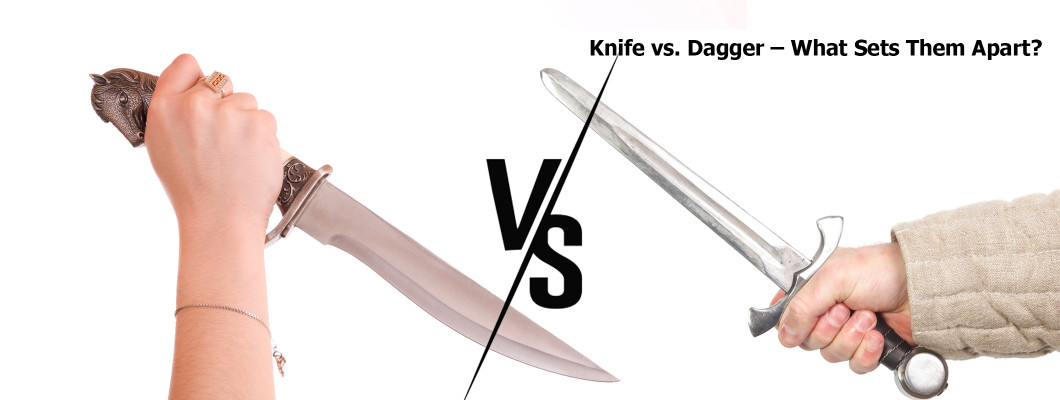
Knife vs. Dagger – What Sets Them Apart?
Although knives and daggers may look similar at first glance, their roles, craftsmanship, and symbolism tell very different stories. Both are ancient blades forged for human hands — one built for daily survival and work, the other for combat and precision. Understanding what sets them apart reveals how form and function shape the soul of every forged edge.
Purpose and Function
Knives are the most versatile blades ever created. Used for cooking, hunting, survival, or tactical work, a knife’s design focuses on practicality — slicing, carving, chopping, or cutting. From finely crafted chef’s knives to rugged forged knives used outdoors, they embody craftsmanship and adaptability.
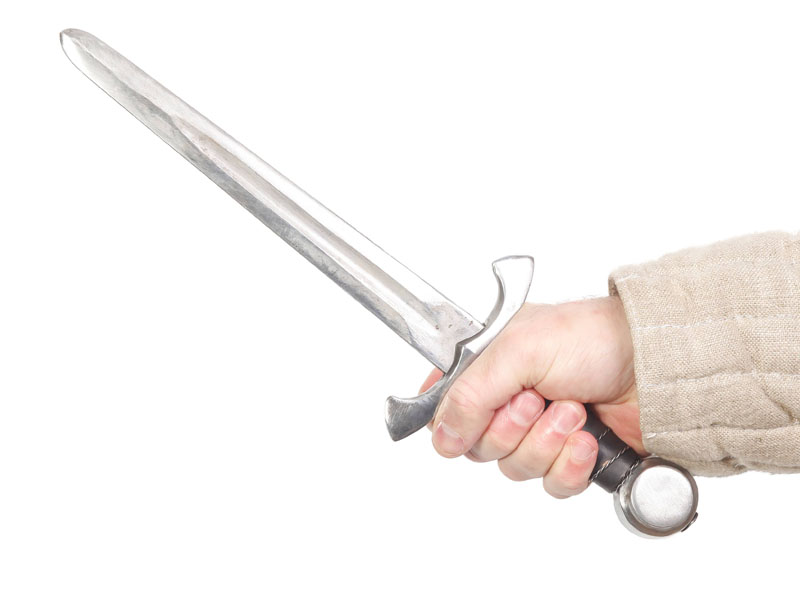
Daggers, by contrast, were never meant to cut or carve. They are weapons of precision — double-edged, symmetrical, and made for thrusting. In ancient battlefields, they symbolized bravery, skill, and personal honor. A dagger is not a utility tool but a deliberate instrument of defense and combat.
Blade Design and Edge Geometry
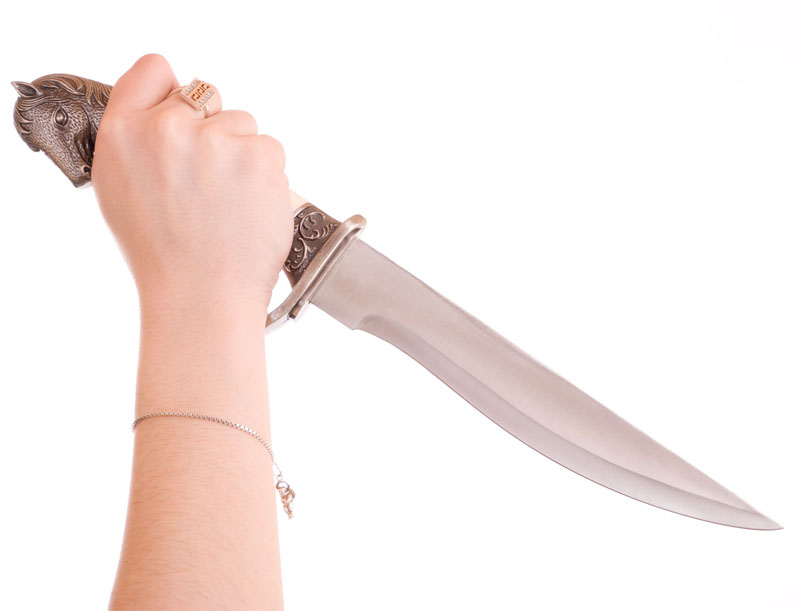
The easiest way to tell them apart is by looking at their blade. A knife usually has a single sharpened edge with a strong spine for control and pressure. Some tactical knives may include a partial false edge, but they are still designed for utility. To learn more about knife types and their applications, see our Types of Hunting Knives Guide.
A dagger always features a double-edged symmetrical blade that tapers to a fine point. This geometry allows thrusting from both directions with minimal resistance. A central ridge or fuller gives balance and structural strength. For an overview of historical and cultural dagger designs, visit Types of Daggers Around the World.
Handle and Guard Design
Knives feature diverse handles — from wooden and bone grips to synthetic tactical materials. Many knives have minimal or no guard since they’re meant for slicing and control. Their handles are designed for comfort, not combat.
Daggers almost always include a crossguard or quillon to protect the user’s hand during thrusting. The handle and pommel are often symmetrical, creating balance and precision. This alignment is what gives a dagger its stability and effectiveness in close combat.
Symmetry and Balance
One of the most distinct differences lies in symmetry. Knives are asymmetrical, with one edge sharpened and the other flat, optimized for cutting. Daggers, on the other hand, are symmetrical and evenly balanced — designed for piercing rather than slicing. Their construction focuses on precision and penetration rather than versatility.
Types and Application
Knives exist in endless variations — Bowie , hunting, folding, survival, and kitchen knives, each with a specific role. They are tools of utility and reliability, favored by craftsmen, adventurers, and professionals. Explore our range of hand-forged knives crafted for durability and performance.
Daggers are primarily made for martial or ceremonial use. From the Scottish dirk to the Indian katar, each carries its own cultural legacy. Our collection of hand-forged daggers continues this heritage, blending traditional artistry with modern forging techniques.
Historical and Cultural Significance
Knives have always represented practicality and survival. They built shelters, prepared food, and shaped civilizations. As humanity’s first crafted tool, the knife is a symbol of adaptability and skill.
Daggers symbolize loyalty, power, and valor. From Roman soldiers’ pugios to Nepalese kardas, they were marks of rank, ritual, or defense. Even today, the dagger remains an enduring emblem of courage and craftsmanship.
Legal and Practical Considerations
In most countries, knives are classified as tools and legal to own, though restrictions may apply to blade length or public carry. Daggers are considered weapons in many regions and may require permits or be restricted entirely. Always check your local laws before owning or carrying any edged weapon or tool.
Conclusion
Both knives and daggers reflect the evolution of human craftsmanship. The knife is the craftsman’s tool — adaptable, essential, and creative. The dagger is the warrior’s companion — symmetrical, disciplined, and purposeful. Together, they define two sides of human ingenuity: one born from necessity, the other from battle and honor.
FAQs
What is the difference between a knife and a dagger?
A knife usually has one sharpened edge and is used as a cutting tool, while a dagger has a double-edged symmetrical blade made for stabbing and combat.
Can a knife be used as a dagger?
Some tactical knives feature partial double edges, but their design still prioritizes cutting rather than thrusting. Daggers are purpose-built weapons with balance optimized for stabbing.
Why are daggers double-edged?
The double edge allows a dagger to pierce efficiently in both directions, providing better penetration in combat. This symmetry also gives the weapon balance and strength.
Are daggers legal to own?
In many countries, daggers are classified as weapons and regulated more strictly than knives. Ownership laws vary, so it’s important to verify local weapon regulations before purchasing or carrying one.

Read the full guide on hunting knife types here → Types of Hunting Knives Explained: A Complete Guide for Hunters and Outdoorsmen

Explore our global dagger guide here → Types of Daggers Around the World: A Comprehensive Overview