Italy holds a special place in the history of edged weapons. Few regions show such a clear progression in sword development, from the disciplined sidearms of the Roman legions to the refined civilian blades of the Renaissance. Italian sword design was never random. Each form emerged from a real need, whether that meant tighter infantry combat, cavalry reach, civilian self-defense, battlefield dominance, or dueling precision.
For collectors, historians, reenactors, and buyers looking for a functional hand forged sword, Italian blades still matter because they combine practical design with deep historical identity. Many of the most admired custom swords on the market today draw from Roman, Venetian, and Renaissance Italian forms. If you are searching for an Italian sword for sale, a Roman gladius replica, a custom rapier, or a battle ready historical sword, understanding these types helps you choose a blade with real purpose behind it.
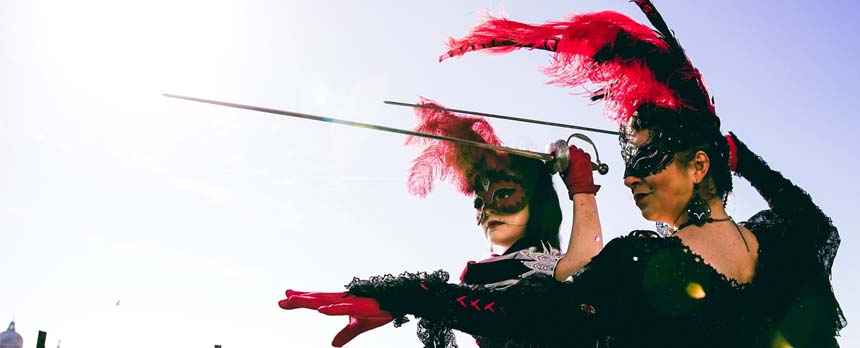
During the famous Carnival of Venice, masks and historical costumes reflect Italy’s deep cultural heritage. While modern celebrations are symbolic, they echo a time when identity, status, and even weapons were closely tied to social life.
The Importance of Italian Swords in European Weapon History
Italian swords were shaped by some of the most influential military and cultural changes in Europe. Ancient Rome established one of the most effective military systems in the ancient world, and its sword designs reflected that discipline. Later, the Italian city-states helped shape fencing theory, dueling culture, and civilian sword use in ways that influenced all of Europe.
This gives Italian swords an unusually broad historical range. They are not limited to a single period or style. Instead, they include short stabbing swords, long cavalry blades, civilian sidearms, basket-hilted military weapons, elegant thrusting swords, and large battlefield two-handers. For a modern buyer, that means the Italian sword tradition offers something for nearly every taste, whether the goal is collecting, display, historical study, or commissioning a custom forged sword inspired by authentic forms.
Looking for a Custom Italian Sword?
If you want a hand forged Italian sword inspired by Roman, Renaissance, or Venetian designs, Everest Forge can help bring your concept to life. We create custom swords based on historical references, blade profiles, guard styles, engraving ideas, and functional preferences.
Roman Gladius
The Roman gladius remains one of the most influential swords ever made. It was not a weapon designed for dramatic individual combat. It was built for disciplined formation fighting. Used by Roman legionaries, the gladius featured a relatively short, double-edged blade intended mainly for thrusting at close range from behind the protection of a large shield.
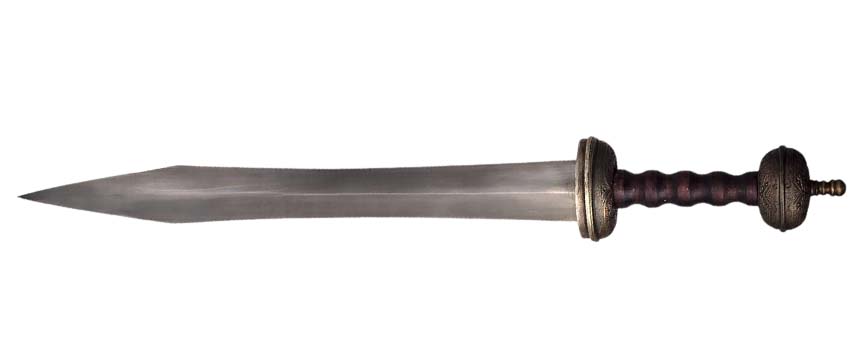
Its design reflects the logic of Roman warfare. In dense infantry lines, a short sword was more effective than a longer weapon that required wider cutting motions. The gladius could be drawn quickly, controlled easily, and used with brutal efficiency in confined combat. Different gladius patterns existed, including Mainz, Fulham, and Pompeii forms, but all shared the same essential purpose: controlled, lethal effectiveness.
For today’s buyer, the Roman gladius remains one of the most desirable historical sword styles because it is compact, iconic, and strongly tied to one of history’s greatest military powers. A hand forged gladius replica or custom Roman sword appeals to collectors who value both historical meaning and practical handling.
Spatha
The spatha developed later in the Roman world and gradually replaced the gladius. It featured a longer blade and gave the user more reach, making it especially suitable for cavalry. Over time, it also became more common among infantry, especially as Roman warfare adapted to changing battlefield conditions.
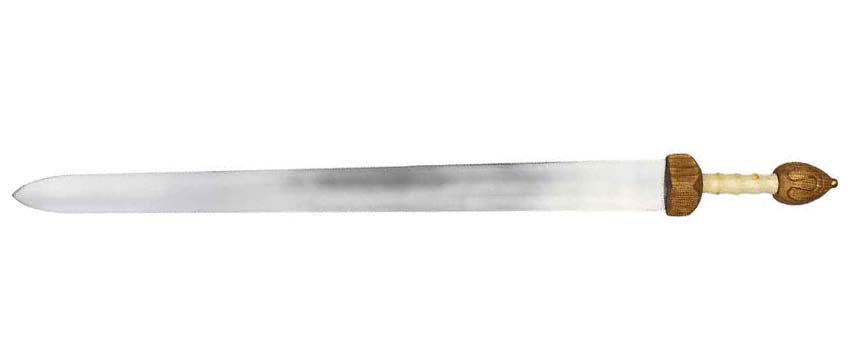
Historically, the spatha is important because it bridges the gap between Roman swords and the medieval European sword tradition. Its longer proportions made it more versatile in open combat, allowing for both effective cuts and thrusts. This shift toward a longer blade signals a broader change in military practice, mobility, and battlefield spacing.
For modern enthusiasts, the spatha offers a compelling alternative to the gladius. It carries Roman roots but has the feel of an early knightly sword. Buyers looking for a Roman cavalry sword, migration-era sword, or custom historical long blade often find the spatha especially appealing.
Cinquedea
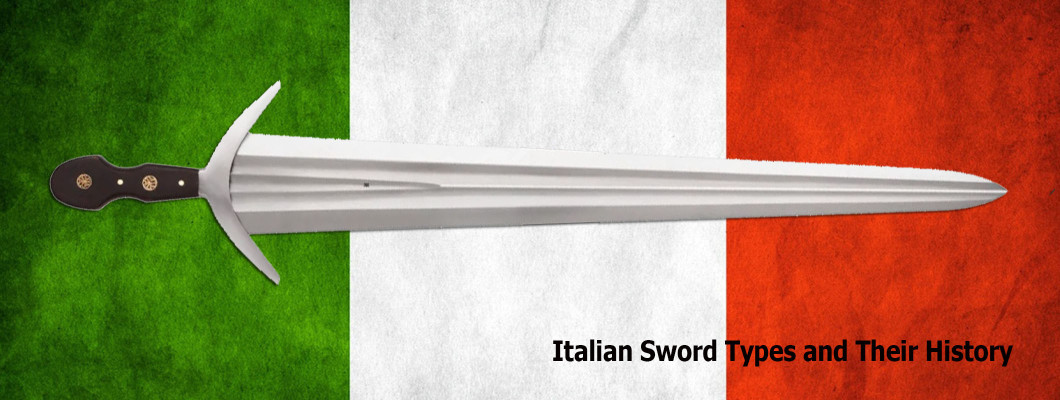
The cinquedea is one of the most visually distinctive Italian blades. Its name refers to the width of the blade near the hilt, roughly the breadth of five fingers. Unlike a purely military sword, the cinquedea was closely associated with Renaissance civilian life, especially among urban elites in northern Italy.
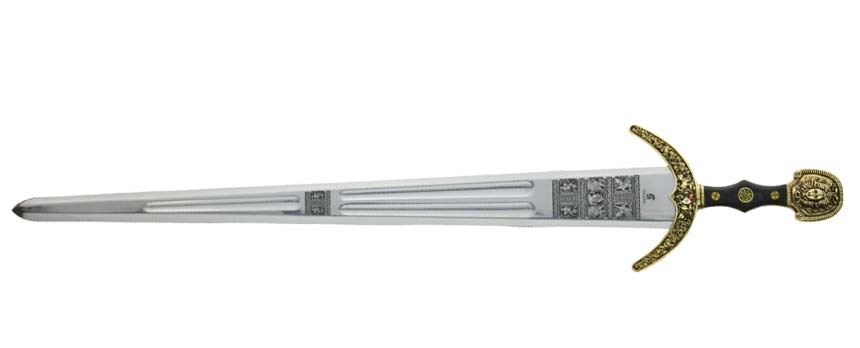
Its broad, sharply tapered blade gave it real cutting potential at short range, but surviving examples also show detailed decoration, classical engraving, and elegant craftsmanship. This makes the cinquedea more than just a weapon. It is also a cultural object, reflecting a world where carrying a sword could express education, status, taste, and identity.
Today, the cinquedea attracts buyers who want something unusual but historically grounded. It stands out among Renaissance swords for its wide blade profile and unmistakable silhouette. A custom forged cinquedea can appeal to collectors who want a rare Italian sword type rather than a more common medieval or Roman pattern.
Italian Rapier
The Italian rapier represents one of the most important shifts in the history of swordsmanship. This was not a battlefield sword in the ancient sense. It was a civilian weapon, shaped by dueling culture, personal defense, and the development of highly sophisticated fencing systems.
With its long, slender blade and complex protective hilt, the rapier was optimized for thrusting. Italian fencing masters transformed its use into a disciplined martial art, emphasizing distance, timing, line, and point control. The weapon itself reflects that world. The blade was designed not for hacking power, but for speed, precision, and measured intent.
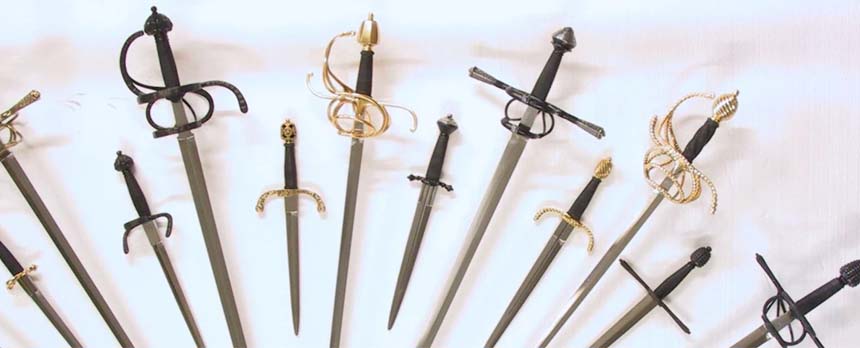
For modern buyers, the rapier remains one of the most sought-after Italian swords because it carries elegance, historical prestige, and unmistakable visual appeal. If someone is looking for a Renaissance sword, a dueling sword replica, or a custom rapier for collection or display, this is often the first Italian style that comes to mind.
Schiavona
The schiavona is closely associated with the Venetian Republic and stands apart for its practical military character. It typically features a broad blade and a distinctive basket hilt that provides substantial hand protection. Compared with the rapier, it feels more robust, more forgiving, and more directly tied to battlefield conditions.
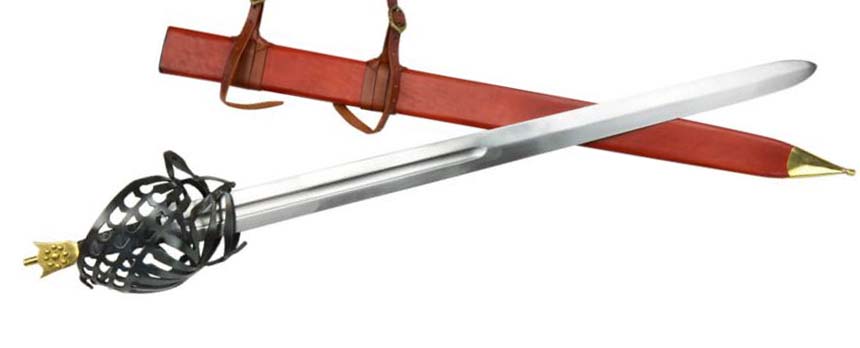
The schiavona shows that Italian sword history was not only about elegance and dueling theory. Venice relied on effective military force, and this sword reflects that reality. It combines cutting ability with defensive security, making it a highly functional weapon in the hands of a trained soldier.
For modern sword buyers, the schiavona offers something unique. It is historical, battle-oriented, and visually powerful without being overdecorated. A hand forged schiavona or Venetian sword replica is an excellent option for anyone drawn to basket-hilt swords with real historical weight behind them.
Stiletto
The stiletto is much smaller than the other Italian blades in this article, but it remains historically important because it shows how specialized sword and dagger design had become by the Renaissance. Long, narrow, and sharply pointed, the stiletto was created almost entirely for thrusting.
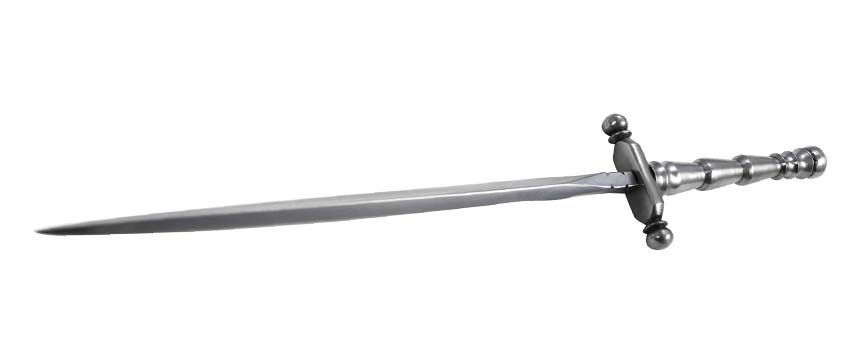
It was not intended for broad cuts. Its purpose was penetration, especially in close-range encounters. Because it could be concealed easily, it became associated with private defense, political violence, and the darker side of urban life in Renaissance Italy. That reputation has followed it for centuries.
From a collector’s perspective, the stiletto offers a different kind of appeal. It is refined, dangerous in appearance, and deeply tied to Italian history. Buyers interested in Renaissance daggers, concealed historical blades, or custom stilettos often choose it for its distinctive profile and strong cultural associations.
Spadone
The spadone, or Italian greatsword, represents the larger and more forceful end of the Italian sword tradition. This was a two-handed weapon built for trained fighters who needed reach, cutting authority, and battlefield control. It was not an everyday sidearm. It was a weapon of presence and purpose.
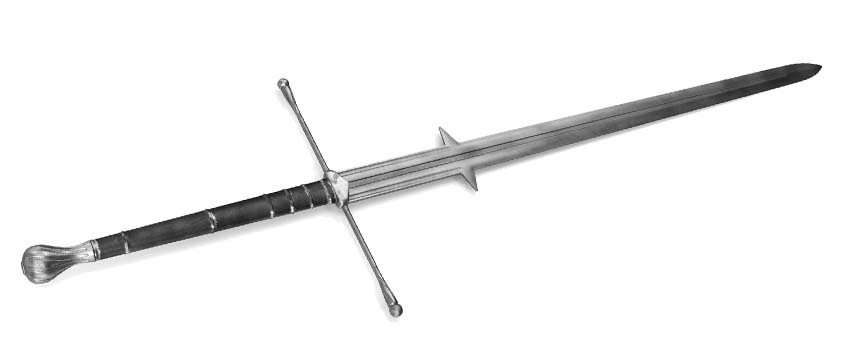
Large swords like the spadone required both strength and skill, but they were not just about raw power. Their handling also involved spacing, leverage, and tactical control. In the right hands, such a sword could dominate a physical area and disrupt opponents before they could close effectively.
For the modern market, the spadone appeals to buyers who want a large hand forged sword with historical credibility. It suits collectors drawn to greatswords, two-handed swords, and statement pieces that still reflect real martial design rather than fantasy exaggeration.
Explore Hand Forged Swords
If you are comparing Italian sword styles and want to see more functional handmade blades, explore our full sword collection. We offer hand forged historical swords, custom designs, battle ready pieces, and collector-focused blades made with attention to balance, detail, and real-world use.
How Italian Sword Design Evolved
One of the most revealing things about Italian sword history is that its evolution was driven by use rather than fashion alone. The gladius fit the needs of tightly packed Roman infantry. The spatha expanded reach as cavalry and more open fighting became more important. The rapier responded to civilian self-defense and dueling culture. The schiavona answered military demands for durability and hand protection.
That pattern matters because it explains why these swords still feel relevant. They were not designed as abstract symbols. They were practical answers to real combat conditions. This is one reason modern sword makers continue to study historical Italian forms. Their proportions, balance, and blade geometry still make sense.
Why Italian Swords Still Attract Modern Buyers
Italian swords continue to attract collectors and buyers because they offer a rare combination of historical depth, strong visual identity, and practical design logic. A gladius speaks to Roman military history. A rapier carries the legacy of Renaissance fencing. A schiavona reflects the military strength of Venice. Each one offers more than appearance. Each one tells a story through form.
For people buying a historical sword today, that matters. Many want more than a decorative object. They want a sword with lineage, purpose, and a design rooted in actual use. That is exactly why Italian sword types remain so appealing in the modern market.
Whether someone is searching for a custom Roman sword, a hand forged rapier, a Renaissance Italian sword replica, or a battle ready Venetian-inspired blade, these forms continue to provide strong foundations for both collecting and commissioning.
A Tradition That Still Shapes Modern Sword Making
Italian sword making did not disappear with the past. Its influence survives in modern fencing theory, museum study, historical martial arts, and custom forging. When a modern smith creates a gladius-inspired short sword or a rapier with historically informed proportions, that work continues a long tradition rather than simply imitating it.
That is what gives Italian swords their lasting power. They belong to history, but they are not trapped in it. Their design principles still matter because they were built on function, tested through use, and refined across centuries.
For collectors, researchers, and serious buyers, Italian swords remain among the most meaningful blades in European weapon history. They are elegant where needed, practical where required, and historically rich in every form.
Want a Sword Based on Historical Italian Designs?
At Everest Forge, we create hand forged swords inspired by real historical forms, including Roman swords, Renaissance blades, and custom collector pieces. If you have a reference image, museum inspiration, or your own concept, we can work with you to create a functional custom sword with the character and details you want.