Is a Kukri a Knife, Machete, or Sword? A Complete Guide to the Kukri (Khukuri) Knife
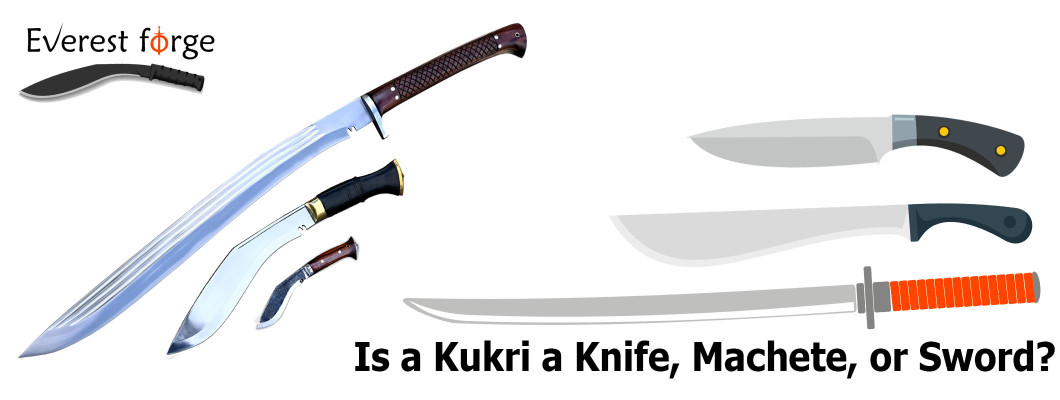
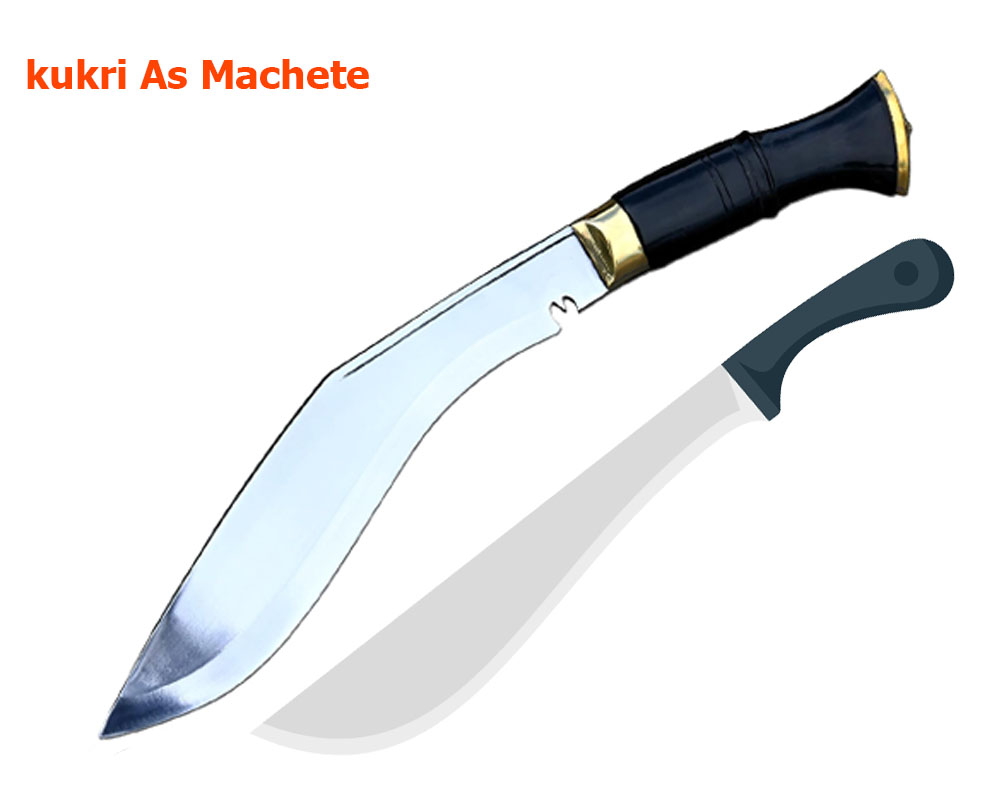
The kukri—or khukuri as it’s traditionally written—is one of those blades that immediately grabs attention. The curve, the weight, the way it moves in the hand… it naturally makes people ask: Is it a knife? A machete? Or some sort of short sword?
What makes the kukri so interesting is that it doesn’t fit neatly into just one category. At its core, it’s a knife. But depending on the size and the purpose, it can take on the roles of a machete and even a small sword. That flexibility is part of what made it such an important tool in Nepalese daily life—and such an iconic weapon in the hands of Gurkha soldiers.
If you want to dive deeper into the heritage and history behind this blade, you can explore the full Kukri Information Page.
What Exactly Is a Kukri (Khukuri)?
The kukri didn’t start its life as a weapon. In rural Nepal, it was a household essential—a tool for farm work, clearing land, cutting wood, preparing food, and doing all the small jobs a family needed done. Over time, its usefulness made it the blade of choice for the Gurkhas, and eventually it became recognized as the National Knife of Nepal.
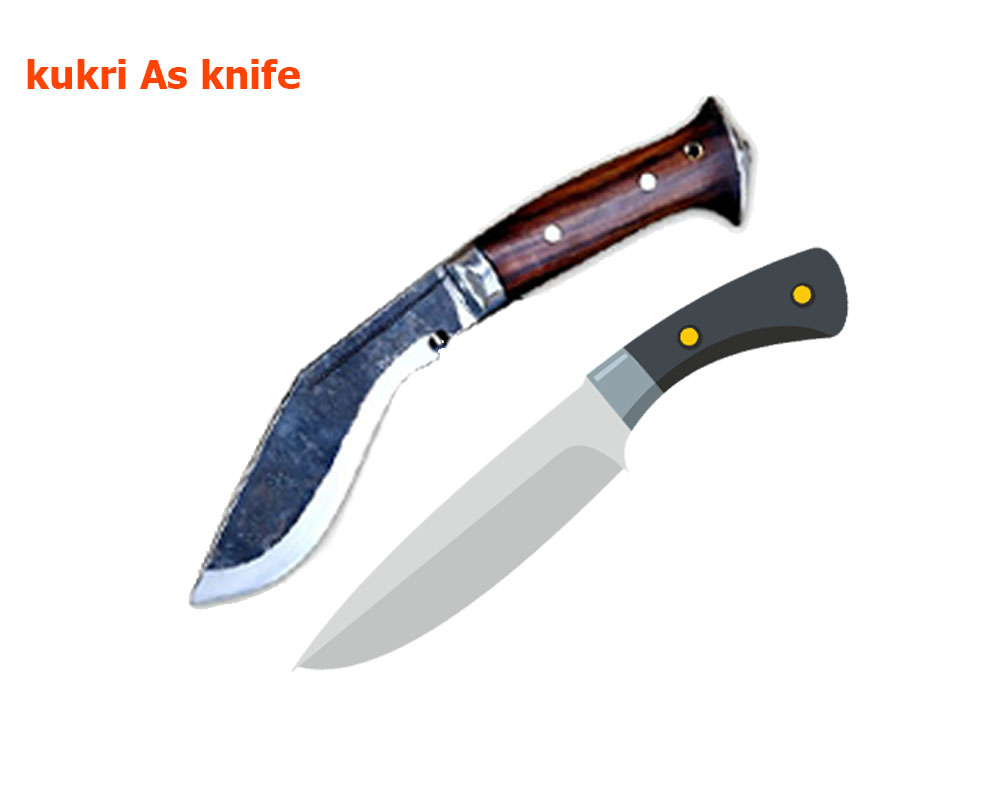
Even though some kukris can be quite large, they’re still treated as knives. In Nepalese culture, there’s no confusion—whether it’s 8 inches or 20 inches, a kukri is a kukri knife.
If you’re curious about genuine working kukris, you can browse the full selection here: Authentic Khukuri / Kukri Blades.
Why a Kukri Is Considered a Knife
Despite its chopping strength and intimidating shape, a kukri is still a knife at heart. It’s designed to be used with one hand, carried on the belt, and relied on for both big and small tasks. That blend of practicality is what defines a knife, not a sword.
Around Nepal, you’ll see people using their kukri for everything from cutting bamboo to peeling fruit. Even in the military, the Gurkhas officially list it as a knife—not a sword—because it’s compact, reliable, and versatile.
The kukri’s ability to handle fine cutting and heavy chopping in the same blade is uncommon in the knife world, and that’s exactly why people value it so highly.
Why a Kukri Behaves Like a Machete
Now, here’s where things get interesting. While the kukri is classified as a knife, it performs many of the same jobs a machete normally would. That forward-curved blade gives it extra power when chopping, almost acting like a weighted axe head built into a knife.
Because of that, a kukri is perfect for:
- Clearing brush and jungle trails
- Processing firewood
- Cutting branches and bamboo
- Outdoor survival tasks
- General camp work
Many people who spend time outdoors actually prefer a kukri over a traditional straight machete because it bites deeper and wastes less effort.
Can a Kukri Be Considered a Sword?
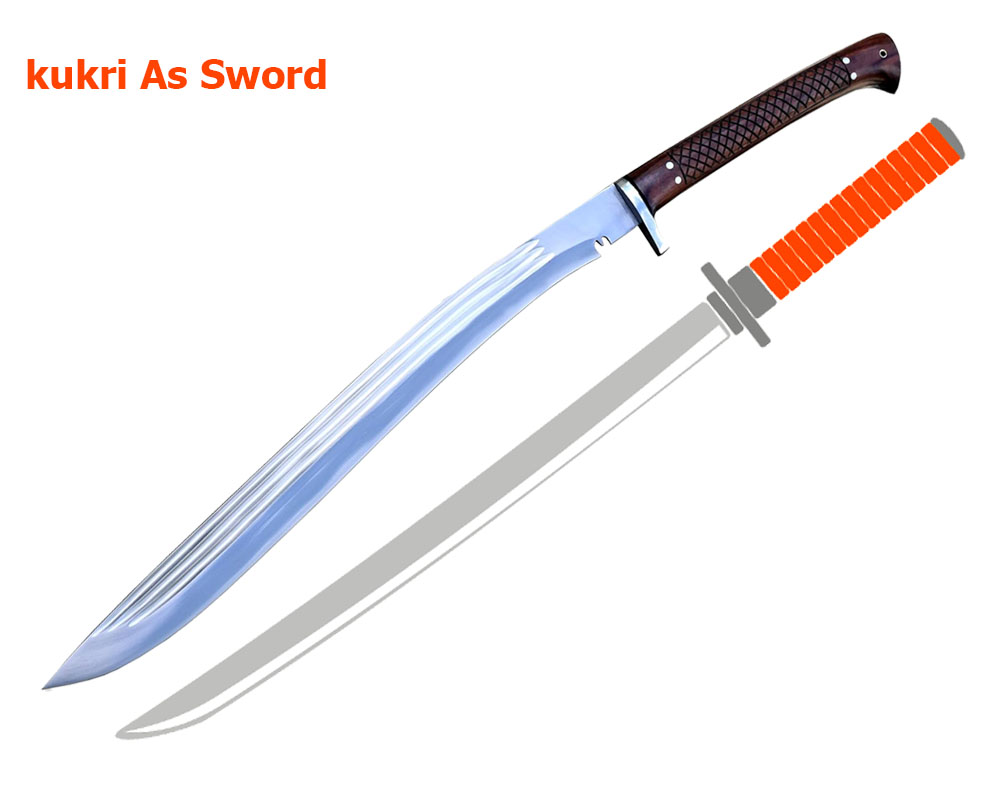
Some kukris, especially certain sirupate or ceremonial styles, stretch into much longer lengths—sometimes reaching 18 to 25 inches. When you pick up one of these long kukris, it’s easy to see why people compare them to short swords. They have the reach, the presence, and the cutting ability to match.
If you want to see kukris that border on sword territory, take a look at: Kukri Sword-Style Blades.
Even so, in Nepal, these long versions are still called kukris. The name isn’t about length—it’s about the shape, the curve, and the heritage behind it.
Why the Kukri Is Considered a Hybrid Blade
The kukri is unique because it fills multiple roles without losing its identity. It can carve, slice, chop, split, and defend—all in one form. Very few blades are that adaptable.
If you had to break it down simply:
- It’s a knife by definition and tradition.
- It works like a machete when clearing and chopping.
- It can behave like a short sword in its longer forms.
That combination is rare, and it’s one of the main reasons the kukri became famous worldwide.
Kukri Size Guide: How Size Changes Its Purpose
Small Kukris (5–10 inches)
Great for carving, kitchen use, hunting tasks, and detailed work. These behave like true utility knives.
Medium Kukris (10–14 inches)
The most versatile size—excellent for chopping wood, clearing brush, and general outdoor use. These perform the closest to machetes.
Large Kukris (15–20+ inches)
More reach and more cutting power. These feel the most sword-like and were historically used in battle and ceremonial roles.
Why the Kukri Knife Works So Well
The kukri’s strength comes from its shape. The curve pushes the weight toward the front of the blade, which gives every swing more force. The thick spine adds durability, and the angle lets you use it for both slicing and chopping without switching tools.
In practical terms, one kukri can often take the place of a machete, hatchet, and standard knife—all at once. That’s why it’s so popular among survivalists and traditional craftsmen alike.
Conclusion
So, is the kukri a knife, a machete, or a sword?
The simplest answer is this:
A kukri is a knife that can work like a machete and, in some cases, perform like a short sword.
This blend of practicality, cultural history, and raw cutting power is what makes the kukri one of the most respected blades ever created. If you're looking for a genuine, working kukri, you can explore hand-forged examples at Everest Forge.
Kukri vs Knife vs Machete vs Sword – Summary of Differences
| Feature | Kukri (Khukuri) | Machete | Short Sword |
|---|---|---|---|
| Main Purpose | A versatile tool for cutting, chopping, carving, and survival | Clearing brush, vegetation, and light chopping | Combat, cutting, reach-based strikes |
| Blade Shape | Curved inward with a forward-heavy belly | Generally straight or slightly curved | Straight or slightly curved |
| Cutting Power | Very high — the curve adds striking force | Moderate — depends on blade weight and length | High — relies on reach and edge length |
| Typical Length | 10–15 inches (can go up to 20"+) | 14–24 inches | 18–28 inches |
| Handling | One-handed, compact, very controlled | One-handed, long reach but less control | One or two-handed depending on style |
| Best Strength | Powerful chopping with knife-like control | Fast sweeping cuts | Extended reach and strong slicing |
| Weakness | Shorter reach than swords or machetes | Less precise, lower chopping power | Not suitable for fine or detailed tasks |
| Traditional Use | Nepalese daily work, Gurkha combat, survival | Jungle clearing, agriculture | Military combat and ceremonial use |
Frequently Asked Questions
1. Is a kukri a knife or a sword?
A kukri is technically a knife, but longer versions can behave very much like a short sword.
2. What do people use a kukri for?
Everything from chopping wood and clearing brush to farming, hunting, cooking, and survival tasks.
3. Why does the kukri have a curved blade?
The curve pushes more weight toward the cutting edge, making each chop more effective.
4. Can a long kukri replace a sword?
In many cases, yes—long kukris offer similar reach and cutting power while staying easier to handle.
5. Where can I buy a real kukri?
You can find authentic hand-forged kukris made in Nepal at
Everest Forge.