


How to Sharpen a Machete
A machete i s a powerful tool for clearing brush, chopping vegetation, survival use, and general outdoor work. But like any blade exposed to dirt, wood, and impact, the edge eventually dulls. A dull machete forces you to use more strength, increases the chance of slipping, and makes cutting tasks slow and unpredictable. Sharpening keeps your machete effective, safe, and capable of performing heavy-duty work without unnecessary strain.
This comprehensive guide covers every reliable method for sharpening a machete—including belt sanders, grinding wheels, files, stones, and portable field sharpeners. Whether you’re a beginner or a seasoned outdoorsman, this long-form guide will help you maintain your machete the right way.
Tools You Can Use to Sharpen a Machete
Different tools create different edges. Here are the most popular and effective options:
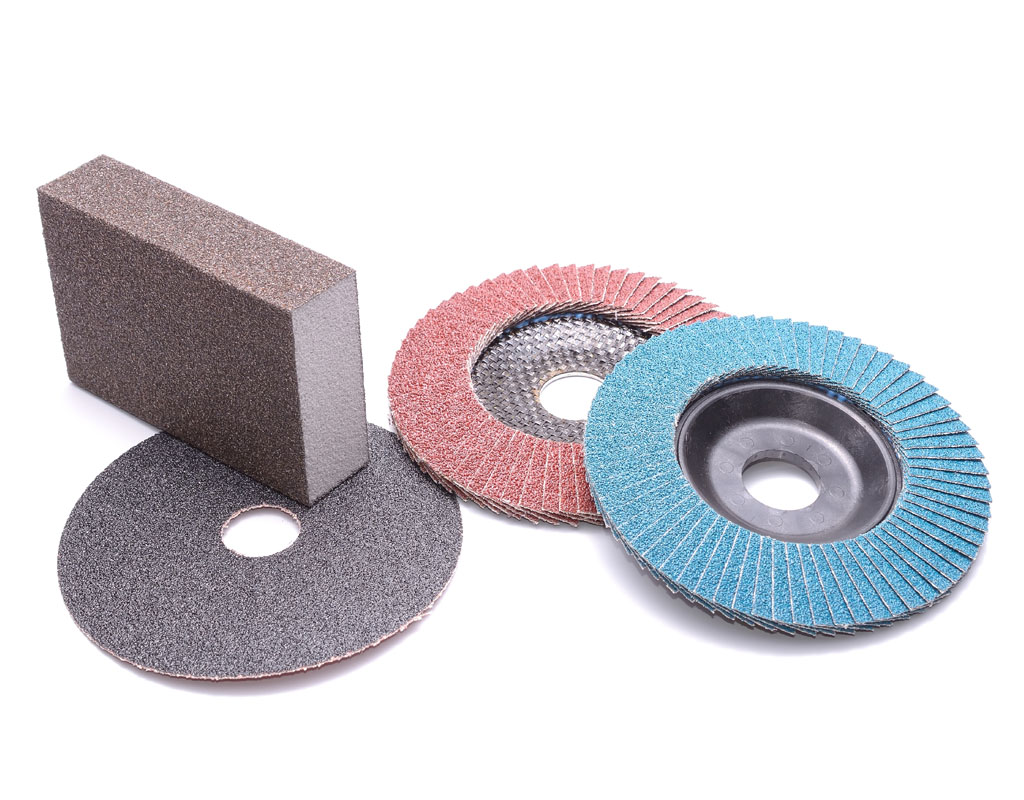
- Belt sanders
- Grinding wheels / bench grinders
- Mill files
- Sharpening stones and whetstones
- Diamond plates and sharpening pucks
- Portable field sharpeners
Sharpening a Machete With a Belt Sander
Using a belt sander is one of the fastest and most effective ways to sharpen a machete. The belt has slight flexibility, which creates a durable convex edge ideal for chopping tasks.
How to Use a Belt Sander
1. Select your grit: Use 120–220 grit for dull edges and 400–600 grit to finish.
2. Maintain angle: Keep a consistent bevel, ideally between 20° and 35°.
3. Smooth passes: Move from heel to tip in a single controlled motion.
4. Cool the blade constantly: Dip the blade in water. Overheating ruins steel temper permanently.
5. Repeat both sides: Continue until a sharp, even edge forms.
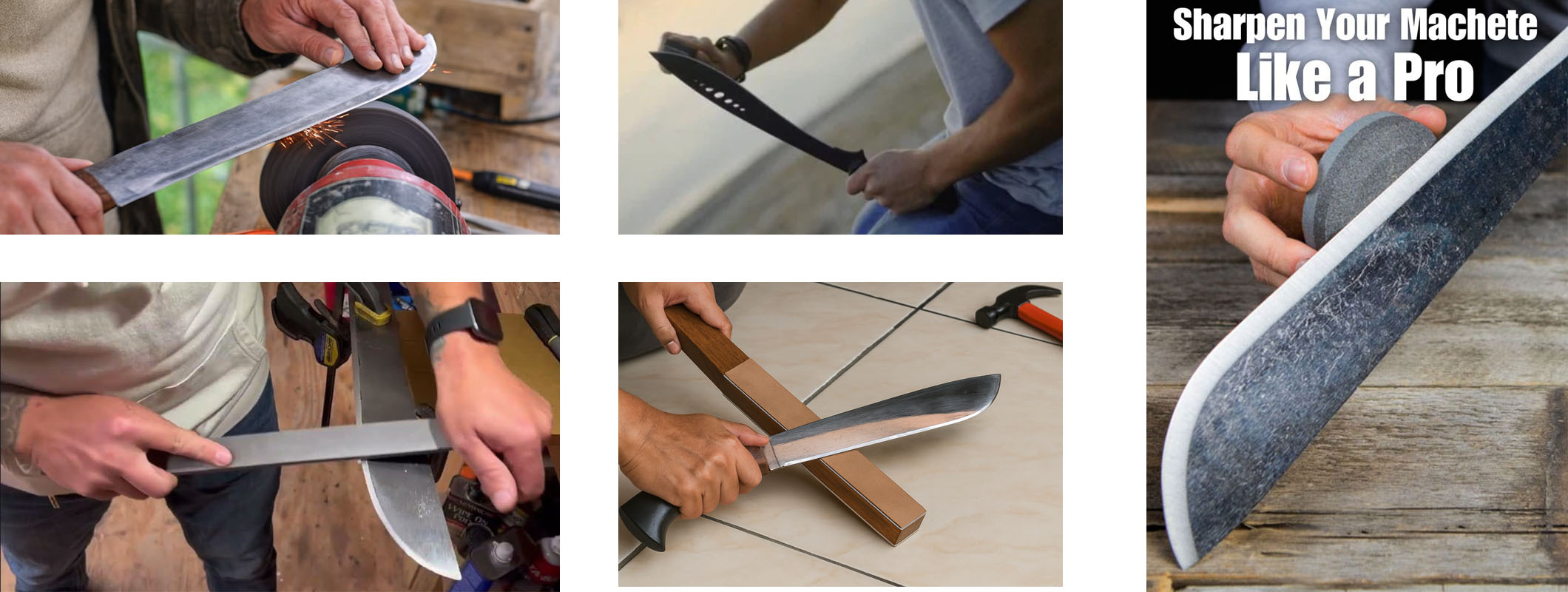
Sharpening a Machete With a Grinding Wheel
Grinding wheels remove metal quickly and are best for heavily damaged, chipped, or rusted blades. They require control and experience because grinding too aggressively can damage the machete.
How to Sharpen Using a Grinder
1. Prepare workspace: Ensure enough room for full-length passes.
2. Light pressure: Let the wheel cut—don’t force it.
3. Keep your angle steady: Inconsistent angles cause a wavy or weak edge.
4. Cool often: Dip in water after each pass to protect the temper.
Sharpening a Machete With a Mill File
Mill files are the most traditional, controlled, and beginner-friendly way to sharpen machetes . They remove steel slowly, preventing accidental damage.
How to Use a Mill File
1. Secure the blade: Clamp the machete or hold it firmly.
2. Push the file forward: Mill files cut on the push stroke only.
3. Follow the bevel: Keep a consistent angle from heel to tip.
4. Form a burr: This shows the bevel is fully shaped.
5. Flip and repeat: Remove burrs and sharpen both sides evenly.
Sharpening a Machete With Stones and Diamond Plates
Sharpening stones and diamond plates are excellent for fine control and for finishing the edge after coarse sharpening. They are also good for those who prefer a quieter, more traditional method.
Using a Sharpening Stone
1. Start with coarse grit: 200–400 grit shapes the edge.
2. Lubricate: Use water or oil depending on the stone.
3. Long strokes: Draw the blade across the stone smoothly.
4. Maintain your angle: Consistency is crucial.
5. Polish with fine grit: 800–2000 grit refines and smooths the edge.
Field Sharpening for Quick Touch-Ups
While working outdoors, your machete can dull quickly from dirt and tough vegetation. A field sharpener allows quick touch-ups without returning to a workshop.
Types of Field Sharpeners
- Diamond plates
- Pocket stones
- Two-sided sharpening pucks
- Compact carbide sharpeners (for emergencies only)
How to Sharpen in the Field
Hold the blade securely and run the stone across the edge in smooth, controlled strokes. Alternate sides until the edge feels restored. This won’t replace full sharpening but will keep the machete cutting effectively.
Choosing the Right Sharpening Angle
The sharpening angle defines how the machete performs and how long the edge lasts.
- 20–25°: Best for soft vegetation and grass.
- 25–30°: All-purpose clearing and farm use.
- 30–35°: For hardwood and heavy chopping.
When Sharpening Is No Longer Enough
Some machetes cannot be restored. Cracks, deep rust pitting, bent steel, and blades that have lost their temper will never perform properly again. If your machete cannot be revived with any method, upgrading to a new knife or commissioning a custom-forged machete is the best solution.
Frequently Asked Questions
How often should I sharpen my machete?
It depends on usage. Light work may only require sharpening once a month, while heavy fieldwork may require touch-ups daily.
Should a machete be razor sharp?
No. A razor-sharp machete chips easily. A working machete needs a durable, slightly convex edge.
Can you use a kitchen knife sharpener?
Not recommended. Machetes require different angles and more durable edges.
Why does my machete lose its edge quickly?
Dirt, knots, bamboo, and hitting stones all dull the edge fast. Using the correct sharpening angle improves longevity.
What is the best tool for beginners?
A mill file or sharpening puck is the safest and easiest option for new users.

If you are reading this guide on how to sharpen your blade, but you actually need to make your sword, kukri, machete, dagger, or knife blunt for safe training, reenactment, or display — we have a complete step-by-step guide for you.
Read the full tutorial here:
How to Blunt Blades – Quick DIY Guide