
Bowie Knives Types – Choosing the Right Blade for Real Performance
Bowie knives come in different types, and what truly defines their performance is not just size or thickness—it is the blade shape.
Each Bowie knife type is designed for a specific purpose. From precision piercing to heavy-duty chopping and long slicing cuts, the blade profile directly affects how the knife performs in hunting, survival, bushcraft, and real working conditions.
If you are choosing a Bowie knife for actual use—not just display—understanding these types will help you select the right blade for your needs.
Clip Point Bowie – The Classic and Most Popular Type
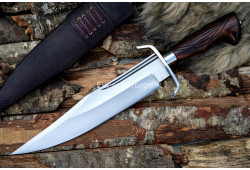
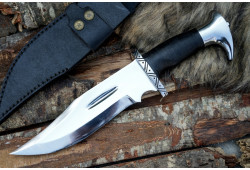
The clip point is the most recognized Bowie knife type, defined by the concave “clipped” section near the tip. This design creates a sharp, narrow point that allows excellent control.
In real-world use, the clip point excels in precision tasks such as skinning, piercing, and detailed cutting. The thin tip allows easy penetration, while the curved edge maintains strong slicing performance.
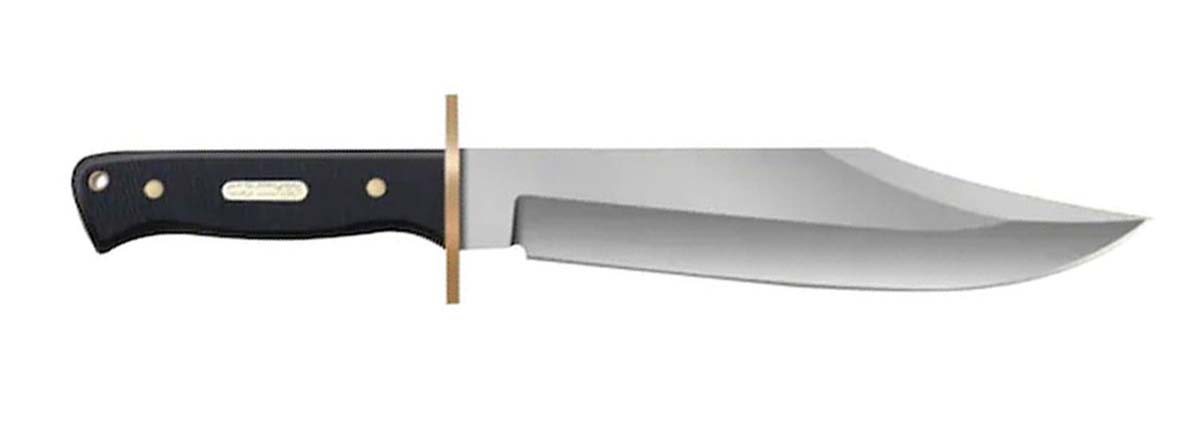
Many clip point Bowies include a false edge along the spine, improving penetration and reducing resistance during thrusting. This makes it one of the most versatile blade types for hunting, survival, and tactical-style use.
If you want a traditional Bowie knife with proven performance, the clip point remains the top choice.
Drop Point Bowie – Strong, Safe, and Reliable
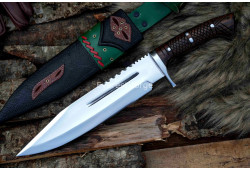
The drop point Bowie features a spine that slopes downward toward the tip, creating a thicker and more reinforced point.
This design improves durability and reduces the risk of tip damage during heavy use. It is especially useful in outdoor environments where the knife is used repeatedly under pressure.
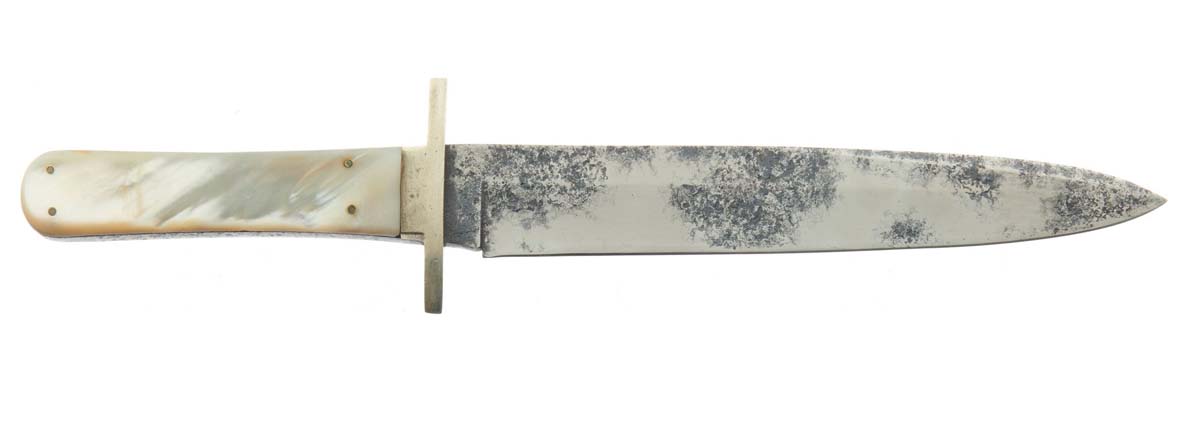
In hunting applications, the drop point provides better control and allows cleaner cuts when processing meat. The lowered tip reduces accidental punctures, making it safer and more practical.
For users who need a dependable hunting or bushcraft knife, this is one of the most reliable Bowie knife types available.
Trailing Point Bowie – Designed for Maximum Slicing
The trailing point Bowie is identified by its upward-curving blade, creating a large cutting belly.
This shape is built for slicing efficiency. The extended edge allows smooth, long cuts with minimal effort, making it highly effective for skinning and processing tasks.
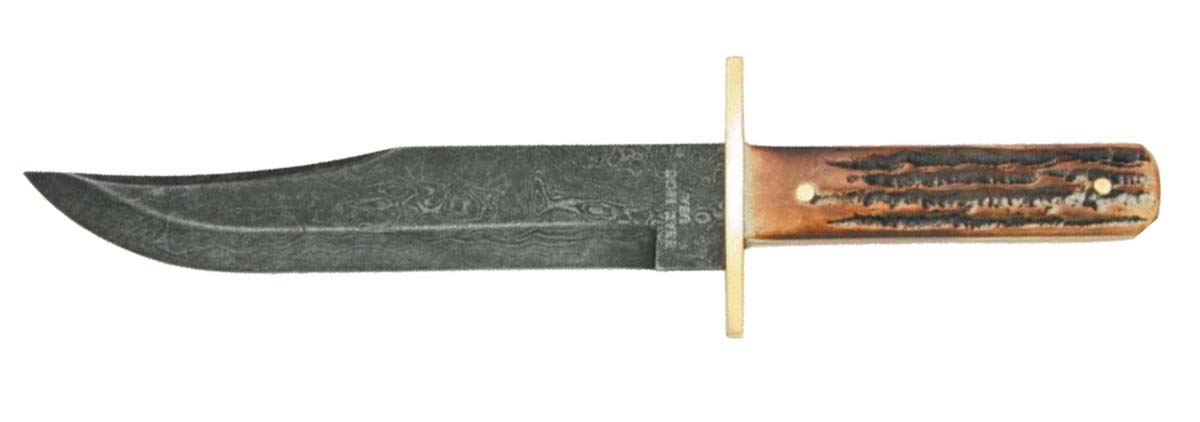
The increased cutting surface improves speed and fluidity, especially when working with softer materials. However, the tip is finer and less suited for heavy piercing or prying tasks.
This type is ideal for users who prioritize slicing performance over tip strength.
Straight Back Bowie – Balanced and Durable
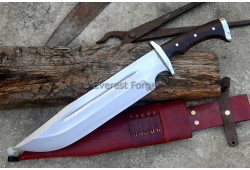
The straight back Bowie, often called the California clip, features a flatter spine with a less aggressive clip.
This design adds strength along the spine while maintaining a functional tip. It offers a balance between cutting ability and durability.
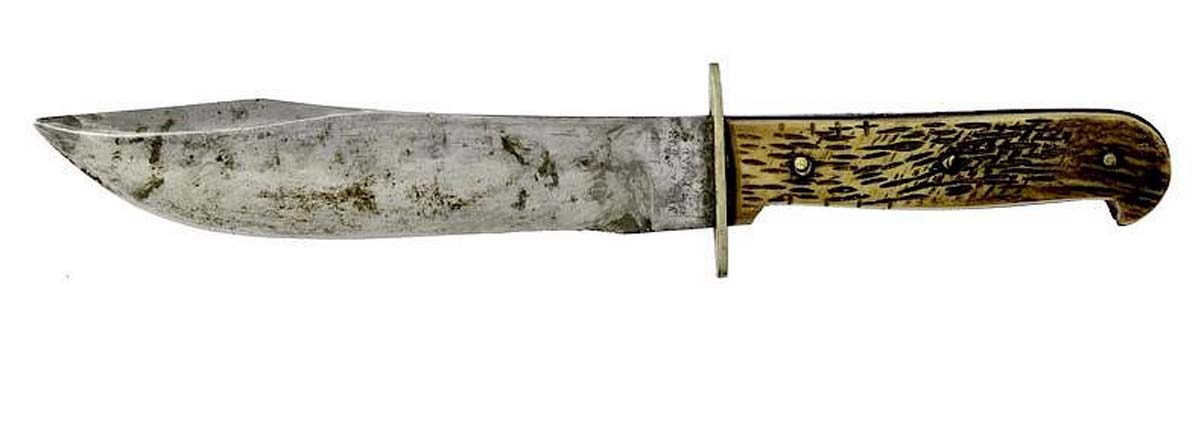
In real use, this blade can handle a wide range of tasks—from chopping and cutting to controlled piercing. The stronger spine allows it to perform well under pressure.
This makes it a great all-purpose knife for outdoor and survival use.
Spear Point Bowie – Precision and Penetration
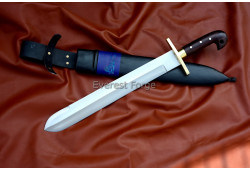
The spear point Bowie has a symmetrical blade design, with the tip aligned at the center of the blade.
This structure allows force to be delivered directly through the tip, making it effective for controlled penetration and thrusting tasks.
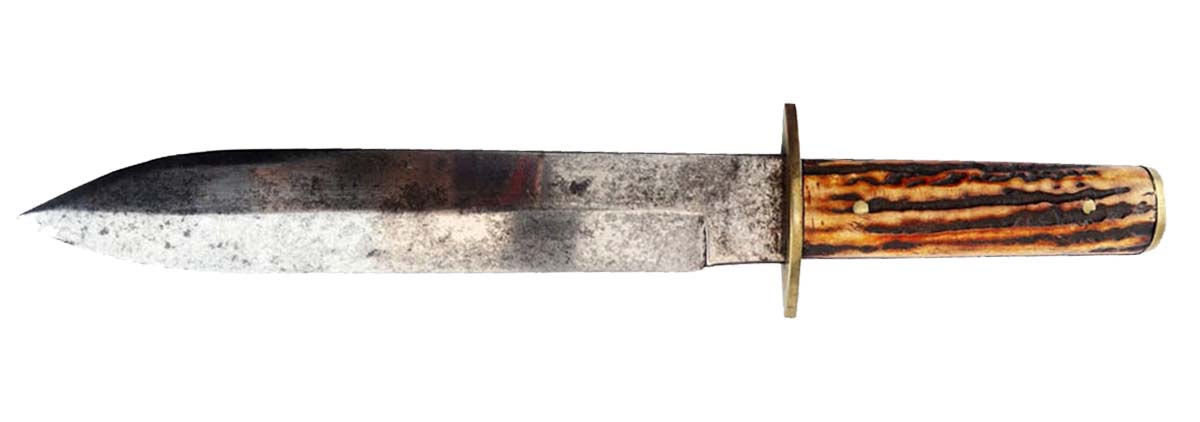
The balanced design improves handling and accuracy, especially in tactical or specialized applications. Some versions may include double-edged sections for increased effectiveness.
Although less traditional, this type is ideal for users who need precision and balance.
Tanto Bowie – Reinforced for Heavy-Duty Use
The tanto-style Bowie features an angular tip with a secondary edge, creating a reinforced point.
This design is built for strength and durability. It performs well when working with hard materials, as the tip is less likely to chip or break under impact.
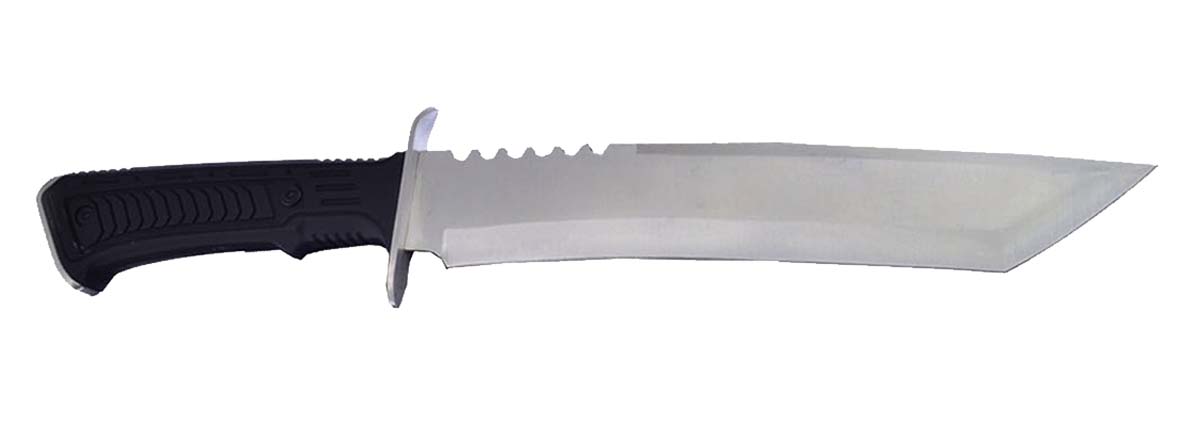
This blade type is commonly used in survival and tactical environments where durability is critical. It can handle demanding tasks that require a strong and reliable tip.
While it sacrifices some slicing smoothness, it offers unmatched strength for heavy-duty use.
Why Bowie Knife Types Matter
The performance of a Bowie knife depends heavily on its blade shape. Each type changes how the knife behaves in real use.
- Blade curve affects slicing efficiency
- Tip design determines penetration strength
- Spine thickness controls durability
- Overall shape impacts balance and handling
Choosing the right type ensures your knife performs exactly as needed in real working conditions.
Choosing the Right Bowie Knife Type
Each Bowie knife type serves a different purpose:
- Clip point – best for precision and all-around performance
- Drop point – ideal for hunting and controlled cutting
- Trailing point – designed for slicing and skinning
- Straight back – balanced for durability and versatility
- Spear point – focused on penetration and accuracy
- Tanto – built for strength and hard use
Selecting the right type depends on how you plan to use your knife.
Explore Bowie Knives Collection
Looking for a real working Bowie knife?
Explore our collection of Bowie knives designed for hunting, survival, bushcraft, and outdoor performance.
View Bowie Knives CollectionWant a custom Bowie knife?
Request your own blade design based on your preferred shape, size, and purpose.
Request Custom ForgeFrequently Asked Questions (FAQ)
What are the main Bowie knives types?
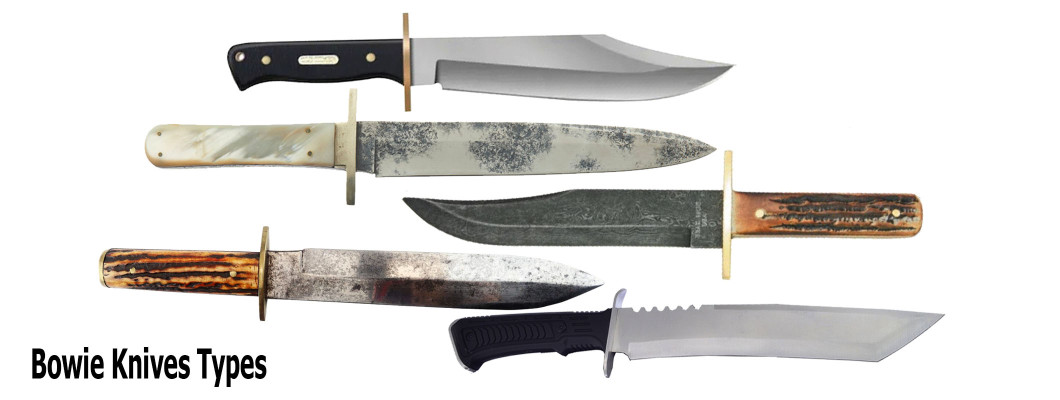
The main types include clip point, drop point, trailing point, straight back, spear point, and tanto-style Bowie knives.
Which Bowie knife type is best for hunting?
Drop point and trailing point Bowie knives are best for hunting due to their control and slicing ability.
Which Bowie knife type is strongest?
The tanto-style Bowie knife is considered the strongest at the tip due to its reinforced design.
Is clip point or drop point better?
Clip point is better for precision and piercing, while drop point offers more strength and durability for outdoor use.
Can I customize a Bowie knife type?
Yes, you can request a custom Bowie knife based on your preferred blade shape, size, and specifications.