From the moment early humans first sharpened stones and tied them to wooden shafts, the spear became one of humanity’s most versatile and enduring tools. Used for hunting, warfare, fishing, and ceremonial purposes, spears appear in every major culture across history. Their designs vary widely depending on purpose, terrain, and available materials.
This guide explores the different types of spears, how they were used, and why they became essential to the development of civilizations.
The Two Main Categories of Spears
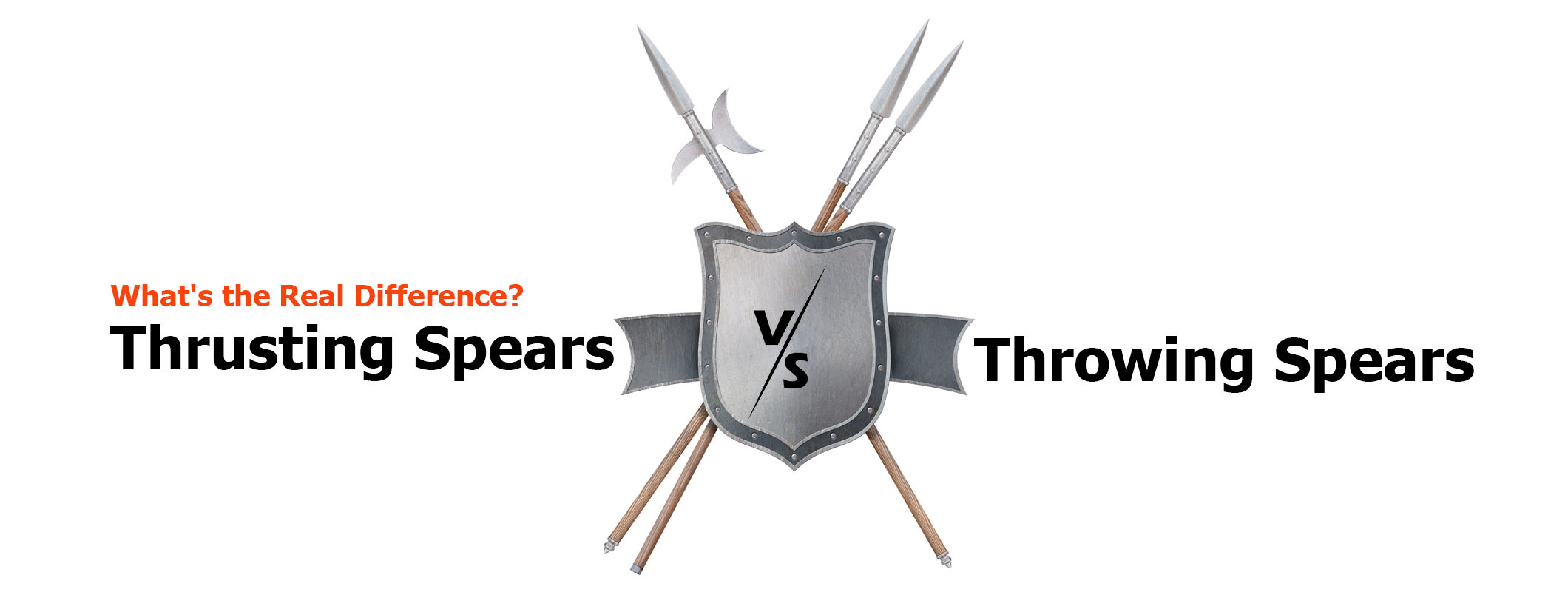
Although spear designs differ dramatically, nearly all fall into two fundamental types:
- Thrusting Spears – Built for close combat
- Throwing Spears (Javelins) – Designed for long-range attacks

This division shaped how cultures crafted and used spears for thousands of years. If you are looking for a functional, hand-forged spear, explore our
Handmade Hunting Spear.
1. Thrusting Spears: Built for Close-Quarters Combat
Thrusting spears were longer, heavier, and meant to be driven directly into a target. These weapons dominated ancient battlefields and big-game hunting.

Pikes & Sarissas
Some of the longest spears ever used:
- Pikes reaching up to 12 feet
- Sarissas (used by Macedonian phalanxes) exceeding 15 feet
In formation, they created an almost impenetrable wall of spear points.
Dory (Greek Hoplite Spear)
Balanced and deadly:
- 7–9 feet long
- Leaf-shaped spearhead
- Bronze butt spike for secondary strikes
The dory paired perfectly with the hoplon shield, making Greek infantry highly effective in close combat.
Boar Spear
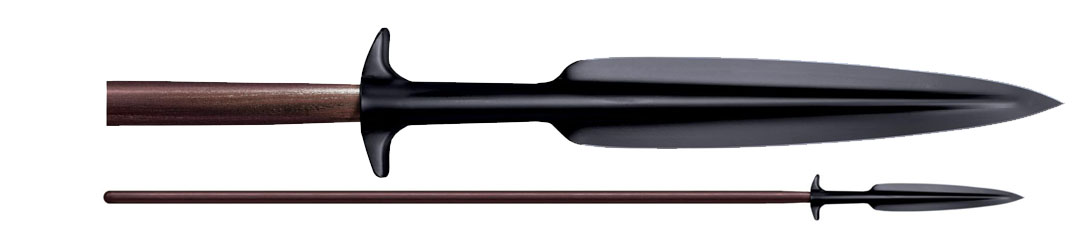
A specialized weapon designed for hunting dangerous game. It featured:
- A wide, leaf-shaped head
- A thick wooden shaft
- Lugs or wings below the blade to stop an impaled boar from charging up the shaft
2. Throwing Spears (Javelins): Weapons of Distance
Javelins are lighter, shorter, and designed for accurate flight. They allowed warriors and hunters to strike before enemies could close the distance.
Pilum (Roman Javelin)
A revolutionary Roman weapon with:
- A long, thin iron shank
- A heavy wooden shaft
- A design that bent on impact
Once lodged in an enemy shield, the pilum made the shield unusable and weakened enemy formations.
Assegai (Zulu Throwing Spear)
The assegai was fast, lightweight, and extremely effective for long-range attacks. It was later adapted into the shorter iklwa for close combat.
Regional Innovations and Specialized Spears
Different cultures shaped the spear according to their environment, warfare style, and available resources, resulting in a remarkable variety of designs.

Yari (Japan)
The primary battlefield weapon for samurai infantry. The yari featured:
- A straight, dagger-like blade
- Great effectiveness in formation combat
- Versatility in both thrusting and defensive control
Ji & Qiang (China)
China produced some of the world’s most refined polearms:
- Ji – a halberd-spear hybrid with a side-mounted blade
- Qiang – the iconic Chinese spear known for fluid martial techniques
The red tassel beneath the spearhead provided both symbolic and practical benefits, including improved grip and distraction during combat.
Tridents & Fishing Spears
In fishing cultures, spears evolved into multi-pronged tools:
- Two or three prongs
- Barbed points for holding slippery fish
- Highly efficient in shallow-water or coastal hunting
The trident became iconic in myth and gladiatorial combat, wielded by figures from Poseidon to Roman retiarius fighters.
Why the Spear Endured for Thousands of Years

Though ancient warfare has faded, the principles behind the spear remain relevant in modern tools and techniques. Its design influenced:
- Bayonets
- Hunting tools
- Survival equipment
- Martial arts weapons
If you want to explore another legendary weapon shaped by centuries of tradition, see our Authentic Khukuri & Kukri Collection.
Conclusion
From towering pikes to elegant Japanese yari, and from African assegai to fishing tridents, spears form one of the most diverse and culturally rich weapon families in history.
For collectors, practitioners, or those seeking custom-built pieces, Everest Forge offers traditional craftsmanship with modern precision. You can even design your own weapon with our
Custom Forge Service.
Frequently Asked Questions
What is the difference between a spear and a javelin?
A spear is primarily designed for thrusting in close combat, while a javelin is lighter, shorter, and intended for throwing. Spears offer reach and stopping power, whereas javelins are optimized for long-range accuracy.
What were spears mainly used for in history?
Spears were used chiefly for hunting and warfare. Early humans relied on them for hunting large animals, and ancient civilizations adopted spears for battlefield formations, defensive walls, and cavalry engagements.
Are spears still used today?
Spears are no longer used in modern warfare but remain important in hunting, martial arts, traditional ceremonies, and survival training. Their core principles survive in tools like bayonets.
What is the most famous type of spear?
Some of the most iconic spears include the Greek dory, Roman pilum, Japanese yari, Chinese qiang, and African assegai. Each played a major role in shaping ancient military strategy.
Can I buy a functional handmade spear?
Yes. Everest Forge offers a hand-forged functional hunting spear crafted by skilled smiths. Explore it here: Handmade Hunting Spear.
Can Everest Forge make a custom spear?
Absolutely. Whether you want a historical replica or a modern hunting spear, you can submit a request through our Custom Forge Service.