Types of Hunting Knives
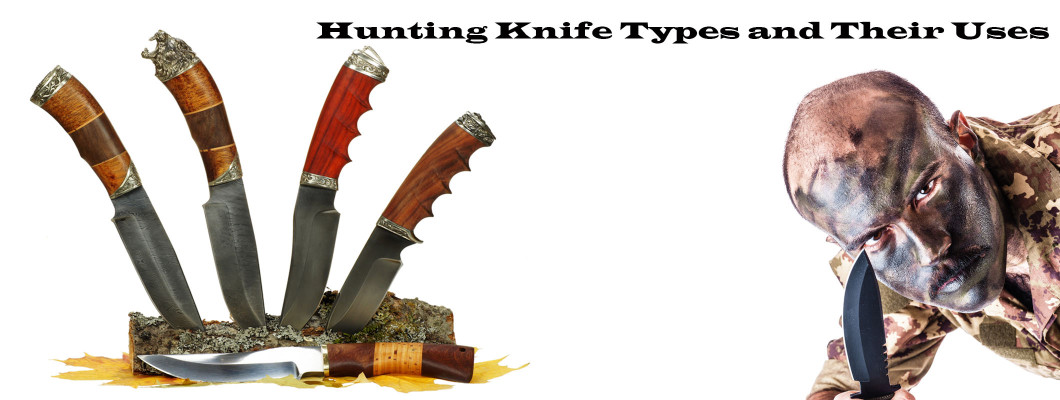
Every hunter knows that a reliable knife is more than just a piece of steel — it’s an extension of the hand and an essential survival companion in the wild. A good hunting knife can clean game, cut rope, prepare food, carve wood, and even help in emergencies. However, not all hunting knives are the same. Each style of blade is forged for a particular purpose, and understanding the different types of hunting knives helps you pick the right tool for your needs. This guide explores the main types, blade designs, materials, and features that define a true hunting knife.
1) Fixed-Blade vs Folding Hunting Knives
Fixed-Blade Knives: These are the most traditional and dependable hunting knives. The blade and handle form one solid piece, usually with a full tang for added strength. Because there are no moving parts, fixed-blade knives are more durable, easier to clean, and better suited for heavy-duty tasks like skinning, chopping, or survival work. They’re often carried in a sheath on the belt for quick access during field use.
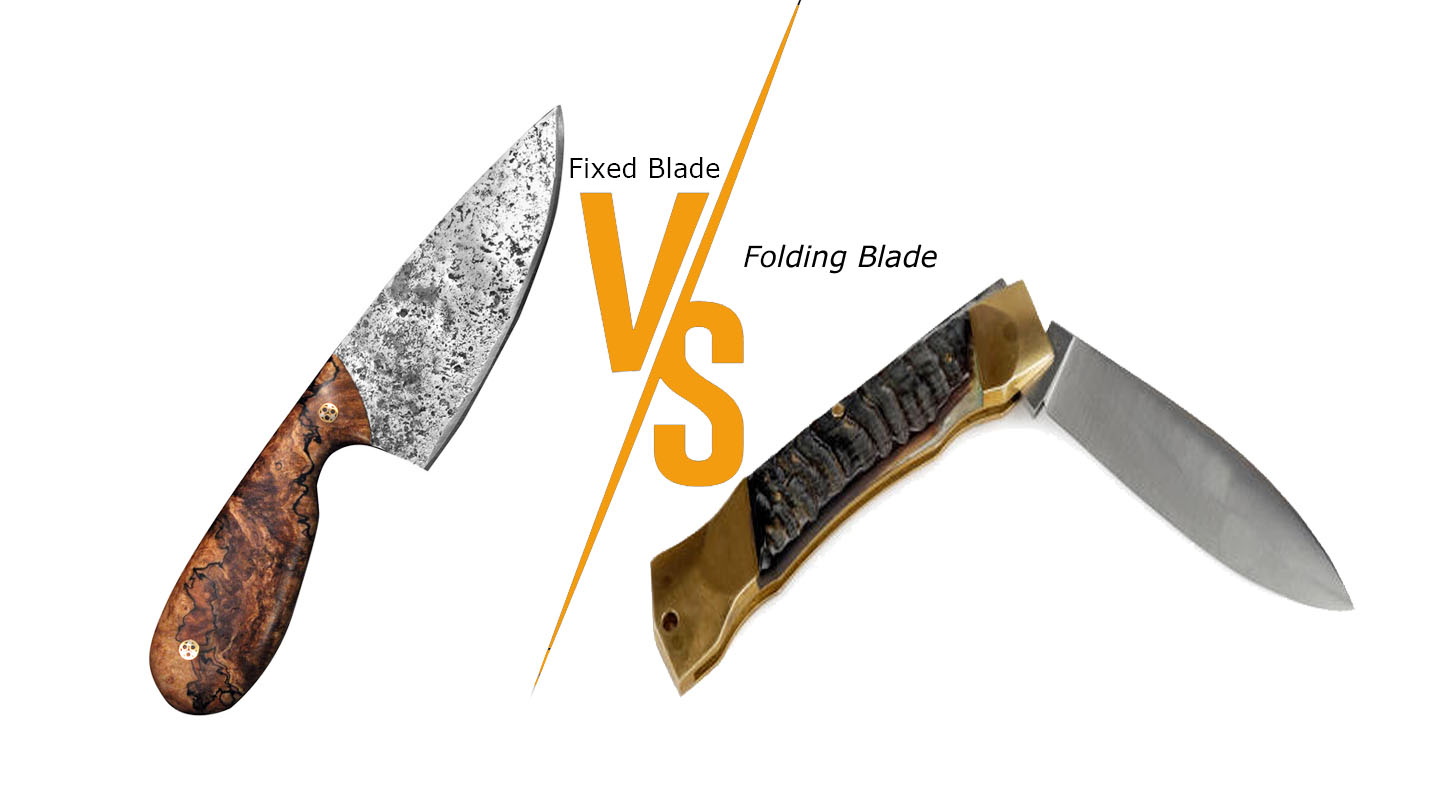
Folding Knives: Folding hunting knives are designed for convenience and portability. The blade folds into the handle, making them safe and easy to carry in a pocket or pack. While they may lack the raw strength of a fixed-blade knife, they are perfect for light-duty work such as cleaning small game, preparing bait, or general camp chores. Many modern folding knives include locking mechanisms for extra safety during use.
For professional hunters and survivalists, a fixed-blade knife remains the top choice — but having a compact folding knife as a backup is never a bad idea.
2) Common Blade Shapes and Their Uses
Hunting knives come in a variety of blade shapes, each crafted to perform specific cutting tasks efficiently. Knowing which blade suits your purpose can make fieldwork faster, cleaner, and safer.

Drop Point: The drop point blade is the most popular hunting knife design, known for its balanced performance and strength. It features a convex spine that drops smoothly toward the tip, creating a wide belly ideal for slicing and skinning. The lowered point reduces the chance of accidentally puncturing the hide or internal organs while field dressing. It’s the all-rounder of hunting knives — strong, sharp, and dependable.
Clip Point: Recognizable by its clipped or concave spine, the clip point blade offers a thinner, sharper tip. It’s great for precision work like piercing or making controlled incisions. However, the fine point makes it slightly weaker under heavy pressure. The iconic Bowie knife is a perfect example of this design — both elegant and functional.
Skinning / Trailing Point: This blade features an upward curve and an extended belly, providing smooth, sweeping strokes for removing hide without damaging the meat. It’s a favorite among hunters who process large game and need long, clean cuts.
Gut Hook: A specialized design featuring a small hook on the spine or belly of the blade. It’s used to open the abdomen of game animals without puncturing internal organs, keeping the meat clean. Many modern hunting knives combine a drop point or clip point with a gut hook for added versatility.
Spear Point: The spear point is symmetrical with a centered tip, often double-edged or semi-double-edged. It provides excellent balance for thrusting or piercing but is less common in traditional hunting knives. However, it’s a popular choice in survival or tactical knives.
Wharncliffe / Sheepsfoot: These blades have a straight edge and a spine that curves downward toward the tip. They excel in controlled slicing and fine carving tasks. The lack of a sharp point makes them safer for processing meat or carving near delicate areas.
Tanto: Inspired by Japanese blade geometry, the tanto has an angular, reinforced tip ideal for piercing tough materials. It’s extremely strong but has limited slicing capability due to its reduced belly. It’s more common in combat and survival applications than in traditional hunting knives.
3) Hunting Knives by Function and Purpose
Hunting knives are often categorized by their primary purpose. Some are built for precision, others for strength, and a few for pure versatility. Here’s a breakdown of the most common functional types:

Skinning Knives: Designed for smooth, precise hide removal. These knives feature wide, curved bellies and short tips to help separate skin without damaging the meat. A well-forged skinning knife saves time and effort during game processing.
Boning and Fillet Knives: Long, narrow, and flexible, these blades are used to separate meat from bone or fillet fish. The flexibility allows for clean, precise cuts that minimize waste.
Caping Knives: Smaller blades (around 2–3.5 inches) used for delicate work around the head, antlers, and facial areas of game animals. Caping knives are essential for taxidermy and detailed trophy preparation.
Survival and Bushcraft Knives: These are the ultimate outdoor tools. With thick, durable blades and full tang construction, bushcraft knives can handle chopping wood, carving, batoning, and even self-defense. They often have straight or convex edges that can withstand heavy impact without chipping.
Camp Knives: Larger multi-purpose knives designed for all-around outdoor use. They perform everything from slicing food and rope to chopping branches. Their weight and balance make them perfect for both hunting and general wilderness survival.
4) Key Construction Features of Quality Hunting Knives
Tang: The tang is the portion of the blade that extends into the handle. A full tang — where the steel runs through the entire handle — provides superior strength and balance. Half or hidden tangs are lighter but less durable for heavy-duty work.
Steel Type: High-carbon steels like 5160 or 1095 offer incredible edge retention and toughness but require oiling to prevent rust. Stainless steels such as AUS-8, 440C, or VG-10 resist corrosion and are easier to maintain, making them ideal for wet environments.
Blade Grind: The grind determines cutting performance. Flat and convex grinds are strong and ideal for chopping, while hollow grinds provide razor-sharp edges for slicing and skinning tasks.
Handle Material: Comfort and grip are critical. Handles are made from rosewood, Micarta, horn, or G-10 for durability and style. Rubber or textured composites provide a non-slip grip in cold or wet conditions.
Sheath: A high-quality sheath keeps your knife protected and accessible. Leather sheaths are traditional and elegant, while Kydex and ballistic nylon options are modern, durable, and resistant to moisture.
Explore Our Forged Knives Collection
Every blade at Everest Forge begins with fire, hammer, and skill. Our Forged Knives Collection features hand-forged hunting, survival, and bushcraft knives designed for real performance — not display. Each piece is individually crafted by master bladesmiths, oil-tempered for durability, and built to last through years of adventure.
Whether you need a reliable camp knife, a large bushcraft chopper, or a functional everyday carry, our forged blades deliver strength, balance, and authenticity in every cut.
5) Choosing the Right Hunting Knife
Choosing the perfect hunting knife depends on how and where you hunt. If you need a blade for skinning and dressing, a drop point or trailing point knife is ideal. For survival or bushcraft, go with a thicker, forged fixed blade that can handle wood and rope. If you want a lightweight everyday option, a folding knife or compact EDC knife works well for quick, light-duty tasks.
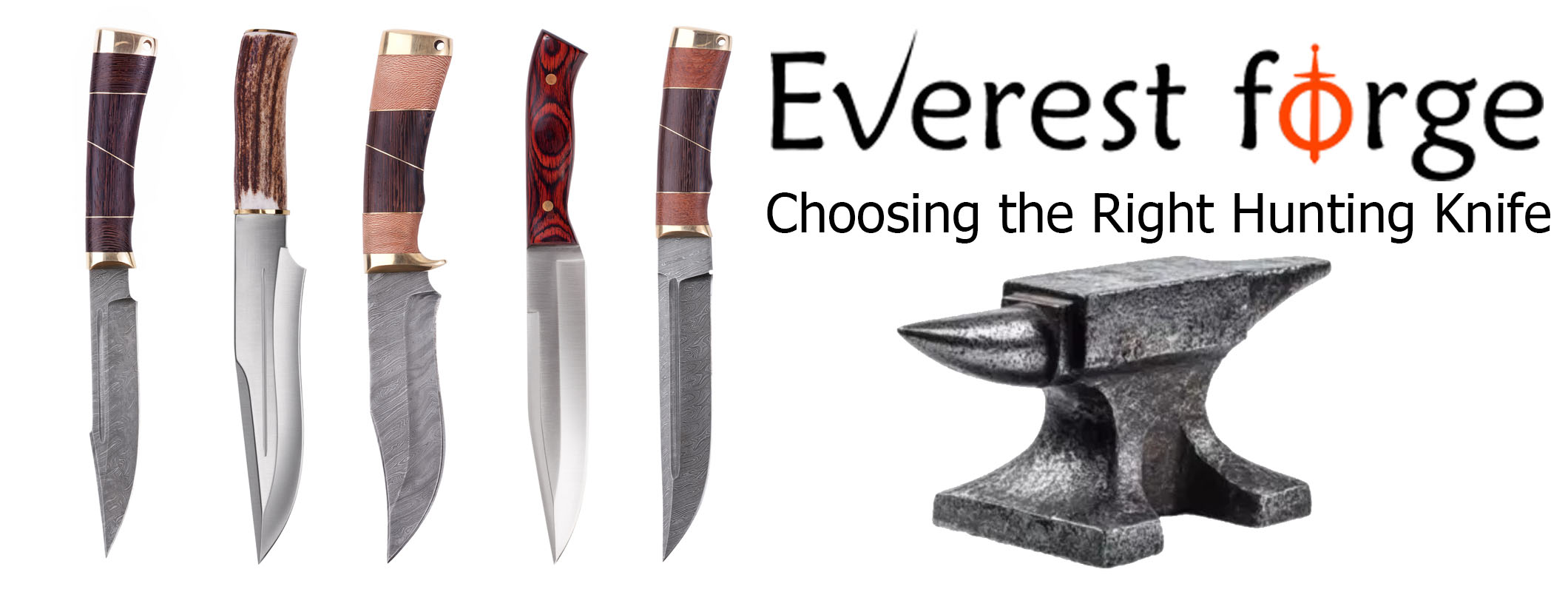
Hunters who prefer versatility often carry two knives — one for fine work like skinning and another heavy-duty blade for chopping and splitting. The goal is to balance strength, precision, and comfort in your setup.
6) Care and Maintenance
Cleaning: After each use, clean your knife thoroughly with mild soap and water, then dry it completely. Leaving moisture or residue can cause corrosion over time, especially in carbon steel blades.
Sharpening: Keep the edge sharp with a whetstone or sharpening rod. Regular maintenance not only ensures clean cuts but also prolongs the knife’s life. Remember: a sharp knife is safer than a dull one.
Storage: Store your hunting knife in a dry place, ideally outside of a leather sheath if it’s made of high-carbon steel. Leather absorbs moisture, which can lead to rust. Applying a thin coat of oil before long-term storage helps preserve the blade’s condition.
Request Your Custom Forged Knife
Looking for a blade made just for you? At Everest Forge, we specialize in custom-forged knives and swords crafted to your exact specifications. From unique blade shapes to personalized engravings and handle materials, we bring your vision to life using traditional hand-forging methods.
Submit your idea today — whether it’s a custom hunting knife, a historical replica, or a one-of-a-kind working blade, our blacksmiths are ready to forge it by hand.
Final Thoughts
There’s no single “best” hunting knife — only the one that fits your needs and feels right in your hand. Understanding the types of hunting knives and their uses helps you make that choice confidently. From fixed-blade workhorses to finely crafted forged knives , a well-made hunting knife is both a tool and a trusted companion — built to endure every cut, every trail, and every adventure.