The Symbolism Behind the Khopesh in Egyptian Culture
The Khopesh Sword - More Than Just a Weapon
Among many weapons in the world, there are only a few that stand out like the Khopesh. It is a curved, sickle-like sword of ancient Egypt, which is instantly recognised by many people after seeing it. It has a crescent-shaped blade. So it is easier to set it apart from other Bronze Age metal. Unlike other blades and weapons from neighbouring cultures, the Khopesh was unique, symbolic, and functional, covering the gap between battle efficiency and cultural identity. Khopesh was initially originated in Egypt during the 16th century BCE. It evolved from sickle-shaped axes. But Khospesh was not just a weapon; it carried the prestige of Egyptian culture. To carry a Khopesh was to carry power, authority, and divine protection. What made the Khopesh unique was its dual nature. It was a very powerful weapon able to slash and disarm enemies. On the other hand, it was a deeply symbolic object, representing prestige and kingship. Still, Khopesh fascinates many archaeologists, collectors, and pop culture enthusiasts who don't see it only as a weapon used in war but also as historic stories carved in bronze.
Origins and Meaning of the Khopesh

The Khopesh was first originated in Egypt. It appeared in the Bronze Age. It is believed to have come during the 16th century BCE. Most likely by being influenced by sickle-shaped weapons of Mesopotamia and Canaan. Its blade was forged from bronze. The use of bronze gave the Khopesh durability and sharper cutting power. Over time, the Smiths refined the design, producing a curved edge ideal for close combat. The name “Khopesh” is believed to be come from the ancient Egyptian word for “leg". It is believed to refer to its shape resembling an animal’s leg or thigh bone. This shows the Egyptians’ urge to see deeper meaning in shapes, objects, and natural forms. The shape of it has allowed the user of the Khopesh to hook the enemy's shield, drag the opponent closer, and give powerful slashes. The curve Khopesh has is not only considered a blade, but it is deeply associated with fertility, cycles of life, and cosmic order. The Khopes are symbolized both as destruction and life-giving power. Khopesh had its influence beyond the battlefield. Lots of majestic depictions of Horus and Set show them holding Khopesh sword, which strengthens their connection to divine power and might. Kings were often seen carrying an ornate version of a Khopesh during rituals. This was mainly done to put more effort into their role as warrior and ruler. The Khopesh, then, was not just a weapon of war, but it held cultural significance, balance, and kingship of Egypt.
The Khopesh in Ancient Egyptian Warfare and History

Khopesh was both admired and feared on the battlefield. Soldiers of Egypt used it to slash, hook, and disarm their opponents and enemies. The curved blade that it has gives it a tactical edge. It was not like other swords. It could pull shields and weapons of enemies, leaving them exposed. Pharaohs served as the depicted guardians of Egypt, often with Khopesh swords in hand. They served as timeless tokens of the Pharaoh's unyielding power. The Khopesh also played an important role in military services and expansions. From the campaigns of Thutmose III to the wars of the New Kingdom, the Khopesh has always played a significant role. It was presented to generals and warriors who showed loyalty and valor as a mark of authority. However, later, the Khopesh was given away by a straighter iron blade. It was because it was suited better for the new combat style. But The Khopesh had disappeared from the battlefield during the first millennium BCE, but it still carried symbolic power and held much importance in religious and cultural contexts.
Most Famous Khopesh Swords and Their Cultural Impact
Most of the famous Khopesh swords were discovered in the tombs of Egyptian royalty. Each Khopesh of that time carries and represents stories of power, divinity, and cultural pride.
Khopesh of Tutankhamun
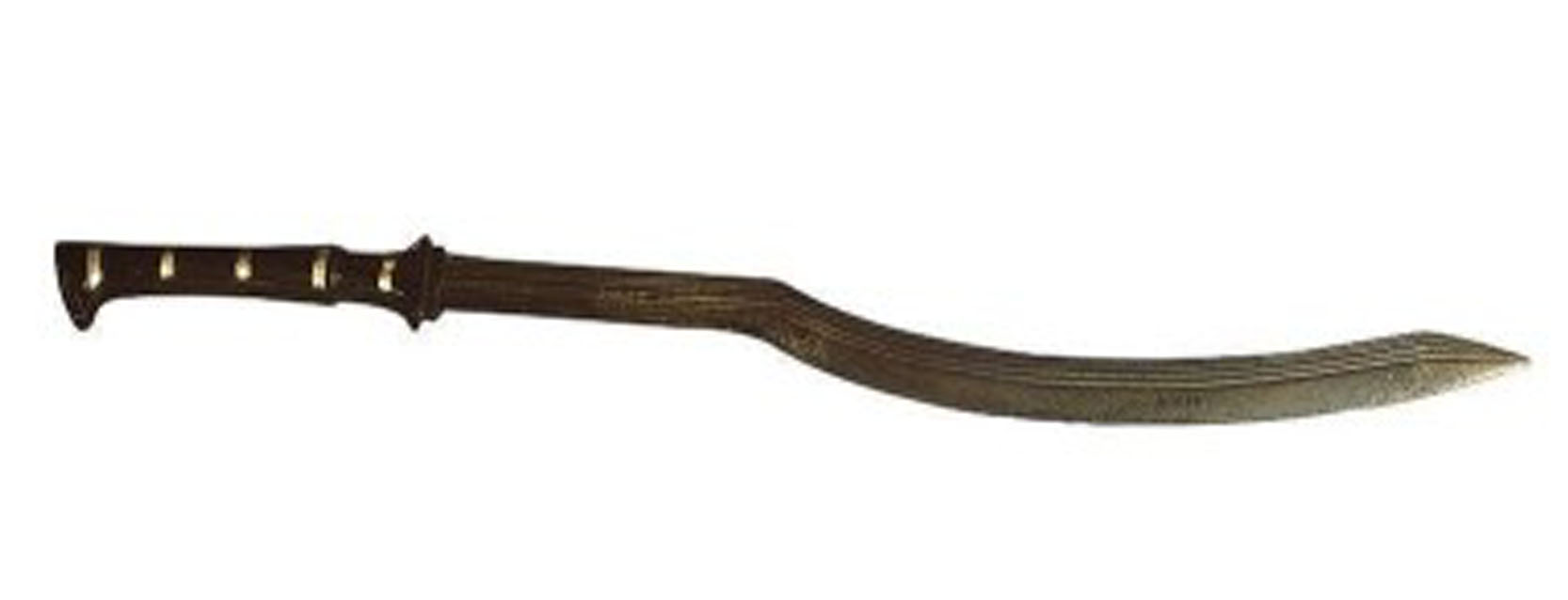
The Khopesh of Tutankhamun is the most iconic Khopesh of all time. It is crafted from bronze and is made more attractive with gold. This represents both craftsmanship and ceremonial elegance. These kinds of master piece are still preserved in museums. Each khopesh has a unique story to tell. The Khopesh of Pharaoh Tutankhamun. It was discovered in Tutankhamu's tomb. It was the Valley of Kings. This Khopesh is made up of high-quality bronze. It is also decorated with gold inlay. This khopes symbolises deep protection over the young Pharaoh in life and the afterlife.
The Khopesh of Pharaoh Ramses II
This Khopesh was shown being wielded by Ramses the Great in a big battle, such as one in the Battle of Kadesh. His use of the weapon showed military strength, authority, and dominance over Egypt's enemies. This khopesh held in his hand shows the role of Pharaoh as both warrior and a divine protector of the land.
The Ceremonial Khopesh of Pharaoh Ahmose I
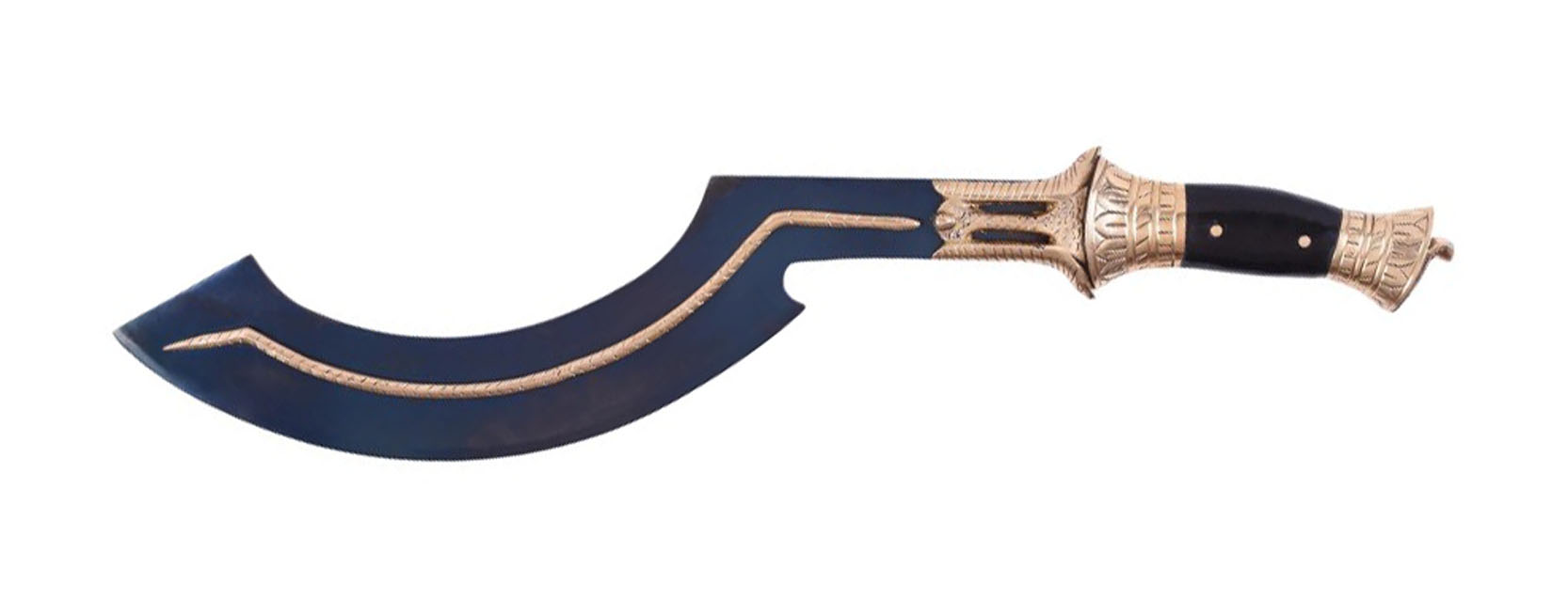
Ahmose is known for expelling the Hyksos from Egypt. He turned the Khopesh into a symbol of national pride. His ceremonial versions were seen decorated with gold and lapis lazuli. This version was used more in combat and more in rituals.
The Bronze Khopesh of Pharaoh Uahabra
This khopesh belonged to Pharaoh Apries. He was of the 26th dynasty. This Khopesh is now kept in the British Museum. This khopesh reflects the transition from battlefield to ceremonial use of khopesh in ceremonial uses. Its craftsmanship shows how the khopesh is a symbol of authority.
Depicted Khopesh in the Temple of Karnak
Carving of Pharaohs holding the khopesh made in the temple also shows the significance of the Khopesh. The carvings at the temple of Karnak show how important the khopesh is for cultural heritage. These carvings have made the khopesh immortal. It has made the khopesh a divine gift from the gods. This symbolises power, victory, and the duty of kingship.
What was the Khopesh used for?
The Khopesh was first made for use as a weapon on battlefields. It was designed for slashing and hooking enemies. It had a curved blade. This blade made it easier to disarm opponents by making the shield move away from them and pulling enemies closer for an action. Beyond fighting, the Khopesh carried a much significant symbolic power. It was used as a sign of authority by Pharaohs. Its presence in royal tombs showed its role as a weapon of protection in the afterlife, too. This shows how the Khopesh served both practical and ceremonial purposes. It has made its place as one of the most important weapons of ancient Egypt.
Materials Used for Khopesh and Craftsmanship
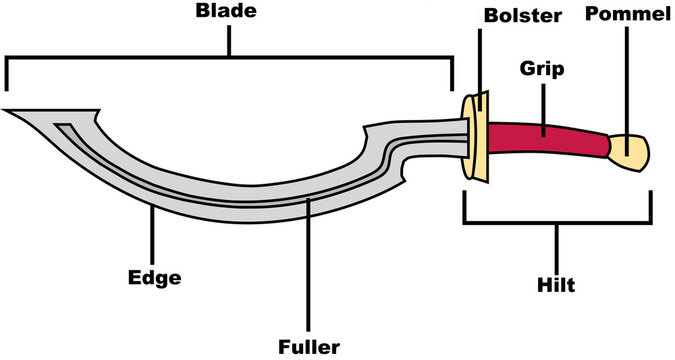
Like many other Egyptian weapons Khopesh was also a product of both technology and art. Its construction showed not only the availability of materials in that era, but also the talents of the craftsmen who were engaged in making Khopesh. During Early times, the Khopesh was made up of Bronze. Bronze at that time was considered a dominant metal. It provided the strength and durability needed for fighting with their opponents. The curved blade, which it had, made it even more unique during that time. Later, as time progressed, iron came into the picture. As the ironworking technique began advancing, the iron Khopesh began to appear. These versions of Khopesh were stronger, sharper, and more resilient. This also marks the evolution of Egyptian metallurgy. Crafting a Khopesh was not a simple task. As it was a crescent-shaped blade, it required more time and efficiency to create this type of blade. Blacksmiths used techniques like casting and hammering to make this blade easier to make. It created a weapon that combined function with symbolic beauty. After that, many Khopesh were decorated with inlays of gold, silver, or copper, as well as some engraving which carried many religious significances. Ceremonial Khopeshes were often the masterpieces. These featured ornate decorations and inscriptions dedicated to gods or Pharaohs. These kinds of Khopesh were not made for fighting or battle, but it was made for display, ritual, and burials in royal tombs. Thus, Khopesh represents cultural identity, which is designed to show power, prestige, and impactful authority.
How to Identify a Real Khopesh
Taking a close look at the craftsmanship, material, and design features will make it easy for you to identify the real Khopesh. The ancient Khopesh from ancient times were typically made of iron or bronze. These two choices were dependent on the era it was made. An authentic piece shows signs of aging. It can be such as patina on bronze or minor surface corrosion on iron. It reflects the centuries of preservation. The buyers should be careful while checking the arc of the blade. As some duplicate sellers may exaggerate the arc of the blade. Original Khopesh blades are typically around 50-60 centimeters in length. So checking the length of the Khopesh is also crucial. The original Khopesh's handle was very simple, but some sellers might sell you one with a leather or fitted wooden grip. If you are buying ceremonial versions, you can find engraving on the Khopesh. When you are buying Khopesh, consulting, or relying on an expert can make your work easier, and you won't be scammed.
Khopesh in Ceremonial and Religious Contexts

The Khopesh is not limited to the battlefield. It holds a powerful place in Egypt's ceremonial and religious life. It was made especially for ceremonial versions for use in rituals, offerings, and temple ceremonies. There, it was symbolised as divine authority and cosmic order. It was not just a sword but a sacred emblem of protection for the Egyptian people. It was also made for the afterlife by many royal tombs and not only for combat during battle. These ceremonial pieces were richly decorated with luxurious items such as gold, silver, or other symbolic engravings. It was made to protect the deceased on their journey beyond. The presence of Khopeshes in the burial sites shows that they were seen as an important tool of eternal guardinship. The Khopesh also showed the idea that Egypt's ruler was chosen by the gods themselves to protect and take over the kingdom. The Khopesh faded from active warfare with the gradual passage of time, but its ritual and cultural significance grew stronger. It became a symbolic object that was used in offerings, temple dedication, and ceremonial parades.
The Khopesh Blade Shape and Its Symbolic Significance
Its curved blade is the unique feature of the Khopesh. This is a beautifully sickle-shaped blade. While being an ancient sword, its structural design was distinct in comparison to its contemporaries. This shape carried both practical and symbolic meaning. The curved blade of the Khopesh gave warriors more tactical advantages. The Khopesh could be used to hook an enemy's shield, pull weapons from an opponent's hand, and make surprising slashes in combat. These kinds of works were often not done with a straight-bladed sword. The Khopesh was more versatile and functional. This made it even more appealing. The blade of the Khopesh showed the architectural sickle. This was associated with fertility and harvest. It also meant cycles of life. It represented both destruction and new life. The crescent on this blade held cosmic significance. It looked like the curve of the moon. Rebirth, protection, and the passage of time are represented by the moon in Egypt's culture. In the religious context, the crescent-shaped blade of the Khopesh symbolizes the defender and protective religious leader, the Pharaoh of Egypt. This symbolizes, too, the Pharaoh’s ethics and morals.
Maintaining the Khopesh: Blade Care and Preservation
Whether owning an authentic ancient Khopesh sword or a modern-day replica, they both require care measures to avoid damage. The primary danger to authentic bronze and iron Khopesh swords is rust. Low-humidity storage slows down natural aging and corrosion. Professional conservation, along with gentle cleaning with soft brushes, is the best for cleaning. Display models and replicas made from brass or steel require more attention. Wooden and leather handles need to be polished from time to time to prevent flaking. To prevent cracking, the leather or wooden handles need to be conditioned from time to time. As with all organic materials, the Khopesh’s blades should not be stored in direct sunlight as they are very UV sensitive. The Khopesh, ancient or modern, can be remarkably striking for ages with consistent care.
The Khopesh Sword in Pop Culture
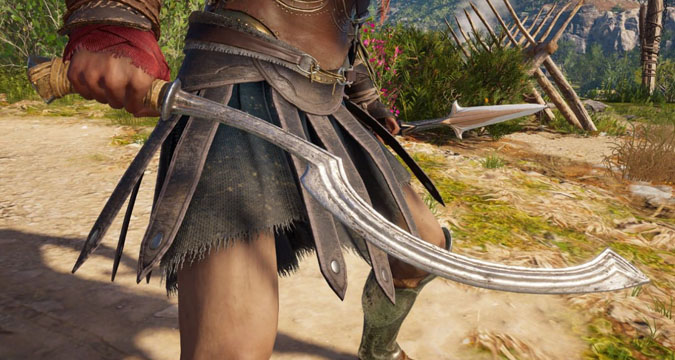
The Khopesh has made a unique place in modern pop culture. It is admired for its excellent blade design. It has also appeared in films like 'The Mummy'. There, it has symbolised the power of Egypt, mystery, and legacy for ages. Video Games such as 'Assassin's Creed' have also brought the weapon into the recognition of the modern world. It allows players to wield in virtual battles. The novels and artworks also use the Khopesh as a symbol of early civilization and its influence on the civilization. Collectors today make replicas of Khopesh by being fascinated by its elegant yet deadly form. The Khopesh has been growing its roots still in this age with the help of modern craftsmanship and media. It is a reminder of Egypt's past while growing spark in the newer generation.

Best Khopesh Swords Available at EverestForge
Get custom hand forged Khopesh Swords from EverestForge.
- Kopis - Ancient Greek Sword: The Kopis is a one-handed sword. It is a single-edged curved sword. It was used in ancient Greece. It was used mainly during the 5th century BCE. It has a forward-curving blade. It is designed for powerful chopping and slashing attacks. It is similar to the use of the Khopesh. Ancient Greek soldiers preferred the Kopis for close combat.
- 16-Inch Blade Greek Kopis: This is a replica version of the classic Kopis. It is a 16-inch balde. It is much convenient for collectors and enthusiasts. It is smaller than the original battlefield versions. It still preserves the iconic curved shape, weight, distribution, and cutting ability. The size of this kopis makes it ideal for display and light practices.
- Khopesh Cleaver Machete: The Khopesh Cleaver Machete is a modern hybrid. It is inspired by the design of the ancient Egyptian Khopesh. Its design is such a way that it has combined the sickle-shaped blade of the Khopesh with the machete's design. It is perfect for chopping, clearing brush, and survival purposes. The historical and practical design makes it a popular choice for collectors, outdoor enthusiasts.
- Egyptian Khopesh Sword: This sword protects the value of the Egyptian sickle-sword. This is handmade. It is forged in Nepal from 5160 leaf-sprong steel. It has both strength and balance. This has a rosewood handle. This handle adds more elegance and comfort to its grip. It is worth buying for collectors who want a sword that has both historical authenticity and practical durability.
- Hybrid Khopesh Chopper: This Hybrid Khopesh is a perfect blend of ancient design with modern functionality. This is a 15-inch blade with heavy-duty blade. It is forged from leaf-spring steel. It is built for jungle uses, survival tasks, and heavy chopping.
- Hellboy Khopesh Sword: It is a mix of history and fantasy. This Khopesh reflects Egyptian tradition. Its curved blade shows ancient warfare. The Prince Nuada-inspired handle is made here. This handle adds flair. This is mainly designed for collectors who enjoy cinematic fantasy and cultural blends.
- Little Khopesh: This is a miniature version of a Khopesh. This is small but is fully functional. This is 12 inches long. It is made like an iconic sickle-sword shape in a compact form. It is perfect for collectors with limited space or seeking unique designs.
Conclusion: The Enduring Symbolism of the Khopesh Sword
The Khopesh is more than just a weapon and is a relic of the past, which still shows a symbolic legacy. Khopesh represents two meanings, which are the power to capture enemies, and the connection to sacred things such as fertility, cosmic balance, and rebirth. Since Pharaohs and other gods carried Khopesh, this also highlights the role of Khopesh as both a divine and a royal emblem. The curved blade that it has has always perfectly mixed the battle activities with religious significance, too. Today, the Khopes still survive not only in museums but also in modern pop culture, such as series and games. Thus, the Khopes portray the symbol of timeless authority, power, protection, and cultural identity of Egypt.