Scottish Dirk: The Scottish weapon that evolved through time
This is an antique Scottish dirk dagger, a traditional blade with rich history and ceremonial significance in Scotland. The dirk is recognized for its distinctive long blade and ornate handle, often carried as part of Highland dress.
The Scottish Dirk represents an integral part of the past, culture, and identity of Scotland. The dirk was the weapon of the main characters in the battles. At the same time, it was a sign of power and accuracy.
The Dirk is a long, thrusting dagger. The blade part is generally 30-45 centimeters. It was traditionally carried by people who used to live in high mountains. The people of high elevations and the warriors of high mountains used Dirk as a sidearm. It was a vital tool in close combat and everyday life.
The significance of Dirk extends far beyond its function as a weapon. In Scotland, it has been associated with honour, courage, and loyalty. For warriors who live in high elevations, having a Dirk and wearing it is an identity in itself. To have and wear a Dirk is to proudly display one's root status and unbreakable connections to mountains and hills. Over time, the weapon has been used as a ceremonial accessory. It represents the link between Scotland's past and its living tradition. It remains instantly recognisable for its long blade, carved handle, and decorative sheath.
One can always explore the centuries-old history of the Scottish Dirk. With its wide popularity, by using the custom forge method, you can have your own customized Scottish Dirk. Throughout the journey of this vlog, one will be able to explore and discover the origin of Dirk, its role in the society of Scotland, its design and structure, and the evolution of the weapon over time. Similarly, one can understand how modern custom forge techniques are keeping this legendary weapon alive today.
The Traditional Scottish Dirk: Origins and Cultural Significance
- Origins of the dirk in Scottish history: Ballock Dagger was the most well-known weapon in ancient Europe. It was mainly founded in the 14th century all across Europe. Later on, the Scottish Dirk was founded in the late medieval period. It is believed that the Ballack Dragger inspired the structure and design of the Scottish Dirk. During that period of time, the warriors who lived in the high mountains of Scotland heavily relied on the utility of the Scottish Dirk for their daily life and combat on the battlefield. By the 16th to 17th century, the Dirk had been a distinct part of everyday functionality for the warriors. Its presence was strongly felt during larger conflicts, becoming an essential tool that blended the roles of weapon, utility, life, and cultural emblem.
- Role in the Highlander society and its significance: During the medieval period, there were members of clans called the Highlander Warriors. These young men were trained early to use weapons like the broadsword, dirk, and bow. Beyond the practicality of all the weapons, the dirk served as one of the weapons that was used in dual practicality. Whether for battle for hunting, or daily chores, it made absolute use of its value.
- Symbolism attached to the dirk: The dirk later carried a symbolic weight. It represented the loyalty of those warriors to the clan of Highlanders. The dirk was not just personal property. It was a living heirloom that was passed down through generations. The dirk connected the warriors to their ancestors in Scotland. Many clan chiefs and nobles during that period of time displayed highly decorated dirks, reinforcing their authority and leadership. It is about bravery and pride. Its blade stood for time and strength. In times of conflict, drawing the dirk symbolized commitment. To gift a dirk was to pass an honor and responsibility. The craftsmanship of the holders of the dirk varied depending on the status of the Highlanders. Common warriors and farmers used simple, undecorated dirks. Clansmen and leaders owned dirks of superior craftsmanship made with polished blades. It was used as a display of wealth and authority. The dirk bridged both worlds, serving the ordinary man in times of survival while showcasing prestige for the elite.
Highland outfit carries the Scots dirk. In the 18th century, the dirk was combined with the kilt, sporran, and sgian dubh. The dirk finished off the fighter's look. It was a sign of both honor and ancestry.
A Journey Through Time: The History of the Scottish Dirk
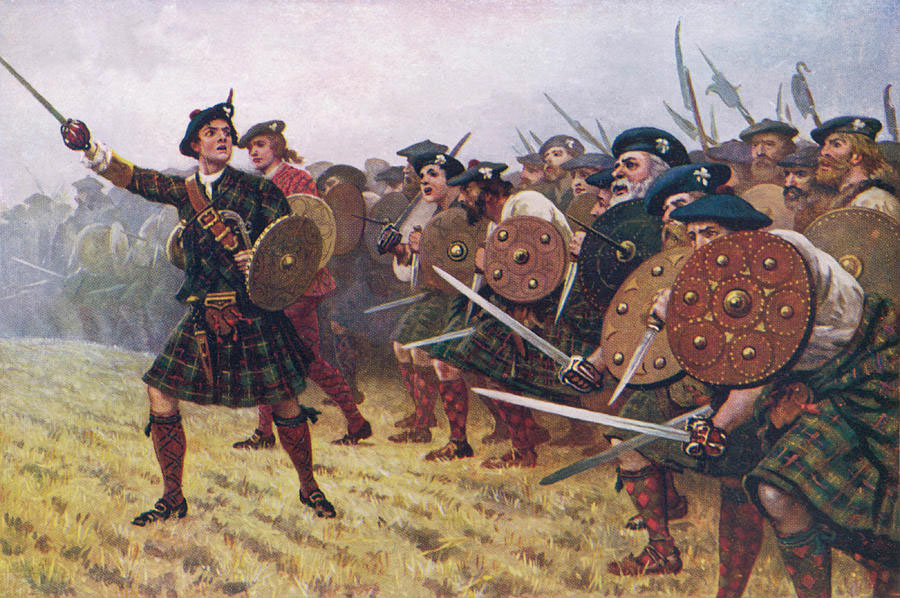
The story of the Scottish dirk is about transformation. It denotes resilience. What started as a sidearm for warriors evolved into a cherished piece of art. The Scottish dirk has managed to hold its ground through times of war and changes in society. To understand the evolution of the Scottish dirk from a combat weapon to a ceremonial work of art, one has to look at the past. In fact, the first examples of the dirk usage date back to the late Middle Ages and the early Renaissance period. That was the time when the warriors who were living in a clan in the high mountain regions relied on long knives as multipurpose tools. These knives served both practical and martial purposes. Over time, these large knives developed into a dirk. By the 16th century, the dirk became a recognized weapon across all the regions of Scotland.
- Changes in design reflecting warfare and culture: The design of Dirk reflects both the warfare and the cultural identity of Scotland. The dirk of early centuries has now become way more artistic and has been elaborated with designs. Handles were carved from wooden horn or antler, featuring Celtic knotwork or clan emblems. Blades became longer, slicker, and engraved with symbolic designs. With the rise in the gap of wealth, the design was customized according to the customer, forge methods, and different quality of craftsmanship used to make the dirk. During the key historical periods, the dirk was set as one of the important tools on the battlefield.
- Transition from battlefield weapon to ceremonial item: With the decline of clan warfare, the dirk gradually transitioned. It changed from a battlefield necessity to a ceremonial piece. It became a piece of tool that became close to the hearts of the highlanders. By the 18th and 19th centuries, it was part of the formal highland dress. It was worn at many ceremonies. Especially, it could be seen at weddings, gatherings, and parades. Its design shifted forward. The transformation highlights the dirk's new role. It is the maker of heritage and pride.
- Influence of Scottish diaspora and modern adoptions: During the 17th to 20th centuries, the Scottish people settled around the world. Scottish people left their homeland and created vibrant communities across the globe. Due to this movement, the Dirk became an important for Scottish communities abroad. Today, collectors and enthusiasts continue to honour the legacy of Dirks. They value both antique dirks and modern recreations. Modern bladesmiths incorporate skilled artistry and blend historical accuracy. Collectors can now find Dirks from the 18th-century battlefield designs.
Unique design elements of the Scottish dirk:

The Scottish dirk has unique designs from its striking grip to the tip of the blade. It has a tapering point at the end. The dirk looks like a common dagger with a longer and single-edged blade. It was designed according to the needs of highland warriors. The blade is single-edged. The blade ranges from 12 to 18 inches. Due to this, it looks a little longer than a common dagger. Its pointed tip is made idle for thrusting. The single-sharpened edge allows Dirk to serve as a cutting tool. The blade is made in a balanced way so that each movement is made quickly and precisely. The handle part of the Dirk looks distinctive. It is made of a simple wooden grip. The handle is an artistic piece in itself. The grip part of the Dirk is made secure with a comfortable positioning and design. The Dirk doesn't have a protective cross guard. Its minimalistic design emphasizes agility. It is designed to fit comfortably in a warrior's palm. Similarly, the handles often have decorations. Clan symbols and geometric designs make it unique. Some of the blades also have Engraving of the owner’s initials.
- Materials used to make the Scottish Dirk: The main part of the Scottish dirk is made of iron. The blade is now made of high-quality 5160 spring steel as well as carbon steel. Similarly, the traditional dirk had the handle made of wood. Hardwood was preferred, such as oak or ash. With the evolution of handles, many people started opting for horn or bone. Now, this handle part is made of plain wood and bronze. The materials that were traditionally used to make the dirk were not chosen at random. They carried the symbolic value. Over time, with the luxury part associated with the dirk, different kinds of ornate materials are used to make the dirk.
- Comparison with other simple weapons: The dirk is often compared with daggers and the Sgian dubh. Since the dirk is of average length, it is often compared with a small knife. While all the weapons carry their own history, the Dirk has cultural symbolism deeply rooted in Scotland. The dirk is larger and more imposing than a dagger or a usual knife.
- How the design reflects functionality and cultural aesthetics: Every aspect of Dirk's design is about cultural expression. Its blade length, the design made on the blade, and similarly the engraving on the handles reflect the Dirk's culture and clan identity. Even today, modern bladesmiths and custom forges carefully preserve these design traditions.
How do Scottish Dirk Sheaths Complement the Weapon?

A Scottish Dirk is never complete without its Sheath. The sheath embodies protection and artistry. Material used to make the Sheath is crafted from wood or leather. The interior is made so that it can fit in the blade securely. This wood is used in the sheath to offer sturdiness, while the leather makes the sheath flexible and comfortable to carry. For those who loved luxury, the sheaths are more often fitted with precious metals.
- Designs and Ornamentation of the sheath and its Importance: Decoration was a hallmark of Dirk sets. The leather coverings were sometimes tooled with patterns. Metal fittings often displayed the knotwork symbol of the clan and geometrical shapes. The aesthetics and design complete their significance. The sheath was canvassed for artistry and identity. In ceremonial highland dress, the sheath is often the most visible part of the Dirk. Its ornamentation catches the eye of people and makes it a unique part of the whole outfit.
- Use of the Sheath: The basic purpose of the sheath is to protect the blade from any damage. It also ensures that the carrier of the dirk is free from any injury. It helps the dirk not to slip out during any movements. It is mostly important so that the materials used to make the dirk are safe from rust and wear. The design of the sheath is made for comfort, allowing the derg to hang securely from the belt. It is made so that the dirk can be accessible in moments of need.
Essential Techniques for Maintaining a Sharp Scottish Dirk Blade
The Scottish dirk isn't a simple weapon; it represents the clan heritage of the Highlands, the one that has been passed through time. Owning a handmade scottish dirk is definitely not only a right but also an obligation. The dirk needs meticulous maintenance using some original methods if one wants to keep its beauty, strength, and sharpness.
- Regular cleaning after use and oiling to prevent rust: Even if the dirk is only displayed, it collects dust and moisture. So, it is important to clean it with a soft cloth. For stubborn stains, we can use warm water with mild soap. It is suggested to never use harsh chemicals on dirk. After cleaning it, you can simply apply a light coat of protective oil after cleaning. With this, a thin layer of barrier is formed against the moisture.
- Sharpening methods and tool recommendations:The blade must be sharpened using the right method. It will not only allow the knife to cut but also make it long-lasting. The importance of regular sharpening guarantees the equilibrium. It creates the effectiveness of the cutting. Regular sharpening of the dirk ensures its longevity of the dirk.
- Storage Recommendation to Preserve: It's a must that the dirk stays in a dry and cool place. Wet cellars or damp rooms are a no-go since the moisture can damage the blade or cause rust. A leather or heavy canvas sheath that allows air circulation should be used. The lining of the sheath should be mildly oiled to provide a layer of protection for the metal surface against moisture.
- Taking care of all the parts of the dirk:The dirk should be used carefully. The handles, which are mainly made of wood or horn, should be looked after by lightly applying oil. This helps to prevent any cracks on the handle.
- Professional Maintenance and When it's Required:Throughout the time, there can be issues that require professional restoration. Some of the common issues can be severe rust, loose handle, or cracked decorative fittings. One should not attempt to fix these problems by oneself. Instead, a skilled restorer should be called to clean, repolish, and stabilize the weapon. This preserves the authenticity of the dirk.
- Protecting the Decorative Elements:As the Scottish dirk has craftsmanship with metal embellishments, the decorative elements can be harder to clean. It should be gently dusted with a soft brush or microfiber cloth. Direct use of water or chemical cleaners shoud be avoided. Similarly, one should always inspect the decorative feature so that it can remain intact for years.
The Ceremonial Role: Use in Highland Culture

The Scottish dirk was first founded as a weapon of war and survival. With evolution, it has found a new life as a ceremonial symbol. It is deeply rooted in Highland culture. It represents honour, heritage, and continuity with Scotland's past stories.
- Use in Weddings, Military Ceremonies, and Formal Events:The dirk was a traditional part of the military outfit, which means it is still used in those ceremonies and other formal events, such as weddings Typically, the dirk is combined with Highland dress. At the wedding, the groom has his dirk. The groom makes a pledge of safety to his bride with the dirk. It is specially used during formal events, parades, and Highland gatherings.
- Symbolism and Etiquette surrounding:The Dirk is used in ceremonies. It is taken as a context of symbolism and etiquette.The weapon, which was used on the battlefield, shows different characteristics at the ceremonies. It shows the honor and the engagement with the past.
- The place of the dirk in the historical highland outfit and the pageant:The Dirk is hailed as one of the prime features. It was the most decorated item in the history of the traditional highland dress. It visually represents the dress's spiritual side and its historical significance.
- Stories and traditions linked to ceremonial use:The ceremonial use has been continued for centuries. In some families, dirks are family treasures passed from father to son, worn at momentous life events. Some of the dirk carries engravings of clan mottos or victories, which makes it a perfect storyteller.
- Modern-day significance in Scottish identity:The dirk is no longer a weapon but a symbol of pride in Scotland. Even people living far from Scotland, carrying a dirk reminds Scottish people of their traditions, history, and identity. It blends historic patterns with fine detailing for collectors and cultural enthusiasts.

How the blade length of the Dirk affects its functionality.
One of the characteristics that makes a Scottish Dirk stand out is its blade size. Usually, it can be anywhere from 12 to 18 inches. That separates it from the rest. The length of a dirk not only guarantees its usefulness as a weapon but also as a tool that can be used in many ways. In the battle arena, knives with longer blades give you the extra range and a deeper stab. Consequently, shorter dirks are not only faster but also simpler to manage.
The image highlights both the small and large Scottish dirk daggers, showing the variety in design and size carried by Highland warriors.

The most important factor that affects the dirk is the balance of the length of the blade. The dirks on the longer side of the blade are associated with welfare and prestige. The shorter version serves a more practical and utilitarian purpose. The ceremonial dirk is most of the time designed to have a length of 14 to 16 inches. In this way, the ceremonial dirk has been defined as a visual impact and at the same time as an authentic one. The blade length is entirely up to the owner's preference.
Ultimate guide to caring for your Scottish Dirk
A Scottish Turk is more than just a blade. It is a symbol of highland heritage and cultural identity. It shall be preserved to keep its beauty and function.
- Cleaning and Polishing:After every use of the dirk, it should be cleaned with a proper technique. A soft and a dry cloth should be used to remove oil's fingerprint or moisture. For a longer-term protection, a thin layer of high-quality blade oil shall be applied. This helps the blade from corroding.
- Proper Storage Methods:Knowing how to store a dirk is an important feature. After the proper cleaning of the dirk, it should be stored in a maintained environment. One should not leave the blade in its scabbard for a long period. This can trap moisture inside the scabbard. It encourages rust. Similarly, it should not be kept in a place with direct sunlight or extreme temperatures.
- Handling and Use as Precautions:In the modern era, a dirk is mainly used as a ceremonial piece. While using the dirk, it should be handled with care and respect. One should always avoid holding a dirk with wet hands, as it can stain the metal or the materials used on the grip.
- Professional Maintenance and When it's Required:Throughout the time, there can be issues that require professional restoration. Some of the common issues can be severe rust, loose handle, or cracked decorative fittings. One should not attempt to fix these problems by oneself. Instead, a skilled restorer should be called to clean, repolish, and stabilize the weapon. This preserves the authenticity of the dirk.
- Protecting the Decorative Elements:As the Scottish dirk has craftsmanship with metal embellishments, the decorative elements can be harder to clean. It should be gently dusted with a soft brush or microfiber cloth. Direct use of water or chemical cleaners shoud be avoided. Similarly, one should always inspect the decorative feature so that it can remain intact for years.
Where to find an authentic Scottish Dirk?
For those seeking a truly authentic Scottish Dirk, trusted sources can be found. One of the most reliable names in the world of metalsmithing is Everest Forge. Every Dirk made here is not just a weapon, but it's a masterpiece. It has been carefully designed, and all the products are made to represent the genius and symbolism of the culture. As compared to standard replicas, the Everest Forge not only guarantees but also confirms that each dirk is made with endurance and zeal.
The Scottish Dirk from Everest Forge is made of 5160 high-carbon steel. The material is recognized for the features of its durability. A blade of that steel has very high cutting power. The blades are made flexible by the process of overheating and quenching. These are the reasons why they can be both functional and ceremonial displays. In the same way, the handles are made with great care. It is mainly made of rosewood. So, it makes them look rich and natural at the same time. In this way, the scabbards are also made of real leather. It is used for the sake of safety and to provide the right one in the first place. The process of hand-finishing by skilled craftsmen and smiths and the time they spend on it are the qualities that distinguish each piece of Everest Forge. They not only make the classical tactical Scottish Dirk, but also the Dirk Dagger and more, employing diverse styles and skills. Collectors and people who are passionate about Scottish heritage will be the ones who get the most out of these items.
Conclusion
The Scottish Dirk was used as a practical sidearm with the evolution of time. Later, it is used as a mark of status. With the progression of Scotland, the Dirk has changed to the emblem of Scots pride. Every article, even if it is simple or abundantly embellished, has one way or the other the story of its own. The story revolves around the skill and the custom. It links the present-day collectors to the fighters and the clansmen of ancient Scotland. By being both a weapon and a piece of history, it is something that is between the two worlds. It is about preserving a legacy. Whether displayed as a part of highland dress, or in a private collection, or passed down as a family heirloom, it deserves to be appreciated with respect.